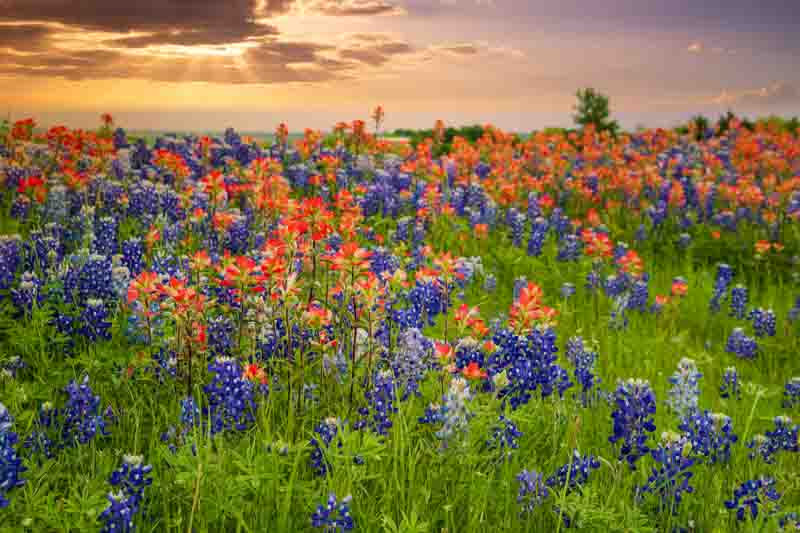
Texas Garden Ideas
Texas gardening is all about sun, heat, and changeable weather. From humid Gulf Coast breezes to dry Hill Country stones and windy plains, the right design makes everything easier. This page is your launch point to Texas garden ideas that stay beautiful in summer and low stress year round.
Quick Take: What Texas Garden Designs Need
- Drought tolerant layouts that rely on tough plants, mulch, and gravel rather than thirsty lawn.
- Heat smart plant choices that keep their color when summer is at its hottest.
- Simple shapes and layers for front yards, backyards, and side yards that are easy to maintain.
- Shade, structure, and seating so outdoor spaces feel inviting, not exposed.
- Native and pollinator friendly plants that support bees, butterflies, and birds.
Texas Garden Ideas To Try
Think in scenes, not single plants. A strong Texas garden idea starts with paths, beds, and seating, then layers in drought tolerant trees, shrubs, perennials, and groundcovers that match your light and soil.
Front yard Texas garden ideas – curb appeal with less lawn
- Replace part of the lawn with wide planting beds of gravel mulch, ornamental grasses, and flowering shrubs.
- Frame the front door with matching containers filled with heat loving perennials and evergreen structure.
- Use a simple palette of 5 to 7 plants and repeat them along the walk for a calm, polished look.
Backyard Texas garden ideas – outdoor rooms and shade
- Build an outdoor room with a small patio, pergola, or shade sail, then wrap it with mixed borders.
- Combine ornamental grasses, salvias, coneflowers, lantanas, and shrubs for long season color and privacy.
- Use paths of stone or decomposed granite to link seating areas, grills, play spaces, and planting pockets.
Drought tolerant and xeriscape garden ideas for Texas
- Design beds with bold shapes and plenty of open gravel so yuccas, agaves, and grasses stand out.
- Group plants by water needs and place thirstier choices near downspouts, paths, and patios.
- Mix evergreen shrubs with flowering perennials so xeriscape gardens look full, not sparse, in every season.
Texas shade garden ideas – under trees and along north walls
- Follow the drip line of live oaks or other trees with curved beds planted in layers of shrubs, ferns, and groundcovers.
- Focus on foliage contrast – large leaves with fine ones, glossy leaves with matte, dark green with silver.
- Add light colored flowers, variegated leaves, or a pale gravel path to brighten deep shade areas.
Small space and container garden ideas for Texas
- Fill large containers with one tall focal plant, mounding fillers, and trailing spillers that enjoy Texas heat.
- Group pots by the front door, on balconies, or around a small seating area to create a garden feel.
- Combine flowering plants with herbs and compact shrubs for fragrance, texture, and year round interest.
Texas Climate Snapshot
Why design for your local conditions
Texas stretches from semi arid high plains to humid Gulf Coast and pine forests. Summers are long and hot, winters can swing sharply, and soils range from sticky clays to thin, rocky slopes and deep sands. Garden ideas that match your light, soil, and hardiness zone are the ones that last.
Texas Garden Ideas – FAQs
How do I design a low maintenance Texas garden?
Keep the layout simple, reduce lawn, and choose drought tolerant plants that do not need constant watering or pruning. Mulch well, plant in groups, and avoid fussy hedges that require frequent shaping.
What are the best Texas garden ideas for beginners?
Start with one area – often the front entry or a small patio. Use a few reliable shrubs, ornamental grasses, and long blooming perennials, and repeat them. Containers are an easy way to test what thrives in your light and microclimate.
Can I have a colorful garden and still save water?
Yes. Many Texas friendly plants offer bright flowers and long bloom times while remaining drought tolerant. Place them in well prepared soil, water deeply to establish, and then taper off as roots grow down.
Use these Texas garden ideas as a starting point, then explore Gardenia plant combinations and regional plant lists to turn inspiration into a design that fits your home.