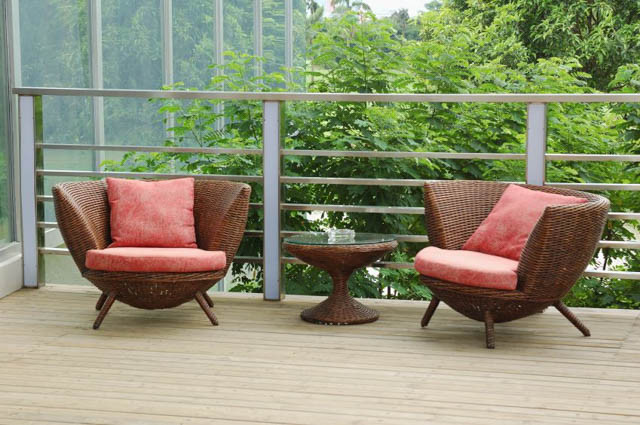
Your garden style sets the mood for everything that follows – the plants you choose, the materials you use, and even how the space feels when you walk through it. Whether you love romantic flowers, crisp geometry, naturalistic planting, wildlife, or relaxed outdoor living, choose a style that suits your taste, home, climate, and growing conditions.
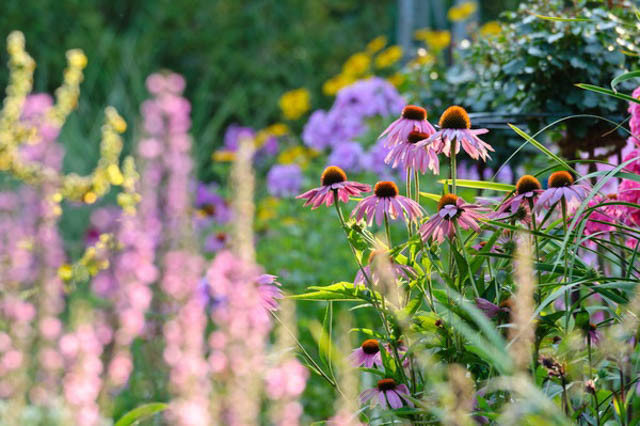
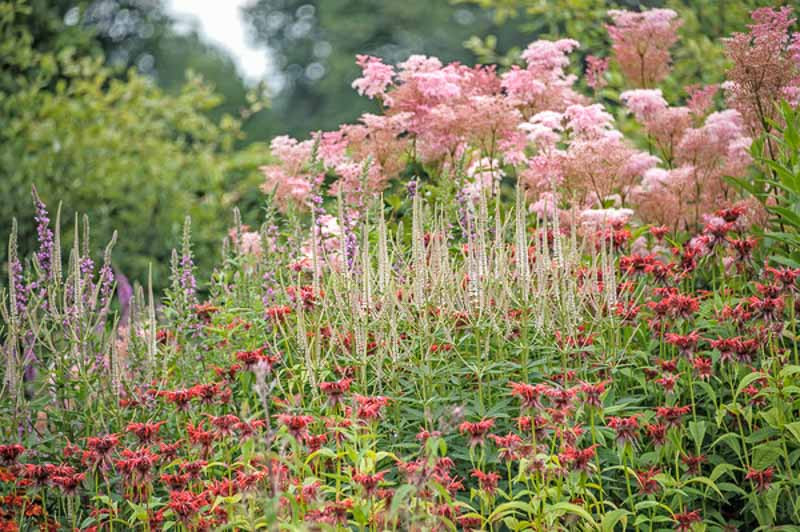
An Informal and Cottage Garden layers flowering perennials, roses, shrubs, bulbs, and self-seeding plants for an abundant, romantic effect. For something looser and more naturalistic, Prairie and Meadow Gardens combine grasses and flowering plants for movement, texture, and a long season of interest.
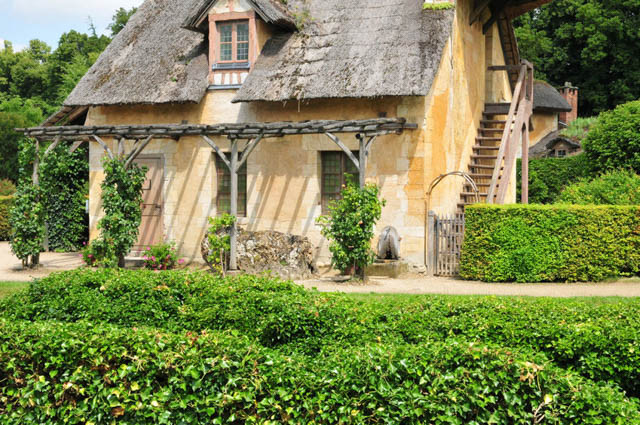
A Traditional Garden offers a more timeless approach, combining lawns, borders, shrubs, paths, and focal points in a comfortable balance of structure and informality.
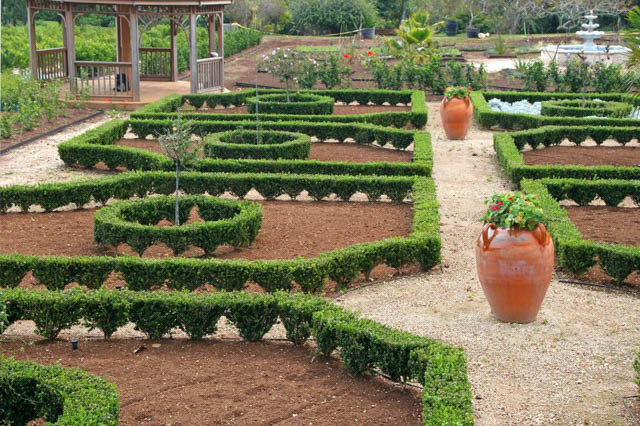
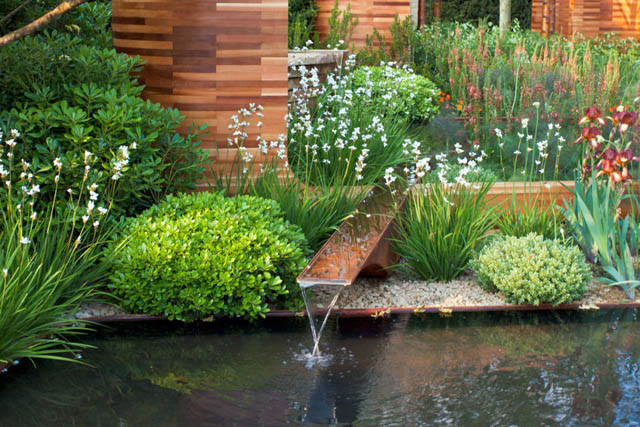
A Formal Garden uses symmetry, geometric beds, clipped hedges, topiary, and carefully positioned focal points to create order and elegance. A Modern Garden takes a cleaner, more minimalist approach, often combining restrained planting with strong lines and contemporary materials.
For a quieter aesthetic, a Japanese Garden uses carefully composed plants, rocks, paths, and water to create harmony, balance, and a sense of calm.
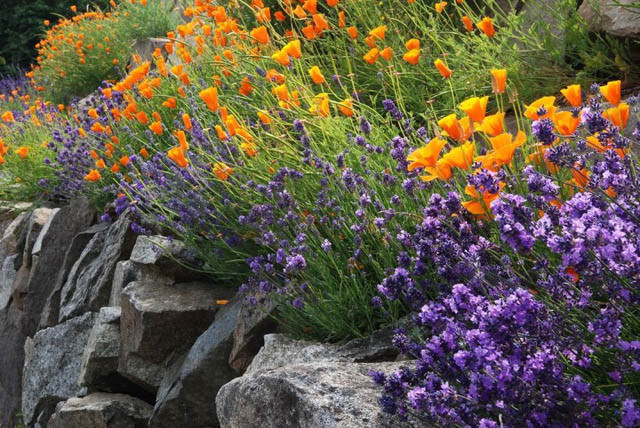
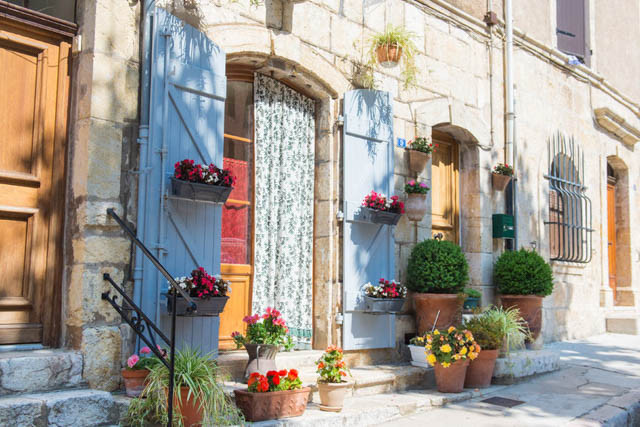
A Mediterranean Garden celebrates sun-loving, drought-tolerant plants, aromatic foliage, gravel, terracotta, and stone. Gravel and Rock Gardens use stones, free-draining soils, and resilient plants to create an equally distinctive low-water landscape.
Near the sea, a Coastal Garden is designed around wind, salt, and exposed conditions. Where space is scarce, a City and Courtyard Garden makes every foot count with containers, vertical planting, compact plants, and carefully chosen focal points.
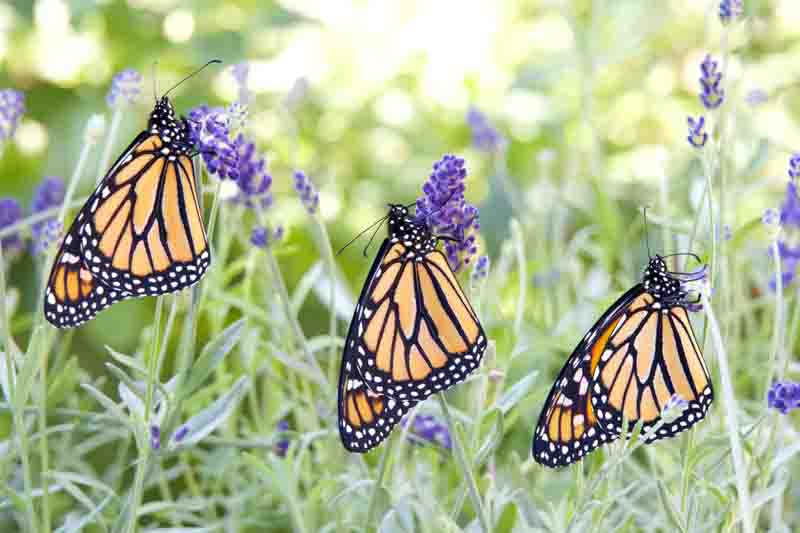
A Butterfly Garden combines nectar-rich flowers with caterpillar host plants, shelter, and overlapping bloom seasons so butterflies can use the garden through different stages of their life cycle.
A broader Pollinator Garden can support bees, butterflies, hummingbirds, and other beneficial visitors while still looking intentional and beautiful. Repeat plants, stagger flowering times, and combine different flower forms to create both habitat and a strong garden design.
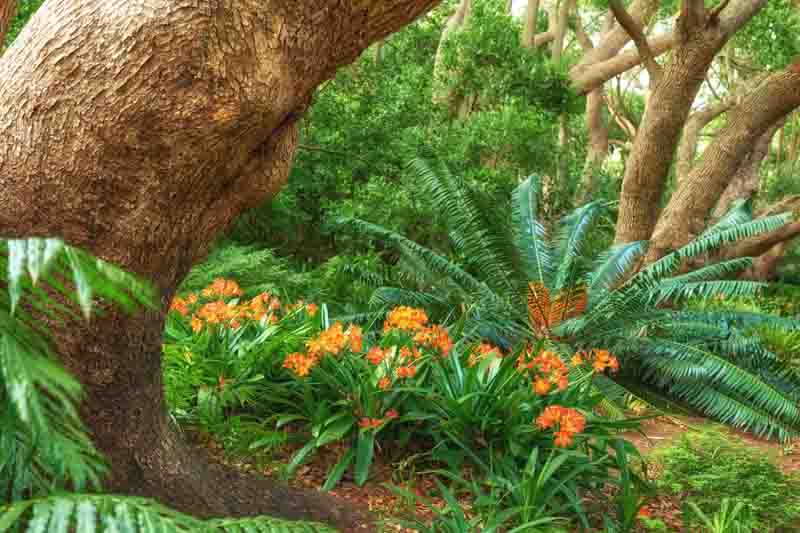
A Woodland Garden works with shade rather than fighting it. Layer trees and shrubs with ferns, shade-loving perennials, bulbs, grasses, and groundcovers to create a garden that feels cool, natural, and established.
The most convincing woodland designs borrow from nature: repeat plants in loose groups, combine contrasting foliage textures, and let paths and planting edges feel softer and less rigid.
Create a membership account to save your garden designs and to view them on any device.
Becoming a contributing member of Gardenia is easy and can be done in just a few minutes. If you provide us with your name, email address and the payment of a modest $25 annual membership fee, you will become a full member, enabling you to design and save up to 25 of your garden design ideas.
Join now and start creating your dream garden!