Hardiness Zone 10 - Garden Ideas
USDA Hardiness Zone 10 opens the door to gardens filled with lush foliage, dramatic flowers, architectural plants, and exceptionally long growing seasons. With average annual minimum winter temperatures of 30°F to 40°F (-1.1°C to 4.4°C), many subtropical and warm-climate plants can become permanent features of the landscape.
What kind of garden can you create in Zone 10?
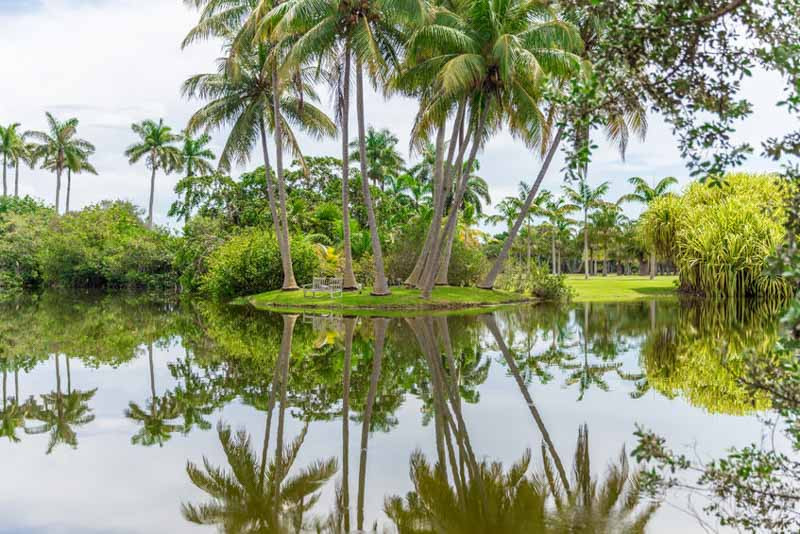
Zone 10 gardeners can choose from an extraordinary range of styles. Tropical gardens can combine bold foliage and brilliant flowers, while Mediterranean gardens can emphasize drought-tolerant shrubs, aromatic plants, ornamental grasses, and succulents.
Depending on your region, you can also create cottage-style borders, wildlife gardens, dry gardens, coastal landscapes, poolside plantings, or contemporary gardens built around strong foliage and architectural forms.
Build the garden around trees and shrubs
Start with long-lived plants that establish the garden’s structure, shade, screening, and year-round character.
- Trees: Royal Poinciana (Delonix regia), Monkey Puzzle (Araucaria araucana), and Strawberry Tree (Arbutus unedo) can each create a very different character.
- Shrubs: Hibiscus, Bougainvillea, and Oleander can provide strong color and structure in suitable climates and sites.
Add long-lasting color and tropical character
Layer lower-growing plants around the permanent framework to create seasonal color, texture, and movement.
- Bird of Paradise (Strelitzia reginae) adds bold foliage and unmistakable tropical form.
- Agapanthus (Agapanthus spp.) brings strong vertical flower heads and works well in borders and mass plantings.
- Bromeliads add sculptural foliage and vivid color, particularly in warm, humid or frost-protected gardens.
- Wax Begonia, Sunflower, and Gazania can provide additional seasonal color.
Design for your climate, not the zone number alone
Zone 10 stretches across regions with very different rainfall, humidity, soils, summer temperatures, and coastal influences. A planting combination suited to humid South Florida may perform poorly in an arid part of Southern California, even though both gardens fall within Zone 10.
Use garden ideas as inspiration rather than fixed recipes. Match every plant to your site’s sunlight, soil drainage, available moisture, heat, wind, and exposure before planting.
Create a garden that works through the seasons
Because Zone 10 has a long growing season, successful garden design depends on more than producing one spectacular flush of flowers. Combine plants with different bloom periods, foliage colors, textures, heights, and forms so the garden remains interesting throughout the year.
Include locally appropriate native plants where possible to strengthen habitat value and support pollinators, butterflies, birds, and other wildlife.