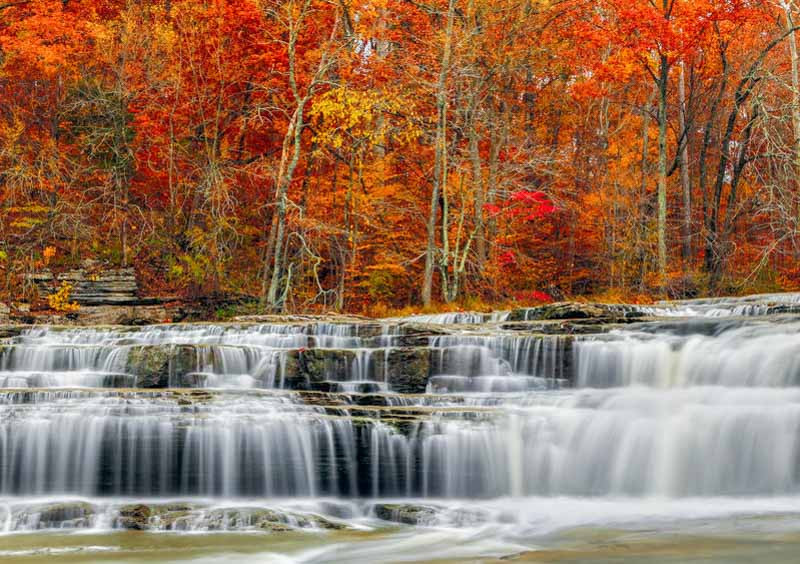
Hardiness Zone 5 - Garden Ideas
USDA Hardiness Zone 5 has average annual minimum winter temperatures of -20°F to -10°F (-28.9°C to -23.3°C). Despite its cold winters, Zone 5 can support richly layered gardens filled with flowering trees, shrubs, hardy perennials, spring bulbs, vegetables, and striking fall color.
Create a garden that returns every year
Build borders around reliable cold-hardy perennials that can survive winter and reappear each spring.
Coneflowers, Black-Eyed Susans, Daylilies, Peonies, and Hostas can create layers of flowers and foliage from spring into fall.
Combine plants with different bloom periods so the garden does not depend on a single short flowering season.
Add trees and shrubs for four-season structure
Trees and shrubs provide the framework that keeps a Zone 5 garden interesting even when herbaceous plants are dormant.
Paperbark Maple, Pin Oak, River Birch, and Sugar Maple can contribute shade, bark, form, and fall color.
At shrub level, Ninebark, Hydrangeas, Spireas, and Lilacs offer flowers, foliage, and seasonal structure.
Welcome spring with bulbs
Spring bulbs provide some of the earliest color after winter and fit easily between perennials, beneath deciduous shrubs, or along pathways.
Plant Daffodils, Tulips, and Crocuses in fall for displays the following spring.
Layering bulbs with later-emerging perennials can help hide fading bulb foliage while extending seasonal interest.
Make room for an edible garden
Zone 5 has a shorter frost-free season than warmer zones, but summer can still be highly productive.
Tomatoes, Cucumbers, and Sweet Corn can thrive during warm weather when planted at the appropriate time.
Raised beds can warm earlier in spring, while succession planting can extend harvests of quick crops such as leafy greens and radishes.
Design for winter as well as summer
A successful Zone 5 garden should still offer something to look at after frost. Combine evergreen foliage, attractive bark, persistent seed heads, ornamental grasses, berries, and strongly shaped shrubs with spring and summer flowers.
Mulch can help moderate soil temperature and conserve moisture, but established hardy plants generally benefit most from choosing the right site and matching their growing requirements rather than relying on heavy winter protection.