Hardiness Zone 2 - Garden Ideas
USDA Hardiness Zone 2 has average annual minimum winter temperatures of -50°F to -40°F (-45.6°C to -40°C). Extreme winters and a short growing season shape the garden, but thoughtful planting can create landscapes rich in foliage, flowers, berries, bark, evergreens, and striking winter structure.
Build the garden around ultra-hardy trees
Trees provide the structure and shelter that become especially valuable in an exposed cold-climate garden.
White Spruce can provide year-round evergreen structure and wind protection, while Paper Birch contributes pale bark and a light canopy. American Basswood can add substantial shade and summer foliage where reliably hardy.
Allow enough room for mature size and position larger trees where they can help shelter more delicate plantings without creating excessive shade.
Add shrubs for berries, foliage, and winter structure
Shrubs can create an important middle layer between trees and low-growing perennials.
Saskatoon Serviceberry can provide flowers and edible berries, Common Juniper adds evergreen structure, and suitably hardy Nanking Cherry can contribute spring bloom and fruit.
Grouping shrubs can also help reduce wind exposure and create more protected planting pockets.
Create seasonal color with hardy perennials
Make the most of the short growing season by combining perennials with different flowering periods and foliage textures.
Showy Lady’s Slipper, suitable Creeping Phlox, and Drumstick Primula can add color where site conditions and individual hardiness allow.
Use repetition and generous groupings to create impact during a growing season that may be intense but relatively brief.
Design for winter, wind, and wildlife
Native plants suited to your region can help create resilient landscapes while supporting local insects, birds, and other wildlife.
Evergreens, attractive bark, berries, seed heads, and strongly branched shrubs keep the garden visually interesting after snow arrives. Windbreaks formed by trees, shrubs, fences, or existing structures can also reduce exposure for more vulnerable plants.
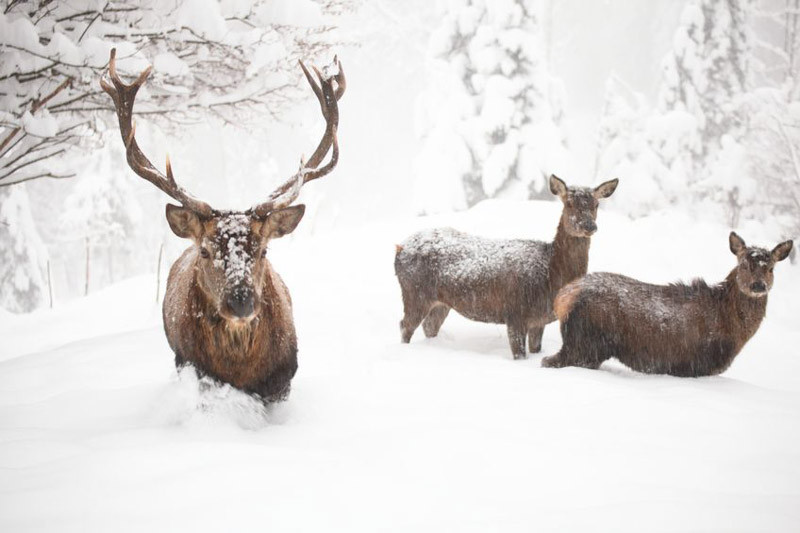
Snow itself can become part of the design, highlighting conifers, bark, seed heads, and architectural plant forms through winter.
Make the most of a very short growing season
Place vegetable beds and sun-loving flowers where they receive abundant light. Raised beds may warm more quickly in spring, while cold frames, low tunnels, and greenhouses can extend the useful season at both ends.
Spring and early summer are often the safest times to establish trees, shrubs, and perennials, giving roots as much time as possible to develop before winter.
Mulch can help conserve moisture and moderate soil-temperature fluctuations, but successful Zone 2 gardens depend first on exceptionally hardy plants and suitable siting.