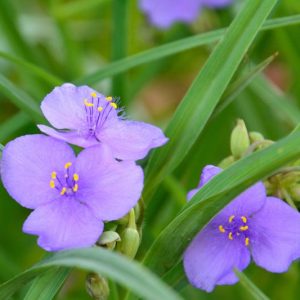
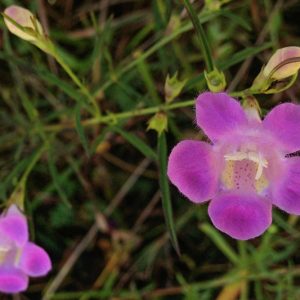
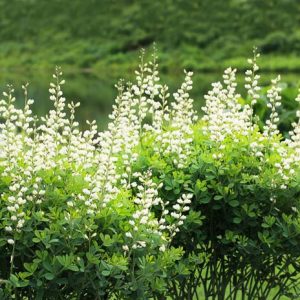
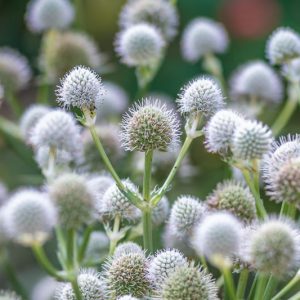
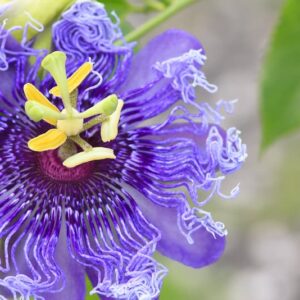
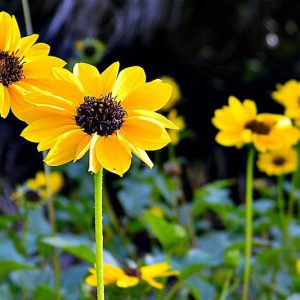
Florida natives = nonstop bloom. Feed butterflies, bees, and hummingbirds year-round—no pesticides, smart watering, stunning color, effortless habitat.


Florida gardens can hum year round. From dune side sunflowers to wetland buttonbush, the Sunshine State offers nectar, pollen, and caterpillar food almost every month. The winning formula is simple: plant Florida natives, stagger bloom times, skip pesticides, and keep water where roots can sip but not sit. The species below are drawn directly from the Xerces Society’s Florida list so you can plant with confidence.
Whenever you update or expand your garden, choose regionally native plants and avoid known invasive species so your landscape works with, not against, Florida’s ecosystems.
These natives anchor the show from spring to fall and support bees, butterflies, and beneficial insects. Mix a few from each group for a season spanning palette.
| Native Plants | United States, Southeast, Florida |
|---|---|
| Attracts | Birds, Butterflies, Hummingbirds, Bees |
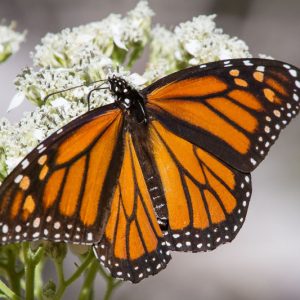
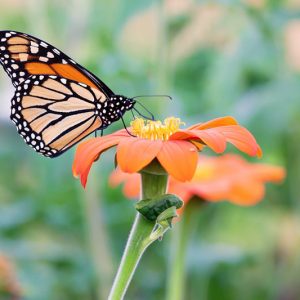
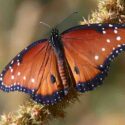
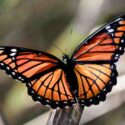
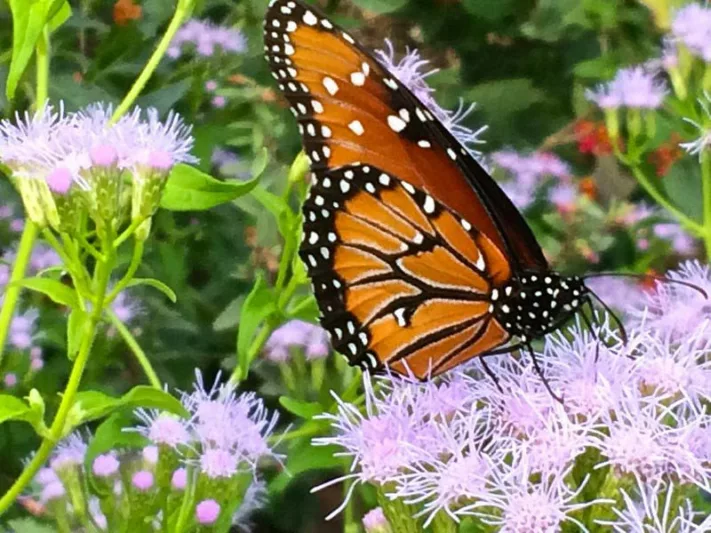
To help monarchs and their close cousin, the queen, give caterpillars their host plants and adults a nectar buffet nearby.
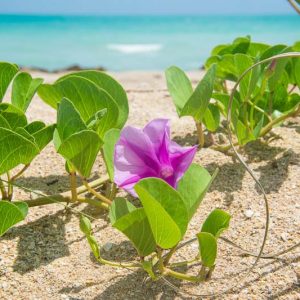
Near the coast, choose species that shrug off sand, wind, and salt spray while still feeding pollinators.
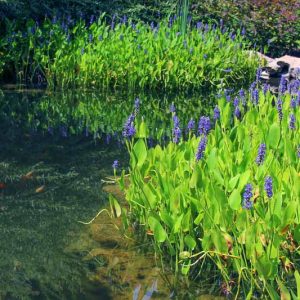
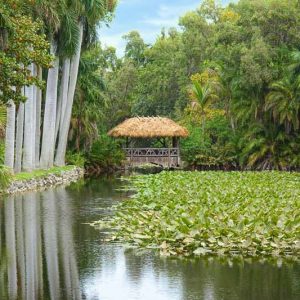
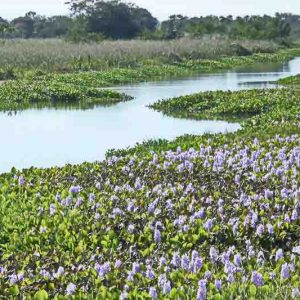
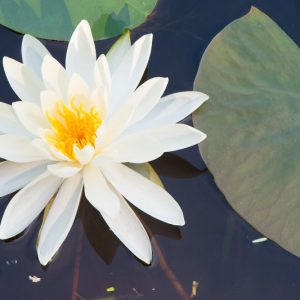
Got a soggy spot or a downspout basin you can convert into a mini oasis? These natives thrive with wet feet and return the favor with nectar and structure.
Florida’s mild winters and long warm seasons mean nectar on tap for much of the year. These shrubs, perennials, and vines keep the traffic steady.
Pollinator gardens are more than flowers. Add grasses for structure, groundcovers to knit soil, and a few slightly wild edges for nesting and overwintering.
These do double duty, filling bowls and feeding beneficials.
This mix stitches together flower form, bloom timing, and structure for a 10 by 14 ft bed. Repeat blocks for larger spaces.
Pick 8 to 12 species that match your sun, soil, and moisture. Plant in clumps for easy foraging, and include at least one larval host for the butterflies you want to see. With Florida natives, you are not just making a pretty bed. You are creating a real refueling station for bees, butterflies, hummingbirds, and beneficial insects.
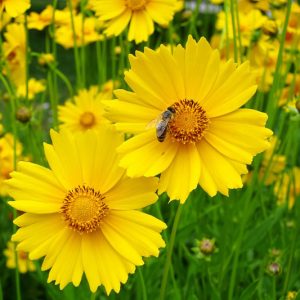
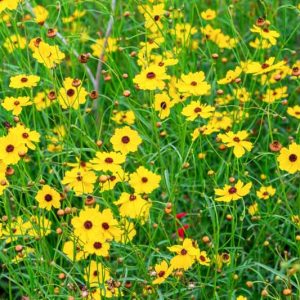
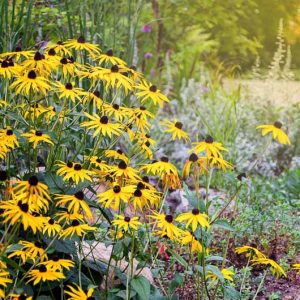
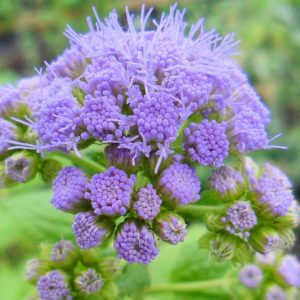
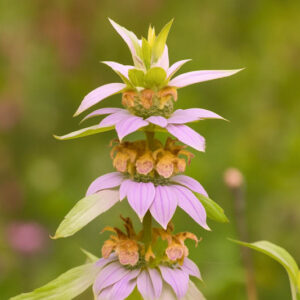
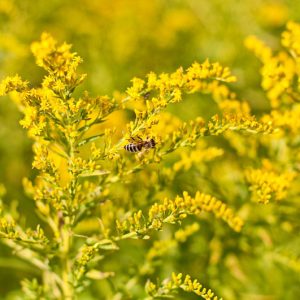
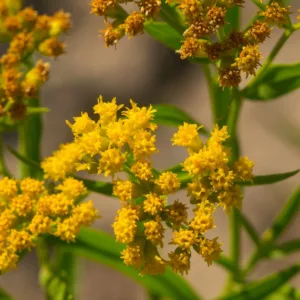
Start with coreopsis, black-eyed Susan, blue mistflower, spotted beebalm, goldenrod, buttonbush, firebush, and milkweeds (butterfly, swamp, aquatic).
Yes. Local insects recognize local plants, so natives typically provide more nectar, pollen, and larval host value.
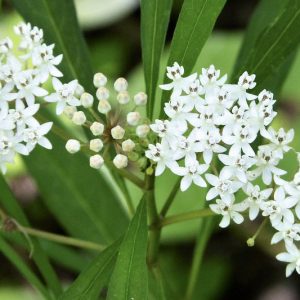
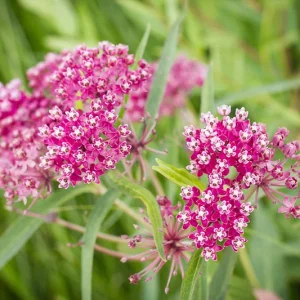
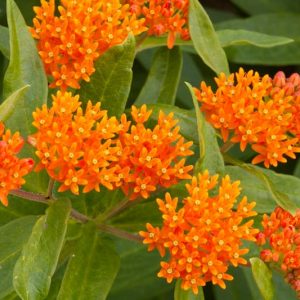
Butterfly milkweed (Asclepias tuberosa), swamp milkweed (A. incarnata), and aquatic milkweed (A. perennis) are reliable choices.
It’s non-native. If used, cut it to the ground each winter to reduce disease risk, or better yet choose native milkweeds.
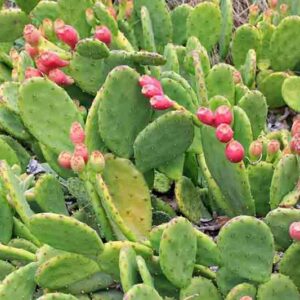
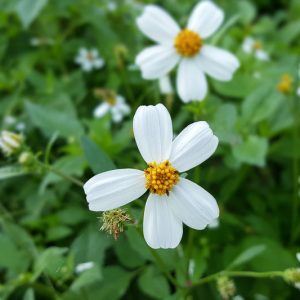
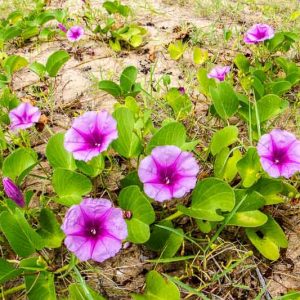
Beach sunflower, frogfruit, dune-tolerant goldenrods, and prickly pear handle salt, wind, and quick drainage.
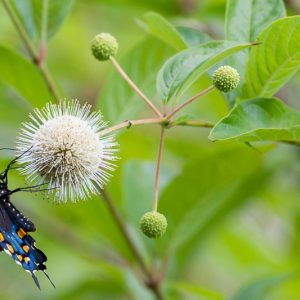
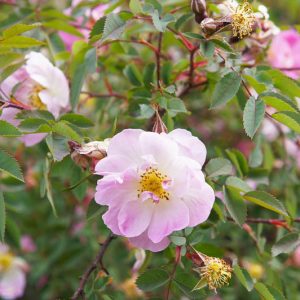
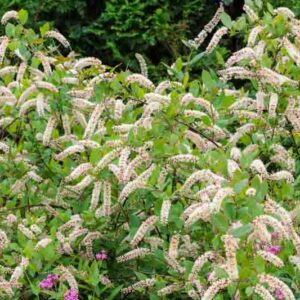
Buttonbush, pickerelweed, swamp milkweed, Virginia sweetspire, and swamp rose love rain-garden conditions.
Stagger bloom times (spring, summer, fall), include larval host plants, and leave some stems/leaf litter until late sprin
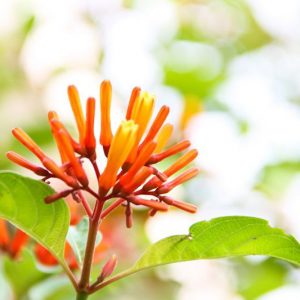
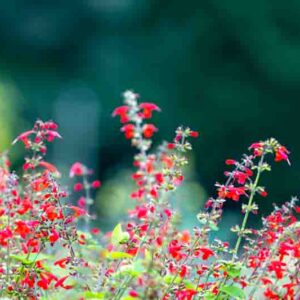
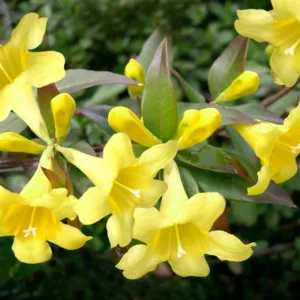
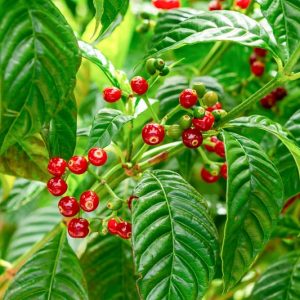
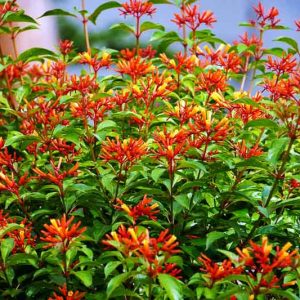
Firebush, scarlet sage, coralbean, yellow jessamine, and coral honeysuckle are top nectar sources.
Updated: November 2025 • Reviewed by Gardenia Editors
Tara Schmidt, Flickr
| Native Plants | United States, Southeast, Florida |
|---|---|
| Attracts | Birds, Butterflies, Hummingbirds, Bees |
Create a membership account to save your garden designs and to view them on any device.
Becoming a contributing member of Gardenia is easy and can be done in just a few minutes. If you provide us with your name, email address and the payment of a modest $25 annual membership fee, you will become a full member, enabling you to design and save up to 25 of your garden design ideas.
Join now and start creating your dream garden!
Create a membership account to save your garden designs and to view them on any device.
Becoming a contributing member of Gardenia is easy and can be done in just a few minutes. If you provide us with your name, email address and the payment of a modest $25 annual membership fee, you will become a full member, enabling you to design and save up to 25 of your garden design ideas.
Join now and start creating your dream garden!