Woodland Garden Guides
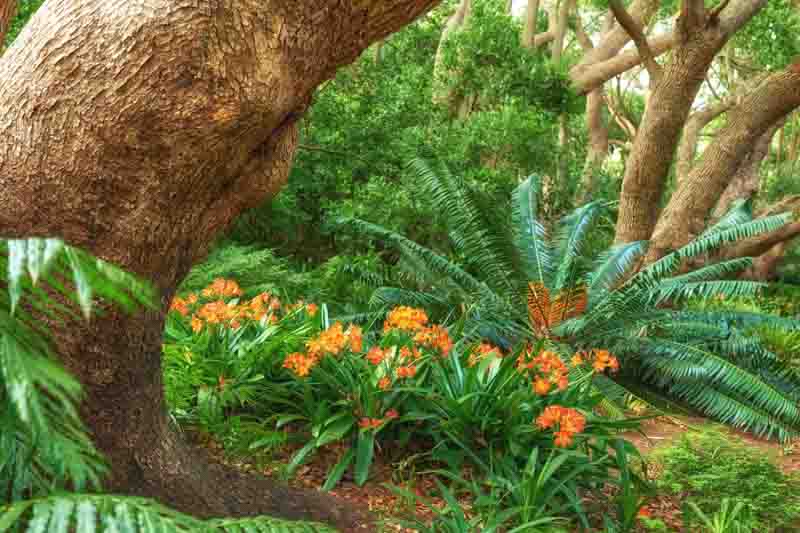
A successful woodland garden starts with understanding the conditions you already have. Shade beneath trees can vary from bright, dappled light to dense shade, while established roots may compete strongly for water and nutrients. Instead of trying to force unsuitable plants into difficult conditions, choose shade-tolerant shrubs, perennials, ferns, ground covers, and wildflowers that fit your light, soil, moisture, and climate.
The most reliable approach is simple: assess the site first, select plants second, and design around the conditions rather than against them. This reduces plant losses, makes maintenance easier, and helps a woodland garden look fuller and more natural over time.
Start by Assessing Your Shade
Before choosing plants, watch the area at different times of day. Dappled shade beneath deciduous trees is very different from deep shade beside a building or beneath dense evergreens. Also check whether the soil stays evenly moist, dries quickly, or becomes waterlogged after rain.
For a broader overview of plants suited to lower light, see Gardenia’s guide to the best shade plants. If your soil is acidic, these shade- and acid-loving woodland plants may be especially useful.
Choose Plants That Match Your Climate
Shade tolerance alone is not enough. Plants also need to be hardy in your region and able to cope with your summer heat, winter cold, and soil conditions. Choosing by USDA Hardiness Zone helps narrow the options and avoid plants that may struggle long term.
For Zone 6, explore these Zone 6 shade shrubs and Zone 6 shade perennials. Gardeners in Zone 7 can compare Zone 7 shade shrubs and Zone 7 shade perennials. For Zone 8, see these Zone 8 shade shrubs and Zone 8 shade perennials.
Manage Tree Roots and Dry Shade
One of the biggest woodland gardening challenges is root competition. Mature trees can remove large amounts of water from the surrounding soil, so an area may be shady but surprisingly dry.
Avoid deep cultivation around established trees, which can damage roots. Instead, plant into available pockets, add organic matter gently at the surface, mulch to conserve moisture, and water new plants deeply while they establish. In dry shade, choose plants that tolerate both reduced light and lower soil moisture rather than relying on frequent irrigation.
Plant in Layers, Not in Isolated Patches
Woodland gardens are easier to manage and more attractive when they are planted in layers. Use taller shrubs for structure, medium-height perennials and ferns through the middle, and low ground covers or wildflowers to fill gaps near the soil surface.
Repeat dependable plants in small groups rather than planting one specimen of many different species. This creates a more cohesive look and makes maintenance simpler. Gardenia’s shade garden design and care guide offers more practical guidance on combining plants successfully.
Add Flowers Without Depending on Flowers Alone
Shade gardens can bloom beautifully, but flowers should not be the only source of interest. Use foliage shape, texture, evergreen leaves, bark, berries, and seasonal color to carry the garden between flowering periods.
For difficult low-light areas, these wildflowers for full shade can add color while preserving a natural woodland character.
Avoid Common Woodland Garden Mistakes
The most common problems come from planting without considering the site. Avoid choosing plants only for their flowers, assuming all shade plants tolerate dry soil, crowding plants too close to mature tree trunks, or trying to transform a naturally dry woodland into a moisture-loving garden.
It is usually better to match the planting to the conditions you have. A well-planned woodland garden may take time to fill in, but once established it can become one of the most resilient, low-maintenance, and naturally beautiful parts of the landscape.