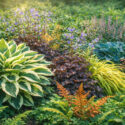
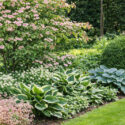
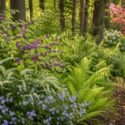
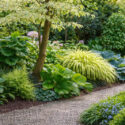
Turn tricky, low light corners into a cool, green sanctuary with shade and acid-loving plants. Learn how to test pH, prepare ericaceous soil, choose the best shrubs and ferns, and keep them thriving with the right mulch, moisture, and seasonal care for a rich, woodland style garden.


Got a north-facing border, a tree shaded corner, or a side yard that never really bakes in the sun? Instead of fighting it, lean into it.
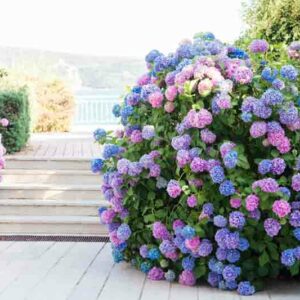
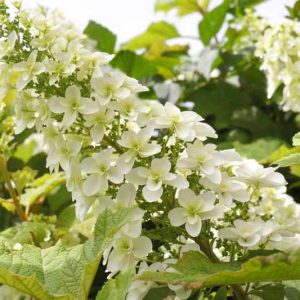
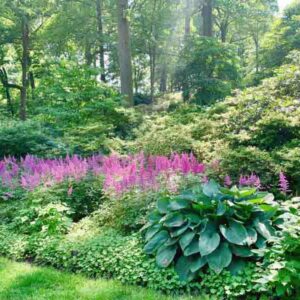
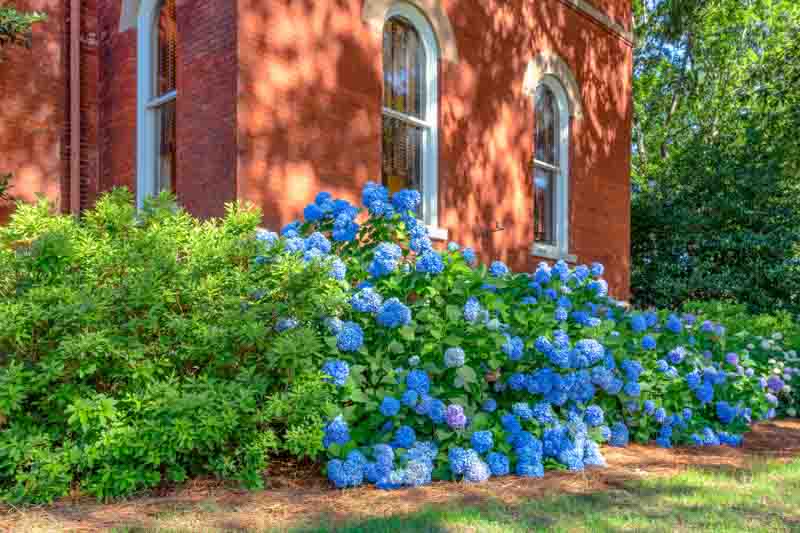
Shade and acid-loving plants thrive where many others sulk – in cool, moisture retentive, slightly acidic soil. Think glossy evergreen foliage, silky ferns, hydrangeas dripping with flowers, and carpets of mossy green groundcovers that make your garden feel like a woodland escape.
This guide walks you through the essentials – what counts as shade, what “acid loving” really means, how to prep soil, how to water and mulch, plus a handy planning table and troubleshooting tips so your rhododendrons, azaleas, camellias, and friends look lush for years.
Summary: Shade and acid-loving plants thrive in partial to full shade with soil pH roughly 4.5 to 6.0.
Use ericaceous compost, leaf mold, and pine needle mulch. Keep soil consistently moist but not soggy and avoid lime or alkaline fertilizers.
| Typical stars | Rhododendron, azalea, camellia, hydrangea (especially Hydrangea macrophylla), pieris, heather, Japanese maple, hosta, fern, blueberry. |
|---|---|
| Best conditions | Dappled or morning sun shade, humus rich soil, regular moisture, shelter from harsh wind, low to no lime in water and soil. |
| Common problems | Yellow leaves from high pH, dry root balls under trees, waterlogging in compacted clay, scorched foliage from unexpected hot sun. |
| Quick fix recipe | Mix ericaceous compost with leaf mold, plant slightly high, mulch with pine needles or bark, and water with rainwater whenever possible. |
| Good strategy | Group acid-loving plants together, keep lawn and lime away from the bed, and top up organic mulch every year to gently maintain acidity. |
Shade loving plants are not a single tribe. Some enjoy light or dappled shade under open trees. Others prefer deep woodland shade on the north side of buildings or fences. Many of the classic acid-loving shrubs slot into the first group – they love gentle morning sun with protection from fierce afternoon rays.
Acid-loving plants, also called ericaceous plants, prefer soil with a pH lower than neutral. In practical terms, that means a pH below 7, with their sweet spot usually between 4.5 and 6.0. In these conditions, nutrients like iron and manganese stay available, so foliage stays deep green instead of turning sickly yellow.
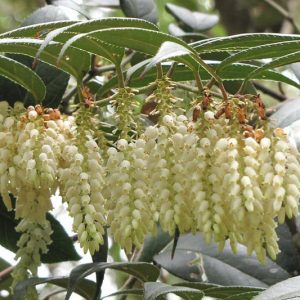
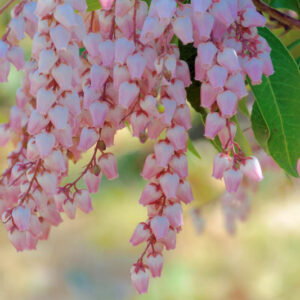
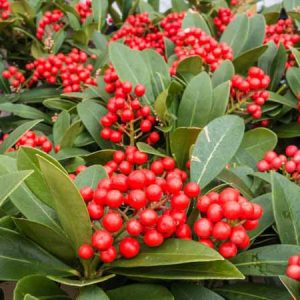
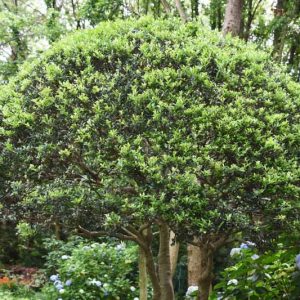
| Plant Type | Ferns, Perennials, Shrubs, Trees |
|---|---|
| Genus | Athyrium, Brunnera, Calluna, Camellia, Corylopsis, Dryopteris, Enkianthus, Epimedium, Erica, Fothergilla, Heuchera, Hosta, Hydrangea, Mahonia, Osmanthus, Pachysandra, Pieris, Polystichum, Primula, Rhododendron, Tiarella, Trillium, Vaccinium |
| Exposure | Partial Sun, Shade |
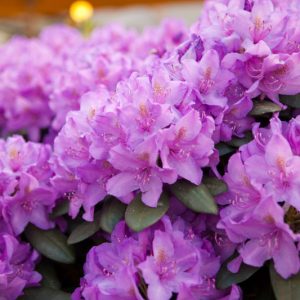
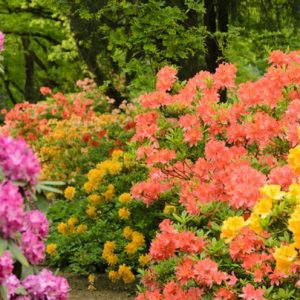
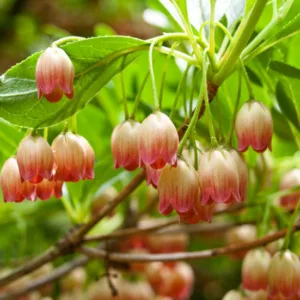

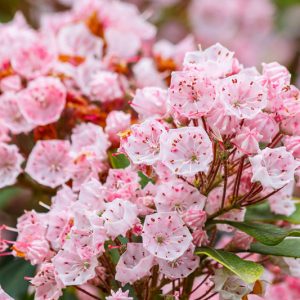

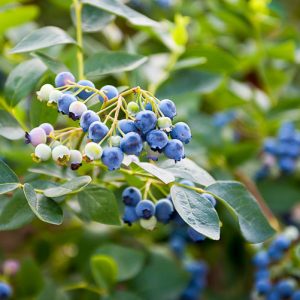
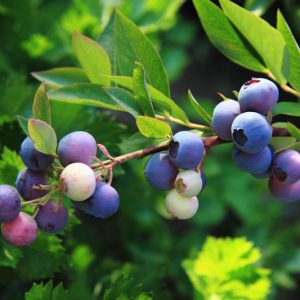
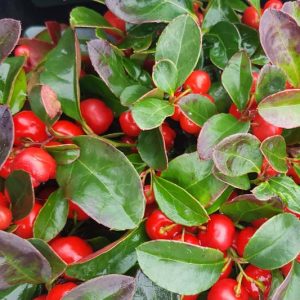
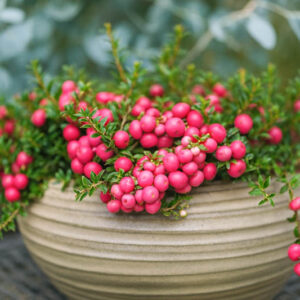
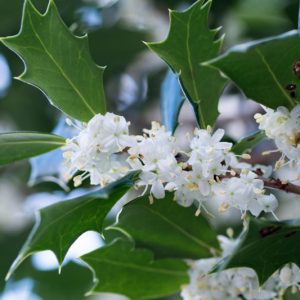
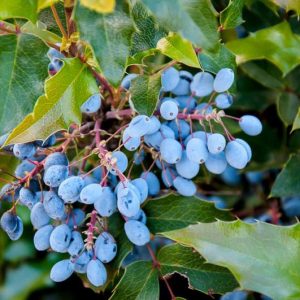
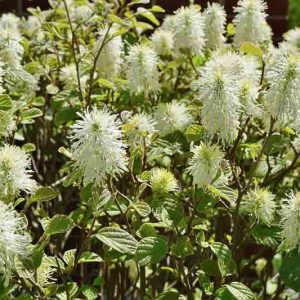
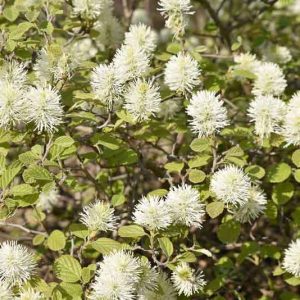
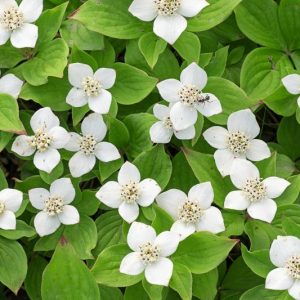
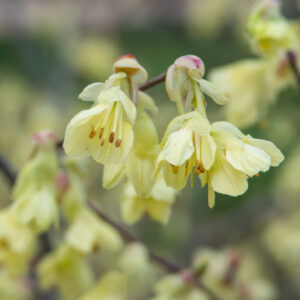
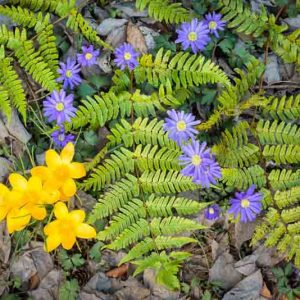
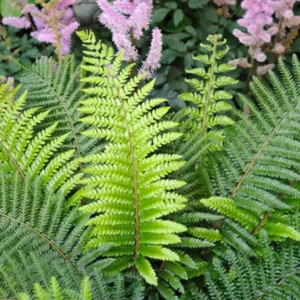
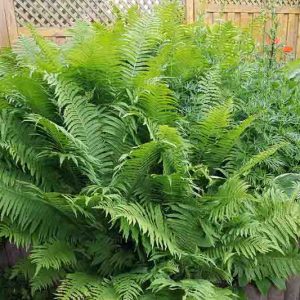
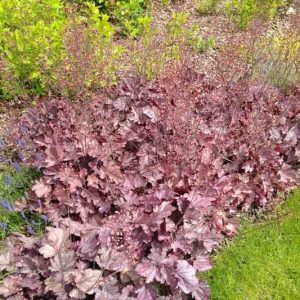
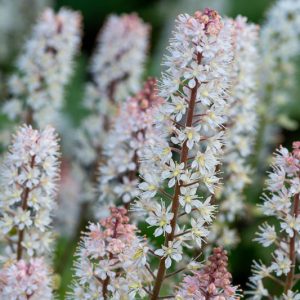
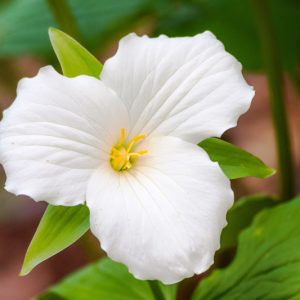
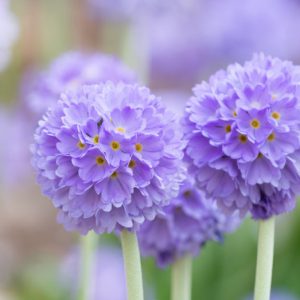
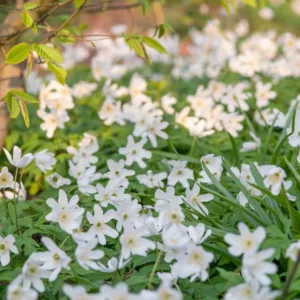
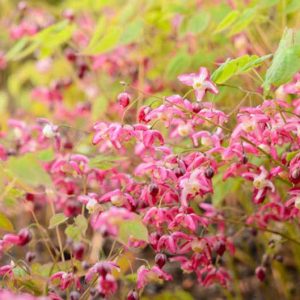
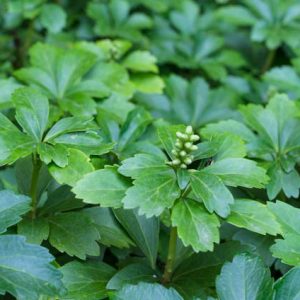
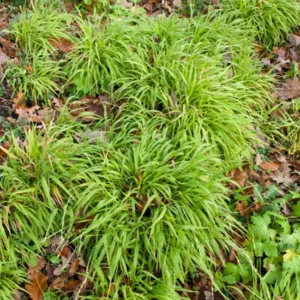
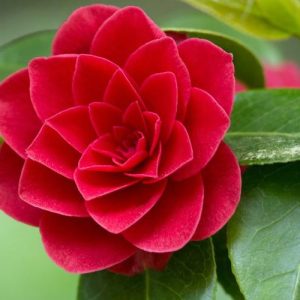
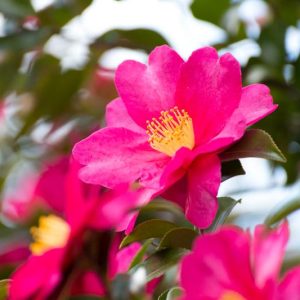
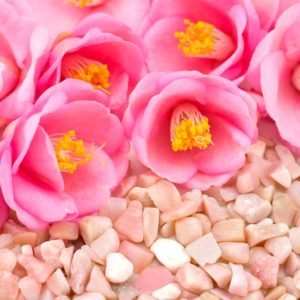
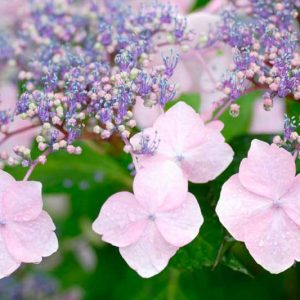
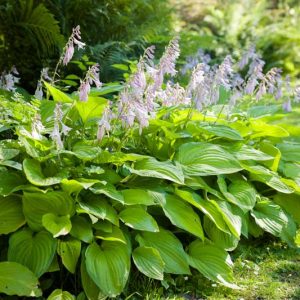
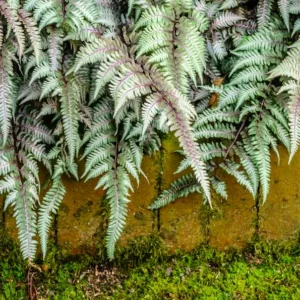
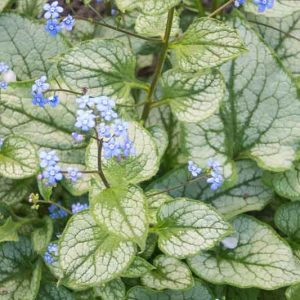
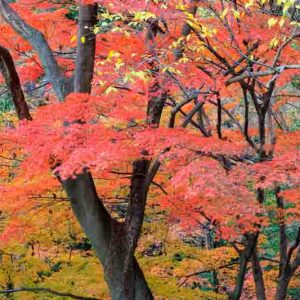
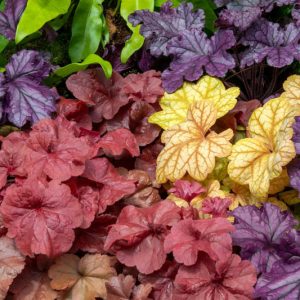
🔎 Find more with our Plant Finder
Shade is not one size fits all. Get the light right and your acid-loving plants will respond with more blooms, better color, and fewer problems.
| Shade type | Description | Best plants |
|---|---|---|
| Light or dappled shade | Sun flickers through tree canopies for a few hours, or morning sun then shade. | Hydrangea macrophylla, hydrangea serrata, Japanese maple, pieris, enkianthus, many azaleas. |
| Partial shade | 3 to 4 hours of direct sun, often morning, with shade for the rest of the day. | Rhododendrons, camellias, blueberries, skimmia, heuchera, hosta, ferns. |
| Deep or full shade | Very little direct sun, such as north walls or dense evergreen cover. | Mahonia, certain ferns, moss, pachysandra, some heucheras and evergreen groundcovers. |
The secret to thriving shade and acid-loving plants is less about fancy feeding and more about creating the right root zone. You are aiming for soil that is moist but well drained, rich in organic matter, and naturally or artificially slightly acidic.
| Step | What to do | Why it helps |
|---|---|---|
| Test pH | Use a simple soil test kit before planting. | Tells you if your soil is already acidic or needs help. |
| Add organic matter | Work in leaf mold, composted bark, and ericaceous compost 8 to 10 inches deep. | Improves structure, drainage, moisture retention, and gently lowers pH. |
| Avoid lime | Do not use mushroom compost, fresh manure, or lime based products in the bed. | Prevents pH creeping up and locking out iron and other micronutrients. |
| Mulch with the right materials | Use pine needles, shredded bark, or leaf mold as a 2 to 3 inch mulch. | Keeps roots cool and moist while slowly maintaining acidity. |
Planting technique can make or break acid-loving shrubs. They hate being buried too deep or sitting in cold soggy soil. Follow this checklist for success.
| Step | What to do | Why it helps |
|---|---|---|
| Time it right | Plant in early spring or fall when soil is workable and not frozen or baked. | Cool air plus moist soil encourages fast rooting without stress. |
| Dig wide, not deep | Hole 2 to 3 times rootball width, same depth. The top of the rootball should sit level with or slightly above the soil surface. | Encourages spreading roots and prevents suffocation or rot around the crown. |
| Loosen the roots | Gently tease or slice circling roots, especially on container grown shrubs. | Stops roots from continuing to circle and strangling the plant later. |
| Backfill with improved soil | Refill hole with a mix of native soil and ericaceous compost, firming gently to remove big air pockets. | Provides a consistent soil texture and gentle acidity around the rootball. |
| Water in well | Slowly soak the planting area until water has penetrated well below the rootball. | Helps settle soil, remove air pockets, and hydrate roots deeply. |
| Mulch correctly | Apply a 2 to 3 inch layer of bark or pine needles over the root zone but keep mulch a couple of inches clear of the stems. This keeps roots cool and moist without rotting the crown. | |
Shade and acid-loving plants are often woodland species. They enjoy soil that is evenly moist with slow drying, not the extremes of bone dry then flooded. In containers and raised beds they dry out faster, so you will need to watch them more closely.
| Phase | Frequency | Notes |
|---|---|---|
| First 6 weeks | Water every 3 to 5 days in dry weather, weekly in cool damp spells. | Aim for deep soaking, not little splashes. Soil should be damp 4 to 6 inches down. |
| Months 2 to 12 | Once a week in dry periods, less if natural rainfall is steady. | Check under mulch with your fingers. If it is dry at knuckle depth, it is time to water. |
| Established plants | Water deeply during extended drought or heatwaves, especially in containers. | Shrubs in the ground often cope with natural rain once established, if soil is improved and mulched. |
| Pro tip | Wilting at midday that recovers by evening can be normal. Persistent droop, crispy edges, or yellowing between veins suggest water or pH problems. | |
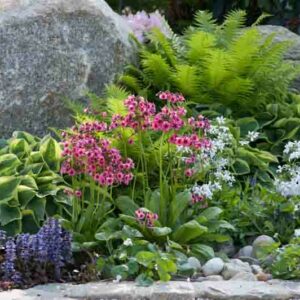
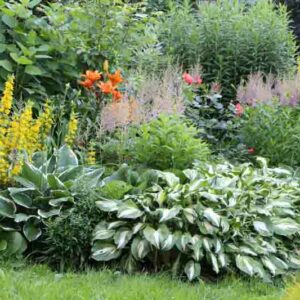
Shade and acid-loving plants really shine when you treat the whole area as a woodland bed. Think layers of canopy, understory, and groundcover, all linked together by a unifying carpet of mulch.
| Topic | What to do | Design payoff |
|---|---|---|
| Mulch choice | Use bark chips, pine needles, leaf mold, or a mix spread 2 to 3 inches deep. | Creates a unified, woodland floor look and keeps weeds down. |
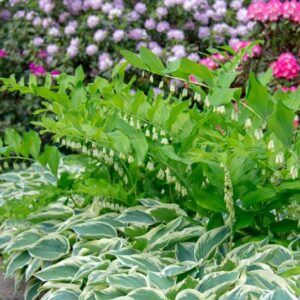
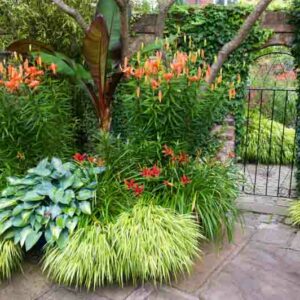
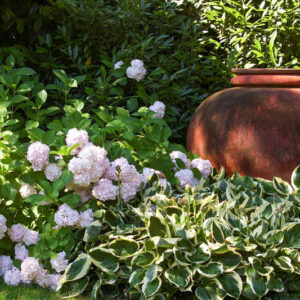
| Underplanting | Add hostas, ferns, heucheras, brunnera, and low heathers between shrubs once they are established. | Softens bare soil, protects roots, and gives four season texture and color. |
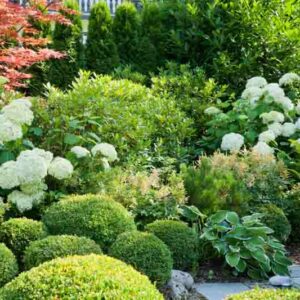
| structure shrubs | Use evergreen rhododendrons, camellias, pieris, and skimmia as anchor points. | Gives backbone to the planting so it looks good year round, not just in bloom. |
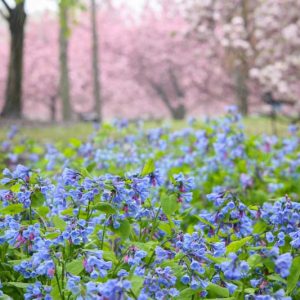
| Seasonal highlights | Layer early bulbs like snowdrops and bluebells, then primulas and trilliums around shrubs. | Extends bloom season and attracts pollinators even in shaded gardens. |
| Containers cue | On shady patios, use large pots of ericaceous compost for compact hydrangeas, dwarf azaleas, pieris, and even blueberries. Group them for a mini woodland terrace. | |
| Season | Tasks |
|---|---|
| Late winter to early spring | Check for winter damage, remove dead twigs, feed with slow release ericaceous fertilizer, top up mulch. |
| After flowering | Deadhead rhododendrons, azaleas, camellias, and hydrangeas as needed. Light prune to shape only, avoiding heavy cuts. |
| Summer | Monitor moisture under mulch, water during dry spells, watch for vine weevils in containers and treat if needed. |
| Autumn | Rake up heavy leaf falls that smother small perennials, refresh mulch, plant new shrubs and spring bulbs while soil is still warm. |
| pH and water note | Retest pH every few years. If leaves start yellowing between veins, check for high pH or drought before assuming pests or disease. |
| Issue | Likely cause | Fix |
|---|---|---|
| Yellow leaves with green veins | Soil or irrigation water is too alkaline – iron is locked up. | Switch to rainwater, top dress with ericaceous compost, and use a chelated iron feed if needed. |
| Dieback on branches | Waterlogging, deep planting, or old damage from frost or pruning. | Improve drainage, ensure the crown is not buried, prune back to healthy wood, and mulch rather than overfeed. |
| Few flowers | Too much deep shade, pruning at the wrong time, or excessive nitrogen fertilizer. | Give plants a little more light, prune lightly after flowering only, and swap to balanced or slow release ericaceous feed. |
| Crisp leaf edges even in shade | Drought stress, especially in windy positions or containers. | Increase deep watering, add more mulch, and consider wind protection or a larger container. |
| One minute rescue | For a drooping shrub, set a hose on a gentle trickle at the root zone for 30 to 40 minutes, then mulch. Avoid heavy overhead spraying which wets leaves but leaves roots thirsty. | |
Plants that perform best in acidic soils (pH < 7), typically pH 4.5–6.0. In this range, iron, manganese, and other micronutrients stay available, preventing chlorosis and weak growth.
Rhododendron/azalea, camellia, pieris, enkianthus, kalmia, leucothoe, skimmia, fothergilla, hydrangea macrophylla (often), hollies, and blueberries (Vaccinium). Good shade companions include ferns (Athyrium, Dryopteris), epimedium, heuchera, tiarella, brunnera, and hellebores.
Use a lab test or a high-quality home kit and sample several spots 4–6 inches deep. Retest after any major amendments or if plants show chlorosis.
Most ericaceous shrubs (rhododendron/azalea/pieris/blueberry) thrive around pH 5.0–5.5; blueberries can prefer 4.5–5.2. Many shade perennials tolerate 5.5–6.5 if iron remains available.
Interveinal chlorosis (yellow leaves with green veins), reduced bloom, leaf scorch in sun, and poor new growth. Symptoms often persist despite fertilizer until pH is corrected.
Apply elemental sulfur (soil bacteria convert it to acid gradually), mix in pine bark fines/leaf mold, then retest in 8–12 weeks in warm seasons. In heavy clay, amend first for drainage so sulfur can work predictably.
Use sparingly and mainly for ornamental color tweaks (e.g., hydrangea blue) in well-drained soils. For long-term pH management, elemental sulfur is gentler and less risky for aluminum buildup.
Yes – apply 2–3 inches of pine needles, shredded leaves, or pine bark to conserve moisture, buffer temperature, and modestly support acidity. Keep mulch 2 inches off stems and crowns.
Use “ericaceous” or acid-forming fertilizers (often ammonium-based). Feed lightly in spring after flowering and again midsummer if needed; avoid heavy late-season nitrogen that invites winter injury.
Hard/alkaline water (high bicarbonates) gradually raises media pH, especially in containers. Capture rainwater or blend with RO/distilled water if repeated chlorosis appears despite correct soil pH.
Yes, but tree roots compete strongly. Loosen soil gently, add organic matter, plant slightly high if drainage is marginal, mulch well, and irrigate deeply during establishment.
Bright shade or morning sun with afternoon shade suits most ericaceous shrubs. Deep shade reduces flowering; hot, reflected afternoon sun can scorch leaves even if pH is perfect.
Hydrangea macrophylla tolerates a range but color can shift with pH and aluminum availability (blue in more acidic, pink in less acidic with low aluminum). They like organic, evenly moist, well-drained soils more than extreme acidity.
No. Japanese maple (Acer palmatum) prefers slightly acidic, moist, well-drained soils and light shade; many other Acer species tolerate neutral or mildly alkaline conditions if drainage and moisture are good.
Test pH → incorporate leaf mold/pine bark → add elemental sulfur if pH is high → ensure drainage (raised bed if needed) → plant at grade → mulch 2–3 inches → irrigate deeply the first season. Avoid burying root flares on woody plants.
They add organic matter and a mild, inconsistent acidity; don’t rely on them to change pH materially. Use sulfur for targeted pH shifts and mulch for moisture/pH buffering.
Apply EDDHA-chelated iron as a foliar or soil drench for a short-term fix. Long-term stability comes from correcting pH, improving organic matter, and keeping soil evenly moist.
Often, yes – azaleas, rhododendrons, and camellias may be browsed. Use protection or favor less-tasty options like pieris, leucothoe, some hollies, and tougher ferns.
In cold climates, mulch crowns after the ground cools, shield from winter wind/sun, and avoid late nitrogen. Container plants may need an unheated, protected spot.
Backbone: rhododendron/azalea and pieris. Fillers: fothergilla gardenii, hydrangea macrophylla, and leucothoe. Understory: Dryopteris erythrosora, Epimedium × rubrum, Heuchera ‘Palace Purple’, Brunnera ‘Jack Frost’, and Carex for edging—mulched with pine needles.
Shade and acid-loving plants turn tricky, low light areas into lush, layered havens. Start by understanding your shade type, preparing an ericaceous soil mix, and choosing shrubs, perennials, and groundcovers that enjoy cool roots and gentle light. With the right mulch, steady moisture, and simple seasonal care, your shaded corners can become the most captivating parts of your garden.
Updated: November 2025
| Plant Type | Ferns, Perennials, Shrubs, Trees |
|---|---|
| Genus | Athyrium, Brunnera, Calluna, Camellia, Corylopsis, Dryopteris, Enkianthus, Epimedium, Erica, Fothergilla, Heuchera, Hosta, Hydrangea, Mahonia, Osmanthus, Pachysandra, Pieris, Polystichum, Primula, Rhododendron, Tiarella, Trillium, Vaccinium |
| Exposure | Partial Sun, Shade |
Create a membership account to save your garden designs and to view them on any device.
Becoming a contributing member of Gardenia is easy and can be done in just a few minutes. If you provide us with your name, email address and the payment of a modest $25 annual membership fee, you will become a full member, enabling you to design and save up to 25 of your garden design ideas.
Join now and start creating your dream garden!
Create a membership account to save your garden designs and to view them on any device.
Becoming a contributing member of Gardenia is easy and can be done in just a few minutes. If you provide us with your name, email address and the payment of a modest $25 annual membership fee, you will become a full member, enabling you to design and save up to 25 of your garden design ideas.
Join now and start creating your dream garden!