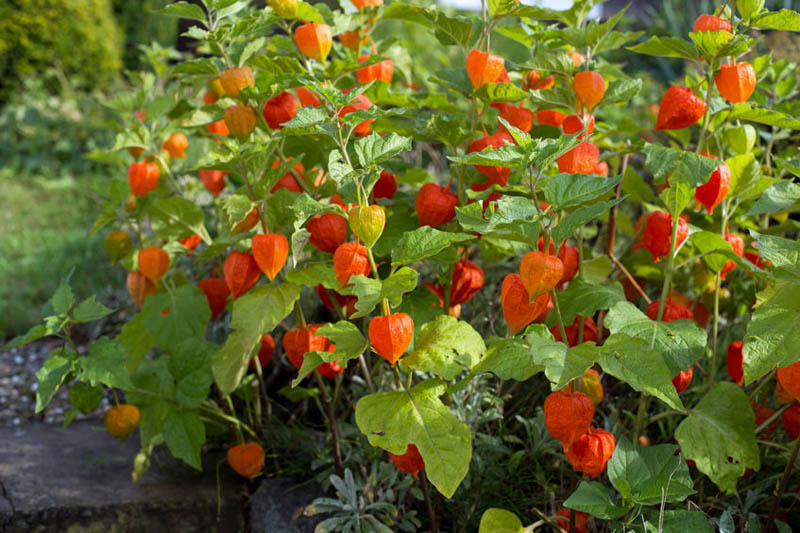
Chinese Lantern
Meet the plant that throws its own autumn festival. Chinese lantern dazzles with paper-bright pods that glow like tiny lanterns on strings. It’s easy to grow, tough as nails, and endlessly charming in fresh borders or dried bouquets. Ready to wow your garden friends? Light the way with these bite-size facts.
- Iconic “lanterns”: Those are inflated calyces (sepals) that swell after pollination, wrapping the berry like a crinkly paper lantern.
- Color story: Lanterns age from lime to fiery orange, then bleach to a delicate filigree “skeleton” that lasts through winter.
- Not alone in the family: It’s a cousin to cape gooseberry (P. peruviana), Chinese lantern (P. alkekengi), tomatillo (P. philadelphica), and ground cherry (P. pruinosa).
- Autumn finisher: Blooms in summer, but the “lantern show” peaks late summer to fall—perfect for seasonal arrangements.
- Craft favorite: Cut stems when pods glow orange; hang upside down in a dark, airy spot to dry vivid, long-lasting clusters.
- Wildlife tidbit: Bees visit the inconspicuous flowers; birds may sample ripe berries, though humans should treat fruits cautiously.
- Edibility caution: Enjoy the lanterns with your eyes. Husks and unripe parts are not edible; many gardeners grow this species strictly ornamental.
- Cold-hardy workhorse: Surprisingly tough in temperate climates; dies back in winter and returns from underground rhizomes.
- Rhizome runner: It spreads enthusiastically—great as a colonizer, but use pots, root barriers, or regular division to keep it tidy.
- Names galore: Also dubbed bladder cherry, winter cherry, and Japanese lantern—check the botanical name to avoid mix-ups.
- Design magic: Thread lantern stems through late asters, grasses, and seedheads for instant harvest-season drama.
- Cultural sparkle: Lantern imagery echoes in autumn festivals across Asia, symbolizing guidance, remembrance, and good fortune.
Quick tip: For crisp silhouettes in dried work, strip leaves before drying so the lanterns steal the spotlight.