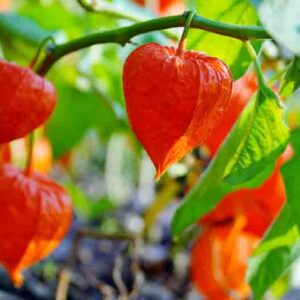
tomatillo, Mexican husk tomato, husk tomato, jamberry, ground cherry, tomatillo ground-cherry, large-flower tomatillo, Mexican groundcherry, wild tomatillo, wild gooseberry, Japanese gooseberry, Mexican tomato, tomate de cáscara, tomate de fresadilla, tomate milpero, tomate verde, Physalis ixocarpa, Physalis aequata.
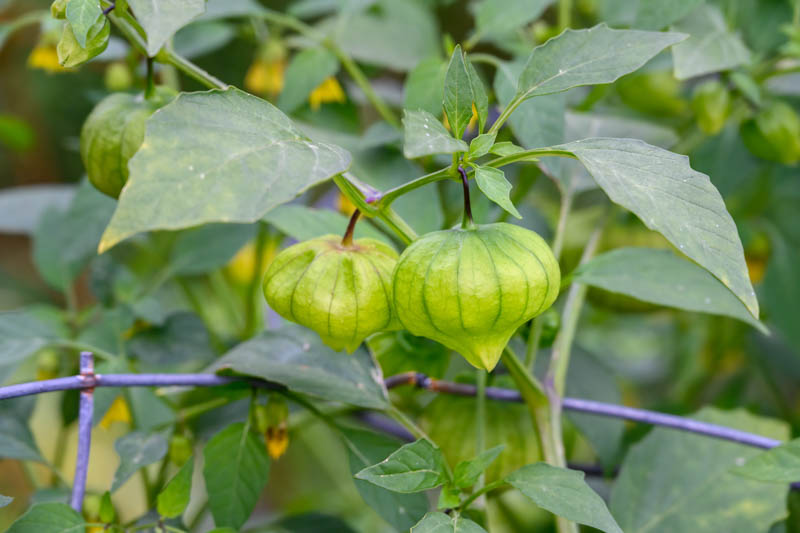



Summary: A cheerful, productive warm-season annual with lantern-like husks that hide tangy fruit. Perfect for bright, citrusy cooking and the backbone of classic tomatillo salsa and tomatillo sauce.
Taste: Fresh, tart, lightly fruity with herbal notes and a hint of lime.
Use: Roasted or raw in salsas, soups, stews, enchiladas, and countless tomatillo recipes. Excellent for canning and freezing.
Safety: Eat ripe fruit only. Leaves and unripe green plant parts are not edible.
| Botanical Name | Physalis philadelphica (often sold as P. ixocarpa) |
|---|---|
| Family | Solanaceae |
| Common Names | Tomatillo, Mexican husk tomato, husk cherry (culinary types) |
| Native Range | Mexico and Central America, now grown widely in warm climates |
| Plant Type & Habit | Warm-season annual. Bushy, branching, with drooping fruiting stems. |
| Hardiness | Frost sensitive. Grow like tomatoes after frost risk has passed. |
| Size | 75–120 cm tall and wide (about 3–4 ft) depending on spacing and support |
| Sun & Exposure | Full sun for best yield and flavor |
| Soil | Well-drained, fertile soil. pH 6.0–7.0 ideal. Mulch to hold moisture. |
| Bloom & Fruit | Yellow flowers in early summer. Lantern like husks that fill with green or purple fruit. |
| Pollination | Often self infertile. Plant at least two compatible tomatillo plant selections for reliable fruit set. |
| Days to Maturity | ~60–75 days from transplant to first harvest |
| Yield | Commonly 0.9–2.3 kg per plant (about 2–5 lb) in home gardens |
| Primary Uses | Tomatillo salsa, tomatillo sauce, soups, stews, canning, freezing, grilled sides |
Meet the humble hero of bright, tangy cooking. Tomatillos look like tiny paper lanterns in the garden, and they deliver a citrusy sparkle in the kitchen. If you already love green enchiladas or spoonable salsa verde, you are a fan whether you knew it or not. With just a couple of plants, you can keep a steady stream of fruit for tomatillo salsa, quick weeknight soups, and flavorful sauces all summer.
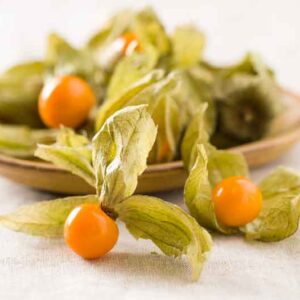
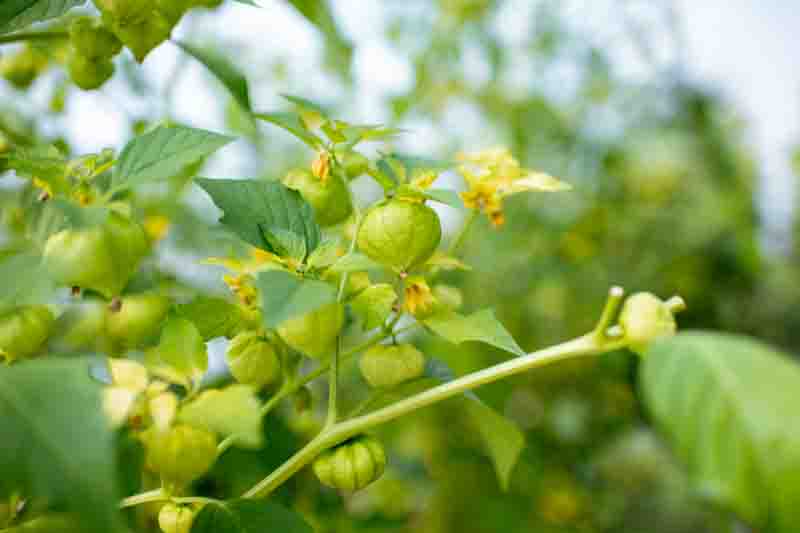
Tomatillos are warm loving annuals with branching stems, heart shaped leaves, and a charming habit of hiding fruit inside parchment like husks. As the season progresses, those husks inflate and then split, revealing smooth fruit that ranges from spring green to deep purple. The taste is tart and lively, which is why tomatillo salsa cuts through rich meats and adds brightness to tacos, eggs, and roasted vegetables.
Originating in Mexico and Central America, tomatillos have been cultivated for centuries. They thrive in heat, set well in dry summers with irrigation, and adapt to raised beds, containers, and in ground rows.
Expect a plant about knee to waist high with a similar spread. The canopy tends to sprawl without support. A tomato cage, a few vertical stakes, or a simple corral keep fruit off the soil and improve air circulation.
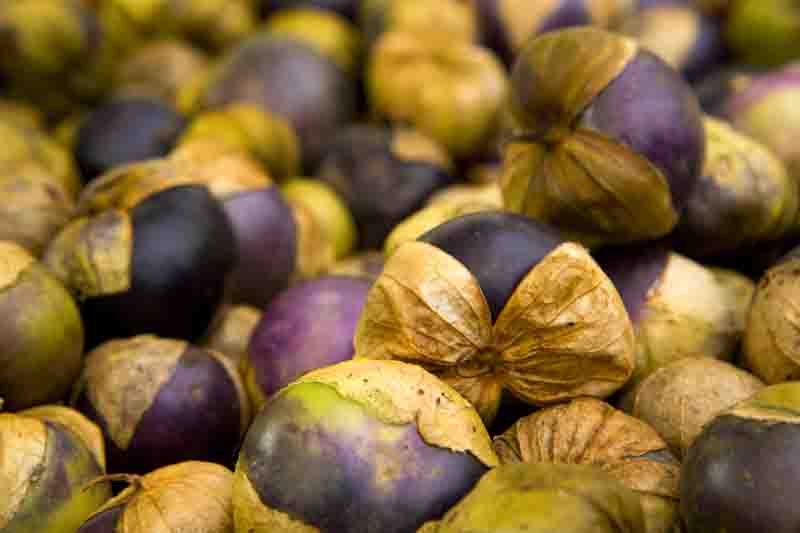
Small, starry yellow blooms appear early and keep opening through summer. Each flower becomes a husk, which fills with fruit. You are close to harvest when the husk feels like a crisp paper bag wrapped around a marble and begins to split at the seams. Green types stay bright green inside. Purple selections take on plum skin with a sweet tart edge when allowed to color fully in the sun.
| Poisonous to Humans | Yes |
|---|---|
| Poison Severity | High |
| Poison Symptoms | Headache, stomach pain, lowered temperature, dilated pupils, vomiting, diarrhea, circulatory and respiratory depression, loss of sensation. Severe cases may be fatal. |
| Poison Toxic Principle | Solanine and other solanidine alkaloids |
| Causes Contact Dermatitis | No |
| Poison Part | Flowers, fruits, leaves, stems |
This information is for educational purposes. If ingestion of non edible parts is suspected, contact a medical professional or poison control.
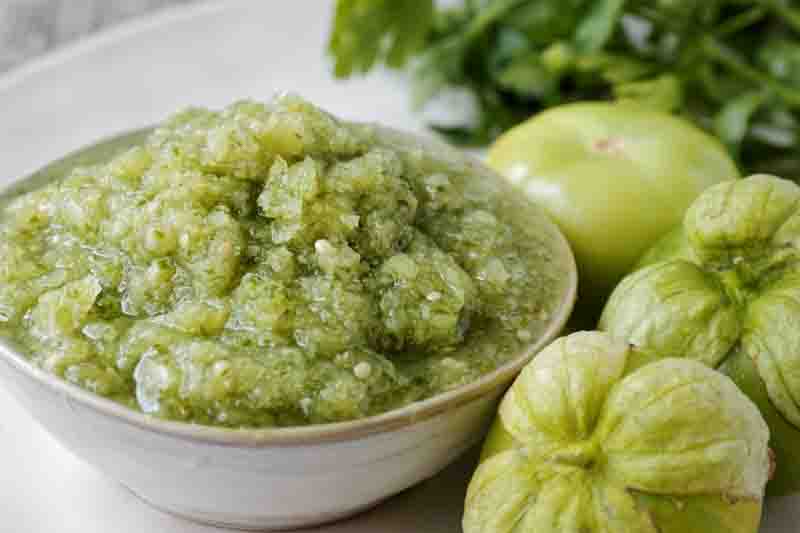
Raw fruit brings a crisp, lemony snap. Roasting deepens the flavor and adds a gentle sweetness. That is why tomatillo recipes often start with a hot sheet pan or a sizzling skillet. Blend roasted fruit with onion, garlic, and fresh chile for a smoky tomatillo sauce. Chop raw tomatillos with cilantro and lime for a bright table salsa. Add a handful to chicken soup for zip, or simmer with pork for a classic, cozy weekend stew.
| Type | Fruit | Flavor Notes | Best Uses |
|---|---|---|---|
| Standard Green | Light to medium green, 5–7.5 cm (2–3 in) | Clean citrus tang, slightly herbal | Everyday tomatillo salsa and tomatillo sauce, canning |
| Gigante | Larger fruit that fills the husk early | Meaty texture, mild tartness | Roasting, chunky salsas, grilling |
| Purple Tomatillo | Purple blush to deep plum skin | Tart with a berry like sweetness when fully ripe | Fresh eating, jams, and showy salsa bowls |
| Dwarf or Patio | Compact plants, modest clusters | Classic flavor on a smaller footprint | Containers, tight beds, balcony gardens |
For reliable harvests, grow at least two tomatillo plant varieties or two seedlings from different packets. Many gardeners find that a single plant flowers but sets little fruit. Bees are busy friends in this story. A flower rich border near the bed increases visits and improves the set.
Whether you prefer a chunky table salsa or a smooth simmered sauce, the fresh tartness is the magic. If you are canning, follow a tested recipe that accounts for acidity. Tomatillo salsa made with bottled lime juice and correct processing times is a pantry treasure that tastes like summer long after the garden sleeps.
Spread husked tomatillos, quartered onion, and a few whole jalapeños on a sheet pan.
Flip once for even coloring.
Add lime and salt. If you like a looser texture, splash in warm stock.
This base also becomes a fast tomatillo sauce for enchiladas with a quick simmer and a bit of stock.
| Issue | Likely Cause | Quick Fix |
|---|---|---|
| Husks with little fruit inside | Poor pollination or too much nitrogen | Grow two or more plants. Cut back on high nitrogen feed. |
| Sticky film on fruit | Natural sugars from the husk | Rinse in warm water. Dry before storage or roasting. |
| Plants flop and fruit touches soil | No support | Add cages or stakes early. Mulch generously. |
| Salsa tastes dull | Under salted or missing acid | Add salt and fresh lime. Consider a pinch of sugar after heavy roasting. |
Tomatillos (Physalis philadelphica) are small green or purple fruits wrapped in a papery husk. Native to Mexico, they’re a key ingredient in tomatillo salsa and tomatillo sauce. The fruit has a tart, citrusy flavor that brightens countless dishes from tacos to soups.
Tomatillos can be roasted, boiled, grilled, or sautéed. Roasting brings out sweetness and smoky depth perfect for tomatillo salsa or tomatillo sauce. Simply remove the husks, rinse off the sticky coating, and cook until soft and lightly charred before blending.
Harvest tomatillos when the husks turn light brown and start to split, usually 70–90 days after planting. The fruit should feel firm and fill out the husk completely. If picked too early, they’ll taste overly sour; too late, and the flavor dulls.
Tomatillos taste bright, tangy, and slightly herbal with a hint of lemon or green apple. When cooked, their tartness mellows into a soft, savory-sweet flavor that makes tomatillo salsa and tomatillo sauce shine.
You’ll get about 8 to 10 medium tomatillos per pound, depending on size. That’s roughly enough for a medium batch of tomatillo salsa or one pan of green enchiladas.
Remove husks, rinse, and place tomatillos on a baking sheet. Roast at 425°F (220°C) for about 15 minutes until blistered and soft. This caramelizes the surface, deepens flavor, and makes blending into tomatillo sauce effortless.
Yes, ripe tomatillos can be eaten raw once husked and rinsed. Raw tomatillos add a sharp, citrusy bite to salads, guacamole, or fresh tomatillo salsa. However, unripe or underripe fruits can taste bitter and should be cooked.
Tomatillo sauce is a vibrant green blend made from roasted tomatillos, onion, garlic, cilantro, and lime. It’s smoother than tomatillo salsa and used as a base for enchiladas, tacos, and grilled meats. The flavor is zesty, fresh, and unmistakably Mexican.
USDA NRCS PLANTS Database: Physalis philadelphica (Mexican groundcherry) — Plant Profile
University of Minnesota Extension: Growing Tomatillos and Ground Cherries in Home Gardens
Oregon State University Extension: Preserving Tomatillos
National Center for Home Food Preservation: Tomatillo Green Salsa (Tested Canning Recipe)
Updated: October 2025 • Reviewed by Garden Editors
| Hardiness |
3 - 11 |
|---|---|
| Plant Type | Annuals |
| Plant Family | Solanaceae |
| Genus | Physalis |
| Common names | Tomatillo |
| Exposure | Full Sun |
| Season of Interest | Summer (Early, Mid, Late) |
| Height | 3' - 4' (90cm - 120cm) |
| Spread | 3' - 4' (90cm - 120cm) |
| Spacing | 36" - 48" (90cm - 120cm) |
| Maintenance | Low, Average |
| Water Needs | Average |
| Soil Type | Loam, Sand |
| Soil pH | Acid, Alkaline, Neutral |
| Soil Drainage | Moist but Well-Drained, Well-Drained |
| Characteristics | Showy, Fruit & Berries |
| Tolerances | Drought |
| Attracts | Bees |
| Garden Uses | Patio And Containers |
| Garden Styles | Informal and Cottage, Pollinator Garden |
| Toxic to Humans | High severity |
| Toxic to Cats | Toxic |
| Toxic to Dogs | Toxic |
| Toxic to Horses | Toxic |


| Hardiness |
3 - 11 |
|---|---|
| Plant Type | Annuals |
| Plant Family | Solanaceae |
| Genus | Physalis |
| Common names | Tomatillo |
| Exposure | Full Sun |
| Season of Interest | Summer (Early, Mid, Late) |
| Height | 3' - 4' (90cm - 120cm) |
| Spread | 3' - 4' (90cm - 120cm) |
| Spacing | 36" - 48" (90cm - 120cm) |
| Maintenance | Low, Average |
| Water Needs | Average |
| Soil Type | Loam, Sand |
| Soil pH | Acid, Alkaline, Neutral |
| Soil Drainage | Moist but Well-Drained, Well-Drained |
| Characteristics | Showy, Fruit & Berries |
| Tolerances | Drought |
| Attracts | Bees |
| Garden Uses | Patio And Containers |
| Garden Styles | Informal and Cottage, Pollinator Garden |
| Toxic to Humans | High severity |
| Toxic to Cats | Toxic |
| Toxic to Dogs | Toxic |
| Toxic to Horses | Toxic |
How many Physalis philadelphica (Tomatillo) do I need for my garden?
| Plant | Quantity | |
|---|---|---|
| Physalis philadelphica (Tomatillo) | N/A | Buy Plants |
Create a membership account to save your garden designs and to view them on any device.
Becoming a contributing member of Gardenia is easy and can be done in just a few minutes. If you provide us with your name, email address and the payment of a modest $25 annual membership fee, you will become a full member, enabling you to design and save up to 25 of your garden design ideas.
Join now and start creating your dream garden!
Create a membership account to save your garden designs and to view them on any device.
Becoming a contributing member of Gardenia is easy and can be done in just a few minutes. If you provide us with your name, email address and the payment of a modest $25 annual membership fee, you will become a full member, enabling you to design and save up to 25 of your garden design ideas.
Join now and start creating your dream garden!