Hardiness Zone 6
Gardening in USDA Hardiness Zone 6? You’re working with one of the most versatile climates in the country. Winters dip cold enough to support classics like peonies, maples, and hydrangeas, while long, warm summers keep coneflowers, black-eyed Susans, and pollinator plants blooming for months. Lean into climate-smart choices – sun lovers where they’ll shine, shade stars tucked into cooler pockets – and your Zone 6 landscape will look lush, colorful, and effortlessly low maintenance.
Plan with Zone 6 in mind
Start with winter-hardy shrubs and reliable perennials, then layer in pollinator flowers, long-blooming favorites, and groundcovers so your yard looks lush, colorful, and surprisingly easy to care for.
- Match the light: Put full sun lovers like coneflower, black-eyed Susan, and salvia in the brightest spots, and save the east and north sides for shade champions like hostas and ferns.
- Layer the seasons: Mix early spring bloomers, summer workhorses, and fall color specialists so something always shines in your Zone 6 garden.
- Water wise: Blend drought-tolerant plants with mulch and deep, occasional watering for roots that can handle summer heat and dry spells.
- Wildlife friendly: Add nectar-rich flowers, seed heads, berries, and winter structure to support bees, butterflies, and backyard birds year-round.
Simple Zone 6 layout that works
- Use evergreen shrubs as a low, steady backdrop, then weave in flowering perennials in repeating colors for flow.
- Reserve a sunny strip for herbs, berries, or compact veggies so beauty and harvest can share the same garden bed.
- Finish with groundcovers at the front edges to tie everything together and reduce weeding.
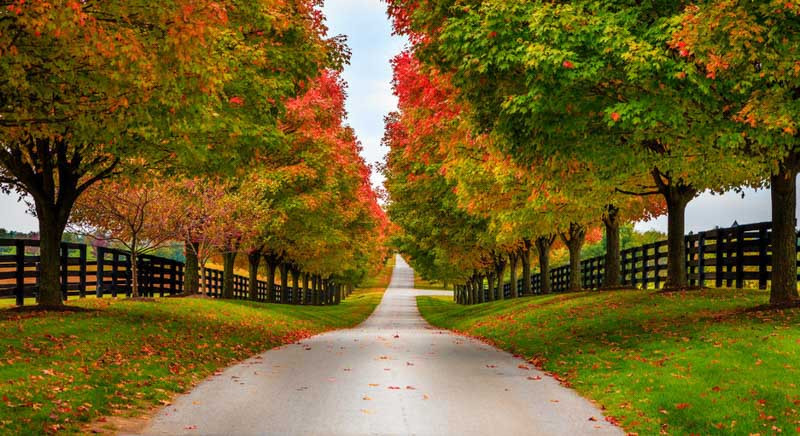
With the right Zone 6 plants and a few strategic layers, your landscape can stay vibrant from the first crocus of spring to the final blaze of autumn color – all while staying wonderfully low maintenance.