Best Drought-Tolerant Plants for Zone 6 – Top Shrubs, Perennials, and Groundcovers
Discover the best drought-tolerant plants for USDA Zone 6, from bold shrubs to pollinator-loving perennials and tough-as-nails groundcovers. These climate-ready plants thrive in heat, poor soil, and minimal watering, making them ideal for modern low-maintenance landscapes. Transform your garden into a resilient, water-wise oasis.
Best Drought-Tolerant Plants for USDA Zone 6 – Water-Wise Winners for Low-Maintenance Gardens
If you garden in USDA Hardiness Zone 6 – covering regions of the Midwest, Northeast, the Mountain West, and parts of the Mid-Atlantic — you already know what makes this zone unique: cold winters, hot summers, and increasingly unpredictable rainfall patterns. That combination means Zone 6 gardeners are turning more than ever to drought-tolerant shrubs, perennials, and groundcovers that thrive in heat and dry spells while still delivering year-round beauty.
Important reminder: Even drought-tolerant plants need regular moisture during their first growing season. Once established, they reward you with minimal maintenance, exceptional durability, and high visual impact.
Zone 6 Drought-Tolerant Quick Start
Full sun is your best friend – Most water-wise plants become tougher with more sunlight.
Improve drainage – Amend soil with gravel or sand to prevent rot in wet winters.
Water deeply but infrequently – Encourages strong, drought-resilient root systems.
Mulch wisely – Gravel or mineral mulch works best for xeric plants.
Plant native when possible – Zone 6 natives naturally thrive through heat and drought.
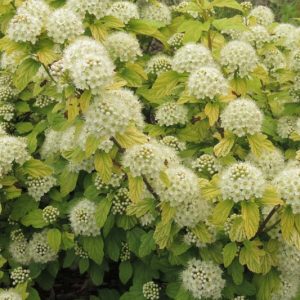
Physocarpus opulifolius is a fast-growing deciduous shrub with arching stems, frothy white spring flowers, colorful fall fruit, and peeling bark that glows in winter. Tough, drought tolerant, and wildlife-friendly, this native ninebark adds drama, texture, and year-round interest to lush hedges, mixed borders, modern naturalistic gardens and landscape designs.
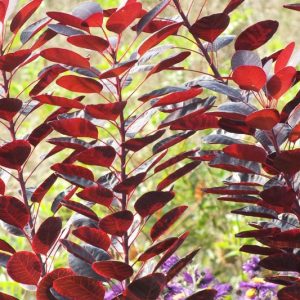
Cotinus coggygria, the beloved Smoke Tree, brings dramatic color, soft texture, and signature smoky plumes to sunny gardens. Hardy, drought-tolerant, and eye-catching from spring to fall, it excels as a specimen, hedge, or border statement shrub. A must-have for vibrant, low-maintenance landscape design.
Hardiness
4 - 8
Exposure
Full Sun, Partial Sun
Seasons
Spring (Early, Mid, Late), Summer (Early, Mid, Late), Fall
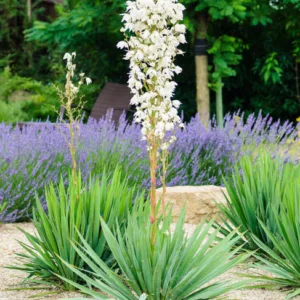
Native to the southeastern US, Yucca filamentosa (Adam’s Needle) is an ornamental evergreen shrub. It forms a basal rosette of rigid, sword-shaped leaves with curly filaments along the edges. In early to midsummer, it sends up a tall flower stalk with nodding, bell-shaped creamy white flowers. Some varieties have variegated foliage, adding year-round brightness to the garden.
Hardiness
4 - 11
Exposure
Full Sun
Seasons
Spring (Early, Mid, Late), Summer (Early, Mid, Late), Fall, Winter
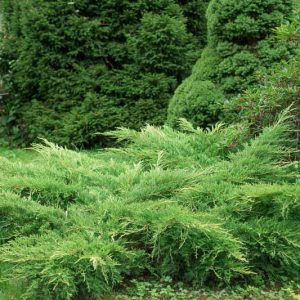
Juniperus horizontalis, known as Creeping Juniper, is a low-growing, evergreen conifer with a sprawling habit, making it an excellent ground cover. Its dense foliage varies from green to blue-green and can turn purplish in winter, adding year-round interest to landscapes, rock gardens, and coastal areas.
Hardiness
3 - 9
Exposure
Full Sun
Seasons
Spring (Early, Mid, Late), Summer (Early, Mid, Late), Fall, Winter
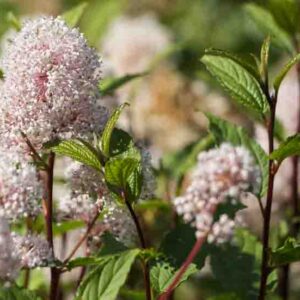
Ceanothus americanus, or New Jersey Tea, is a deciduous shrub with fragrant white flowers in spring, attracting hummingbirds, butterflies, and native bees. Its glossy green leaves may turn yellow in the fall. Dried leaves were used as a tea substitute during the American Revolution. It’s adaptable to various conditions, making it suitable for groundcover and butterfly gardens.
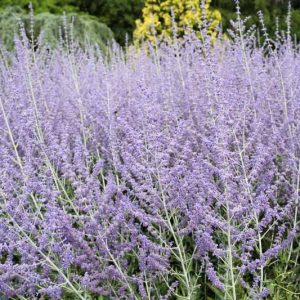
Russian Sage (Salvia yangii) is a captivating deciduous sub-shrub or perennial with silvery stems that display a delicate, airy cloud of blue to lavender flowers from mid-summer to early fall. Its tubular blossoms, arranged in whorls along the stems, are a magnet for pollinating bees and hummingbirds.
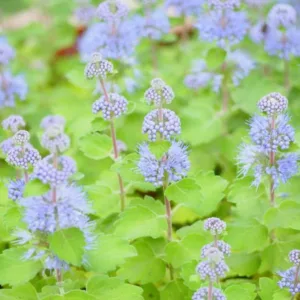
Caryopteris, known as Bluebeard, Blue Mist, or Blue Spirea, is a low-maintenance shrub renowned for its fragrant, true blue flowers blooming in late summer to fall. Attracting butterflies, hummingbirds, and beneficial insects, it offers color when most shrubs don’t. Aromatic leaves from spring to frost make it perfect for sunny gardens, small spaces, and containers. Plant multiple for a spectacular fall display.
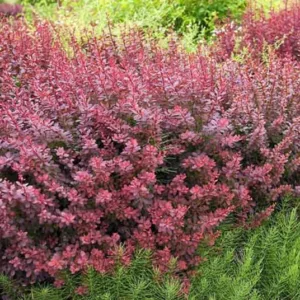
Berberis thunbergii (Japanese Barberry) is a small, deciduous shrub with gracefully arching branches adorned with spines and clusters of wedge-shaped leaves in varying shades of green to dark reddish purple. It adds vibrant color and texture to the landscape throughout the seasons, making it a stunning choice for any garden.
Hardiness
4 - 8
Exposure
Full Sun, Partial Sun, Shade
Seasons
Spring (Mid, Late), Summer (Early, Mid, Late), Fall, Winter
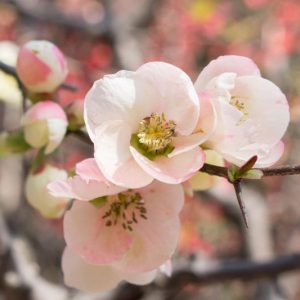
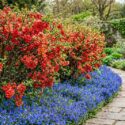
Chaenomeles, commonly known as Flowering Quince, is a deciduous shrub prized for its late winter to early spring blooms and ornamental fruits. With vibrant flowers in shades of red, pink, and white, this versatile plant adds beauty to gardens and attracts pollinators. It thrives in a variety of soil conditions and is low-maintenance.
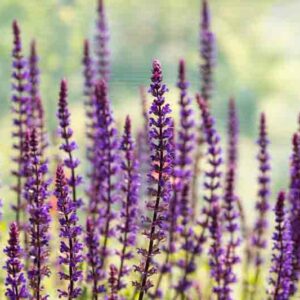
Salvia nemorosa ‘Caradonna’ is a compact, clump-forming perennial prized for its dark purple stems and violet-blue flower spikes. Blooming in late spring to early summer, it thrives in full sun and well-drained soil. Drought tolerant once established, it attracts bees, butterflies, and hummingbirds.
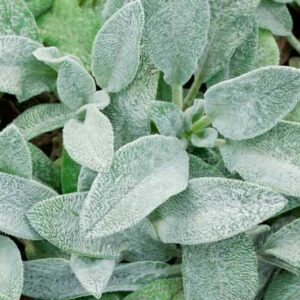
Stachys byzantina (Lamb’s Ear) is a perennial foliage plant used as a low, spreading ground cover. Its velvety, silver-gray leaves create bright mats in borders and rock gardens. In late spring to early summer, fuzzy spikes carry small pink-purple flowers, though many gardeners remove them to spotlight the foliage.
Hardiness
4 - 8
Exposure
Full Sun, Partial Sun
Seasons
Spring (Early, Mid, Late), Summer (Early, Mid, Late), Fall, Winter
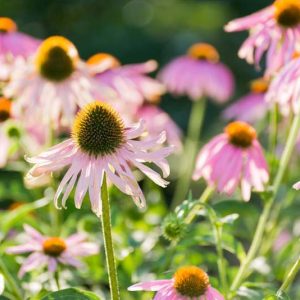
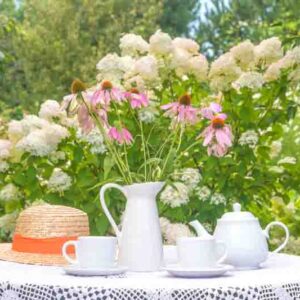
Tough as nails, Coneflowers (Echinacea) are wonderful additions to the landscape with their brightly colored blossoms to be enjoyed over a long flowering season. Simple to grow, mostly trouble-free, and thriving on neglect, they are reliable performers that are tolerant to almost everything
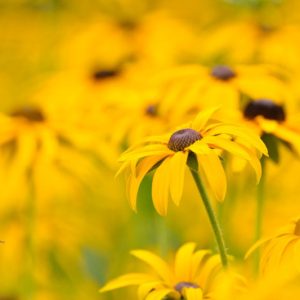
Prized for its vibrant warm hues, Rudbeckia fulgida is a stunning herbaceous perennial that adds a burst of golden yellow to the late summer garden. Adorned with prominent brown or black central cones, its profuse flowers covers the lance-shaped foliage, creating a captivating display atop sturdy stems.
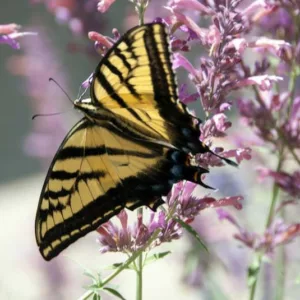
Agastache, the perfect addition to your garden, offers a delightful combination of vibrant colors, spiky texture, and aromatic foliage. These herbaceous perennials are known for their versatility, drought tolerance, and abundant blooms, making them a must-have for any garden.
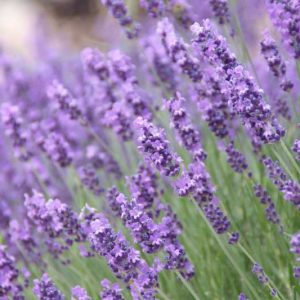
Lavandula angustifolia, commonly known as English Lavender, is a versatile and aromatic perennial herb. With its slender, gray-green leaves and spikes of fragrant purple flowers, it adds beauty and a delightful scent to gardens. It is valued for its calming properties and is used in aromatherapy, culinary applications, and as a decorative plant.
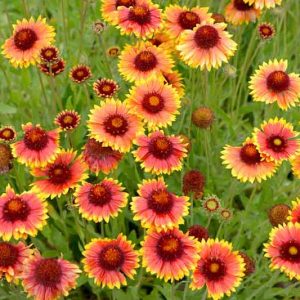
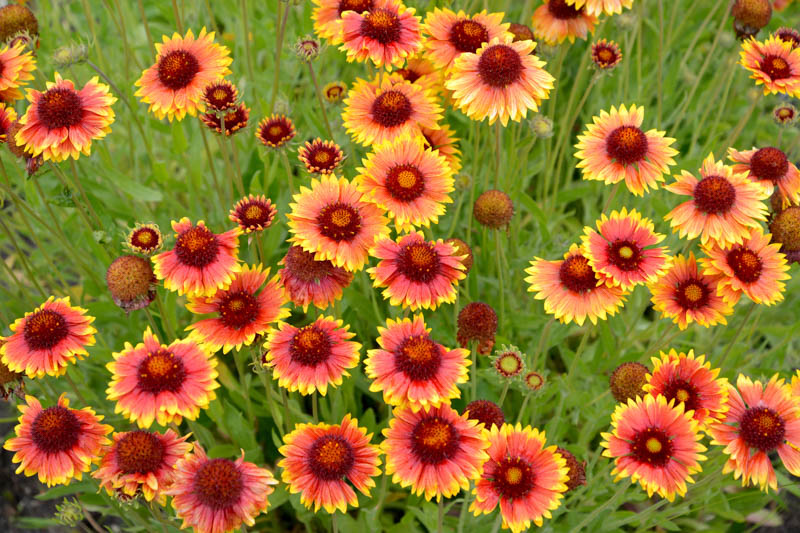
Known for their vibrant colors and ability to withstand drought, Blanket Flowers (Gaillardia) are short-lived perennials that create stunning displays of bright, single or double daisy-like flowers. These colorful blooms adorn attractive gray-green foliage, adding beauty to the garden from early summer to fall.
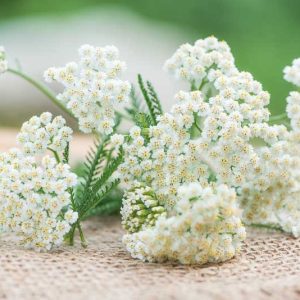
Achillea is valued for its pleasantly fragrant, feathery foliage and its long-lasting, conspicuous, flat umbel flowers. Vital ingredient of herbaceous borders or prairie plantings, Achillea blooms for weeks from late spring to late summer, in a wide range of colors
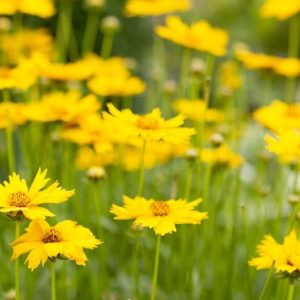
Coreopsis, also known as Tickseed, is a delightful perennial with bright and cheery daisy-like flowers that bloom profusely from summer to fall. With its vibrant colors and long-lasting blooms, Coreopsis adds a burst of sunshine to gardens and attracts butterflies, making it a favorite choice for gardeners.
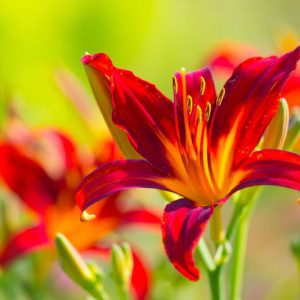
Hemerocallis, commonly known as daylilies, are hardy and versatile perennial plants that produce stunning flowers in a wide range of colors and patterns. With their long blooming season, ease of care, and ability to adapt to various growing conditions, daylilies are a popular choice for gardens and landscapes.
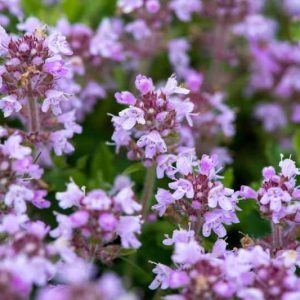
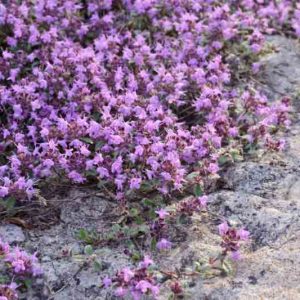
Thymus serpyllum, or Creeping Thyme, is a fragrant, mat-forming groundcover that creates a lush carpet of tiny leaves and vibrant pink or purple blooms. Perfect for rock gardens, walkways, and borders, it attracts pollinators, tolerates drought and salt, and thrives in sunny, dry conditions with minimal care.
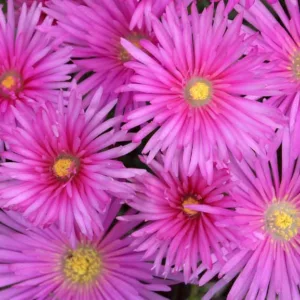
Delosperma cooperi (Ice Plant) is a vibrant, mat-forming succulent ideal for hot, dry gardens. Its deep purplish-pink, daisy-like flowers, up to 2 inches across, bloom prolifically from early summer to fall. The colorful blossoms cover the light green foliage, making it perfect for ground cover or rock gardens with year-round interest.
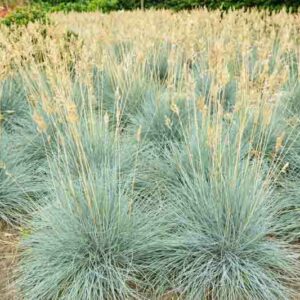
Festuca glauca ‘Elijah Blue’ is a compact, clump-forming semi-evergreen ornamental grass prized for vivid silver-blue foliage. In summer, slender flower plumes rise above the neat mound and fade to tan. It thrives in full sun and well-drained soil, is drought tolerant once established, and shines in borders, edging, ground cover, or containers.
Hardiness
4 - 8
Exposure
Full Sun
Seasons
Spring (Early, Mid, Late), Summer (Early, Mid, Late), Fall, Winter
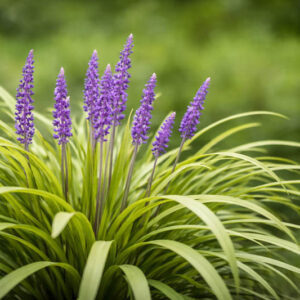
Liriope muscari, or Blue Lily Turf, is a durable, evergreen ground cover loved for its arching foliage, late-summer purple blooms, and adaptability to sun or shade. Ideal for borders, slopes, tree rings, and low-maintenance landscapes, Liriope thrives where other plants struggle and offers year-round beauty with minimal care.
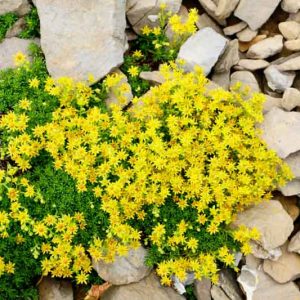
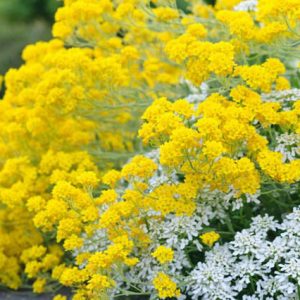
Sedum acre is a tough, drought-loving evergreen succulent perennial that forms a glowing, golden-green mossy carpet. Tiny starry yellow flowers sparkle above the foliage all summer, buzzing with pollinators. Fast spreading yet easy to control, this sun-loving groundcover is perfect for rock gardens, wall crevices, lean soils, containers and paths.
Hardiness
3 - 8
Exposure
Full Sun
Seasons
Spring (Early, Mid, Late), Summer (Early, Mid, Late), Fall, Winter
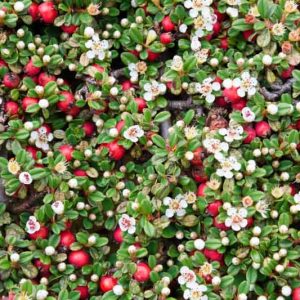
A robust and evergreen shrub, Cotoneaster dammeri (Bearberry Cotoneaster) features cascading stems adorned with glossy, rounded, dark green leaves. The foliage transitions to reddish-bronze or purplish hues in winter before regaining its green color in spring. Delicate white flowers with purple anthers appear in late spring, followed by vibrant red berries that persist into winter, providing food for wildlife.
Hardiness
5 - 8
Exposure
Full Sun, Partial Sun
Seasons
Spring (Early, Mid, Late), Summer (Early, Mid, Late), Fall, Winter
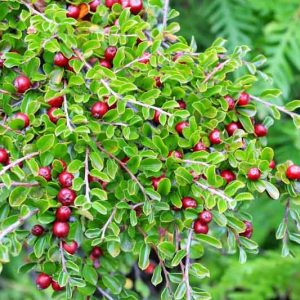
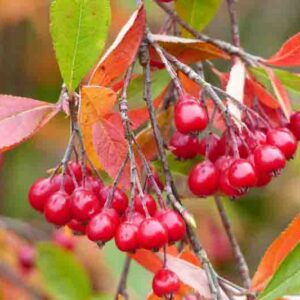
Noted for its handsome foliage and large, lustrous red fruit, Cotoneaster adpressus (Creeping Cotoneaster) is a dense, prostrate, deciduous shrub with stiff branches studded with small, rounded, wavy-edge, dark green leaves. The foliage turns reddish purple in fall. Small white flowers tinged with pink are produced in late spring. They are followed by brilliant berries which ripen to bright red in late summer to fall, and persist into winter.
Hardiness
4 - 8
Exposure
Full Sun, Partial Sun
Seasons
Spring (Early, Mid, Late), Summer (Early, Mid, Late), Fall, Winter
Woolly Thyme (Thymus pseudolanuginosus) forms a dense, fuzzy mat of silvery-gray leaves, soft to the touch and irresistibly tactile. Ideal for rock gardens, paths, and sunny borders, it tolerates drought, foot traffic, and poor soil. Though not culinary, its charming texture and resilience make it a standout groundcover.
Hardiness
4 - 9
Exposure
Full Sun
Seasons
Spring (Early, Mid, Late), Summer (Early, Mid, Late), Fall, Winter
Don’t underestimate the beauty of Basket-of-Gold (Aurinia saxatilis)! This delightful, low-growing perennial will captivate your garden with its abundant golden-yellow flowers, shining brightly for 4 to 6 weeks in spring. Its gray-green foliage provides a lovely contrast, making it perfect for rock gardens or cascading over raised beds. Even after flowering, this popular plant retains its attractive appearance and serves as a charming ground cover.
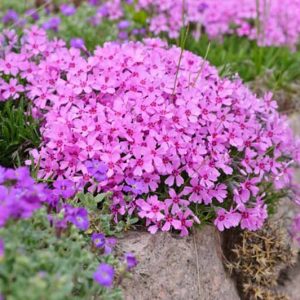
Phlox subulata, commonly known as Creeping Phlox or Moss Phlox, is a low-growing, evergreen perennial. With its dense mat of needle-like leaves, it produces an impressive display of small, colorful flowers in spring. Available in various shades including pink, purple, and white, it adds beauty and charm to rock gardens and borders.
Zone 6 offers a long growing season, but gardeners must navigate summer heat waves, periodic droughts, and soil variability. Many drought-tolerant plants succeed here because they possess natural adaptations such as:
Deep taproots – Reach moisture even during extended dry periods.
Silvery, narrow, or aromatic foliage – Reduces evaporation and deters pests.
Succulent or waxy leaves – Stores water efficiently.
Bloom cycles triggered by heat – Peak color when other plants fade.
Extreme cold-hardiness paired with drought tolerance – Perfect for Zone 6’s four-season climate.
Choosing drought-adapted plants means fewer replacements, lower water bills, and landscapes that look stunning even during high-heat, low-rain summers.
Provide breathing room – Spacing reduces humidity and root competition.
Bottom line: Healthy soil structure and smart irrigation during establishment are the key ingredients for a nearly self-sustaining, drought-smart garden.
Simple Zone 6 Xeric Garden Design Ideas
The Heat-Hardy Hillside
Pair ninebark, smoke bush, and sedums for a sunbaked slope that thrives with minimal watering.
Pollinator Magnet Border
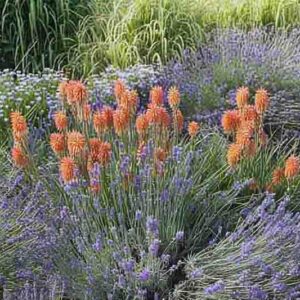
Combine echinacea, agastache, black-eyed Susan, and lavender to create a low-water pollinator paradise buzzing from midsummer to fall.
Evergreen Low-Water Foundation Bed
Use yucca, juniper, and Caryopteris for a crisp, architectural, year-round focal point.
How to Plant and Care for Drought-Tolerant Plants in Zone 6
Loosen the soil deeply – Encourages drought resilience.
Avoid heavy fertilizers – Promote stronger, more natural growth.
Water deeply during establishment – Then gradually taper off.
Use mineral mulch – Reduces rot and protects crowns.
Group by water needs – Makes irrigation simple and efficient.
What are the best drought-tolerant plants for Zone 6?
The best drought-tolerant plants for Zone 6 include ninebark, juniper, yucca, echinacea, lavender, rudbeckia, creeping thyme, sedum, and ice plant. These thrive in heat, poor soil, and low-water conditions once established.
Do drought-tolerant plants still need watering?
Yes. All drought-tolerant plants require consistent watering during their first season. After they develop deep roots, they thrive with minimal irrigation.
What soil is best for drought-tolerant plants?
Drought-tolerant plants prefer well-drained soil — often sandy, gravelly, or rocky. Poor drainage is more harmful than drought for most xeric species.
Can drought-tolerant plants be mixed with regular plants?
Yes, but only when grouped by similar water needs. Xeric plants dislike frequent irrigation, while moisture-loving plants require regular watering.
Are native plants better for drought resistance?
Often yes. Many Zone 6 native plants evolved to withstand heat, drought, and poor soil, making them reliable, low-maintenance choices.
How long does it take drought-tolerant plants to establish?
Most perennials take one season to root in; shrubs may take up to two years before reaching full drought tolerance.
Updated: December 2025 • Reviewed by Gardenia Editors
Best Deer-Resistant Plants for Zone 6: Shrubs, Perennials & Groundcovers
Read More
Shutterstock
While every effort has been made to describe these plants accurately, please keep in mind that height, bloom time, and color may differ in various climates. The description of these plants has been written based on numerous outside resources.
Create a membership account to save your garden designs and to view them on any device.
Becoming a contributing member of Gardenia is easy and can be done in just a few minutes. If you
provide us with your name, email address and the payment of a modest $25 annual membership fee,
you will become a full member, enabling you to design and save up to 25 of your garden design
ideas.
Create a membership account to save your garden designs and to view them on any device.
Becoming a contributing member of Gardenia is easy and can be done in just a few minutes. If you
provide us with your name, email address and the payment of a modest $25 annual membership fee,
you will become a full member, enabling you to design and save up to 25 of your garden design
ideas.