Hardiness Zone 9 - Plants
USDA Hardiness Zone 9 has average annual minimum winter temperatures of 20°F to 30°F (-6.7°C to -1.1°C). Its mild winters and long growing season support an exceptional range of trees, shrubs, perennials, and warm-season flowers.
What grows well in USDA Zone 9?
Zone 9 supports a remarkably diverse plant palette. Depending on your region, you may be able to grow Mediterranean plants, subtropical shrubs, flowering trees, drought-tolerant perennials, citrus, and many plants that are too tender for colder zones.
Zone 9 includes very different climates, from humid southeastern landscapes to dry western gardens, so hardiness should always be considered alongside local growing conditions.
Best trees and shrubs for Zone 9
Trees and shrubs provide shade, screening, flowers, fruit, and year-round structure.
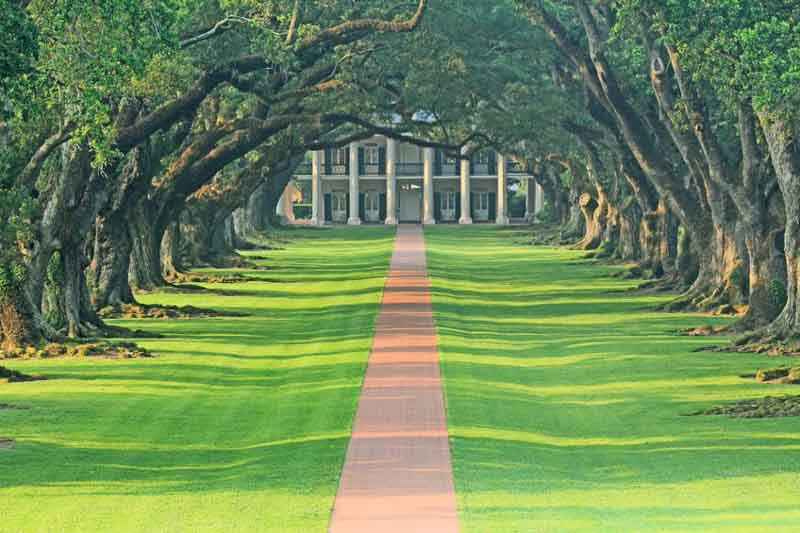
- Trees: Silver Wattle (Acacia dealbata), Pineapple Guava (Acca sellowiana), Crape Myrtle (Lagerstroemia spp.), Live Oak (Quercus virginiana), and Olive (Olea europaea) where climate and site conditions are suitable.
- Shrubs: Oleander (Nerium oleander), Bottlebrush, Camellia, and Hibiscus.
Best perennials and flowers for Zone 9
Zone 9’s long growing season allows gardeners to enjoy extended color and a broad range of heat-loving plants.
- Perennials: Mexican Bush Sage (Salvia leucantha), Kangaroo Paw (Anigozanthos spp.), Daylily (Hemerocallis spp.), Lavender, Rosemary, and Agapanthus.
- Warm-season flowers: Zinnia (Zinnia elegans), Madagascar Periwinkle (Catharanthus roseus), and Angelonia (Angelonia angustifolia).
Choose plants for your part of Zone 9
A Zone 9 rating tells you that a plant can generally tolerate typical winter minimum temperatures in the zone. It does not tell you whether the plant will thrive in your summer heat, humidity, drought, rainfall, or soil conditions.
Native plants suited to your region can be especially valuable because they are adapted to local conditions and may support native pollinators, butterflies, birds, and other wildlife.
Look beyond winter hardiness
Before planting, compare each plant’s requirements for sunlight, soil, drainage, water, heat, humidity, and mature size with the conditions in your garden.
In hot or dry areas, drought-tolerant plants and efficient irrigation can reduce water demand. In humid regions, good air circulation and drainage may be equally important.