Cassava, Manioc, Yuca, Bitter Cassava, Sweet Cassava, Tapioca, Brazilian Arrowroot, Para Arrowroot, Rio Arrowroot, Macaxeira, Mandioca, Aipim, Singkong, Ubi Kayu, Ketela Pohon, Kamoteng Kahoy, Balanghoy, Gbaguda, Imidaka, Eyabya, Janipha aipi, Janipha manihot, Jatropha aipi, Jatropha manihot, Manihot utilissima.
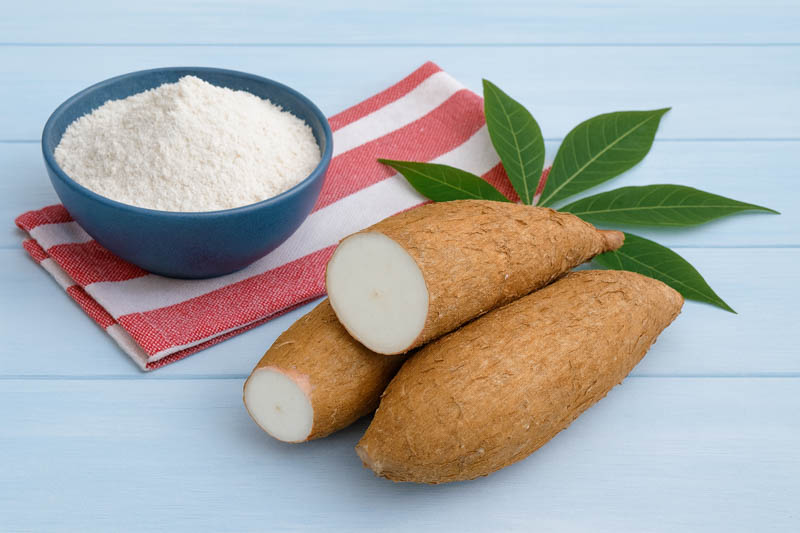
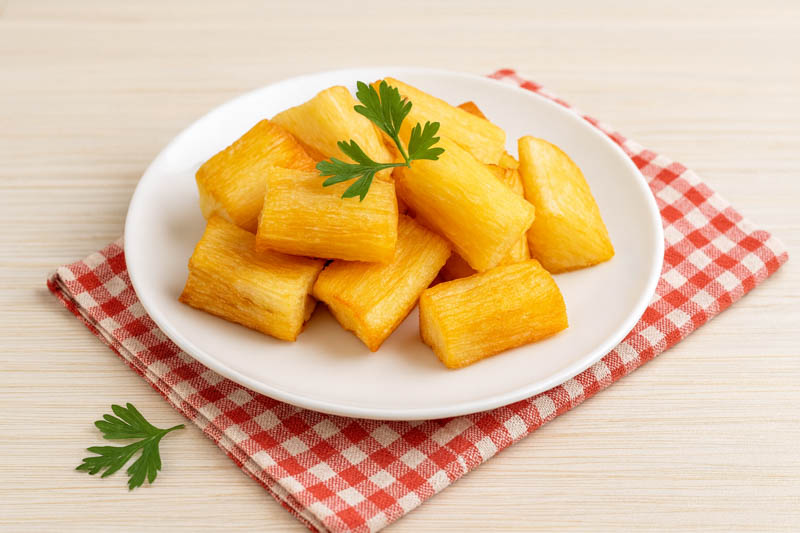
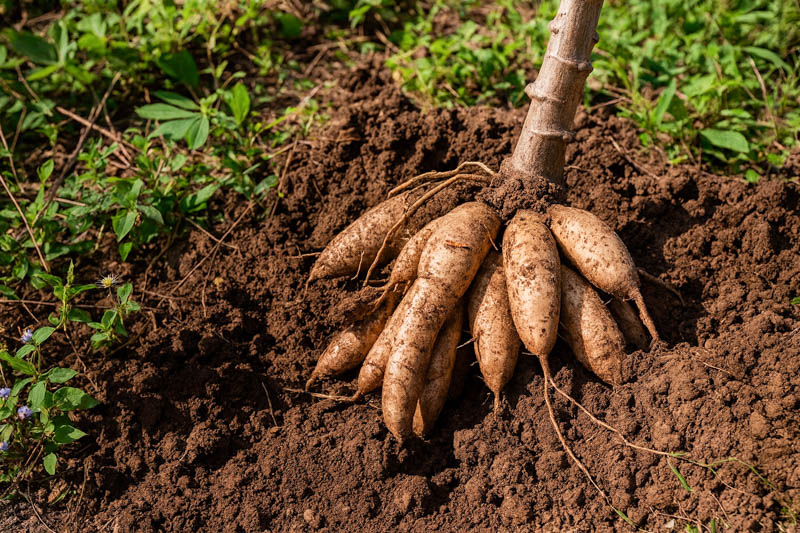
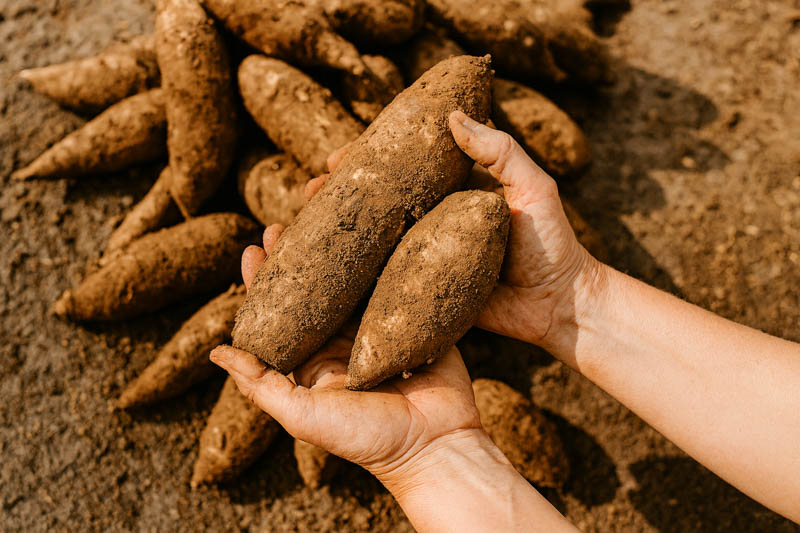
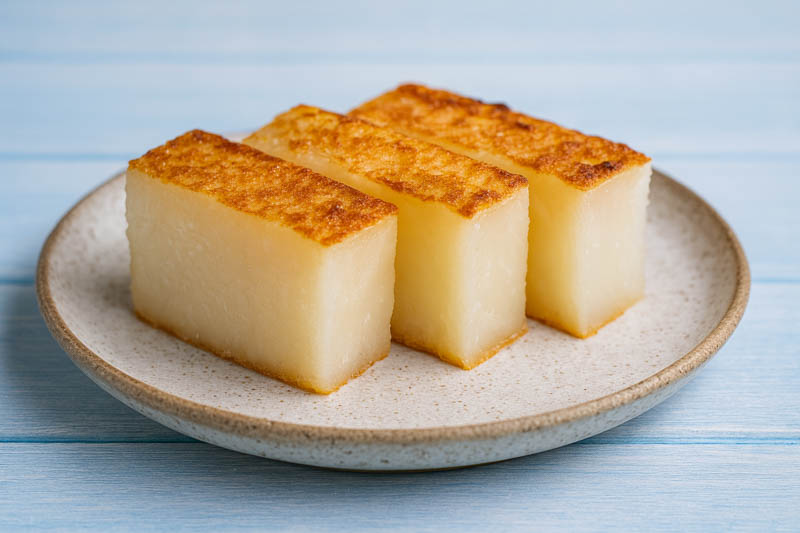
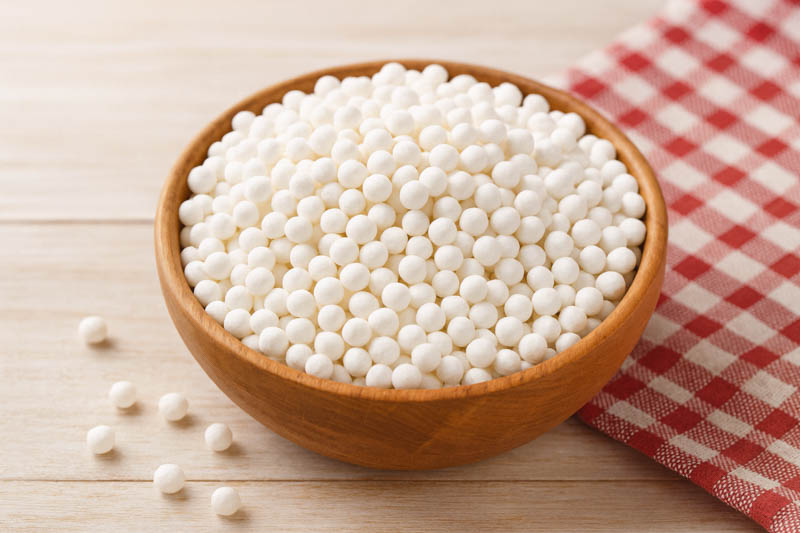



Summary: A drought-tough, starchy root crop native to tropical South America and now grown across Africa, Asia, and the tropics. The swollen root becomes flour, tapioca, bread, cakes, chips, and fries; the tender leaf is a protein-rich vegetable in many cuisines.
Use: Boiled, steamed, fried, fermented (gari, fufu), baked (pão de queijo with tapioca), desserts (cassava cake), and gluten-free baking (cassava flour).
Safety: Never eat raw roots or leaves. Proper peeling, soaking/fermenting, and thorough cooking remove natural cyanogenic compounds.
| Botanical Name | Manihot esculenta Crantz |
|---|---|
| Family | Euphorbiaceae (Spurge family) |
| Common Names | Cassava, Yuca, Manioc, Mandioca, Tapioca (starch) |
| Native Range | Tropical South America; spread worldwide to the humid and sub-humid tropics |
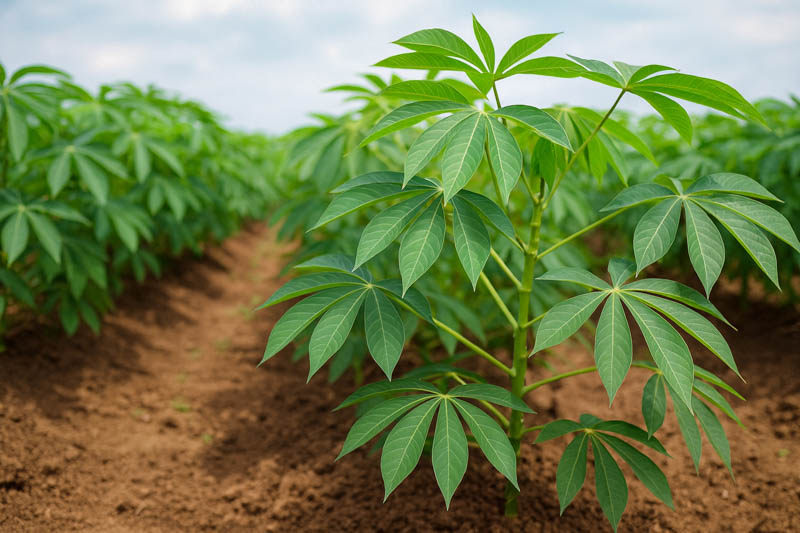
| Plant Type & Habit | Perennial shrub grown as an annual for storage roots; vigorous, upright, branching |
| Hardiness (USDA) | 10–12 outdoors; can be grown as a warm-season annual or in containers in 9b if you have 8–12 frost-free months. |
| Size | 6–10 ft (1.8–3 m); roots 1–3 ft long (30–90 cm) depending on cultivar and season length |
| Sun & Exposure | Full sun; warmth speeds growth and starch fill |
| Soil | Light, well-drained sandy loam; pH 4.0–8.0; tolerates poor soils better than most crops |
| Water | Moderate; drought-tolerant after establishment but yields more with regular moisture |
| Toxicity | Raw roots and leaves contain cyanogenic glycosides; process and cook thoroughly before eating |
| Primary Uses | Food starch (tapioca), cassava flour, animal feed, industrial starch; edible leaves (well-cooked) |
Curious about what is cassava and why it shows up as fries, chips, breads, and even pearls in your milk tea? Meet the cassava plant: a resilient tropical shrub whose underground storage organs power more than 500 million people’s daily calories. From street-side cassava chips to airy pão de queijo (Brazilian cheese rolls made with tapioca), cassava travels effortlessly from homestyle comfort to modern gluten-free baking.
For many communities, cassava isn’t just a side dish—it’s a climate-smart safety net. It tolerates poor soils and erratic rains, stores underground until needed, and transforms into products that travel well. That resilience is why you’ll see cassava chips at a city kiosk, cassava cake at a family party, and a field of cassava plants anchoring food security in the rural tropics—all at once.
Cassava is a starchy root crop native to the Amazon basin. Over centuries it spread with Indigenous knowledge and trade to Africa and Asia, where it thrives in hot, humid or seasonally dry climates and marginal soils. The crop’s superpower is stability: even in drought, the cassava plant keeps filling its roots with starch, a vital food security trait.
Because cassava is naturally gluten-free, its products – flour, tapioca starch, and shredded dried root—anchor countless recipes for those avoiding wheat. But there’s a catch: raw cassava contains cyanogenic compounds (linamarin, lotaustralin). Traditional processing methods (peeling, grating, soaking/fermenting, pressing, drying, thorough cooking) convert them to harmless vapors or wash them away. Respect the process and cassava is safe, delicious, and versatile.
Before cassava flour, bread, chips, fries, or a custardy cassava cake ever happen, there’s a resilient shrub doing the heavy lifting. Here’s what the cassava plant (Manihot esculenta) looks like, how it grows, and how to recognize it in the field.
This plant is a member of the spurge family (Euphorbiaceae) – the same group as poinsettia, croton, crown of thorns, castor bean plant, chenille plant or copperleaf.
Also called yuca, manioc, mandioca, and (for its starch) tapioca. Botanical synonyms you may encounter include Manihot utilissima, Manihot aipi, and older combinations like Janipha manihot. Same crop, same cassava plant.
Why this matters: Knowing the plant helps you diagnose issues (leaf pests vs. root rot), choose the right processing (root vs. leaf), and make smarter choices about when to harvest and how to turn the cassava root into safe, delicious staples—from cassava bread to bouncy tapioca pearls.
Tip: In recipes, cassava flour and tapioca starch are not 1:1 interchangeable. Cassava flour behaves more like a grain flour (still gluten-free), while tapioca is pure starch that lends gloss and chew.
Cassava is a calorie-dense staple: mostly complex carbohydrates (starch), naturally gluten-free, and low in fat and protein. That’s why many traditional meals pair it with legumes, fish, meat, or leafy greens for balance.
The cassava root is a culinary chameleon. Here are the greatest hits you’ll see worldwide:
And yes—the tapioca plant you hear about in bubble tea shops is simply cassava. Those shiny boba pearls are tapioca starch rolled into spheres, then cooked until buoyant and chewy.
From here, mash with garlic and olive oil, pan-fry to crisp edges, or drop into soups/stews.
Combine grated thawed cassava, coconut milk, sweetener, and a pinch of salt; bake until set with a lightly caramelized top. Serve small—deceptively rich!
For silky sauces and puddings, spoon in tapioca starch (slurry first) for gloss and body. For tortillas or flatbreads, cassava flour kneads into pliable doughs that stay tender after cooling.
Got a long, warm season? You can grow cassava like a low-maintenance, sun-loving shrub.
Cassava’s toughness is legendary, but pests and diseases still visit. Scout early and act gently first.
Cassava is a tropical shrub grown for its starchy underground roots and edible leaves. The roots become flour, tapioca starch, and countless dishes—from chips and fries to fermented staples and cassava bread. Always peel and cook thoroughly before eating.
It’s a reliable source of complex carbohydrates and naturally gluten-free. Pair roots with protein-rich foods and vegetables for balance. Well-cooked cassava leaf adds protein and micronutrients.
Peel thickly, then cook thoroughly. For grated and fermented products (gari, attiéké), follow traditional methods: grate, soak/ferment, press or dry, then cook. Never eat raw cassava root or raw leaves.
Cassava flour is the whole peeled root dried and milled; it works like a gluten-free flour in tortillas, cakes, and cookies. Tapioca is the purified starch—great for thickening, chewy breads like Brazilian pão de queijo, and boba pearls.
Yes—use a large, well-drained container in full sun and warm conditions (USDA 9b–12). Expect smaller yields; harvest 10–12 months after planting.
Yes—when thoroughly boiled (often twice, discarding the water) and then seasoned. Never eat them raw.
Undercooking, skipping peeling, or trying to use raw grated cassava without soaking/fermenting are the big ones. For fries and chips, parboil first for creamy interiors and crisp edges.
Cassava flour is made by peeling the cassava root, then drying and milling the whole root into a fine, gluten-free flour. Because it includes the root’s natural fiber and starch, it behaves more like a grain flour than tapioca starch does. It’s useful for tortillas, flatbreads, brownies, and some sandwich-style loaves. Brands vary in absorbency, so start with the recipe’s liquid and adjust. Commercial products are produced from properly processed roots; raw root should never be eaten.
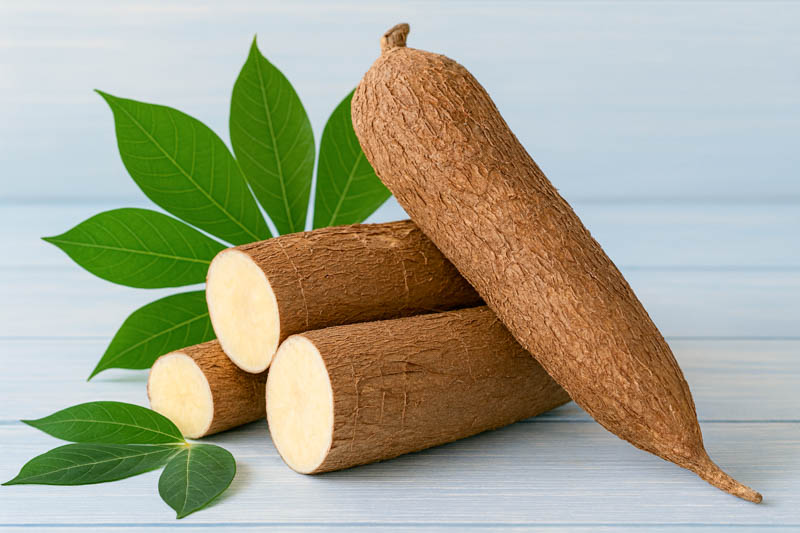
Cassava root is the starchy storage organ of the cassava plant (Manihot esculenta). Roots grow in clusters beneath a semi-woody shrub and have a thin brown peel over white, high-starch flesh. After peeling and thorough cooking, the root becomes a staple food used for boiling, frying (fries, chips), fermenting (gari, fufu), and for making cassava flour and tapioca starch. Never eat it raw; traditional processing removes natural cyanogenic compounds.
Yuca is cassava (Manihot esculenta), the tropical root crop used for cassava flour, tapioca, cassava chips, etc. Yucca is a different desert genus (Asparagaceae) grown as an ornamental—its roots aren’t the cassava root used for food.
No. “Tapioca plant” is a common name for the cassava plant. Tapioca is the purified starch extracted from the cassava root—used for pearls, puddings, and pão de queijo.
Cassava is the quiet shape-shifter of the food world: a hardy shrub that turns into comfort food, street snacks, and gluten-free staples. Handle it right—peel, soak or ferment when called for, and cook thoroughly—and it rewards you with creamy cassava fries, crisp cassava chips, custardy cassava cake, chewy tapioca treats, and reliable cassava bread. Whether you’re a gardener trialing a few cuttings or a cook stocking cassava flour and tapioca for weeknight magic, this global root has a place in your pantry—and on your plate.
Updated: September 2025 • Reviewed by Gardenia Editors
| Hardiness |
10 - 12 |
|---|---|
| Plant Type | Shrubs, Trees |
| Plant Family | Euphorbiaceae |
| Common names | Cassava |
| Exposure | Full Sun, Partial Sun |
| Season of Interest | Spring (Early, Mid, Late), Summer (Early, Mid, Late), Fall, Winter |
| Height | 6' - 10' (180cm - 3m) |
| Spread | 6' - 10' (180cm - 3m) |
| Spacing | 72" - 120" (180cm - 3m) |
| Maintenance | Average |
| Water Needs | Average |
| Soil Type | Clay, Loam, Sand |
| Soil pH | Acid, Alkaline, Neutral |
| Soil Drainage | Moist but Well-Drained, Well-Drained |
| Characteristics | Showy, Evergreen |
| Tolerance | Drought, Clay Soil, Deer, Rabbit |
| Garden Uses | Patio And Containers |


| Hardiness |
10 - 12 |
|---|---|
| Plant Type | Shrubs, Trees |
| Plant Family | Euphorbiaceae |
| Common names | Cassava |
| Exposure | Full Sun, Partial Sun |
| Season of Interest | Spring (Early, Mid, Late), Summer (Early, Mid, Late), Fall, Winter |
| Height | 6' - 10' (180cm - 3m) |
| Spread | 6' - 10' (180cm - 3m) |
| Spacing | 72" - 120" (180cm - 3m) |
| Maintenance | Average |
| Water Needs | Average |
| Soil Type | Clay, Loam, Sand |
| Soil pH | Acid, Alkaline, Neutral |
| Soil Drainage | Moist but Well-Drained, Well-Drained |
| Characteristics | Showy, Evergreen |
| Tolerance | Drought, Clay Soil, Deer, Rabbit |
| Garden Uses | Patio And Containers |
How many Manihot esculenta (Cassava) do I need for my garden?
| Plant | Quantity | |
|---|---|---|
| Manihot esculenta (Cassava) | N/A | Buy Plants |
Create a membership account to save your garden designs and to view them on any device.
Becoming a contributing member of Gardenia is easy and can be done in just a few minutes. If you provide us with your name, email address and the payment of a modest $25 annual membership fee, you will become a full member, enabling you to design and save up to 25 of your garden design ideas.
Join now and start creating your dream garden!
Create a membership account to save your garden designs and to view them on any device.
Becoming a contributing member of Gardenia is easy and can be done in just a few minutes. If you provide us with your name, email address and the payment of a modest $25 annual membership fee, you will become a full member, enabling you to design and save up to 25 of your garden design ideas.
Join now and start creating your dream garden!