Botrytis bunch rot is a major fungal disease affecting grapevines, particularly wine and table grape varieties. Caused by Botrytis cinerea, it infects grape clusters and berries during humid conditions. Growers recognize it by gray mold and collapsing fruit. Understanding symptoms, prevention, and vineyard management is essential for protecting grape harvest quality.
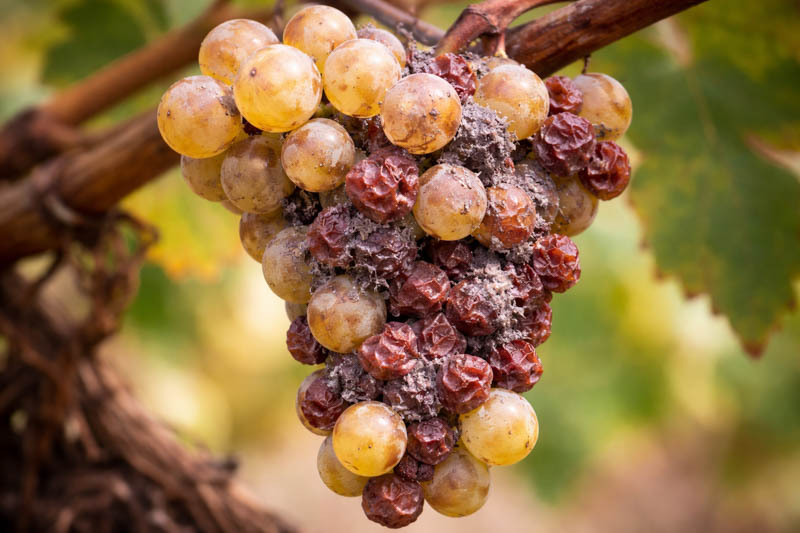


Botrytis bunch rot, also called gray mold of grapes, is one of the most important fungal diseases of grape clusters. It is caused by Botrytis cinerea, a widespread pathogen that infects grape flowers, ripening berries, cluster stems, and wounded fruit. In vineyards, the disease is feared because it can reduce yield, ruin fruit quality, and spread quickly when clusters stay wet.
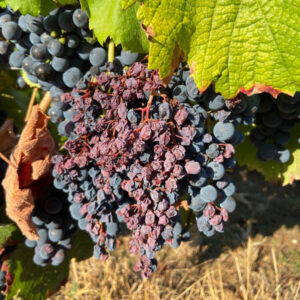
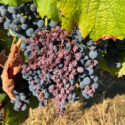
Growers usually recognize Botrytis bunch rot by its classic combination of soft brown berries, berry collapse, and gray fuzzy fungal growth on infected fruit. In white cultivars, berries often turn brown; in red or black cultivars, they may first appear reddish before the gray mold becomes obvious. As the disease advances, berries shrivel, leak juice, and rot can spread rapidly from berry to berry within tight clusters.
Botrytis bunch rot is especially damaging close to harvest. In table grapes, infected fruit becomes unmarketable. In wine grapes, the disease can reduce usable yield and interfere with wine quality, fermentation, and aroma. Under very specific weather patterns, however, Botrytis cinerea can also produce the desirable form known as noble rot, which is used in certain dessert wines. Outside those controlled situations, Botrytis is a destructive disease, not a benefit.
Botrytis bunch rot occurs in grape-growing regions around the world and is most damaging where vines experience persistent moisture. Vineyards are at the highest risk when the weather includes frequent rain, fog, dew, or long periods of cluster wetness, especially during bloom, veraison, and the weeks before harvest.
The disease is favored by humid, wet conditions with mild to moderate temperatures, but canopy structure is just as important as climate. Dense vine growth, shaded fruit zones, and poor airflow slow drying and create a microclimate that favors infection. Tight-clustered cultivars are especially vulnerable because berries stay pressed together, trap moisture, and allow rot to spread quickly once infection begins.
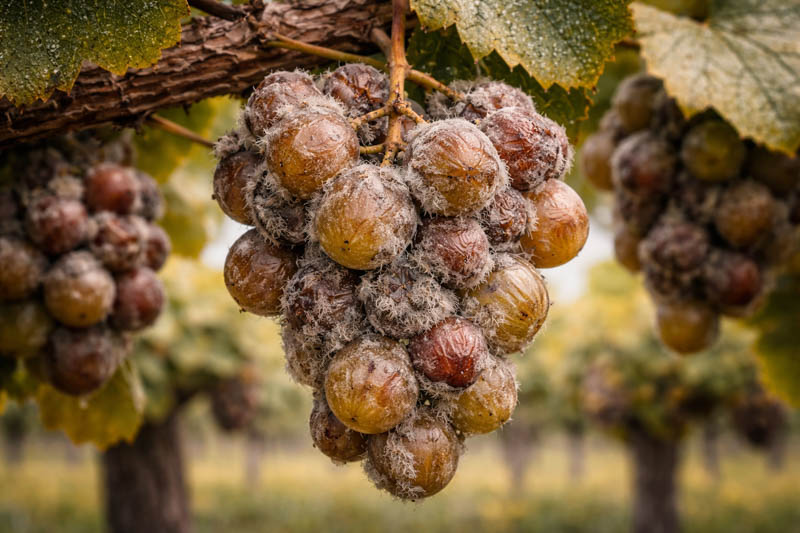
Botrytis bunch rot is caused by the fungus Botrytis cinerea. This pathogen survives between seasons on infected plant tissue, mummified berries, pruning debris, and other dead organic matter. When conditions turn favorable, it produces spores that spread by wind and rain splash and infect grape tissues ranging from flowers to ripening fruit.
One reason Botrytis is so difficult to manage is that infection can begin early in the season. Flower parts and young berries may become infected during bloom, and the fungus can remain latent inside berry tissue until fruit ripening. Later, as sugar levels rise and berries soften, the disease can suddenly flare up near harvest, especially if clusters are wet or damaged.
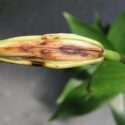
In addition to bunch rot, Botrytis can also cause shoot blight and early-season flower cluster infections under prolonged moist conditions. Wounds from birds, insects, hail, splitting, or rough handling make berries even more vulnerable because the fungus can invade injured tissue quickly.
Why Grapes Split Before Harvest – Causes and Prevention
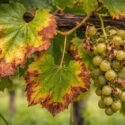
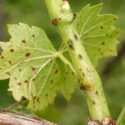
Botrytis cinerea does not always look the same in the vineyard. The disease can appear in several forms depending on timing, moisture, and berry ripeness.
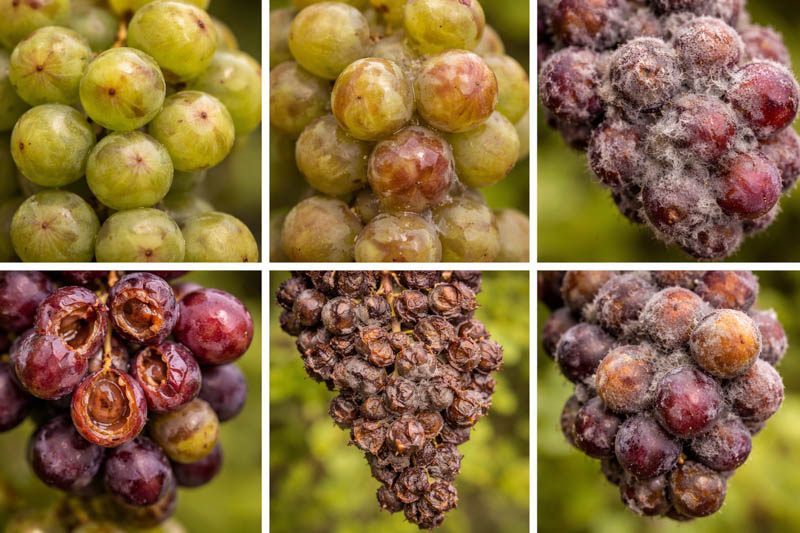
Botrytis bunch rot symptoms depend on when infection starts and how wet the vineyard remains, but several warning signs are especially common. The disease is most obvious on ripening fruit, though early infections may begin long before symptoms are visible.
In severe outbreaks, entire grape clusters may rot. Disease pressure is usually worst in the dampest, most crowded parts of the canopy. Tight clusters are especially susceptible because infected berries touch neighboring berries, helping rot move quickly through the bunch.
The best Botrytis bunch rot control program combines canopy management, sanitation, wound prevention, and timely fungicides. No single tactic is enough in a high-risk vineyard because the pathogen infects at multiple stages and survives well between seasons.
Variety and cluster architecture matter too. Loose-cluster cultivars are generally less prone to bunch rot than tight-clustered varieties. There are no truly immune grape cultivars, but choosing less susceptible cultivars where possible can reduce pressure, especially in humid regions.
Infected berries do not recover. Once grape berries soften, collapse, or develop gray mold, the damaged fruit is lost. However, if disease is detected early, growers can still protect the remaining crop by removing infected clusters, improving ventilation, and adjusting harvest timing. The goal is usually to limit spread, not to heal infected berries.
Botrytis bunch rot spreads mainly through airborne spores and rain splash. The fungus also survives on infected berries, dead tissue, pruning debris, and other organic residue, creating new inoculum for the next infection cycle. Spread becomes faster when fruit is wounded, clusters stay wet, and canopies remain dense.
Botrytis prevention begins with vineyard design and season-long canopy care. Favor open canopies, good vine spacing, balanced vigor, and fruit zones that dry quickly after rain or dew. Combine sanitation, careful monitoring, pest control, and timely fungicide protection in vineyards with a history of bunch rot. In practice, prevention is far more effective than trying to contain a severe outbreak close to harvest.
Bottom line: Botrytis bunch rot is a major grape disease caused by Botrytis cinerea. It thrives in wet, humid, poorly ventilated vineyards, especially on tight clusters and wounded fruit. The most reliable protection comes from open canopies, dry fruit zones, clean vineyard sanitation, fast response to disease pressure, and crop protection timed before rot takes hold.
Create a membership account to save your garden designs and to view them on any device.
Becoming a contributing member of Gardenia is easy and can be done in just a few minutes. If you provide us with your name, email address and the payment of a modest $25 annual membership fee, you will become a full member, enabling you to design and save up to 25 of your garden design ideas.
Join now and start creating your dream garden!
Create a membership account to save your garden designs and to view them on any device.
Becoming a contributing member of Gardenia is easy and can be done in just a few minutes. If you provide us with your name, email address and the payment of a modest $25 annual membership fee, you will become a full member, enabling you to design and save up to 25 of your garden design ideas.
Join now and start creating your dream garden!