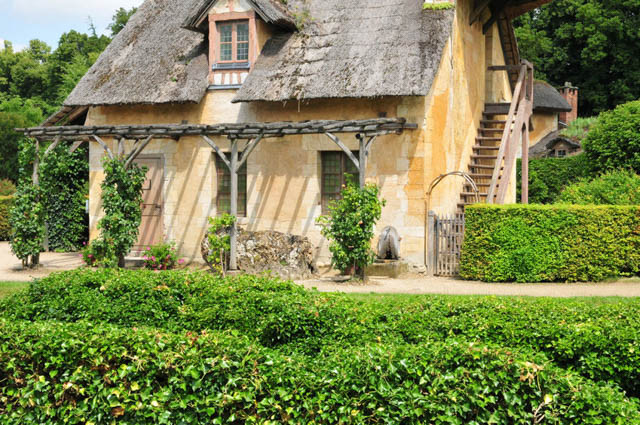
Informal and Cottage Gardens
Informal and cottage gardens feel relaxed, romantic, and full of personality. Instead of rigid lines and perfectly controlled planting, they combine flowers, herbs, shrubs, climbers, winding paths, and traditional materials into a garden that looks abundant and lived-in.
The key is to make the garden feel natural without letting it become chaotic. Use repeated plants, layered heights, generous planting, and a few strong structural features to hold everything together.
Mix Flowers, Herbs, Shrubs & Climbers
Cottage gardens thrive on variety. Combine annuals, perennials, bulbs, herbs, shrubs, and climbers so the planting feels layered and abundant. Let plants mingle naturally, but repeat key colors or species through the border to keep the design cohesive.
Create Romantic Structure
Rose-covered arches, pergolas, rustic gates, fences, and small trees give an informal garden structure without making it feel formal. Use traditional materials such as stone, weathered wood, brick, or wrought iron to reinforce the relaxed, old-world character.
Plant Generously, but Leave Room to Grow
Cottage borders look best when they feel full, with plants layered from low edging plants to taller perennials, shrubs, and climbers. Plant for mature size rather than packing young plants too tightly, so the garden becomes lush without creating excessive crowding or competition.
Add Winding Paths, Seats & Useful Plants
Curved paths, informal edges, and tucked-away seating encourage exploration and make the garden feel larger. Mix ornamental plants with herbs, vegetables, and edible flowers where appropriate to give the garden the practical character associated with traditional cottage planting.
Design for Long Seasons & Wildlife
Choose plants that flower at different times so the garden changes from spring through fall. Include nectar-rich flowers, seed heads, shrubs, and other wildlife-friendly plants to support bees, butterflies, birds, and beneficial insects while adding movement and seasonal interest.