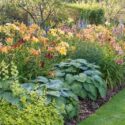
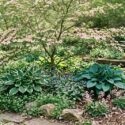
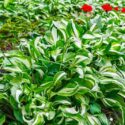
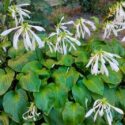
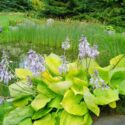
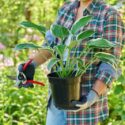
Can Hostas really grow in full sun? Sometimes - but hours alone do not tell the whole story. Learn how morning versus afternoon exposure, summer heat, soil moisture, leaf color, reflected heat, and cultivar choice determine sun tolerance, plus which Hostas perform best in brighter gardens.
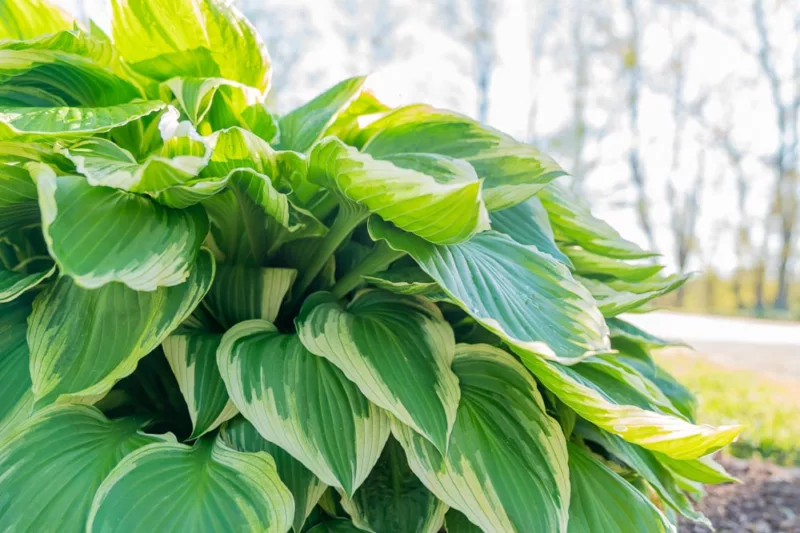


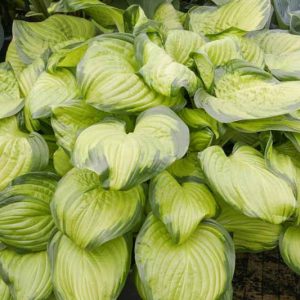
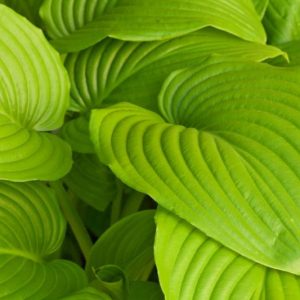
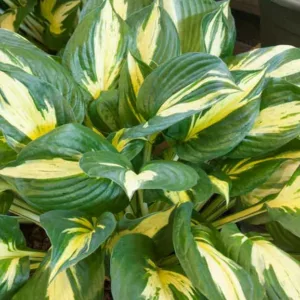
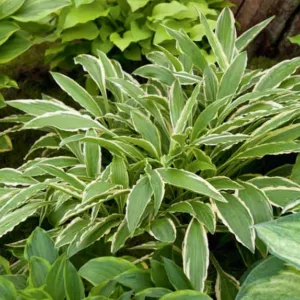
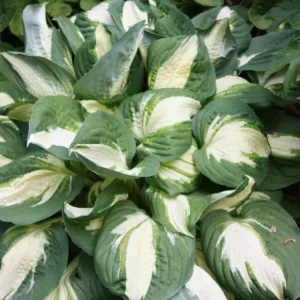
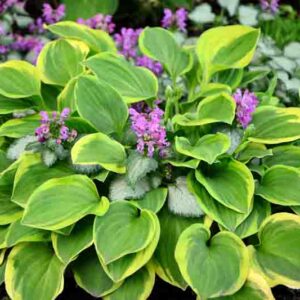
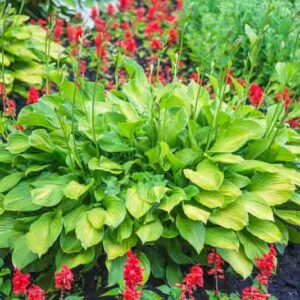
Hostas are famous as shade plants, but that does not mean they need deep shade. Many Hostas grow beautifully with several hours of direct sunlight, and some yellow, gold, green, or fragrant cultivars actually develop better color or flower more freely when they receive useful light.
The difficult part is deciding how much sun is too much. There is no single number that works for every Hosta or every garden. Four hours of gentle morning sun in a cool climate can be easier on a plant than two or three hours of intense late-afternoon sun beside a heat-reflecting wall. A Hosta growing in moist loam can also tolerate brighter conditions better than the same cultivar competing with thirsty tree roots.
So, can Hostas grow in sun? Yes – many can. But most perform most reliably in partial shade, dappled light, or morning sun followed by protection during the hottest part of the day.
This guide explains the useful sun range for Hostas, whether they can grow in full sun or deep shade, why morning and afternoon exposure differ, which Hostas tolerate brighter sites best, how climate and water change the answer, and how to recognize when a Hosta is receiving more sun than its foliage can comfortably handle.
The short answer: Many Hostas are happy with 2-4 hours of morning sun, while selected cultivars can handle 4-6 hours or more under favorable conditions. Hot afternoon sun, dry soil, reflected heat, and a sun-sensitive cultivar can make even fewer hours excessive.
| Exposure | What It Usually Means for Hostas |
|---|---|
| Deep shade – less than about 2 hours direct sun | Hostas can grow, but flowering, vigor, and gold coloration may be reduced in very dark sites |
| Dappled or filtered light | Excellent for most Hostas |
| 2-4 hours morning sun | Often an excellent balance of light and protection |
| 4-6 hours direct sun | Suitable for selected cultivars, especially with morning exposure and reliable moisture |
| 6+ hours direct sun | Possible for some Hostas in favorable conditions, but not a general recommendation for the genus |
| Hot afternoon sun | Highest risk of bleaching, scorch, brown margins, and premature foliage decline |
These are useful guidelines rather than guarantees. The actual limit depends on the cultivar and the conditions surrounding the plant.
Some Hostas can grow in full sun, but the answer needs context.
In horticultural terms, full sun generally means at least six hours of direct sunlight per day. Selected Hostas can tolerate that much light, particularly in cool climates where the soil stays consistently moist and much of the exposure occurs earlier in the day.
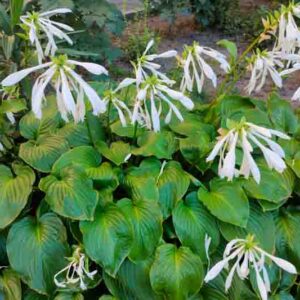
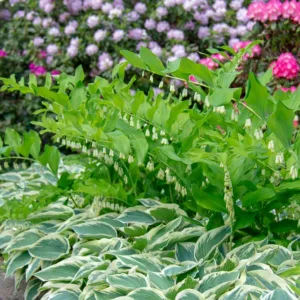
Hosta plantaginea, for example, can tolerate full sun in cooler climates when adequate moisture is maintained. Several vigorous cultivars with fragrant-flowered ancestry also cope with brighter conditions better than the average Hosta.
That does not mean a Hosta described as sun tolerant should automatically be planted in an exposed south- or west-facing border. Six hours of sun in Maine, coastal Washington, or northern England is not horticulturally equivalent to six hours of summer sun in Missouri, Texas, or inland California.
Sun tolerant does not mean full-sun proof. For Hostas, “sun tolerant” is better understood as capable of handling more light than average under suitable conditions.
If a site receives six or more hours of direct sun, look for a proven brighter-site cultivar, favor morning over afternoon exposure, maintain dependable moisture, and avoid positions surrounded by heat-reflecting hardscape.
Yes. Hostas are among the finest perennials for shade and many remain healthy in very low light. But “the more shade the better” is another oversimplification.
In very dense shade, Hostas may grow more slowly, flower less freely, and produce looser or smaller clumps. Yellow and gold cultivars can also remain greener because they do not receive enough light to develop their best foliage color.
Dappled woodland light, high filtered shade, or morning sun followed by shade often produces a better balance between vigorous growth and attractive foliage than an extremely dark corner.
This is especially important beneath trees. A site can be both deeply shaded and surprisingly dry because the tree canopy intercepts rainfall while roots compete with Hostas for soil moisture.
The goal is not maximum shade. The goal is enough light for healthy growth, flowering, and good foliage color without creating damaging heat or moisture stress.
Morning sun is generally much easier on Hostas than hot afternoon sun.
During the morning, temperatures are lower, the soil has not accumulated a full day’s heat, and plants are typically better hydrated after the cooler overnight period. Several hours of morning sun can therefore provide useful light without placing excessive demand on the leaves.
Afternoon sun arrives when air and leaf temperatures are higher and the soil may already have lost considerable moisture. The combination of intense radiation, heat, and water loss makes scorch more likely.
An east-facing planting that receives sun from early morning until midday can be an excellent Hosta location. A west-facing bed receiving an equivalent number of hours between mid-afternoon and evening can be much more stressful.
The difference becomes even more important in hot climates.
If you can choose only one: give Hostas morning sun and afternoon shade rather than morning shade and hot afternoon sun.
Hours of direct sunlight are only the starting point. Gardenia recommends evaluating the whole exposure before deciding whether a Hosta will perform well.
| Factor | Easier on Hostas | More Stressful |
|---|---|---|
| Sun duration | A few hours | Most of the day |
| Time of day | Morning | Afternoon |
| Summer climate | Cool or moderate | Hot |
| Root-zone moisture | Reliably moist | Frequently dry |
| Heat around the plant | Garden soil and vegetation | Walls, paving, gravel, driveways |
| Cultivar | Known brighter-site performer | Sun-sensitive foliage |
Gardenia’s Hosta Sun Load: Evaluate sun duration + time of day + summer heat + soil moisture + reflected heat + cultivar together. Two sites receiving the same number of hours can place very different demands on a Hosta.
Selected Hostas can tolerate substantial sunlight in cool northern or maritime climates when their roots remain moist. The same cultivar may need considerably more afternoon protection where summers are hot.
Gardeners in warmer regions should also consider whether the climate itself is appropriate for the cultivar. Gardenia’s Hostas for Warmer Climates offers additional guidance for choosing Hostas where summer heat and winter chilling are concerns.
Hostas generally prefer fertile, moisture-retentive but well-drained soil. As exposure increases, dependable moisture becomes more important because leaves and soil lose water faster.
Water deeply enough to moisten the root zone and check the soil rather than relying on a rigid schedule. Organic mulch can help reduce fluctuations in moisture and soil temperature, but avoid piling mulch over the crown.
Hostas beneath mature trees require special attention. Tree roots can create severe competition for moisture even where the canopy provides excellent shade.
Sun tolerance is not drought tolerance. Additional water can help a suitable Hosta cope with brighter conditions, but it cannot turn every hot, exposed site into a good Hosta site.
Cultivar matters enormously. Leaf color, leaf substance, ancestry, and the amount of pale variegation can all provide useful clues, although none should be treated as an absolute rule.
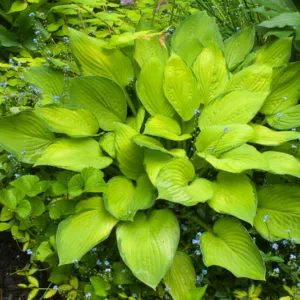
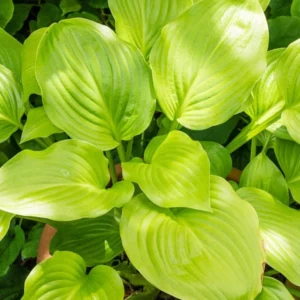
A useful shortcut: For a brighter Hosta site, investigate yellow/gold cultivars, vigorous green or fragrant cultivars, and plants with substantial foliage first. Give blue Hostas and extensively white-variegated Hostas greater protection when preserving their best foliage quality is important.
The following Gardenia selections are useful starting points for gardens with more light than a typical shaded Hosta border. They are not equally tolerant of hot, exposed full sun, so match each cultivar to the intensity and timing of your light, climate, and available moisture.
| Hardiness |
3 - 9 |
|---|---|
| Heat Zones |
1 - 8 |
| Climate Zones | 1, 1A, 1B, 2, 2A, 2B, 3, 3A, 3B, 4, 5, 6, 7, 8, 9, 10, 14, 15, 16, 17, 18, 19, 20, 21 |
| Plant Type | Perennials |
| Plant Family | Asparagaceae |
| Genus | Hosta |
| Exposure | Full Sun |
| Season of Interest | Spring (Mid, Late), Summer (Early, Mid, Late), Fall |
| Maintenance | Low |
| Soil Drainage | Moist but Well-Drained |
Gardenia also includes the following cultivars in its brighter-site selection. These are better approached as Hostas that can handle more light than average rather than as universal full-sun plants.
The foliage usually provides the first warning.
Signs that an exposure may be too intense include:
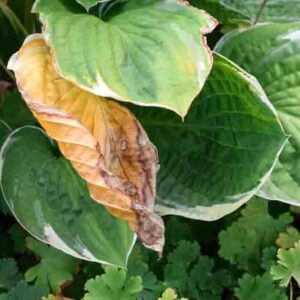
bleached or faded patches on the most exposed leaves;
dry, crispy brown margins;
tan or brown scorched areas;
blue foliage becoming green unusually early;
persistent wilting during hot afternoons;
leaves deteriorating much earlier in summer than expected.
But do not diagnose every brown Hosta leaf as sunburn. Drought, wind, tree-root competition, salt exposure, transplant stress, and poor root conditions can cause similar symptoms.
| What You See | What to Check |
|---|---|
| Bleaching or browning strongest on exposed leaves | Direct sun and reflected heat |
| Crispy edges throughout the plant | Soil moisture, roots, wind, and sun exposure |
| Blue Hosta remains healthy but turns greener | Exposure may be acceptable for health but too bright for optimum blue coloration |
| Sudden pale or brown areas after extreme heat | Heat and sun injury |
| Soft yellowing or collapsing crown tissue | Drainage, root health, or disease rather than simple sun scorch |
For a broader diagnosis, see Gardenia’s Hosta Problems: Yellow Leaves, Brown Edges, Holes, Wilting and Poor Growth.
A Hosta can be healthy enough to survive a sunny location and still produce disappointing foliage.
A blue cultivar may lose much of its powdery blue coating. A white-centered Hosta may develop brown areas each summer. Leaves may remain smaller, paler, or decline earlier than they would in a better position.
Gardenia’s foliage-quality test: Judge a sunny Hosta by two outcomes – plant health and ornamental foliage quality. A plant that survives the exposure but loses the appearance for which you chose it may still be in the wrong place.
A little summer browning does not always justify immediately digging up a mature plant. First determine whether the problem is excessive light, insufficient moisture, or both.
Dry soil makes bright exposure much harder on Hostas. Water deeply during dry periods and examine whether mature tree roots are competing heavily for moisture.
A plant beside paving or a wall may be experiencing much more heat than its sunlight hours suggest. Moving containers, adding neighboring vegetation, or changing hardscape around the planting can sometimes reduce stress.
Temporary shade during periods of exceptional heat can protect a valued specimen. Longer-term solutions may include nearby shrubs or perennials that filter late-day light without casting very dense shade.
If foliage scorches every year despite appropriate watering, the site may simply be too bright or hot for that cultivar.
This is particularly true when the Hosta remains alive but consistently looks poor. Moving it to morning sun, filtered light, or afternoon shade may dramatically improve foliage quality.
Sometimes the plant itself has not moved – the garden around it has changed. A removed tree, lost branch, hard pruning, or renovation can suddenly turn a previously shaded Hosta bed into a sunny one.
When relocation becomes the best solution, move as much healthy root as practical and establish the Hosta in a better-matched site.
The best Hosta for a brighter site is not necessarily the cultivar that can tolerate the greatest number of hours in direct sun. It is the cultivar that fits the entire garden.
Use Gardenia’s Plant Finder to explore plants by exposure, hardiness, soil, water needs, mature size, foliage color, and other characteristics.
This matters because a plant may fit your light conditions but eventually become too large for the bed, need more moisture than the site can provide, or be poorly suited to your climate.
Once you have shortlisted Hostas and companion plants, use Gardenia’s Garden Design Tool to evaluate selections in the context of garden size, growing conditions, seasonal interest, and compatibility.
The better question is not “Which Hosta takes the most sun?” Ask which Hosta combines the right light tolerance + climate fit + moisture needs + mature size + foliage performance for your actual garden.
Counting sunlight hours without considering when they occur. Morning and afternoon exposure are not equivalent.
Treating “sun tolerant” as a guarantee of full-sun performance. Cultivar, climate, and moisture still matter.
Ignoring climate. A Hosta that thrives in a sunny northern garden may scorch in the same exposure farther south.
Assuming more water solves every sunny-site problem. Some positions remain too hot even when soil moisture is adequate.
Assuming sun tolerance means drought tolerance. Hostas in brighter sites generally need dependable moisture.
Choosing by leaf color alone. Color is useful, but leaf substance, ancestry, and cultivar genetics also matter.
Expecting blue foliage to stay equally blue in strong light. The plant may remain healthy while losing its glaucous finish.
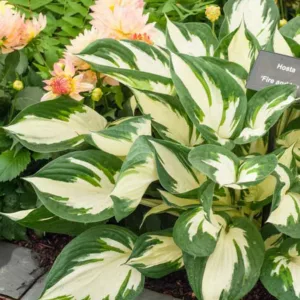
Ignoring pale variegation. White and cream tissue is often the first portion to scorch.
Ignoring reflected heat. Walls, gravel, stone, and paving can turn a moderately sunny site into a much harsher environment.
Diagnosing every brown margin as sunburn. Check water availability, roots, wind, and drainage too.
Before choosing a Hosta for a sunny or partially sunny position, work through these questions:
| Question | Why It Matters |
|---|---|
| How many hours of direct sun? | Sets the basic exposure level |
| Morning or afternoon? | Late-day sun generally produces more heat stress |
| How hot are summers? | The same sunlight becomes harder to tolerate as heat increases |
| Will the soil stay reliably moist? | Water availability strongly affects leaf stress |
| Is there reflected heat? | Hard surfaces can intensify the exposure |
| Is the cultivar suited to brighter conditions? | Hostas differ significantly in tolerance |
| Does the foliage remain attractive? | Survival alone does not prove that the exposure is ideal |
Gardenia’s final rule: Do not ask only, “Can this Hosta grow in sun?” Ask: “Can this cultivar handle this amount of sun, at this time of day, in this climate, with this moisture and heat exposure – and still produce the foliage quality I want?”
Selected Hostas can tolerate six or more hours of direct sun, particularly in cooler climates with consistently moist soil. Most Hostas perform more reliably in partial shade, filtered light, or morning sun with protection from hot afternoon sun.
Many Hostas tolerate two to four hours of direct morning sun, while selected cultivars can handle four to six hours or more. There is no universal limit because time of day, climate, moisture, reflected heat, and cultivar all influence tolerance.
Yes, but very dense shade can reduce growth, flowering, and the intensity of yellow or gold foliage. Many Hostas look better in dappled light, high shade, or morning sun rather than the darkest possible site.
Yes. Morning sun is generally less stressful than hot afternoon sun. Several hours of morning sun followed by afternoon shade is an excellent exposure for many Hostas and can improve flowering and gold foliage color.
Some can, particularly in cooler climates, but afternoon sun is more likely to cause fading and scorch because it combines direct light with higher temperatures and greater moisture loss.
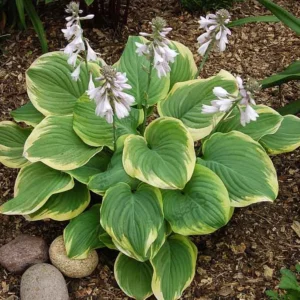
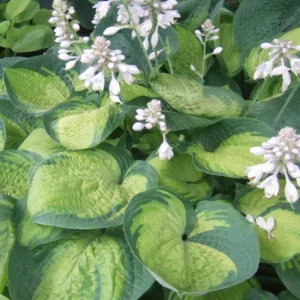
Useful brighter-site candidates include Hosta plantaginea and cultivars such as ‘Royal Standard’, ‘Sum and Substance’, ‘August Moon’, ‘Guacamole’, ‘Fragrant Bouquet’, and ‘Stained Glass’. Climate, moisture, and time of day still determine how much direct sun they can handle.
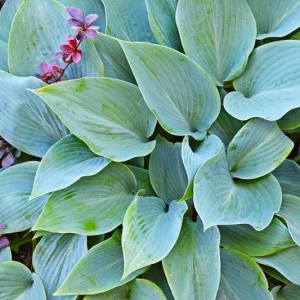
Some thick blue Hostas can physically tolerate useful amounts of light, but blue foliage generally retains its waxy blue-gray coloration best with more shade. Plant health and preservation of blue color are not the same thing.
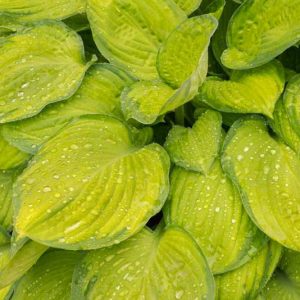
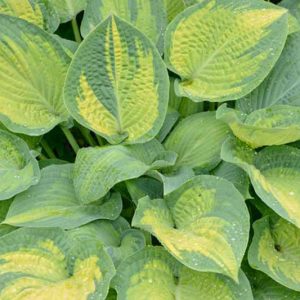
Many yellow and gold Hostas develop stronger color with several hours of filtered or direct light and may remain greener in deep shade. Around four to six hours of partial sun can suit many gold cultivars, but climate and cultivar still matter.
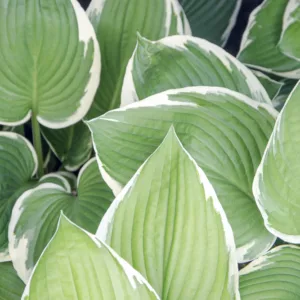
Many fragrant cultivars with Hosta plantaginea ancestry are useful choices for brighter sites. Examples include ‘Royal Standard’, ‘Guacamole’, ‘Fragrant Bouquet’, and ‘Stained Glass’. They still require adequate moisture and protection from excessive heat in hot climates.
Excessive exposure can cause bleached areas, tan or brown patches, crispy margins, wilting, or premature foliage decline. Damage is often strongest on exposed leaves, although drought and other stresses can cause similar symptoms.
Usually. Brighter sites increase evaporation and leaf water loss. Keep the root zone reliably moist but well drained and monitor plants carefully during hot, dry, or windy weather.
No. Excessive sun can cause crispy brown margins, but drought, root competition, wind, transplant stress, salt exposure, and other problems can look similar. Check the entire growing situation before diagnosing sun scorch.
Yes. A Hosta may remain healthy while losing blue coloration, scorching pale variegation, bleaching, or developing earlier leaf decline. Gardenia recommends evaluating both plant health and ornamental foliage quality.
Royal Horticultural Society – How to Grow Hostas
Iowa State University Extension – All About Hostas
North Carolina Extension Gardener Plant Toolbox – Hosta
North Carolina Extension Gardener Plant Toolbox – Hosta plantaginea
Missouri Botanical Garden – Which Hostas Are Tolerant of Direct Sun?
Updated: September 2026 • Reviewed by Gardenia Editors
| Hardiness |
3 - 9 |
|---|---|
| Heat Zones |
1 - 8 |
| Climate Zones | 1, 1A, 1B, 2, 2A, 2B, 3, 3A, 3B, 4, 5, 6, 7, 8, 9, 10, 14, 15, 16, 17, 18, 19, 20, 21 |
| Plant Type | Perennials |
| Plant Family | Asparagaceae |
| Genus | Hosta |
| Exposure | Full Sun |
| Season of Interest | Spring (Mid, Late), Summer (Early, Mid, Late), Fall |
| Maintenance | Low |
| Soil Drainage | Moist but Well-Drained |
Create a membership account to save your garden designs and to view them on any device.
Becoming a contributing member of Gardenia is easy and can be done in just a few minutes. If you provide us with your name, email address and the payment of a modest $25 annual membership fee, you will become a full member, enabling you to design and save up to 25 of your garden design ideas.
Join now and start creating your dream garden!
Create a membership account to save your garden designs and to view them on any device.
Becoming a contributing member of Gardenia is easy and can be done in just a few minutes. If you provide us with your name, email address and the payment of a modest $25 annual membership fee, you will become a full member, enabling you to design and save up to 25 of your garden design ideas.
Join now and start creating your dream garden!