Plant dahlia tubers too early, and cold, wet soil may cause them to rot. Wait too long, and you could lose valuable flowering weeks. Discover the best planting windows for USDA Zones 2-13, how to check frost risk and soil warmth, and when to start tubers indoors.
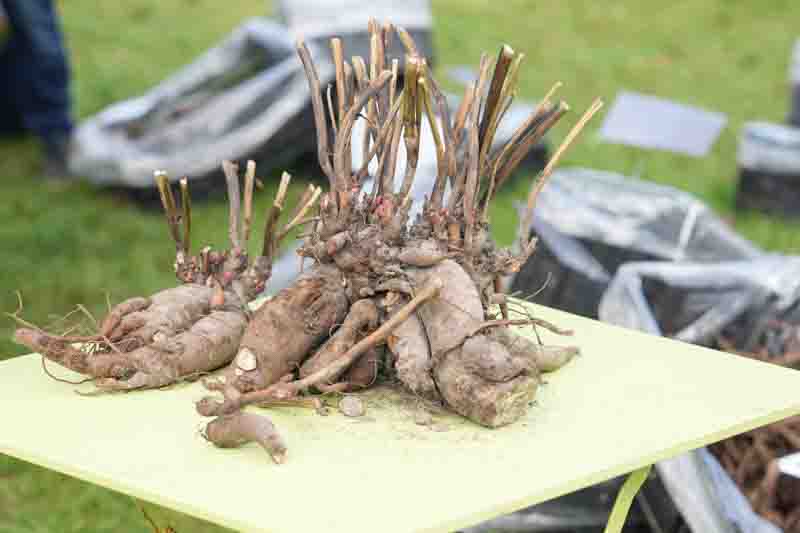


Your dahlia tubers have arrived, spring is in the air, and you’re eager to get planting. But is the soil warm enough? Could another frost ruin your plans? And does being in USDA Zone 6, 7, or 8 tell you when it’s safe to begin?
Planting too early can leave dormant tubers sitting in cold, wet ground, where they may rot before producing a shoot. Waiting too long can shorten the flowering season, especially in northern gardens.
For the safest results, plant dahlia tubers when the soil has warmed to approximately 60°F (15-16°C), drainage is good, and damaging frost is unlikely. Experienced gardeners sometimes plant dormant tubers earlier in unfrozen, well-drained soil, but emerging shoots must be protected from frost.
Your USDA hardiness zone offers a starting point, not an exact planting date. This guide explains when to plant dahlias in Zones 2-13, how to check local growing conditions, and when starting indoors makes sense.
When should you plant dahlia tubers? The quick answer
Important: Dormant tubers can sometimes be planted before the last frost in suitable soil. Actively growing dahlias with leaves should be transplanted only after frost danger has passed.
The table below shows approximate periods when gardeners can begin checking outdoor planting conditions. These are broad planning windows, not official last-frost dates or guaranteed safe planting times.
| USDA Zone | When to Begin Checking | Main Consideration |
|---|---|---|
| 2-3 | Late May-June or later | Late frost, short growing season |
| 4 | Mid-May-June | Late freezes and cold soil |
| 5 | May-early June | Local last frost and soil warmth |
| 6 | Late April-May | Spring temperature fluctuations |
| 7 | April-May | Frost risk and drainage |
| 8 | March-May | Cool coastal or wet spring soil |
| 9 | February-April | Establishment before summer heat |
| 10 | Late winter-spring where suitable | Heat and seasonal rainfall |
| 11-13 | Locally suitable cooler or drier season | Temperature, humidity, and drainage |
Use this calendar to decide when to begin checking your garden, not as permission to plant automatically. A warm inland Zone 8 garden may be ready weeks before a cool coastal garden in the same zone.
USDA hardiness zones describe average annual extreme minimum winter temperatures. They do not establish spring frost dates or account for summer heat. Check your zone using the official USDA Plant Hardiness Zone Map.
Two gardeners in the same USDA zone can have different safe planting dates. The most reliable approach is to check frost risk, soil temperature, and drainage together.
Check nearby weather-station records or your local Cooperative Extension service. Use information for a location similar to your garden, especially if you live in a mountain valley, frost pocket, or coastal area.
An average last-frost date is not a guarantee. Frost can arrive later than usual, so check the forecast before planting.
Use a soil thermometer approximately 4 inches (10 cm) deep in your planting bed. Check in the morning over several days rather than relying on a single warm afternoon.
A consistent temperature around 60°F (15-16°C) is a useful conservative target. Dormant tubers may grow in cooler soil, but low temperatures delay establishment.
If the soil is saturated or freezing weather is expected, wait. Warm, well-drained soil with low frost risk provides much better conditions for successful growth.
| Garden | Conditions | Decision |
|---|---|---|
| Coastal Zone 8 | Cool, wet soil | Wait for warmth and better drainage. |
| Inland Zone 8 | Warm, well-drained soil; no frost forecast | Plant if other conditions are suitable. |
These illustrative examples show why a zone calendar alone cannot identify the best planting day for every garden.
Yes, but there’s an important distinction between a dormant tuber and an actively growing dahlia.
The Royal Horticultural Society recognizes early planting of dormant tubers as an option. For beginners, however, waiting for warmer soil and low frost risk is generally the simplest approach.
✓ What to do now
If frost remains likely and the soil is cold, keep tubers protected or start them indoors. Don’t rush dormant tubers into waterlogged ground simply because spring has arrived.
Choosing Dahlias for Your Growing Season?
Once you know when your garden is ready, explore dahlia varieties that suit your climate, available space, and growing conditions. Compare mature sizes and flowering characteristics before deciding which tubers to plant.
Indoor starting gives dahlias a head start where spring arrives late or autumn frost comes early. A practical starting point is 4-6 weeks before your expected last spring frost.
Don’t start so early that plants become tall, weak, or root-bound before outdoor planting is possible. A bright greenhouse or suitable grow lights are particularly helpful in northern climates.
Wait until frost danger has passed and outdoor conditions are suitable. Harden plants off gradually over approximately 7-10 days, introducing them to outdoor light and wind while protecting them from cold nights.
Transplant at the same soil level as in the pot and water thoroughly after planting. Established leafy dahlias need more consistent moisture than dormant tubers.
For detailed planting and tuber handling, see Gardenia’s Dahlia Tubers: Planting, Digging, Dividing and Winter Storage.
Late frost and short growing seasons are the principal challenges. Starting tubers indoors is particularly valuable in Zones 2-4, allowing plants to develop before outdoor soil becomes warm enough.
Wait for safe transplanting conditions and protect young growth from unexpected cold. At high elevations, spring may arrive considerably later than the calendar suggests.
These regions often have generous flowering seasons, but planting dates vary widely.
Dahlias can often be planted earlier, but summer conditions matter. In hot inland regions, aim to establish plants before prolonged extreme heat. In humid climates, prioritize drainage during rainy periods.
Choose a locally suitable cooler or drier season instead of following a northern spring calendar. Temperature, elevation, humidity, and rainfall determine whether dahlias will grow and flower successfully. Local growing experience is particularly valuable.
Once your region’s planting season arrives, use this decision table instead of relying on the calendar alone.
| What You Find | What to Do |
|---|---|
| Damaging frost forecast | Wait, especially for actively growing plants. |
| Dormant tubers; soil below 60°F | Waiting is safer. Early planting requires suitable drainage and shoot protection. |
| Soil saturated or muddy | Delay planting until drainage improves. |
| Warm soil, good drainage, low frost risk | Plant outdoors. |
| Leafy dahlias started indoors | Harden off and transplant after frost danger. |
| Extreme summer heat approaching | Check establishment conditions and afternoon exposure. |
✓ Your Three-Minute Planting Check
If conditions are favorable, plant. Otherwise, keep the tubers protected and reassess as the weather improves.
One unfavorable condition may be enough to postpone planting. For example, warm soil that remains saturated after heavy rain is not an ideal environment for dormant tubers.
A dormant tuber may remain underground until the soil warms, but cold, wet conditions increase the risk of rot. Emerging shoots can also be damaged by frost.
If you’ve already planted:
A firm tuber with viable crown tissue may still sprout after a cold spell. However, extensive rot or a damaged growing point can prevent recovery.
Late planting isn’t automatically a problem. June planting is normal in many cold or high-elevation gardens.
Many dahlias begin flowering approximately 8-12 weeks after planting under favorable conditions, although cultivar, temperature, and early growth can shift that timing.
The important question is whether enough suitable weather remains before autumn frost. If your growing season is short, consider starting tubers indoors next year.
Are your dahlias growing leaves but no flowers? Read Why Are My Dahlias Not Blooming? 10 Causes and How to Fix Them to investigate delayed flowering, excessive nitrogen, shade, heat stress, and bud damage.
Once the soil is ready, choose a sunny, well-drained position and inspect each tuber for healthy crown tissue and a viable growing eye.
After shoots develop, increase watering according to weather and soil moisture. Taller dahlias also need adequate spacing and support.
For more detailed planting, digging, dividing, and winter storage instructions, see Gardenia’s Complete Dahlia Tuber Guide.
Knowing when to plant gives your dahlias a better start. Choosing suitable varieties and companions helps them perform well throughout the season.
Before planting, consider:
Use Gardenia’s Dahlia Comparison Tool to explore named varieties and the Plant Finder to identify suitable companion plants.
Choose plants suited to your hardiness zone, sunlight, soil, and drainage. Then use Gardenia’s Design Tool to check compatibility, mature sizes, seasonal interest, and planting quantities before creating your garden.
The USDA Plant Hardiness Zone Map provides winter hardiness classifications, not spring frost dates. For cultivation advice, consult the Royal Horticultural Society’s Dahlia Growing Guide and Gardenia’s How to Grow Dahlias. Use your local Cooperative Extension service for location-specific frost information.
Plant in spring when soil temperatures approach 60°F (15-16°C), drainage is good, and damaging frost is unlikely. This may be March or April in warm regions and May or June in colder climates.
Zone 5 gardeners often begin checking conditions in May; Zone 6 in late April or May; Zone 7 in April or May; and Zone 8 from March through May. These are broad planning periods. Check local frost risk, soil temperature, and drainage.
Around 60°F (15-16°C) is a useful, conservative planting target, not an absolute threshold. Dormant tubers can sometimes be planted earlier in unfrozen, well-drained soil, but cold, wet conditions increase the risk of rot.
Yes, dormant tubers can sometimes be planted in unfrozen, well-drained soil before the last frost. Emerging shoots must be protected from damaging cold. Waiting until frost risk is low is the safer general approach.
Start approximately 4-6 weeks before your expected last spring frost. Provide drainage, strong light, and frost-free conditions. Harden plants off before transplanting outdoors.
Not necessarily. June planting is common in northern and high-elevation gardens. Flowering depends on the cultivar, growing conditions, and the length of the remaining frost-free season.
Many growers use a hole approximately 4-6 inches (10-15 cm) deep, but soil coverage varies by method and conditions. Position the tuber horizontally with its crown and growing eye upward.
It depends on soil moisture. Naturally moist soil may need little additional water for dormant tubers, while very dry soil may need light moistening. Avoid persistent saturation. Leafy transplants should be watered thoroughly.
No. USDA zones describe average annual extreme minimum winter temperatures, not spring frost dates. Use local weather records or Cooperative Extension guidance to estimate frost risk.
Choose a locally suitable cooler or drier period. Avoid establishing plants during extreme heat or in saturated soil. Timing depends on temperature, rainfall, elevation, and cultivar suitability.
Updated and reviewed by Gardenia: October 2026
| Hardiness |
8 - 11 |
|---|---|
| Heat Zones |
1 - 11 |
| Climate Zones | 1, 1A, 1B, 2, 2A, 2B, 3, 3A, 3B, 4, 5, 6, 7, 8, 9, 10, 11, 12, 13, 14, 15, 16, 17, 18, 19, 20, 21, 22, 23, 24 |
| Plant Type | Bulbs, Perennials |
| Plant Family | Asteraceae |
| Genus | Dahlia |
| Exposure | Full Sun |
| Season of Interest | Summer (Early, Mid, Late), Fall |
| Maintenance | Average |
| Water Needs | Average |
| Soil Type | Clay, Loam, Sand |
| Soil pH | Acid, Alkaline, Neutral |
| Soil Drainage | Moist but Well-Drained |
| Characteristics | Cut Flowers, Showy |
| Attracts | Butterflies |
| Landscaping Ideas | Beds And Borders, Patio And Containers |
| Garden Styles | City and Courtyard, Cutting Garden, Informal and Cottage |
Create a membership account to save your garden designs and to view them on any device.
Becoming a contributing member of Gardenia is easy and can be done in just a few minutes. If you provide us with your name, email address and the payment of a modest $25 annual membership fee, you will become a full member, enabling you to design and save up to 25 of your garden design ideas.
Join now and start creating your dream garden!