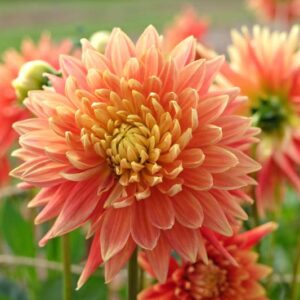
Your dahlias are growing beautifully, but where are the flowers? Discover why plants produce leaves without buds, stop blooming in summer, or develop flowers that never open. Learn how sunlight, heat, fertilizer, watering, and pests affect flowering, with practical steps to help your dahlias bloom again before frost arrives.
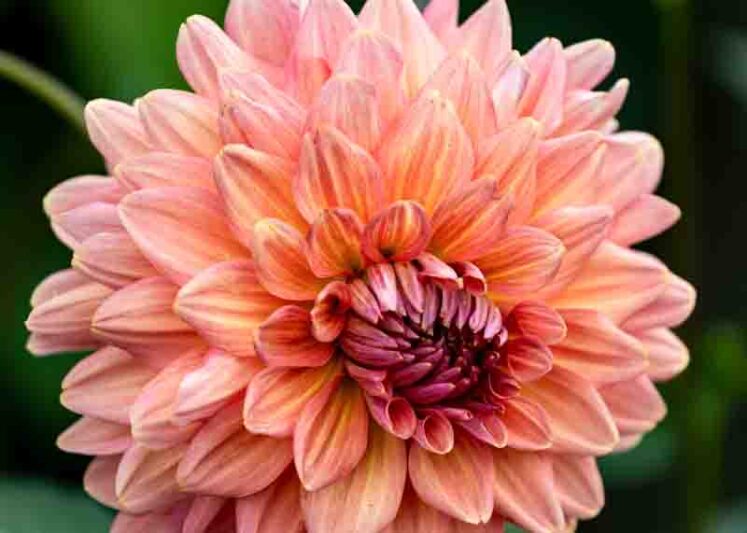


Your dahlias are growing beautifully. The stems are strong, the leaves are lush, and the plants look perfectly healthy. There’s just one problem: where are the flowers?
It’s frustrating to watch a dahlia produce armfuls of foliage while neighboring plants burst into bloom. Sometimes the explanation is straightforward: too much shade or an enthusiastic application of nitrogen-rich fertilizer. Other times, the plant is simply late, struggling through a heat wave, or developing buds that never open.
The first step is to identify what your dahlia is actually doing. A vigorous plant without buds needs a different solution from one dropping brown flower buds. And a dahlia that stopped blooming during a hot spell may recover without drastic intervention.
Here are the ten most common reasons dahlias fail to flower, how to distinguish them, and what you can realistically do to encourage more blooms before the growing season ends.
Why aren’t my dahlias blooming? The quick answer
The most common reasons are insufficient sunlight, excessive nitrogen, delayed maturity, heat stress, irregular watering, and damage to developing buds. Root problems or disease may also reduce flowering.
Check three things first: Does the plant receive at least six hours of direct sun? Has it produced any flower buds? Is the soil dry, adequately moist, or persistently wet?
Those observations will help you identify the likely cause without making unnecessary changes.
Not every non-flowering dahlia has the same problem. Examine the stems, buds, and leaves before deciding what to change.
| What you see | Possible causes | Check first |
|---|---|---|
| Lots of leaves, no buds | Too little sun, excess nitrogen, immature growth | Sun hours and fertilizer history |
| Healthy plant, flowering late | Late planting, recent pinching, cultivar timing | When active growth began |
| Buds form but never open | Heat, insects, disease, damaged buds | Bud condition and recent weather |
| Buds turn brown or drop | Water stress, thrips, Botrytis, temperature extremes | Soil, insects, mold |
| Flowers stop during a heat wave | Heat stress, drought, warm nights | Temperature and root-zone moisture |
| Stunted plants, yellow leaves | Root damage, poor drainage, nutrient problems | Soil drainage and root health |
| Bloomed well, then slowed | Seasonal stress, developing seed heads, reduced vigor | Spent flowers and new growth |
Use this as a starting point, not a definitive diagnosis. Several problems can occur together, particularly in hot weather or poorly drained soil.
Dahlias need generous sunlight to flower well. Most perform best with six to eight hours of direct sun daily, although some afternoon shade can help in exceptionally hot climates.
In shade, stems often stretch toward the light and produce plenty of leaves but fewer flower buds. Plants may look healthy, especially if the soil is fertile, yet have insufficient light for abundant flowering.
The problem can develop gradually. A border that received eight hours of sun in spring may be shaded by neighboring perennials or overhanging branches by midsummer.
✓ What to do now
Will it still flower? Possibly. If the plant receives more sunlight and enough growing season remains, new flowering shoots may develop. A heavily shaded plant may not recover until it is moved the following year.
If your dahlias resemble impressive green shrubs but have no buds, investigate their feeding history.
Nitrogen is essential for healthy growth, but an excessive supply can promote foliage at the expense of flowering. The problem sometimes starts with lawn fertilizer drifting into beds, repeated feeding, or large applications of nitrogen-rich manure.
✓ What to do now
The Royal Horticultural Society recommends potassium-rich feeding for dahlias during active growth. However, more phosphorus or potassium will not automatically produce flowers if the soil already contains sufficient nutrients.
Before buying another bloom fertilizer: Look at your plant. If it is vigorously leafy and dark green, additional feeding may be unnecessary. Check sunlight and previous nitrogen use first.
Will it still flower? Often, if the growing season is long enough and excessive feeding stops. Don’t expect buds to appear immediately after changing fertilizer.
Sometimes the problem is timing, not poor care.
Many dahlias begin flowering in midsummer, often around 8-12 weeks after planting under favorable conditions. But this is only a rough guide. Cool soil, late emergence, slow-growing cultivars, and a delayed start can all push flowering later.
A tuber planted in April but sitting in cold soil for several weeks hasn’t made the same progress as one started indoors in a warm, bright environment.
It can. Some dahlia species and cultivars respond to day length when initiating flowers, and certain types may flower more readily as days shorten. However, modern garden dahlias vary considerably. Day length should not be assumed to explain every late-flowering plant, particularly without knowing the cultivar.
✓ What to do now
Consider the date active growth began, the cultivar’s expected flowering period, and whether buds are developing. Avoid drastic changes when the plant is otherwise healthy.
For next year, starting tubers indoors can provide additional growing time in short-season climates. Follow Gardenia’s Dahlia Tuber Planting and Storage Guide for detailed instructions.
Will it still flower? A healthy late starter often will, provided enough warm growing weather remains before frost.
Could Your Dahlia Variety Be the Reason?
Not all dahlias flower at the same time or grow to the same size. Explore Gardenia’s dahlia profiles and compare varieties to find ones better suited to your climate, garden space, and growing season.
Pinching encourages young dahlias to produce side shoots, usually creating bushier plants with additional flowering stems. But removing the central growing tip also delays the first blooms while new branches develop.
This is normal. The problem arises when gardeners continue pinching late into summer or repeatedly cut back developing shoots.
✓ What to do now
Will it still flower? Usually, if the plant is healthy and enough growing season remains. A recently pinched plant is not necessarily a poorly flowering plant.
Dahlias enjoy warmth, but prolonged extreme heat can interrupt flowering. High daytime temperatures, unusually warm nights, and drought may reduce new bud production or affect flower quality.
In hot gardens, the problem is often compounded by reflected heat from paving, walls, and fences. Container-grown plants may experience especially high root temperatures.
Signs of heat stress:
✓ What to do now
Maintain appropriate soil moisture, mulch to moderate root-zone temperatures, and provide afternoon shade where heat is intense. Don’t respond to heat stress by applying extra fertilizer.
Will it still flower? Often. Healthy dahlias may resume stronger flowering as temperatures fall, particularly toward early autumn. However, buds already damaged by severe heat may not recover.
Dahlia buds develop best when roots receive reasonably consistent moisture. Repeated drought can interrupt bud development, while waterlogged soil can damage roots and weaken the entire plant.
The confusing part is that both problems may cause wilting.
✓ What to do now: Check the Soil Before Watering
Water according to root-zone conditions rather than a rigid schedule. A layer of organic mulch helps moderate drying, but keep mulch away from direct contact with the main stems.
Will it still flower? Plants affected by moderate drought may recover when moisture becomes more consistent. Severe root rot or prolonged waterlogging can cause lasting damage.
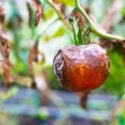
When buds form but turn brown, become distorted, or drop without opening, inspect the buds themselves. This is different from a healthy plant that never produces buds.
Several problems can interfere with flowering:
✓ What to do now
Examine damaged buds closely, including the interior where insects may be concealed. Remove rotting flower heads, improve airflow, and identify the cause before applying a treatment.
Can a brown dahlia bud recover? A severely damaged, rotting bud generally will not open normally. Focus on identifying the cause and protecting newly developing buds instead of trying to revive flowers that are already lost.
For photographs, identification, and management advice, visit Gardenia’s Dahlia Pests and Diseases Guide.
Will it still flower? Often, if the underlying problem is corrected and healthy new buds can develop. Systemic diseases may require removal of infected plants.
A dahlia that is yellowing, stunted, distorted, or persistently wilted may not have enough vigor to produce flowers. At this point, flowering is often a symptom of a broader plant-health problem.
Possible causes include root rot, damaged tubers, nutrient deficiencies, viral infections, and other diseases.
Check for:
Symptoms alone cannot always distinguish disease from environmental injury. For example, virus-like leaf patterns can resemble herbicide damage or nutrient disorders.
If a systemic disease is suspected, avoid taking cuttings or saving tubers for propagation until the plant has been properly assessed. Professional diagnosis may be appropriate for valuable collections.
✓ What to do now
Check drainage and crown condition first. Avoid propagating a plant with suspicious symptoms, and seek a reliable diagnosis before treating a possible disease.
Will it still flower? That depends on the cause. Mild nutrient or watering problems may be reversible. Advanced root rot or serious systemic disease may not be.
If your dahlias flowered generously earlier but now produce fewer blooms, look at what happened after the first flush.
Leaving old flower heads on the plant allows seed development, while repeated heat, drought, or broken stems can reduce the amount of healthy new flowering growth.
✓ What to do now
One useful detail: unopened dahlia buds are generally rounded, whereas spent flower heads often become more pointed as the bracts close around the fading petals.
Deadheading helps a healthy dahlia continue producing flowers, but it cannot compensate for inadequate sunlight, severe heat stress, or damaged roots.
For varieties suited to regular harvesting, explore Gardenia’s Best Dahlias for Cutting.
Once you’ve identified the likely cause, the next question is the one that matters most: Can your dahlias still bloom this season?
There is no universal recovery time. A plant waiting for temperatures to moderate may resume flowering, while one with serious root damage may never recover fully. This guide distinguishes changes worth making now from problems best addressed next year.
| Problem | Action now | What to expect |
|---|---|---|
| Healthy leaves, no buds | Improve light where possible; stop unnecessary nitrogen. | New buds may develop if enough season remains. |
| Recently pinched plants | Allow side shoots to grow without further pinching. | Later flowering is normal. |
| Heat-related flowering pause | Maintain moisture and reduce extreme heat exposure. | Flowering may improve when weather moderates. |
| Brown or rotting buds | Remove damaged buds and identify insects, disease, or stress. | Existing buds may be lost; new buds may develop normally. |
| Waterlogged roots | Correct drainage and evaluate root health. | Recovery depends on the severity of damage. |
| Late cultivar, frost approaching | Avoid further pinching; maintain healthy growth. | Flowering may be limited; choose a better-timed cultivar next year. |
Don’t change everything at once. Begin with observations you can verify: sunlight, moisture, recent feeding, bud health, and the plant’s stage of development. Give the plant time to respond before adding further treatments.
Not every flowering problem can be solved with better feeding or watering. Sometimes the cultivar is poorly suited to its location or the length of the growing season.
A compact dahlia may perform better in a container than a vigorous cutting variety. In short-season gardens, starting tubers indoors can provide valuable additional growing time. In very hot climates, the planting position and summer temperature pattern deserve particular attention.
Gardenia’s Dahlia profiles help you explore different growth habits and flower forms. For example, ‘Gallery Art Deco’ offers a compact habit for smaller spaces, while ‘Bishop of Llandaff’ combines colorful flowers with dark foliage.
For open-centered, pollinator-accessible flowers, explore ‘Honka’ and Gardenia’s Bee-Friendly Dahlia Guide. For limited spaces, consult Best Dahlias for Containers and Low Borders.
The best way to avoid another disappointing season is to choose dahlias that suit your growing conditions and give them enough space to mature.
Use Gardenia’s Dahlia Companion Plant Guide and Dahlia Garden Combinations for planting inspiration. Then consider sunlight, soil drainage, mature plant heights, spacing, and seasonal interest before deciding which plants belong together.
Now that you know why dahlias sometimes fail to bloom, choose varieties and companion plants that better suit your garden. Gardenia helps you find plants for your conditions and check how they will work together as they mature.
For comprehensive growing guidance, consult the Royal Horticultural Society’s Dahlia Growing Guide and Gardenia’s How to Grow Dahlias. For diagnosing damaged buds and foliage, explore Gardenia’s Dahlia Pests and Diseases Guide.
Insufficient sunlight, excessive nitrogen fertilizer, and delayed maturity are common explanations. Check whether the plant gets at least six hours of direct sun, review fertilizer use, and allow adequate growing time before making major changes.
A healthy dahlia may have no buds because it is still developing, was recently pinched, receives too little sun, or has excessive leafy growth. Cultivar and growing conditions also affect when flowering begins.
Many dahlias begin flowering in midsummer, often roughly 8-12 weeks after planting under favorable conditions. Timing varies considerably with cultivar, soil warmth, planting date, and early development. Flowers can continue until autumn frost.
Buds may fail to open because of extreme heat, water stress, insects such as thrips, or fungal disease such as Botrytis. Inspect the affected buds for damage, insects, discoloration, and gray mold before treating them.
Severely damaged or rotting buds generally will not open normally. Remove affected buds and identify the cause. Healthy plants may produce new flowers once pest, disease, temperature, or moisture problems are corrected.
Yes. Prolonged extreme heat, especially when nights remain warm or soil dries excessively, can slow bud production and reduce flower quality. Healthy plants may resume flowering when temperatures become more moderate.
Dahlias need balanced nutrition, but excessive nitrogen can encourage leaves instead of flowers. Where nutrients are needed, an appropriate flowering-plant fertilizer may help. Use soil-test results and follow product directions rather than overfeeding.
Yes. Pinching removes the central growing tip and can delay first flowering while side shoots develop. It may encourage more flowering stems later, but repeated pinching late in the season can postpone blooms unnecessarily.
Some dahlia species and cultivars respond to day length, and certain types may flower more readily as days shorten. Modern garden dahlias vary, however, so day length is only one possible explanation for late flowering.
Often, yes. Healthy dahlias may resume flowering after heat or moisture stress improves. Maintain suitable growing conditions and remove spent flowers. Severe root damage, disease, or an approaching frost may limit recovery.
Updated and reviewed by Gardenia: October 2026
| Hardiness |
8 - 11 |
|---|---|
| Heat Zones |
1 - 11 |
| Climate Zones | 1, 1A, 1B, 2, 2A, 2B, 3, 3A, 3B, 4, 5, 6, 7, 8, 9, 10, 11, 12, 13, 14, 15, 16, 17, 18, 19, 20, 21, 22, 23, 24 |
| Plant Type | Bulbs, Perennials |
| Plant Family | Asteraceae |
| Genus | Dahlia |
| Exposure | Full Sun |
| Season of Interest | Summer (Early, Mid, Late), Fall |
| Maintenance | Average |
| Water Needs | Average |
| Soil Type | Clay, Loam, Sand |
| Soil pH | Acid, Alkaline, Neutral |
| Soil Drainage | Moist but Well-Drained |
| Characteristics | Cut Flowers, Showy |
| Attracts | Butterflies |
| Landscaping Ideas | Beds And Borders, Patio And Containers |
| Garden Styles | City and Courtyard, Cutting Garden, Informal and Cottage |
Create a membership account to save your garden designs and to view them on any device.
Becoming a contributing member of Gardenia is easy and can be done in just a few minutes. If you provide us with your name, email address and the payment of a modest $25 annual membership fee, you will become a full member, enabling you to design and save up to 25 of your garden design ideas.
Join now and start creating your dream garden!