Roses - Guides
Beautiful roses start with the right plant in the right place, followed by a few well-timed care decisions. Focus on sun, soil, watering, pruning, feeding, airflow, and choosing varieties suited to your climate, then build good habits that support healthy growth and repeat flowering.
Choose and Plant Roses for Long-Term Success
Start with a rose whose mature size, hardiness, growth habit, and disease resistance suit your garden. Compare wild roses, heirloom roses, Hybrid Teas, Floribundas, Grandifloras, and English roses. For a broader overview, explore Gardenia’s rose collection.
Prune and Feed for Healthy Growth and More Flowers
Rose pruning should remove dead, damaged, weak, or poorly placed growth while encouraging a strong, open framework. Timing and intensity depend on the rose type, so avoid treating every rose exactly the same. Feed according to soil fertility and the plant’s growth, and avoid excessive nitrogen that produces soft foliage at the expense of flowers.
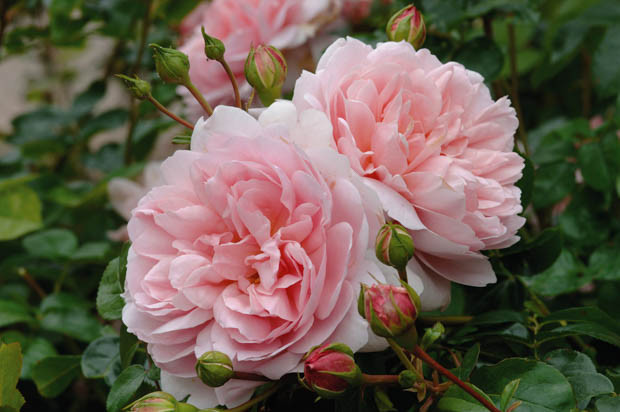
If fragrance is a priority as well as flowering, varieties such as ‘Mister Lincoln’ and ‘Gertrude Jekyll’ are particularly well known for their scent.
Water Roses Well and Reduce Disease Pressure
Water deeply enough to encourage a healthy root system, especially while roses are establishing, but avoid keeping poorly drained soil constantly wet. Good spacing and airflow can help foliage dry more quickly and reduce conditions that favor some fungal diseases. Check plants regularly so leaf spots, discoloration, pests, or weak growth are noticed early rather than after they become widespread.
Choose Companion Plants That Work with Roses
Good companions can extend the season, hide bare lower stems, and add contrasting foliage and flowers. Gardenia’s guide to underplanting and companion planting with roses can help you combine plants successfully. Popular companions include lavender, alliums, and marigolds, provided their growing needs suit the same site.
Make the Most of Petals and Rose Hips
Some roses continue to be useful after flowering. Unsprayed petals from suitable plants can be used as edible flowers or to prepare rose water. If you leave some flowers un-deadheaded, certain roses will develop rose hips, which can add fall color, feed wildlife, and have culinary uses.