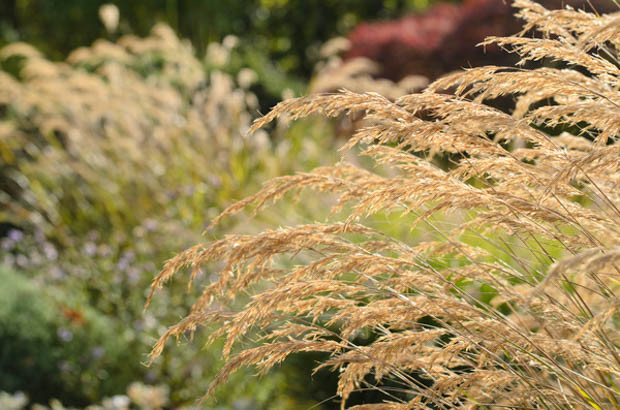
Ornamental Grasses - Guides
Ornamental grasses are often easy to grow, but choosing the right grass for the site makes the difference between a graceful, low-maintenance planting and one that struggles or becomes difficult to manage. Start with climate, light, soil moisture, mature size, growth habit, and seasonal maintenance.
Choose the Right Grass for Your Conditions
Check winter hardiness, summer heat, sunlight, and soil moisture before selecting a grass. ‘Karl Foerster’ Feather Reed Grass and Switchgrass suit many sunny landscapes, while Northern Sea Oats and Japanese Forest Grass can be better choices where shade is part of the equation.
Water Wisely and Establish New Grasses Well
Even drought-tolerant grasses usually need regular moisture while establishing. Once rooted, species such as Blue Grama and some Fountain Grasses can cope well with dry conditions. Avoid assuming that every grass is drought tolerant, and make sure soil drainage and moisture match the plant you choose.
Cut Back Grasses at the Right Time
Many deciduous ornamental grasses can be left standing through winter, allowing their stems and seed heads to provide structure and wildlife shelter. Cut old growth back before fresh spring growth becomes established. Evergreen and semi-evergreen grasses such as some Fescues often need lighter grooming rather than being cut completely to the ground.
Plan for Mature Size and Growth Habit
A grass that looks modest when young may eventually occupy substantial space. Check mature height, spread, and whether the plant forms a clump or spreads before planting. Large grasses such as Miscanthus and Pampas Grass need considerably more room than compact grasses such as Blue Fescue. Also check whether a grass is invasive or restricted in your region before planting.
Design with Grasses for Movement and Wildlife
Grasses are most effective when their form is part of the design. Repeat the same grass to create rhythm, combine upright and arching forms for contrast, and position grasses where sunlight can illuminate their foliage and seed heads. Native species such as Little Bluestem can also provide valuable shelter and food for wildlife while adding fall and winter interest.