Globe Thistle 'Blue Glow', Echinops 'Blue Glow'
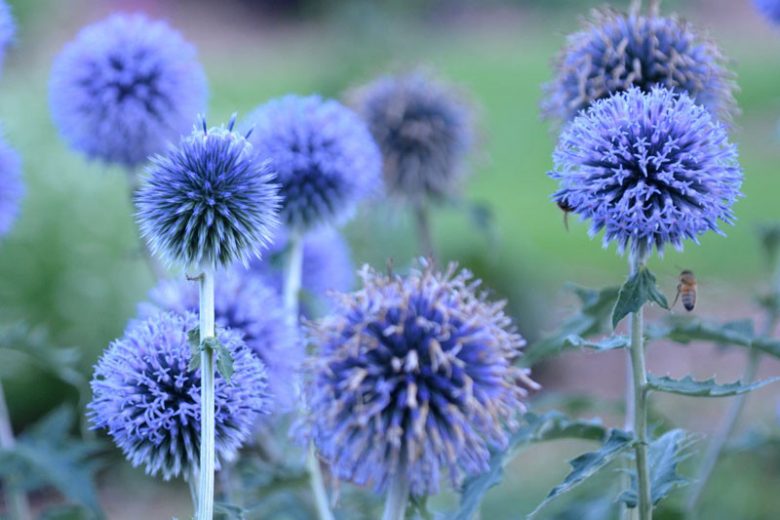
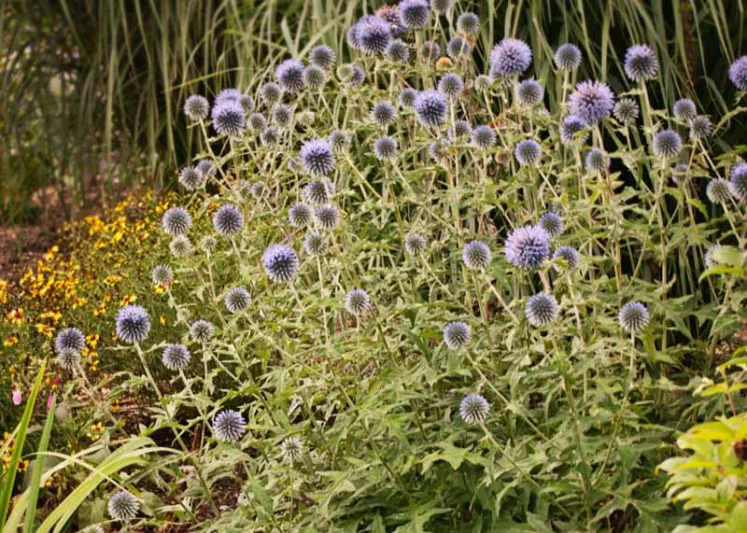


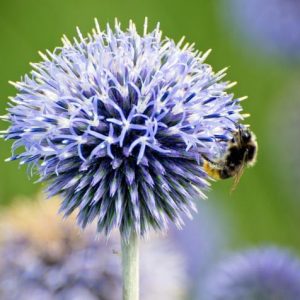
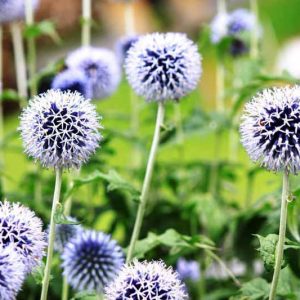
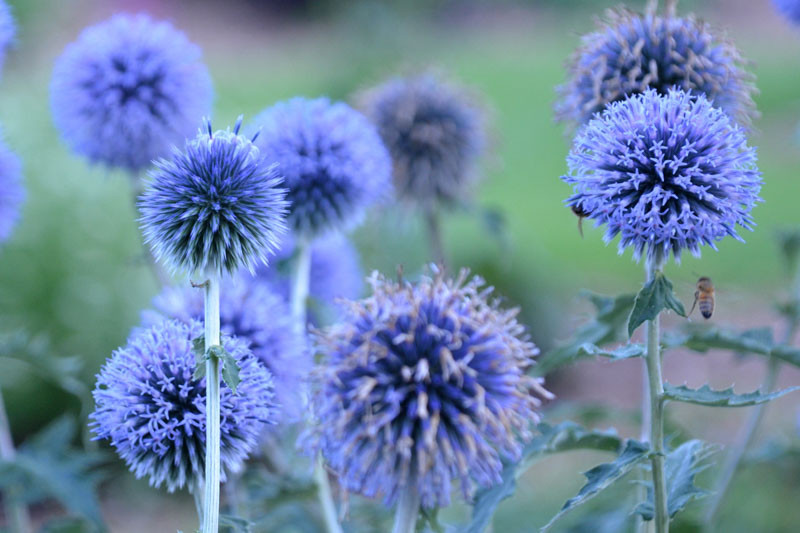
Echinops bannaticus ‘Blue Glow’ is one of those perennials that makes a border look instantly curated – even if your “design plan” was basically: plant it, water it a bit, and hope for the best. From mid summer to early fall, it sends up sturdy, upright stems topped with intensely blue, perfectly round flower globes that hover above spiky, deeply cut foliage. The effect is crisp, architectural, and a little bit surreal – like someone dotted your garden with blue punctuation marks.
Gardeners fall for ‘Blue Glow’ because it brings the drama without bringing the drama. It thrives in sun, tolerates heat, prefers lean soil, and asks for very little once established. It is also a cutting garden MVP: fresh bouquets, dried arrangements, and even winter structure if you leave a few seedheads standing. If you like plants that look high-design but behave low-maintenance, this globe thistle belongs on your short list.
Echinops bannaticus ‘Blue Glow’ is a summer-blooming globe thistle with vivid blue spherical flowers on sturdy, upright stems. Plant it in full sun and sharply well-drained, rather poor soil; rich soil and heavy fertilizer can cause floppy growth. Water during establishment, then treat it as drought-tolerant once settled. Deadhead after the first flush for repeat bloom and to limit self-seeding, or cut the globes early for dried arrangements and winter structure.
Use: Excellent for perennial borders, cottage gardens, prairie-style plantings, gravel gardens, wildlife gardens, and cutting beds.
Highlight: Intense, electric-blue flower globes that read from a distance and stay gorgeous in arrangements.
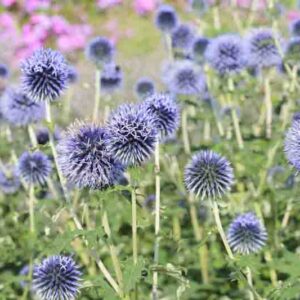
Design note: Repeat it in groups of 3-7 so those blue spheres look like intentional rhythm, not random punctuation.
| Botanical Name | Echinops bannaticus ‘Blue Glow’ |
|---|---|
| Family | Daisy family (Asteraceae) |
| Common Names | Globe thistle, echinops |
| Native Range |
Native context: Echinops bannaticus is associated with southeastern Europe. Note: ‘Blue Glow’ is a cultivated selection grown for saturated blue color and strong garden performance. |
| Plant Type and Habit | Clump-forming herbaceous perennial with upright stems and globe-shaped flowerheads |
| Hardiness (approx. USDA) | Often grown in USDA Zones 3-8 (best longevity in well-drained soils) |
| Height | 3-4 ft. (90-120 cm) |
| Spread | ~2 ft. (60 cm), forming a sturdy clump |
| Spacing | 24-36 in. (60-90 cm) between plants for airflow and clean stem lines |
| Sun and Exposure | Best in full sun (partial shade tolerated, but blooms and stems are strongest in sun) |
| Soil | Prefers poor to average soil that drains well – chalk, loam, or sand are all fine. Aim for dry to medium moisture. Avoid rich, heavily amended beds. |
| Seasonal Interest | Mid summer to early fall (often with repeat bloom if deadheaded) |
| Flower Color | Intense blue |
| Foliage Color | Silvery green, deeply cut and textured |
| Drought Tolerant | Yes (once established) |
| Nectar / Pollen | Yes |
| Attracts | Bees, butterflies, and other pollinators |
| Deer / Rabbit | Typically deer resistant and often avoided by rabbits |
| Toxicity | ASPCA lists Echinops as non-toxic. Spiny flowerheads may cause mild irritation if chewed. |
| Invasive Status | Not considered invasive; may self-seed if seedheads are left in place |
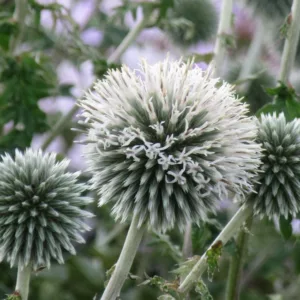
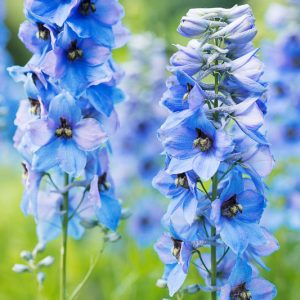
If you like plants with presence, ‘Blue Glow’ is your kind of perennial. It is robust and upright, with deeply cut, spiny-looking silvery green leaves and clean, unbranched stems that arc slightly near the top (like the plant is gracefully presenting its flowers). Each bloom is a tight sphere made of tiny starry florets – spiky up close, perfectly geometric from across the garden. It looks like a thistle, but the overall vibe is more “modern sculpture” than “ouch.”
Echinops bannaticus is associated with southeastern Europe, where sunny exposure and well-drained ground are common. ‘Blue Glow’ is a garden selection chosen for strong color and dependable performance. Translation: it behaves like a plant that is used to handling itself.
This is a clump-forming perennial that typically reaches 3-4 ft. (90-120 cm) tall and about 2 ft. (60 cm) across. It stands upright and holds its form best when grown lean and sunny. Give it breathing room so the stems can rise cleanly and the flower globes can float without looking crowded or tangled in neighbors.
Bloom time generally runs from early to late summer, with globes about 1.5 in. (4 cm) across. The blue is intense – not shy pastel, but a saturated, confident blue that pops against greens, silvers, and warm-toned companions. Deadheading can encourage additional blooms later, and even after peak color, the shapes remain strong for weeks.
Cutting tip:
For fresh bouquets, cut stems when the globes are fully colored and the tiny florets just begin to open. For dried arrangements, cut slightly earlier, bundle stems, and dry them upside down in a dark, airy place.
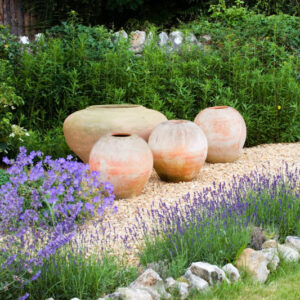
The foliage does a lot of quiet work here. Leaves are deeply cut and silvery green, bringing a cool, textured base that makes the blue blooms look even more electric. Even before flowering, the plant looks “designed,” which is why it slips so naturally into gravel gardens, prairie-style borders, and modern cottage schemes.
‘Blue Glow’ is widely grown in cold-winter climates, but its biggest requirement is not extra winter wrapping – it is avoiding winter-wet soil. If drainage is sharp, it is typically long-lived and returns with enthusiasm year after year.
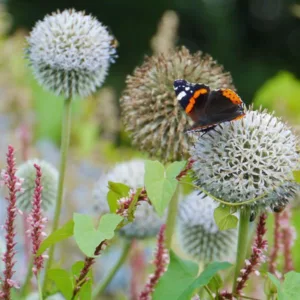
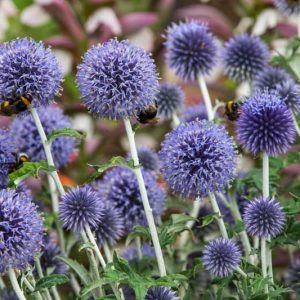
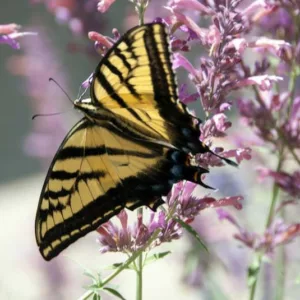
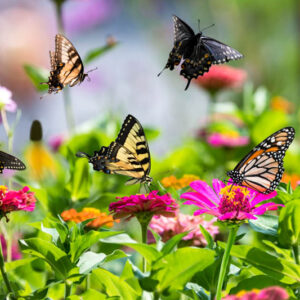
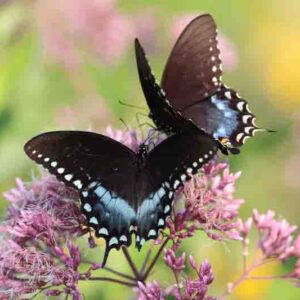
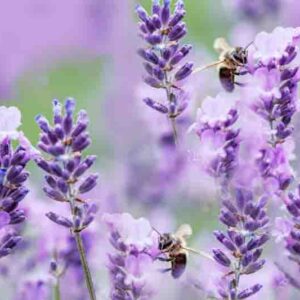
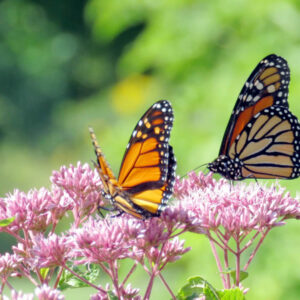
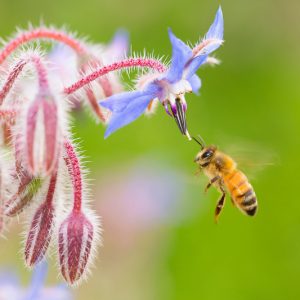
Those globes are basically pollinator landing pads. ‘Blue Glow’ attracts bees and butterflies all summer long, turning your border into a humming, winged neighborhood. If you are building a pollinator-friendly garden and want something tough, long-blooming, and showy, this one earns its space.
Spines help. Globe thistle is generally considered deer and rabbit-resistant in typical garden conditions. That does not mean nothing will ever nibble, but it is rarely the first-choice snack.
Once established, ‘Blue Glow’ is comfortably drought-tolerant. Translation: it prefers deep, occasional watering over frequent splashes, and it resents soggy roots. If you like this low-maintenance style, you may also enjoy Discover even more stunning drought-tolerant bloomers.
Globe thistle (Echinops spp.) is listed as non-toxic to dogs, cats, and horses by the ASPCA. However, the spiny flowerheads and coarse foliage can cause mild mechanical irritation if chewed. If you have curious pets, place it where “sampling” is unlikely.
‘Blue Glow’ is not considered invasive, but it can self-seed if seedheads are left to mature. If you want strict control, deadhead. If you like a lightly naturalized look, leave a few globes and pull seedlings while small.
Go easy. A light spring compost top-dress is plenty, and many gardens need nothing at all. Heavy feeding can produce lush growth that flops and can soften the crisp, architectural look that makes globe thistle so special.
How to get more blooms:
Deadhead the first round of globe flowers soon after they fade, cutting back to a strong side shoot. In sun and lean soil, ‘Blue Glow’ often responds with additional flowering later in the season.
Globe thistle is usually remarkably trouble-free, but a few pests can show up when plants are stressed by shade, crowding, or overly rich, wet soil. The good news: most issues are cosmetic and respond to simple, low-spray habits.
First step:
Most globe thistle pest issues improve fast with more sun, better spacing, and less overhead watering. Strong plants in full sun rarely need “intervention.”
Diseases are uncommon when ‘Blue Glow’ is grown in the conditions it loves: full sun and well-drained, lean soil. Problems tend to appear when soil stays damp or airflow is poor.
Prevention that works:
With globe thistle, “disease control” is mostly site selection – full sun, sharp drainage, and enough spacing to keep leaves dry and breezy.
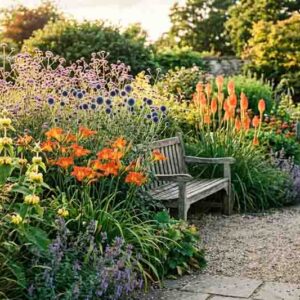
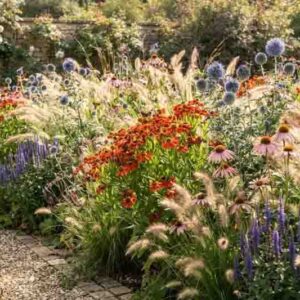
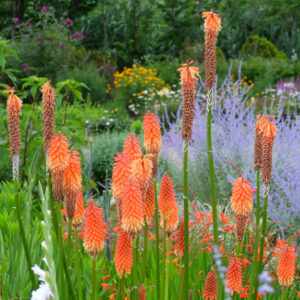
‘Blue Glow’ is a designer’s secret weapon because it brings two things at once: strong structure (those crisp globes) and fine texture (spiky details and cool-toned foliage). Use it to cool down hot colors, sharpen soft pastels, or add punctuation to meadow-style mixes. And because the flowers are so spherical, they play beautifully with plants that have flatter faces or airy umbels.
Easy design rule:
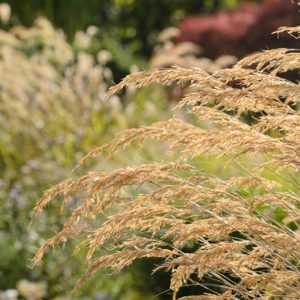
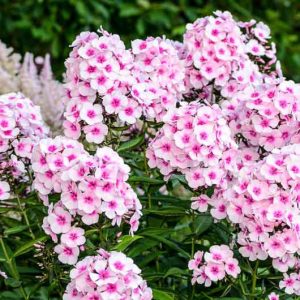
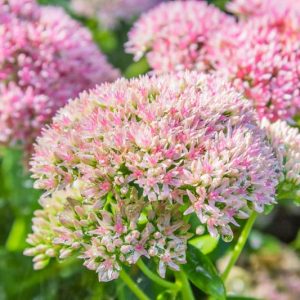
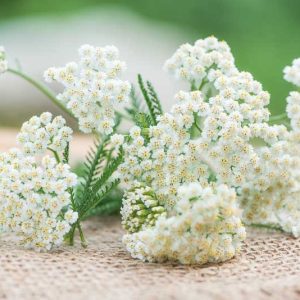
Pair globe thistle with plants that have a different “shape language” – daisies, umbels, and grasses. The contrast makes the blue globes look deliberate and high-design.
Echinops bannaticus ‘Blue Glow’ is a clump-forming perennial globe thistle grown for its intense blue, spherical flowerheads that bloom from early to late summer. It thrives in full sun, attracts pollinators, and performs best in well-drained, lean soil.
Globe thistle ‘Blue Glow’ blooms from early to late summer. If you deadhead the first flush of flowers promptly, it often produces additional blooms later in the season.
Echinops bannaticus ‘Blue Glow’ typically grows 3 to 4 feet tall (90–120 cm) and spreads about 2 feet (60 cm), forming a sturdy upright clump.
Yes. Once established, globe thistle is drought-tolerant and prefers slightly dry conditions over consistently wet soil. Overwatering is more harmful than occasional dryness.
Plant ‘Blue Glow’ in full sun and well-drained soil. Lean or average soil produces stronger stems and better flowering than rich, heavily fertilized beds.
No heavy feeding is required. In fact, rich soil or excess fertilizer can cause floppy stems and fewer flowers. Globe thistle performs best in modest, low-nutrient soil.
Deadheading encourages repeat bloom and reduces self-seeding. If you prefer winter interest or want seedheads for dried arrangements, you can leave some flowers to mature.
Flopping is usually caused by too much shade, overly rich soil, or excess fertilizer. Moving the plant to full sun and reducing feeding typically restores strong, upright growth.
Yes, but containers must drain very well. Use a gritty, free-draining potting mix and avoid keeping the soil constantly moist.
Updated: February 2026 – Reviewed by Gardenia Editors
| Hardiness |
3 - 8 |
|---|---|
| Heat Zones |
1 - 11 |
| Climate Zones | 1, 1A, 1B, 2, 2A, 2B, 3, 3A, 3B, 4, 5, 6, 7, 8, 9, 10, 11, 12, 13, 14, 15, 16, 17, 18, 19, 20, 21, 22, 23, 24, A2, A3 |
| Plant Type | Perennials |
| Plant Family | Compositae |
| Genus | Echinops |
| Common names | Echinops, Globe Thistle |
| Exposure | Full Sun, Partial Sun |
| Season of Interest | Summer (Mid, Late), Fall |
| Height | 3' - 4' (90cm - 120cm) |
| Spread | 1' - 2' (30cm - 60cm) |
| Spacing | 24" (60cm) |
| Maintenance | Low |
| Water Needs | Low |
| Soil Type | Chalk, Loam, Sand |
| Soil pH | Acid, Alkaline, Neutral |
| Soil Drainage | Well-Drained |
| Characteristics | Dried Arrangements, Cut Flowers, Showy |
| Tolerances | Drought, Deer, Rabbit, Dry Soil, Rocky Soil, Heat, Poor Soil |
| Attracts | Bees, Butterflies |
| Garden Uses | Beds And Borders |
| Garden Styles | Butterfly Garden, Cutting Garden, Gravel and Rock Garden, Informal and Cottage, Pollinator Garden, Prairie and Meadow |
| Toxic to Humans | No known toxicity |
| Toxic to Cats | Not toxic |
| Toxic to Dogs | Not toxic |
| Toxic to Horses | Not toxic |


| Hardiness |
3 - 8 |
|---|---|
| Heat Zones |
1 - 11 |
| Climate Zones | 1, 1A, 1B, 2, 2A, 2B, 3, 3A, 3B, 4, 5, 6, 7, 8, 9, 10, 11, 12, 13, 14, 15, 16, 17, 18, 19, 20, 21, 22, 23, 24, A2, A3 |
| Plant Type | Perennials |
| Plant Family | Compositae |
| Genus | Echinops |
| Common names | Echinops, Globe Thistle |
| Exposure | Full Sun, Partial Sun |
| Season of Interest | Summer (Mid, Late), Fall |
| Height | 3' - 4' (90cm - 120cm) |
| Spread | 1' - 2' (30cm - 60cm) |
| Spacing | 24" (60cm) |
| Maintenance | Low |
| Water Needs | Low |
| Soil Type | Chalk, Loam, Sand |
| Soil pH | Acid, Alkaline, Neutral |
| Soil Drainage | Well-Drained |
| Characteristics | Dried Arrangements, Cut Flowers, Showy |
| Tolerances | Drought, Deer, Rabbit, Dry Soil, Rocky Soil, Heat, Poor Soil |
| Attracts | Bees, Butterflies |
| Garden Uses | Beds And Borders |
| Garden Styles | Butterfly Garden, Cutting Garden, Gravel and Rock Garden, Informal and Cottage, Pollinator Garden, Prairie and Meadow |
| Toxic to Humans | No known toxicity |
| Toxic to Cats | Not toxic |
| Toxic to Dogs | Not toxic |
| Toxic to Horses | Not toxic |
How many Echinops bannaticus ‘Blue Glow’ (Globe Thistle) do I need for my garden?
| Plant | Quantity | |
|---|---|---|
| Echinops bannaticus ‘Blue Glow’ (Globe Thistle) | N/A | Buy Plants |
Create a membership account to save your garden designs and to view them on any device.
Becoming a contributing member of Gardenia is easy and can be done in just a few minutes. If you provide us with your name, email address and the payment of a modest $25 annual membership fee, you will become a full member, enabling you to design and save up to 25 of your garden design ideas.
Join now and start creating your dream garden!