New Zealand flax, Flax, Harakeke, New Zealand hemp, Coastal flax, Chlamydia tenacissima, Lachenalia ramosa, Phormium ramosum
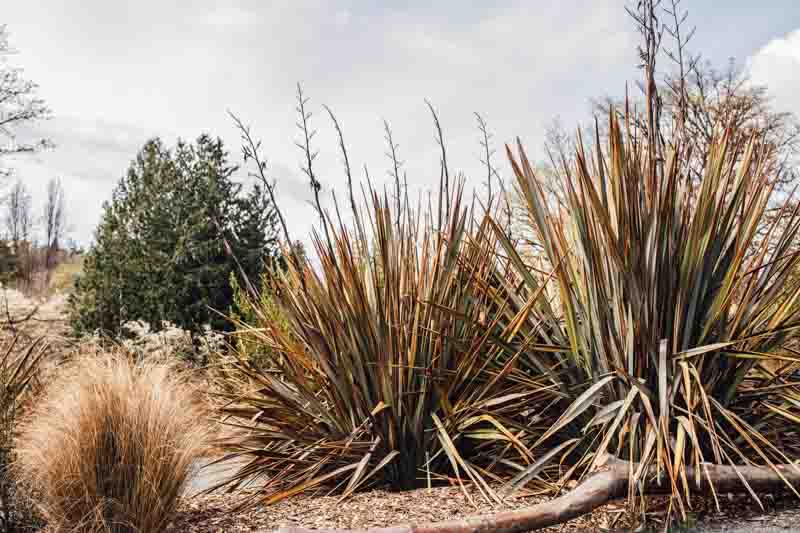


Phormium tenax, commonly known as New Zealand flax, harakeke, flax lily, or simply phormium, is one of the most dramatic evergreen foliage plants for coastal gardens, modern borders, gravel gardens, containers, and low-maintenance landscapes. With tall, sword-shaped leaves rising in bold architectural fans, this New Zealand native delivers year-round structure, wind tolerance, salt resistance, and striking texture without asking for much fuss.
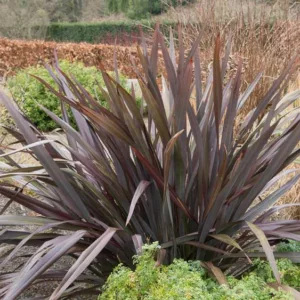
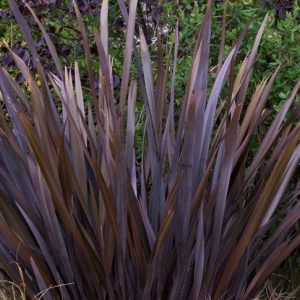
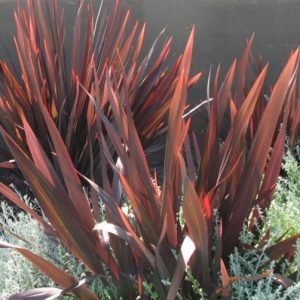
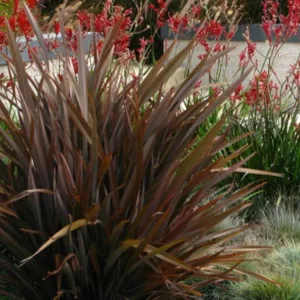
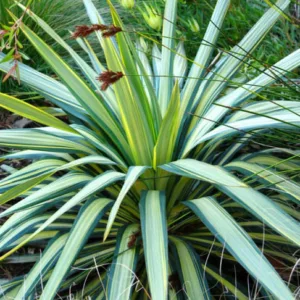
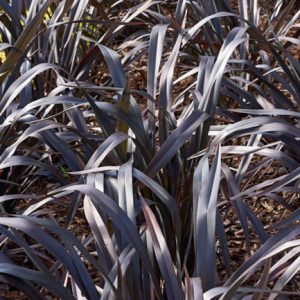
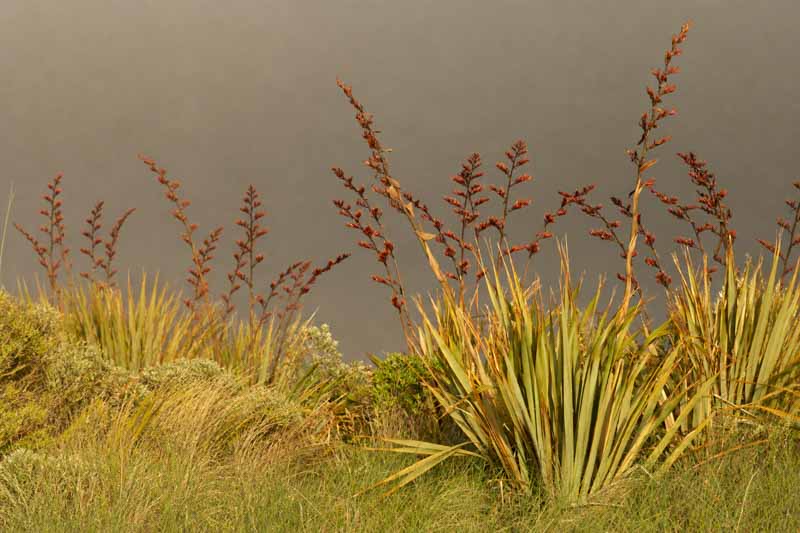
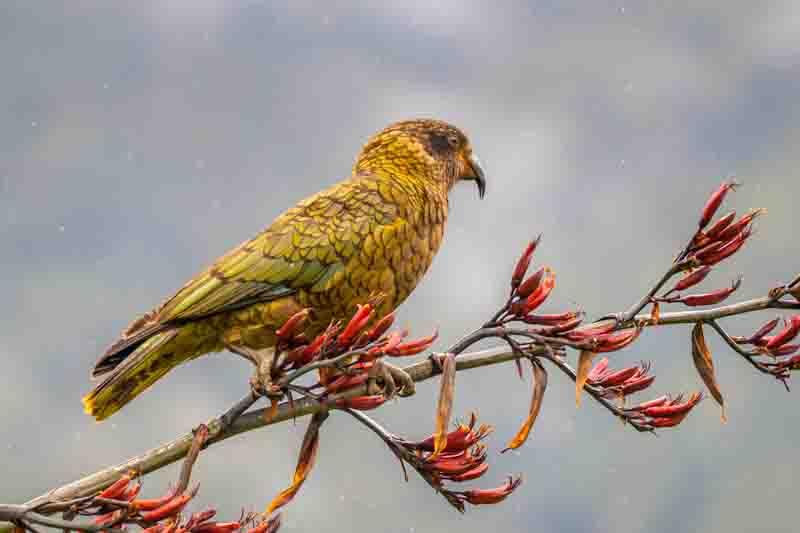
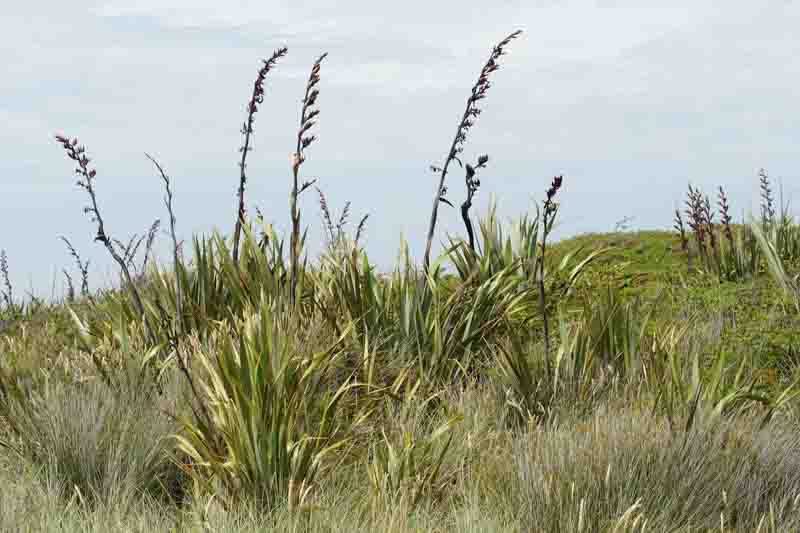
This is not a quiet filler plant. Phormium tenax brings instant presence. Its leathery, upright leaves, up to 10 feet long (3 m), can be deep green, bronze, burgundy, copper, purple, yellow-striped, cream-edged, or almost black, depending on the cultivar. Mature plants may also send up tall flowering stalks, reaching up to 12 feet (3.6 m), bearing tubular red, orange-red, or yellowish flowers that attract nectar-feeding birds and pollinators. If your garden needs strong vertical lines, evergreen foliage, coastal resilience, and tropical-looking drama in a surprisingly tough package, Phormium tenax deserves a serious look.
Phormium tenax is a bold evergreen perennial grown for its upright sword-like foliage, coastal toughness, salt tolerance, drought tolerance once established, and strong architectural form. It performs best in full sun to part shade, well-drained soil, and mild climates where the crown is not exposed to prolonged freezing or waterlogged winter soil.
Use: Coastal gardens, Mediterranean gardens, gravel gardens, dry borders, containers, poolside plantings, privacy screens, modern landscapes, tropical-style borders, and erosion-conscious slopes.
Highlight: Upright, sword-like evergreen leaves create bold year-round structure and powerful contrast with soft grasses, rounded shrubs, flowering perennials, and silver foliage plants.
Design note: Best used as a specimen, repeated vertical accent, container centerpiece, coastal screen, foliage anchor, or sculptural contrast in low-water planting schemes.
| Botanical Name | Phormium tenax |
|---|---|
| Family | Asphodelaceae |
| Common Names | New Zealand Flax, Harakeke, Flax Lily, New Zealand Hemp |
| Native Range | New Zealand, especially wetlands, coastal areas, stream edges, lowlands, and open sites |
| Plant Type | Evergreen clump-forming perennial |
| Hardiness | Best in USDA Zones 9-11; may survive colder sites with protection and excellent drainage |
| Height | Usually 3-8 ft. tall in gardens; species plants may reach 10-12 ft. in ideal climates |
| Spread | Usually 3-6 ft. wide, depending on cultivar and climate |
| Sun Exposure | Full sun to part shade; afternoon shade helps in hot inland climates |
| Soil | Average, fertile, sandy, loamy, or poor soil if well drained; avoid waterlogged crowns |
| Bloom Time | Late spring to summer, mainly on mature plants |
| Flower Color | Red, orange-red, yellowish, or greenish tubular flowers |
| Foliage | Evergreen, strap-shaped, sword-like, leathery, upright to arching |
| Drought Tolerant | Yes, once established, though plants look best with occasional deep watering |
| Deer Resistant | Often avoided, but browsing varies by region |
| Attracts | Nectar-feeding birds, bees, and other pollinators when in bloom |
| Pet and Child Safety |
New Zealand flax is not edible; keep pets and children from chewing the leaves, and wear gloves when pruning sharp foliage. |
Phormium tenax is a robust evergreen perennial from New Zealand, where it is known as harakeke and has long cultural, ecological, and practical significance. In gardens, it is valued mainly for its dramatic foliage. The leaves rise from a central crown in stiff fans, creating a bold silhouette that looks equally at home beside a beach path, a contemporary patio, a gravel courtyard, or a lush tropical-style border.
Unlike many plants with a tropical look, New Zealand flax is surprisingly adaptable. It tolerates wind, salt spray, poor soil, heat, and periodic drought once established. It also handles more moisture than many Mediterranean plants, provided the crown is not trapped in stagnant, airless soil. That flexibility makes it a powerful bridge plant between coastal, modern, drought-tolerant, and subtropical garden styles.
Good to know: The word tenax means tough or tenacious, and the name fits. Mature New Zealand flax has strong fibrous leaves, a resilient crown, and a remarkably durable presence in exposed gardens.
Phormium tenax is native to New Zealand, where it grows in open habitats, coastal margins, wetland edges, stream banks, and lowland sites. That native background explains its unusual combination of toughness: it can cope with coastal wind and salt, yet it also appreciates occasional moisture during active growth.
Mature plants may bloom from late spring into summer. The flower stalks rise well above the foliage and carry tubular blooms that are often red, orange-red, yellowish, or greenish. In mild climates, these flowers can attract nectar-feeding birds and pollinators, adding wildlife value to the plant’s bold design role.
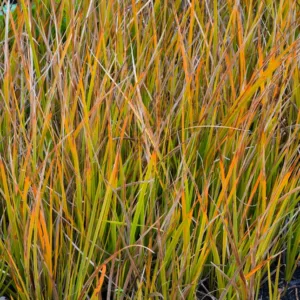
The foliage is the main event. Leaves are evergreen, leathery, upright to arching, and sword-shaped. Species plants are usually green, while cultivars may show bronze, burgundy, chocolate, purple, yellow, cream, pink, copper, or striped variegation. Because the plant holds its form year-round, it is invaluable in winter gardens when softer perennials have disappeared.
Size depends heavily on cultivar, climate, soil, and moisture. The straight species can become large, often 6-10 feet tall and wide in favorable climates, with flower stalks rising even higher. Compact cultivars may stay closer to 2-4 feet. Many garden plants sold as New Zealand flax are named cultivars selected for compact size or colored foliage. Check the label carefully, because mature size can vary dramatically from small container plants to large landscape specimens.
New Zealand flax is best in mild climates, typically USDA Zones 9-11. In colder areas, plants may be damaged by hard freezes, especially if the soil stays wet. Gardeners in marginal climates often grow phormium in containers, protect the crown in winter, or choose more sheltered planting sites with sharp drainage.
When in bloom, Phormium tenax can provide nectar for bees, butterflies, and hummingbirds. Its dense clumps also offer shelter for small wildlife. For a more wildlife-rich planting, pair it with long-blooming perennials, native grasses, flowering shrubs, and nectar-rich coastal plants.
New Zealand flax is often listed as deer and rabbit resistant because the leaves are tough, fibrous, and not especially tempting. However, hungry animals may sample almost anything, especially young plants. Protect newly planted phormiums until they are established.
Phormium tenax is drought tolerant once established, particularly in coastal climates. However, it looks lusher and grows more strongly with occasional deep watering during long dry spells. Containers dry faster than garden beds and need more consistent attention.
New Zealand flax is not grown as an edible plant. Leaves contain bitter compounds and should not be eaten. Keep pets and children from chewing the leaves, and wear gloves when pruning because the leaf edges and tips can be sharp.
Invasiveness varies by region. In some mild climates, seedlings may appear where plants flower and set seed. Remove unwanted seedlings and avoid dumping garden waste near natural areas. It is an invasive species in Hawaii where it invades native, high-elevation rainforests, forming dense, exclusive thickets. It is also considered an environmental weed in parts of southern Australia, particularly in Tasmania and Victoria.
Water regularly after planting so the roots establish deeply. Once established, reduce frequency and water deeply when soil becomes dry. In pots, keep the mix evenly moist but never waterlogged. A container-grown phormium should never sit in a saucer of standing water.
Feed lightly in spring if growth is weak or the plant is in a container. A balanced slow-release fertilizer or compost top-dressing is usually enough. Avoid pushing too much soft growth with high-nitrogen feeding, especially in windy sites.
Use gravel, bark, leaf mold, or compost as a light mulch to conserve moisture and suppress weeds. Keep mulch away from the crown so water does not collect at the base of the leaves.
Care tip:
Think of Phormium tenax as a foliage sculpture with roots. Give it light, drainage, airflow, and enough summer water to prevent stress, then let its form do the work.
Remove dead, damaged, split, or winter-burned leaves in spring. Cut individual leaves as close to the base as possible using sharp pruners or a pruning saw for large clumps. Do not shear the plant across the top, because blunt-cut leaves look ragged and unnatural.
Large clumps can be divided in spring if they become too wide, congested, or woody in the center. Lift sections with roots attached, trim damaged leaves, and replant divisions at the same depth. Keep divisions watered until new growth begins.
Phormium is excellent in large containers. Choose a heavy pot with drainage holes, use a free-draining mix, and position the plant where its leaves have room to arch. Container plants need more regular watering than in-ground plants and may need repotting or division every few years.
Phormium tenax can be propagated by division in spring. Division is the best method for named cultivars because it preserves leaf color, size, and habit. Seed propagation is possible for the species, but seedlings may vary and cultivars may not come true from seed.
New Zealand flax struggles in deep shade, waterlogged soil, hard prolonged freezes, humid stagnant corners, and small containers that dry out completely. Brown leaf tips may indicate drought stress, salt burn, wind damage, cold injury, or inconsistent watering. Crown collapse usually points to rot from excessive wetness or poor drainage.
| Task | Best Time |
|---|---|
| Planting | Spring, or fall in mild coastal climates |
| Flowering | Late spring to summer on mature plants |
| Pruning | Spring, or whenever damaged leaves appear |
| Dividing | Spring, as new growth begins |
| Winter Protection | Before hard frost in marginal climates |
Crown rot is the biggest risk where soil stays cold and wet. Plant slightly high, improve drainage, avoid burying the crown, and use containers or raised beds in heavy soils.
Mealybugs may hide deep inside leaf bases, especially on container plants or stressed specimens. Inspect regularly, remove heavily infested leaves, and improve airflow around crowded clumps.
Fungal leaf spots may appear in damp, poorly ventilated conditions. Remove affected leaves, avoid overhead watering, and give plants enough space for air movement.
Brown tips and split leaves are common after wind, drought, frost, or salt exposure. Trim individual damaged leaves at the base rather than cutting across the foliage fan.
Fast diagnostic: Upright, colorful, firm leaves mean happy. Floppy growth often means too much shade. Brown collapse at the crown usually means wet soil. Hidden white cottony patches may mean mealybugs.
Use Phormium tenax where the garden needs confidence. A single plant can anchor a container, mark an entry, frame a path, or give a border a bold vertical note. Repeated clumps create rhythm in modern landscapes, while colored cultivars can echo house trim, pottery, gravel, or nearby flowers.
Phormium tenax pairs best with plants that either echo its strappy form or contrast with softer, finer, or rounded textures.
New Zealand flax cultivars vary widely in size, color, and garden effect. Some are nearly black and dramatic, while others bring bronze, red, purple, or yellow-striped foliage to containers, coastal gardens, and modern planting schemes.
Yes. Phormium tenax is commonly called New Zealand flax or harakeke. It is an evergreen clump-forming perennial grown for bold sword-like foliage and coastal toughness.
Phormium tenax can grow 3 to 8 feet tall in many gardens, while species plants in ideal mild climates may reach 10 to 12 feet. Compact cultivars may stay much smaller.
Yes. Phormium tenax is drought tolerant once established, especially in coastal climates, but it looks best with occasional deep watering during long dry periods.
Phormium tenax tolerates part shade, but full sun usually gives stronger growth, better color, and a more upright habit. Deep shade can cause floppy, dull growth.
Yes. Phormium tenax is excellent for coastal gardens because it tolerates wind, salt spray, exposed conditions, and a range of well-drained soils.
Prune Phormium tenax in spring or whenever leaves are damaged. Remove individual old, split, or brown leaves at the base rather than shearing across the plant.
Phormium tenax is best in mild climates and is typically grown in USDA Zones 9 to 11. It may tolerate brief light frost, but hard freezes and wet winter soil can damage the crown.
Yes. Phormium tenax grows well in large containers with drainage holes and a free-draining potting mix. Container plants need more regular watering than in-ground plants and may need repotting or division every few years.
Updated: May 2026 • Reviewed by Gardenia Editors
| Hardiness |
9 - 11 |
|---|---|
| Heat Zones |
2 - 12 |
| Climate Zones | 7, 8, 9, 14, 15, 16, 17, 18, 19, 20, 21, 22, 23, 24, H1, H2 |
| Plant Type | Perennials |
| Plant Family | Xanthorrhoeaceae |
| Genus | Phormium |
| Common names | Flax, New Zealand Flax |
| Exposure | Full Sun, Partial Sun |
| Season of Interest | Spring (Early, Mid, Late), Summer (Early, Mid, Late), Fall, Winter |
| Height | 3' - 12' (90cm - 3.7m) |
| Spread | 3' - 6' (90cm - 180cm) |
| Spacing | 36" - 72" (90cm - 180cm) |
| Maintenance | Low |
| Water Needs | Low, Average |
| Soil Type | Loam, Sand |
| Soil pH | Acid, Alkaline, Neutral |
| Soil Drainage | Moist but Well-Drained, Well-Drained |
| Characteristics | Showy, Evergreen |
| Tolerances | Drought, Deer, Salt, Rabbit, Dry Soil, Wind, Poor Soil, Erosion |
| Attracts | Bees, Hummingbirds, Birds |
| Garden Uses | Beds And Borders, Patio And Containers, Rain Gardens |
| Garden Styles | City and Courtyard, Coastal Garden, Gravel and Rock Garden, Informal and Cottage, Mediterranean Garden, Pollinator Garden |
| Toxic to Humans | Low severity |
| Toxic to Cats | Toxic |
| Toxic to Dogs | Toxic |
| Toxic to Horses | Toxic |


| Hardiness |
9 - 11 |
|---|---|
| Heat Zones |
2 - 12 |
| Climate Zones | 7, 8, 9, 14, 15, 16, 17, 18, 19, 20, 21, 22, 23, 24, H1, H2 |
| Plant Type | Perennials |
| Plant Family | Xanthorrhoeaceae |
| Genus | Phormium |
| Common names | Flax, New Zealand Flax |
| Exposure | Full Sun, Partial Sun |
| Season of Interest | Spring (Early, Mid, Late), Summer (Early, Mid, Late), Fall, Winter |
| Height | 3' - 12' (90cm - 3.7m) |
| Spread | 3' - 6' (90cm - 180cm) |
| Spacing | 36" - 72" (90cm - 180cm) |
| Maintenance | Low |
| Water Needs | Low, Average |
| Soil Type | Loam, Sand |
| Soil pH | Acid, Alkaline, Neutral |
| Soil Drainage | Moist but Well-Drained, Well-Drained |
| Characteristics | Showy, Evergreen |
| Tolerances | Drought, Deer, Salt, Rabbit, Dry Soil, Wind, Poor Soil, Erosion |
| Attracts | Bees, Hummingbirds, Birds |
| Garden Uses | Beds And Borders, Patio And Containers, Rain Gardens |
| Garden Styles | City and Courtyard, Coastal Garden, Gravel and Rock Garden, Informal and Cottage, Mediterranean Garden, Pollinator Garden |
| Toxic to Humans | Low severity |
| Toxic to Cats | Toxic |
| Toxic to Dogs | Toxic |
| Toxic to Horses | Toxic |
How many Phormium tenax (New Zealand Flax) do I need for my garden?
| Plant | Quantity | |
|---|---|---|
| Phormium tenax (New Zealand Flax) | N/A | Buy Plants |
Create a membership account to save your garden designs and to view them on any device.
Becoming a contributing member of Gardenia is easy and can be done in just a few minutes. If you provide us with your name, email address and the payment of a modest $25 annual membership fee, you will become a full member, enabling you to design and save up to 25 of your garden design ideas.
Join now and start creating your dream garden!
Create a membership account to save your garden designs and to view them on any device.
Becoming a contributing member of Gardenia is easy and can be done in just a few minutes. If you provide us with your name, email address and the payment of a modest $25 annual membership fee, you will become a full member, enabling you to design and save up to 25 of your garden design ideas.
Join now and start creating your dream garden!