Fan flower, Fairy fan flower, Common fan-flower, Half flower, Blue fan flower, Blue fan-flower, Lobelia aemula, Merkusia aemula, Merkusia sinuata
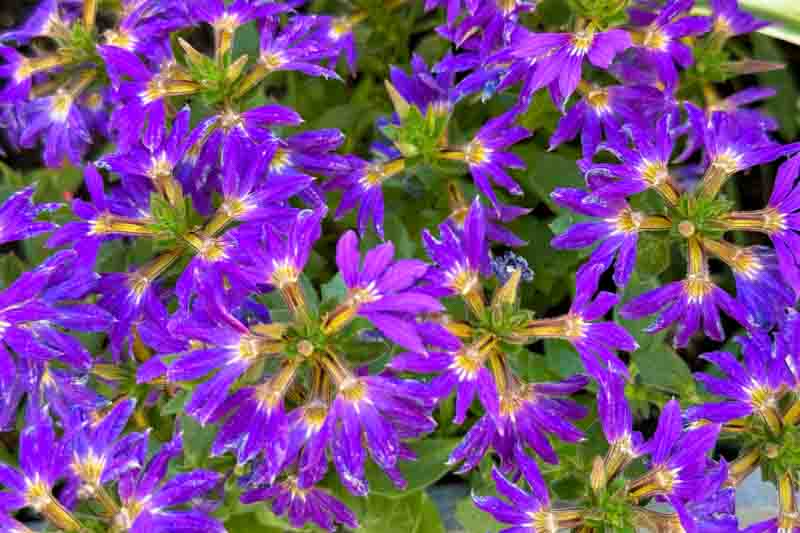
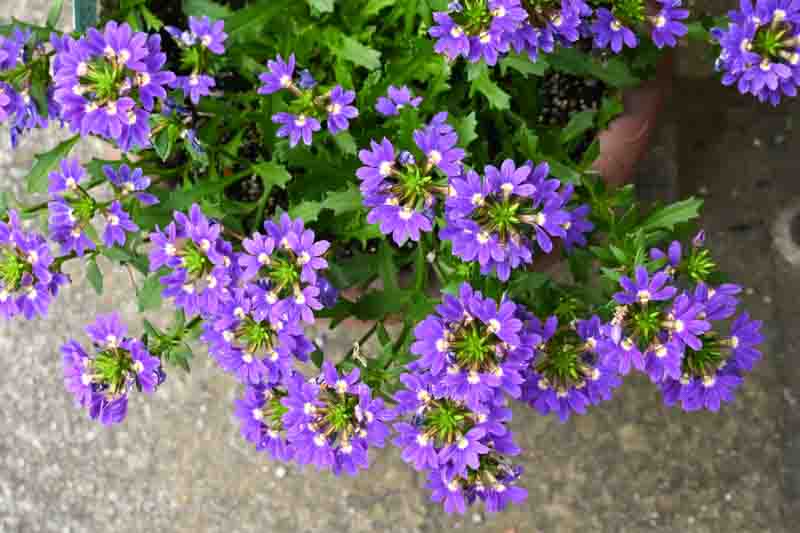


Scaevola aemula, commonly known as fan flower, fairy fan flower, or common fan-flower, is a heat-loving Australian native perennial prized for its cascading habit, nonstop fan-shaped blooms, drought tolerance, some salt and coastal exposure tolerance, and exceptional performance in containers, hanging baskets, window boxes, sunny borders, coastal gardens, and low-water landscapes. Often grown as an annual in cooler regions, this tough flowering plant behaves like a tender evergreen perennial in warm climates, where it can bloom for months with very little fuss.
This is the kind of plant that makes gardeners look clever. Scaevola aemula spills gracefully over pot rims, softens path edges, fills gaps in summer beds, and keeps flowering through heat that makes many annuals collapse. Its charming half-fan flowers – usually blue, lavender, violet, pink, or white with a bright throat – look delicate, but the plant itself is remarkably resilient.
Scaevola aemula is a trailing Australian fan flower grown for full sun to part shade, long bloom season, heat tolerance, drought tolerance, some salt and coastal exposure tolerancee, self-cleaning flowers, and excellent container performance. It grows best in well-drained soil, needs regular water while establishing, dislikes soggy roots, and is ideal for hanging baskets, window boxes, coastal gardens, mixed containers, edging, and summer ground cover.
Use: Hanging baskets, containers, window boxes, sunny borders, coastal gardens, annual ground cover, mixed planters, edging, and low-water summer displays.
Highlight: Produces masses of fan-shaped flowers on trailing, spreading stems from late spring to frost in cool climates and over a long season in warm climates.
Design note: Let it flow. Scaevola is at its best when allowed to cascade over rims, weave through companion plants, or spill across the front of a sunny border.
| Botanical Name | Scaevola aemula |
|---|---|
| Family | Goodeniaceae |
| Common Names | Fan Flower, Fairy Fan Flower, Common Fan-flower, Blue Fan Flower |
| Native Range | Australia, including dry shrubland, sandy soils, open habitats, and coastal-influenced regions |
| Plant Type | Tender evergreen perennial, usually grown as an annual in cold climates |
| Hardiness | USDA Zones 10-11 as a perennial; grown as a warm-season annual elsewhere |
| Height | Usually 8-18 in. tall, depending on cultivar and growing conditions |
| Spread | Often 18-24 in. wide, with trailing stems that may cascade farther in containers |
| Sun Exposure | Full sun to part shade; best flowering with at least 6 hours of bright light |
| Soil | Average, sandy, loamy, or potting mix soil with excellent drainage |
| Bloom Time | Late spring to frost in annual plantings; longer in frost-free climates |
| Flower Color | Blue, violet, lavender, purple, pink, or white, often with yellow or white throats |
| Foliage | Green, toothed, slightly fleshy leaves on trailing or spreading stems |
| Water Needs | Moderate during establishment; low to moderate once established; containers need more regular watering |
| Attracts | Bees, butterflies, and other pollinators |
| Best Uses | Hanging baskets, containers, window boxes, coastal gardens, summer bedding, edging, ground cover, and pollinator-friendly displays |
Scaevola aemula is a spreading to trailing flowering plant in the Goodeniaceae family. It is native to Australia and is widely cultivated for ornamental use because it combines a soft, tumbling habit with a remarkably long flowering season. The plant produces slender, branching stems clothed in green, toothed leaves and clusters of distinctive one-sided flowers that look like little handheld fans.
The flower shape is the reason gardeners remember it. Instead of forming a round daisy-like bloom, each blossom carries its petals on one side, creating a charming fan or half-flower effect. This unusual floral form gives Scaevola aemula strong visual identity in mixed containers, where it contrasts beautifully with round petunias, upright salvias, spiky grasses, and bold foliage plants.
Garden truth: Scaevola looks soft, but it is not fragile. Give it warmth, drainage, and enough light, and it will keep flowering through the kind of summer weather that shuts down fussier annuals.
Scaevola aemula is native to Australia, where it is associated with open habitats, sandy soils, dry shrubland, and warm climates. Its natural background explains why the plant handles heat, bright light, drought once established, and coastal conditions better than many traditional bedding plants.
Most garden forms grow about 8-18 inches tall and spread 18-24 inches wide, though some trailing cultivars can spill much farther over the edge of a container. Growth is quick in warm weather. Young plants usually fill out rapidly after planting, especially when pinched lightly or trimmed early to encourage branching.
The flowers appear over a long season and are commonly blue, lavender, violet, purple, pink, or white. Many have a bright yellow or white throat that gives the bloom extra sparkle. The foliage is green, slightly fleshy, and usually toothed, helping the plant tolerate short dry spells while maintaining a fresh, full look.
Scaevola aemula is perennial in warm, frost-free climates, especially USDA Zones 10-11. In colder regions, it is grown as a warm-season annual and planted after the danger of frost has passed. Container plants may be overwintered indoors in a bright location, but many gardeners simply replant fresh young plants each spring for the strongest display.
Full sun produces the most flowers and the densest growth. Aim for at least 6 hours of direct sun per day. In very hot climates, light afternoon shade can help keep the plant looking fresh, especially in containers. Too much shade, however, leads to fewer flowers, looser stems, and a thinner overall habit.
Drainage is non-negotiable. Scaevola aemula grows well in average garden soil, sandy soil, loam, and high-quality potting mix, provided water drains freely. It is not a plant for heavy, compacted, waterlogged soil. In garden beds, improve dense soil with compost and coarse material to encourage drainage. In containers, always use pots with drainage holes.
Water regularly after planting so roots can establish. Once established, fan flower has good drought tolerance in the landscape, but container-grown plants dry out faster and need more consistent attention. The goal is even moisture without saturation. Let the top layer of soil dry slightly, then water thoroughly and allow excess water to drain away.
Scaevola is floriferous, and heavy flowering takes energy. In garden beds, a light application of slow-release fertilizer at planting is usually enough. In hanging baskets and mixed containers, feed more regularly with a balanced liquid fertilizer or controlled-release fertilizer. Avoid excessive nitrogen, which can encourage leafy growth at the expense of flowers.
A light mulch can help conserve moisture in garden beds, but keep it loose and shallow around the crown. In containers, mulch is usually unnecessary. The most important rule is to avoid burying stems in wet organic material, especially during cool or rainy weather.
Care tip:
If a scaevola suddenly declines, check drainage before reaching for fertilizer. Wet roots are a bigger threat than poor soil.
Scaevola aemula is one of the best summer plants for movement, softness, and long-lasting color. Its trailing habit makes it especially valuable where a plant can tumble, drift, or spill. Use it at the edge of a raised bed, in the front of a sunny border, in a patio container, or as the flowing element in a hanging basket.
One of the great advantages of Scaevola aemula is that it is self-cleaning. The spent flowers usually drop or disappear without the constant deadheading required by many annuals. That makes it a smart choice for busy gardeners, vacation homes, public planters, and hot patios where daily grooming is unrealistic.
Light trimming is still useful. If stems become stretched, uneven, or tired in midsummer, cut them back by about one-third, water well, and feed lightly. New growth usually follows quickly in warm weather. Pinching young plants can also encourage a fuller, more branched habit before the main bloom display begins.
Fan flower dislikes cold, soggy soil, poor drainage, and heavy shade. It may also struggle in small baskets that dry out completely every afternoon, especially during hot, windy weather. If a plant wilts repeatedly, move it to a larger container or improve watering consistency. If it collapses while the soil is wet, root rot is more likely than drought.
Fast diagnostic: Few flowers usually mean too little light. Yellowing and collapse often point to wet roots. Crispy edges in baskets usually mean the plant is drying out too hard between waterings.
| Task | Best Time |
|---|---|
| Planting | Spring after frost danger has passed and nights are warm |
| Flowering | Late spring through fall in most annual plantings |
| Trimming | Any time plants become leggy, uneven, or tired |
| Cuttings | Warm growing season, especially late summer if overwintering indoors |
Scaevola aemula is commonly propagated from stem cuttings, especially named cultivars that do not come true from seed. Take healthy non-flowering stem tips, remove the lower leaves, and place them in a moist, well-drained propagation mix. Keep cuttings warm, bright, and humid but not wet. Once rooted, move them into small pots and grow them on in strong light.
Gardeners in cool climates sometimes take cuttings in late summer to overwinter indoors. This is useful if you have a favorite cultivar, but plants need bright light and careful watering through winter. Weak, pale indoor growth can be trimmed back in spring before the plant returns outdoors.
Root rot is the most common problem. It is usually caused by soggy soil, poor drainage, overwatering, or containers without proper drainage holes. Symptoms include yellowing leaves, wilting even when soil is moist, blackened stems, and sudden collapse. Improve drainage and reduce watering immediately.
Low light is the usual cause of weak flowering. Move pots into brighter conditions or trim back nearby plants that cast shade. Heavy nitrogen feeding can also encourage foliage instead of blooms.
Long, thin stems can develop when plants are shaded, underfed in containers, or grown without occasional trimming. Pinch or shear lightly to restore shape and stimulate side shoots.
Hanging baskets dry out quickly. If foliage wilts daily, the root ball may be too dry or the basket may be too small. Water deeply, consider a larger container, and use a quality potting mix that holds moisture while still draining freely.
Scaevola is generally trouble-free, but aphids, whiteflies, spider mites, or thrips may appear under stress, especially in greenhouse or indoor overwintering conditions. Strong light, good airflow, and prompt treatment help prevent minor pest issues from becoming serious.
Good companions for Scaevola aemula should like sun, warmth, well-drained soil, and moderate to low water once established. Choose plants that contrast with scaevola’s trailing habit while sharing similar container, coastal, and summer-garden needs.
Scaevola aemula is a tender perennial in warm climates, especially USDA Zones 10-11, but it is usually grown as a warm-season annual in colder regions.
Scaevola aemula flowers best in full sun, ideally with at least 6 hours of bright light each day. It can tolerate part shade, especially in hot climates, but too much shade reduces blooming.
Water Scaevola aemula regularly while it establishes. Once established, water when the top layer of soil begins to dry. Container plants need more frequent watering than plants in garden beds.
No. Scaevola aemula is self-cleaning and does not need regular deadheading. Light trimming can refresh leggy plants and encourage fuller growth.
Scaevola aemula most often declines from overwatering, poor drainage, root rot, cold temperatures, or too little light. Check whether the soil is staying wet before adding more water or fertilizer.
Yes. Scaevola aemula is one of the best plants for hanging baskets because its trailing stems cascade beautifully, its flowers are self-cleaning, and it tolerates heat better than many summer annuals.
Yes. Scaevola aemula is drought tolerant once established, especially in well-drained garden soil. However, plants in containers and hanging baskets still need regular watering during hot weather.
Updated: May 2026 • Reviewed by Gardenia Editors
| Hardiness |
10 - 11 |
|---|---|
| Climate Zones | 8, 9, 14, 15, 16, 17, 18, 19, 20, 21, 22, 23, 24, H1, H2 |
| Plant Type | Perennials |
| Plant Family | Goodeniaceae |
| Exposure | Full Sun, Partial Sun |
| Season of Interest | Spring (Early, Mid, Late), Summer (Early, Mid, Late), Fall, Winter |
| Height | 8" - 2' (20cm - 60cm) |
| Spread | 1' - 2' (30cm - 60cm) |
| Spacing | 18" - 24" (50cm - 60cm) |
| Maintenance | Low |
| Water Needs | Low, Average |
| Soil Type | Chalk, Loam, Sand |
| Soil pH | Acid, Neutral, Alkaline |
| Soil Drainage | Well-Drained |
| Characteristics | Showy, Evergreen |
| Native Plants | Australia |
| Tolerance | Drought, Salt, Dry Soil, Rocky Soil |
| Attracts | Bees, Butterflies |
| Garden Uses | Hanging Baskets, Patio And Containers |
| Garden Styles | Coastal Garden, Informal and Cottage, Mediterranean Garden |


| Hardiness |
10 - 11 |
|---|---|
| Climate Zones | 8, 9, 14, 15, 16, 17, 18, 19, 20, 21, 22, 23, 24, H1, H2 |
| Plant Type | Perennials |
| Plant Family | Goodeniaceae |
| Exposure | Full Sun, Partial Sun |
| Season of Interest | Spring (Early, Mid, Late), Summer (Early, Mid, Late), Fall, Winter |
| Height | 8" - 2' (20cm - 60cm) |
| Spread | 1' - 2' (30cm - 60cm) |
| Spacing | 18" - 24" (50cm - 60cm) |
| Maintenance | Low |
| Water Needs | Low, Average |
| Soil Type | Chalk, Loam, Sand |
| Soil pH | Acid, Neutral, Alkaline |
| Soil Drainage | Well-Drained |
| Characteristics | Showy, Evergreen |
| Native Plants | Australia |
| Tolerance | Drought, Salt, Dry Soil, Rocky Soil |
| Attracts | Bees, Butterflies |
| Garden Uses | Hanging Baskets, Patio And Containers |
| Garden Styles | Coastal Garden, Informal and Cottage, Mediterranean Garden |
How many Scaevola aemula (Fan Flower) do I need for my garden?
| Plant | Quantity | |
|---|---|---|
| Scaevola aemula (Fan Flower) | N/A | Buy Plants |
Create a membership account to save your garden designs and to view them on any device.
Becoming a contributing member of Gardenia is easy and can be done in just a few minutes. If you provide us with your name, email address and the payment of a modest $25 annual membership fee, you will become a full member, enabling you to design and save up to 25 of your garden design ideas.
Join now and start creating your dream garden!
Create a membership account to save your garden designs and to view them on any device.
Becoming a contributing member of Gardenia is easy and can be done in just a few minutes. If you provide us with your name, email address and the payment of a modest $25 annual membership fee, you will become a full member, enabling you to design and save up to 25 of your garden design ideas.
Join now and start creating your dream garden!