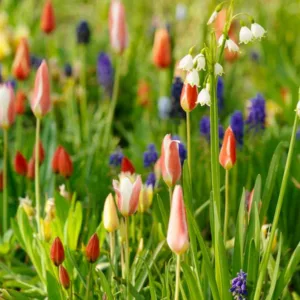
Do deer eat tulips? Yes - foliage, buds, and flowers are highly vulnerable. Learn whether browsed tulips can recover, how to protect favorite varieties, and which lower-browse bulbs can replace tulips for massed color, fragrance, height, early bloom, or naturalizing without sacrificing your spring garden display.
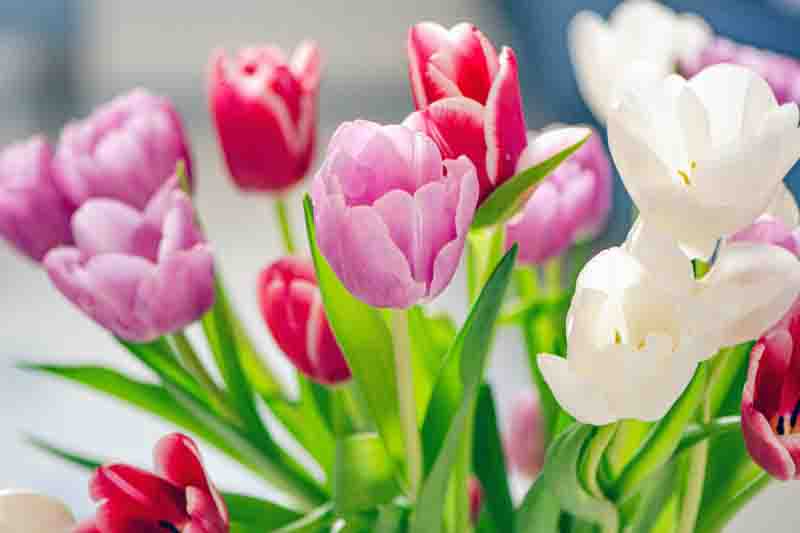


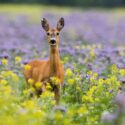
Yes. Deer readily eat tulips, including emerging leaves, flower stems, buds, and blooms. Tulips are among the spring bulbs most vulnerable to deer browsing. If deer remove the flower bud, that year’s bloom is lost, even if the bulb survives. In deer-prone gardens, protecting tulips directly or replacing part of the display with lower-browse bulbs such as daffodils, ornamental alliums, hyacinths, grape hyacinths, snowdrops, or crown imperials can provide more dependable spring color.
Tulips are one of the clearest examples of a beautiful spring plant that deer readily browse.
Iowa State University Extension describes tulips as highly desirable to deer and other wildlife and warns that emerging foliage and flower buds may be eaten right down to the ground.
The timing makes the damage especially frustrating. Tulips may grow normally for weeks, develop promising flower buds, and then lose them shortly before they open.
Once that happens, the flowers are gone for the season. Tulips do not have months of continuous bloom in which to replace those lost buds.
Local deer pressure still matters. Tulips inside a fenced courtyard may never be touched, while the same varieties planted beside a woodland edge can be browsed year after year.
But where deer regularly visit the garden, tulips should be treated as high-risk spring bulbs, not as plants that can be made reliably deer resistant through cultivar choice.
Deer commonly browse the tender growth above ground.
That can include:
A bed filled with healthy-looking leaves but no flowers may simply have lost its buds to browsing.
Newly planted bulbs can also be disturbed or eaten by wildlife. Deer are among the animals that may damage bulbs, but squirrels, chipmunks, voles, mice, and other animals can be responsible too. Digging damage alone does not reliably identify the culprit.
That distinction matters because below-ground protection and above-ground browsing protection solve different problems.
Gardenia’s Tulip Damage Check: missing leaves, stems, buds, or flowers after emergence strongly suggest browsing. Dug-up or missing bulbs may involve deer or other wildlife, so look for tracks, digging patterns, and other evidence before deciding what caused the damage.
The answer depends on what deer removed.
If they eat the flower bud or bloom but leave most of the foliage intact, the tulip will not flower again that season. The leaves can still photosynthesize and help replenish the bulb.
If deer remove much of the foliage, the bulb loses some of its ability to rebuild its energy reserves.
Tulip leaves normally remain after flowering and gradually yellow as the bulb stores energy for the next growth cycle. Removing that foliage too early – whether through browsing or cutting it back – can weaken future performance.
Do not automatically dig up a browsed tulip. If healthy leaves remain, allow them to grow until they yellow and die back naturally.
The practical distinction is:
There is not strong evidence for a dependable cultivar-level deer-resistance ranking among tulips.
Darwin hybrids, Triumph tulips, species tulips, lily-flowered tulips, doubles, parrots, fringed tulips, and other groups differ greatly in flower form, height, bloom season, and garden performance, but they should not be selected on the assumption that one class is reliably protected from deer.
Use Gardenia’s Tulip Guides to choose tulips for bloom time, color, height, flower form, climate, and garden role.
Then treat deer pressure as a separate risk that may require direct protection.
Do not choose a tulip because it is casually described as “deer resistant.” Where deer are active, assume tulips are vulnerable and decide whether you want to protect them or shift more of the spring display toward lower-browse bulbs.
If deer destroy your tulips every spring, you can still create a strong bulb display without relying on high-risk plants.
Iowa State lists several spring-flowering bulbs that deer and rabbits seldom bother, while Rutgers rates several of the same groups among bulbs rarely damaged by deer.
The best replacement depends on what you wanted the tulips to contribute.
| If You Wanted Tulips For… | Consider… | Why It Works |
|---|---|---|
| Classic massed spring color | Daffodils | Strong deer-resistance record, wide range of heights and colors, and many selections naturalize well |
| Tall architectural accents | Ornamental Alliums | Tall stems and spherical flowers create vertical drama later in spring with much lower browse risk |
| Fragrance and formal bedding | Hyacinths | Dense flower spikes, strong fragrance, and rich spring color; deer generally leave them alone |
| Low blue or purple spring color | Grape Hyacinths | Useful for edging, underplanting, and low drifts with lower browse risk than tulips |
| Very early flowers | Snowdrops | Among the earliest bulbs to flower and generally avoided by deer |
| A dramatic tall spring focal point | Crown Imperials | Bold upright flower clusters and a strong deer-resistance record, although their appearance differs greatly from tulips |
Siberian squill is also resistant to deer, but it can spread aggressively and is considered invasive in some regions. Check local recommendations before planting it, especially if you want a naturalizing bulb.
None of these plants perfectly duplicates a tulip, and that is not the goal.
The better replacement is the lower-browse bulb that performs the same job in the spring composition. Daffodils can provide massed color, alliums add height, hyacinths add fragrance, snowdrops extend the season earlier, and grape hyacinths fill the lower layer.
Yes, but resistant bulbs will not reliably protect neighboring tulips.
A planting of tulips, daffodils, alliums, and hyacinths can look beautiful, but deer may simply eat the tulips and leave the other bulbs untouched.
A better strategy is to let lower-browse bulbs carry most of the dependable spring display and use tulips selectively in places where protection is realistic, such as enclosed gardens, protected beds, or containers.
This way, losing a few tulips does not mean losing the whole spring show.
If tulips are important to your spring garden, direct protection is more dependable than companion planting.
Physical exclusion is the most reliable option. Temporary fencing, wire barriers, or netting can protect emerging tulips during the vulnerable period before and during flowering.
Protect them early. Waiting until buds are almost ready to open may be too late if deer already know the bed as a feeding site.
Repellents may help under lighter pressure, but weather, new growth, and deer pressure can reduce their effectiveness. Follow the product label and maintain applications as directed.
Containers can make protection easier. Tulips on enclosed patios, terraces, porches, or other inaccessible locations let you keep favorite cultivars without exposing an entire bed.
If bulbs are being dug before emergence, additional below-ground or soil-surface protection may be needed as well, because several animals can disturb newly planted bulbs.
You do not have to eliminate tulips completely just because deer visit the garden.
Instead, decide how much of the spring display you are willing to expose to browsing risk. In high-pressure gardens, use lower-browse bulbs for the dependable backbone and reserve tulips for protected locations.
Gardenia’s Deer-Smart Spring Bulb Strategy: replace the garden role, not simply the tulip. Decide whether you need massed color, height, fragrance, very early bloom, naturalizing ability, or a dramatic focal point, then choose lower-browse bulbs that provide those qualities.
Explore Gardenia’s flower bulbs deer usually avoid for more lower-browse choices, or use the Gardenia Plant Finder to combine deer resistance with hardiness, sun, soil, drainage, flower color, height, bloom season, naturalizing ability, and garden use.
If you still want tulips, use Gardenia’s Tulip Comparisons to compare varieties by flowering season, height, form, climate, and garden role rather than searching for an unsupported “deer-proof tulip.”
Then use the Gardenia Design Tool to check whether your bulbs and companion plants share compatible growing conditions before planting them together.
Yes. Tulips are highly attractive to deer. Deer may eat emerging foliage, flower stems, buds, and blooms, sometimes removing the developing flowers before they open.
No. If deer remove a tulip flower bud, that flower is lost for the season. The bulb may still survive if enough healthy foliage remains to replenish its energy reserves.
Deer can damage newly planted bulbs, but squirrels, chipmunks, voles, mice, and other animals may also dig or eat them. Digging damage alone does not reliably identify the culprit. Deer are especially troublesome after tulips emerge, when they browse leaves and flower buds.
Tulips should not be treated as reliably deer resistant. There is not strong evidence for a dependable deer-resistance ranking among common tulip classes or cultivars.
Lower-browse alternatives include daffodils, ornamental alliums, hyacinths, grape hyacinths, snowdrops, and crown imperials. Choose among them by bloom time, height, color, fragrance, naturalizing ability, and garden role.
Yes. Daffodils have a strong deer-resistance record and are one of the best lower-browse substitutes for massed spring color.
No. Planting deer-resistant bulbs around tulips does not reliably protect them. Deer can browse vulnerable tulips while leaving neighboring daffodils or alliums untouched.
Physical barriers are the most dependable option. Temporary fencing, wire barriers, netting, or protected containers can keep deer away from emerging tulips. Repellents may help under lighter pressure but require maintenance.
Updated: September 2026 – Reviewed by Gardenia Editors
| Hardiness |
3 - 8 |
|---|---|
| Plant Type | Bulbs |
| Plant Family | Liliaceae |
| Genus | Tulipa |
| Exposure | Full Sun |
| Season of Interest | Spring (Early, Mid, Late) |
| Maintenance | Low |
| Water Needs | Average |
| Soil Type | Chalk, Loam, Sand |
| Soil pH | Acid, Neutral |
| Soil Drainage | Well-Drained |
| Characteristics | Cut Flowers, Showy |
| Landscaping Ideas | Beds And Borders, Patio And Containers |
| Garden Styles | City and Courtyard, Gravel and Rock Garden, Informal and Cottage |


| Hardiness |
3 - 8 |
|---|---|
| Plant Type | Bulbs |
| Plant Family | Liliaceae |
| Genus | Tulipa |
| Exposure | Full Sun |
| Season of Interest | Spring (Early, Mid, Late) |
| Maintenance | Low |
| Water Needs | Average |
| Soil Type | Chalk, Loam, Sand |
| Soil pH | Acid, Neutral |
| Soil Drainage | Well-Drained |
| Characteristics | Cut Flowers, Showy |
| Landscaping Ideas | Beds And Borders, Patio And Containers |
| Garden Styles | City and Courtyard, Gravel and Rock Garden, Informal and Cottage |
Create a membership account to save your garden designs and to view them on any device.
Becoming a contributing member of Gardenia is easy and can be done in just a few minutes. If you provide us with your name, email address and the payment of a modest $25 annual membership fee, you will become a full member, enabling you to design and save up to 25 of your garden design ideas.
Join now and start creating your dream garden!