Why do deer devour some garden plants and ignore others? Discover the flowers, shrubs, bulbs, evergreens, and vegetables deer eat most often - including hostas, tulips, hydrangeas, roses, and arborvitae - plus smarter lower-browse alternatives that can fill the same role without sacrificing color, structure, or garden style.
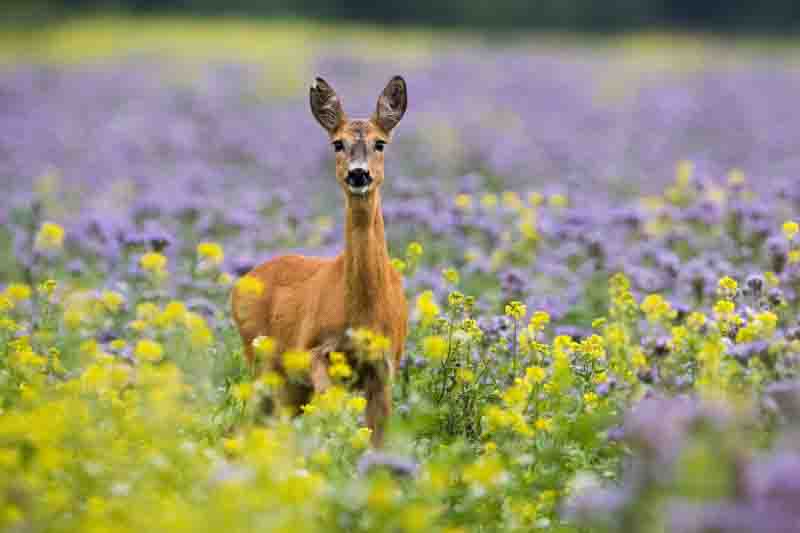


If deer regularly visit your garden, some plants seem to disappear much faster than others. Hostas may be reduced to ragged stalks, tulip buds can vanish just before they open, and an arborvitae hedge may develop a browse line exactly where deer can reach.
That does not mean deer eat every plant equally, or that they follow a fixed list of “favorites.” Deer are selective browsers, but their choices change with season, local food supplies, deer density, drought, winter conditions, and the habits of the local herd. A plant ignored for years can suddenly be sampled when pressure increases.
For gardeners, the useful question is not simply, “Do deer eat this plant?” It is: How likely is serious damage, what part of the plant is vulnerable, and is there a lower-browse alternative that can perform the same job in the garden?
Plants deer commonly browse include hostas, tulips, daylilies, roses, many hydrangeas, yews, American arborvitae, azaleas, rhododendrons, fruit trees, and many vegetable crops. Deer preference varies with region, season, population pressure, and food availability, so no vulnerable plant is guaranteed to be eaten and no resistant plant is completely deer-proof.
Deer do not browse a garden according to a fixed menu. Their choices shift through the year and from one property to another.
Tender spring growth is often especially vulnerable because it is soft, succulent, and easy to browse. Young shoots, flower buds, fresh leaves, and new stems may be more appealing than coarse, leathery, aromatic, hairy, spiny, or otherwise less palatable foliage.
Rutgers uses a four-part deer-resistance scale that is much more useful than simply calling a plant “deer resistant” or “not deer resistant”:
This hierarchy matters. Rutgers places daylilies in its Occasionally Severely Damaged group, while hostas are Frequently Severely Damaged. Several major hydrangeas are in Category C, while yews and many rhododendrons fall into Category D.
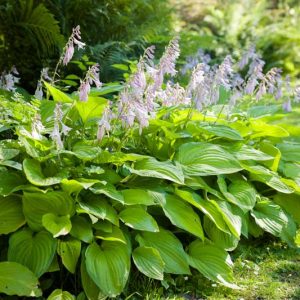
Hostas are among the most familiar casualties in shade gardens. Their broad, tender foliage sits conveniently within browsing height, and established plants can be reduced to bare petioles surprisingly quickly.
NC State explicitly notes that deer and rabbits enjoy hosta foliage, while Rutgers places Hosta in its Frequently Severely Damaged category. Where deer visit regularly, valuable hostas often need direct protection.
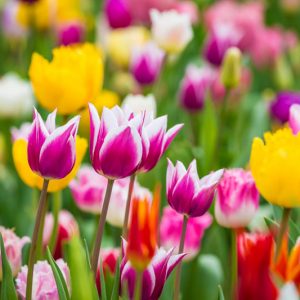
Tulips are among the spring bulbs most likely to disappoint gardeners in deer country. Deer may browse the emerging leaves, stems, flower buds, and blooms.
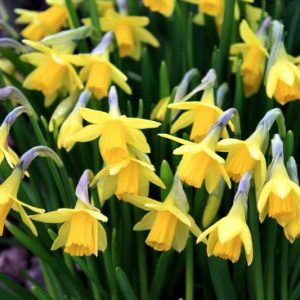
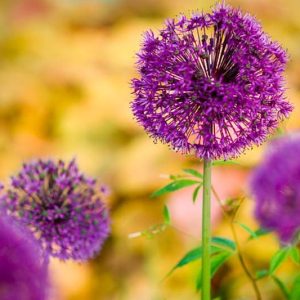
If tulips are essential to your spring display, grow them as a plant that may need protection rather than expecting nearby deer-resistant bulbs to keep deer away. Daffodils and ornamental alliums offer much lower-browse options for spring color.
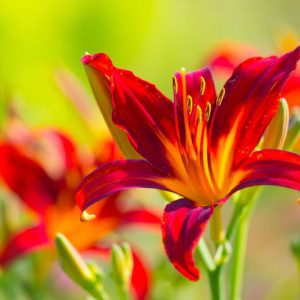
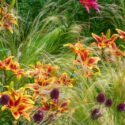
Daylilies are famously durable in many ways, but deer resistance is not one of their strongest attributes. Rutgers rates Hemerocallis as Occasionally Severely Damaged.
Fresh foliage and flower buds are both vulnerable. Losing buds just before they open is particularly frustrating because the plant may survive perfectly well while the year’s floral display disappears.
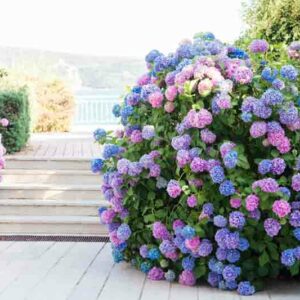
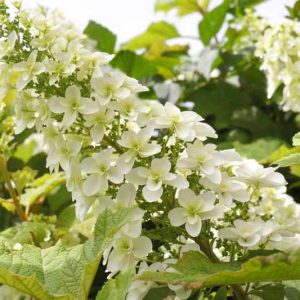
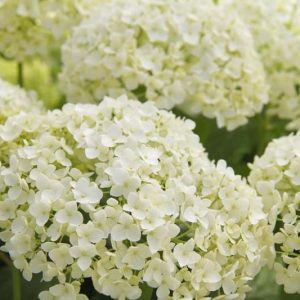
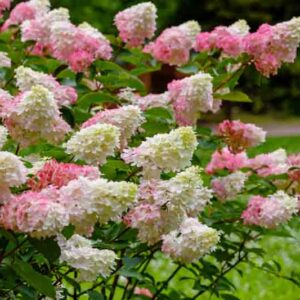
Hydrangeas should not be treated as a deer-resistant genus. Rutgers places smooth hydrangea, bigleaf hydrangea, panicle hydrangea, and oakleaf hydrangea in the Occasionally Severely Damaged category.
That does not mean every hydrangea will be ruined. In many gardens they perform well. But tender shoots and buds may be browsed, and repeated feeding can reduce flowering as well as spoil the shape of the shrub.
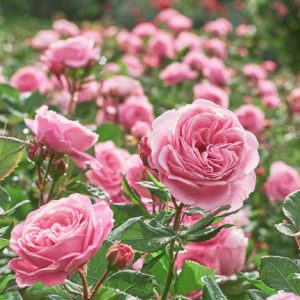
Roses can lose tender shoots, leaves, buds, and flowers to deer despite their thorns.
It is important not to treat every rose as equally vulnerable. Rutgers places hybrid tea rose, rugosa rose, and multiflora rose in its Occasionally Severely Damaged group, illustrating why species and rose type matter.
If a particular rose is important to you, protection is usually a more reliable strategy than assuming another rose type will be ignored.
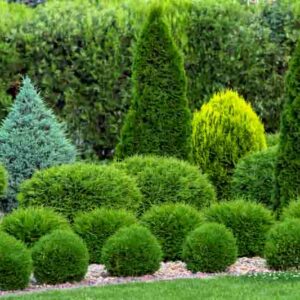
Yews and American arborvitae deserve special attention because repeated deer browsing can permanently alter an evergreen hedge.
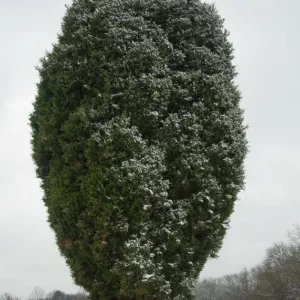
Rutgers places yews and Thuja occidentalis among plants that are Frequently Severely Damaged. American arborvitae may become thin or bare within the browse zone, creating the familiar flat-sided or elevated hedge line seen in deer-heavy neighborhoods.
| Genus | Achillea, Allium, Athyrium, Caryopteris, Epimedium, Helleborus, Hemerocallis, Hosta, Hyacinthus, Hydrangea, Ilex, Iris, Pieris, Pinus, Rosa, Salvia, Syringa, Taxus, Tulipa |
|---|---|
| Tolerance | Deer |
The best deer-resistant substitute is not simply the plant with the highest resistance rating. It should perform a similar job in the garden.
A hosta growing beneath a maple needs a shade-tolerant replacement. A tulip bed needs another source of spring color. A six-foot evergreen screen needs another woody plant with the right mature dimensions. Replacing plants without considering their role often creates a new problem.
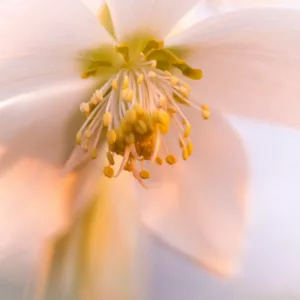
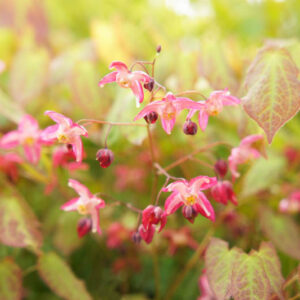
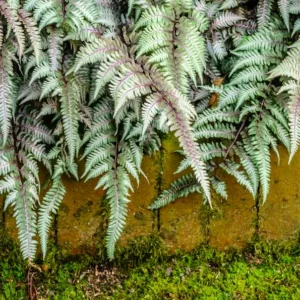
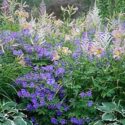
For shade and foliage texture, consider hellebores, Epimedium, or a deer-resistant fern suited to your soil and moisture. The goal is not to imitate a hosta perfectly, but to replace its garden role with plants that are less likely to be browsed.
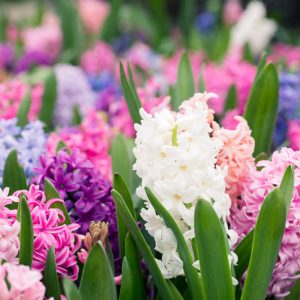
For spring color, daffodils, ornamental alliums, and hyacinths offer much stronger deer-resistance records than tulips while still providing a strong seasonal display.
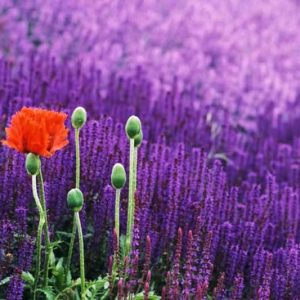
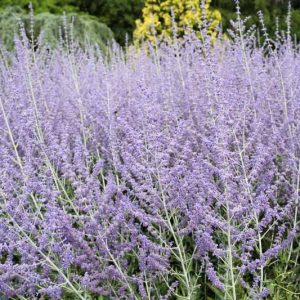
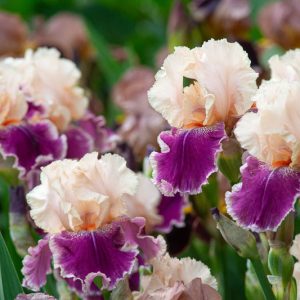
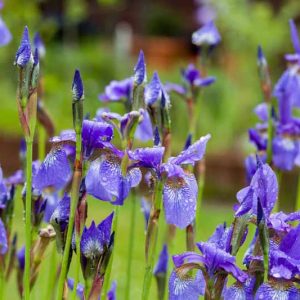
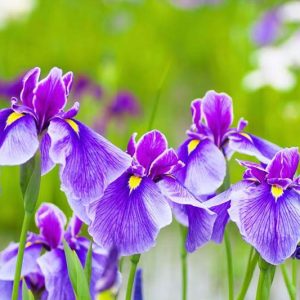
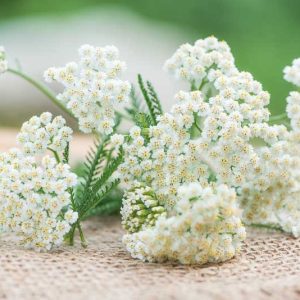
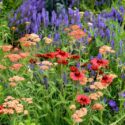
For sunny borders and summer flowers, consider hardy salvias, iris, and yarrow. These plants can fill a similar flowering role while generally presenting less browsing risk.
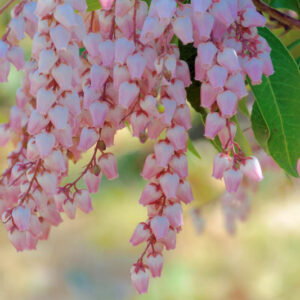
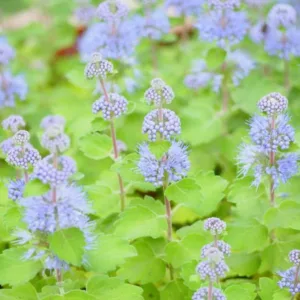
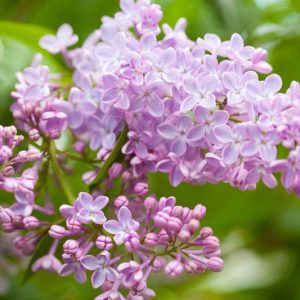
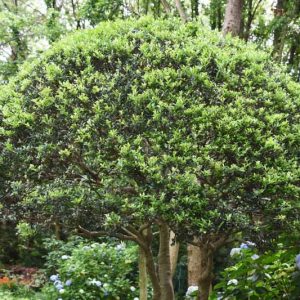
Consider Caryopteris, lilac, or Pieris, provided the plant suits your hardiness zone, light, soil, and mature-space requirements.
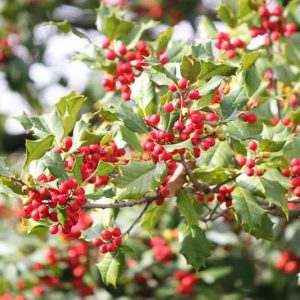
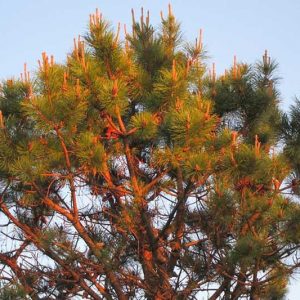
For evergreen screening, consider a deer-resistant holly, juniper, or pine whose mature height, spread, hardiness, and soil requirements match the site. The best substitute depends on how much screening you need and how much room the plant has to develop.
The best substitute depends on why the yew was planted. For a clipped hedge, foundation planting, or evergreen structure, choose a lower-browse shrub that matches the required height, spread, sun exposure, soil conditions, and pruning tolerance.
Shade gardens can be especially frustrating because hostas are so useful – and so vulnerable. Their broad leaves fill space beautifully beneath trees and shrubs, but that same tender foliage is attractive to deer.
The answer is not necessarily to find a perfect hosta look-alike. Think about what the hosta was contributing to the design.
A mixed foliage planting often proves more visually interesting than replacing every hosta with one alternative species anyway.
Sunny flower borders often contain some of the plants gardeners most hate to lose: roses, daylilies, lilies, tulips, and other conspicuous flowers.
You do not have to redesign the entire border around deer. Decide which vulnerable plants are worth protecting and which garden roles can be shifted toward lower-risk choices.
For long summer color, Salvia, catmint, lavender, yarrow, and suitable ornamental grasses can reduce dependence on browse-prone perennials.
For spring color, daffodils and alliums can carry much of the display while tulips are concentrated in containers, enclosed spaces, or beds that can be protected.
If roses are essential, keep the roses. What does not work reliably is assuming that surrounding them with aromatic or deer-resistant plants creates a protective barrier.
Woody plants deserve special attention because repeated damage can affect their structure for years. A perennial may regrow from the crown. An evergreen hedge that repeatedly loses its lower branches may never regain the same density.
Hydrangeas occupy a middle-risk position. Smooth, bigleaf, panicle, and oakleaf hydrangeas are all rated Occasionally Severely Damaged by Rutgers.
Rhododendrons and azaleas require more nuance. Rutgers places several deciduous rhododendrons and azaleas in Category C, while evergreen azaleas and rhododendrons appear in the Frequently Severely Damaged group.
Yews are high-risk evergreens and can be heavily browsed, particularly in winter when other food is less available.
American arborvitae is another high-risk species. It is important to say Thuja occidentalis, because the genus is not uniform. Rutgers places Western arborvitae, Thuja plicata, in a less vulnerable category than American arborvitae.
That species-level difference is exactly why broad statements such as “deer eat arborvitae” can be too simplistic for plant selection.
Vegetable gardens are different from ornamental borders because gardeners intentionally grow tender, nutritious, fast-growing plants – exactly the kind of material wildlife may find appealing.
University of Maryland Extension notes that deer may feed on almost any vegetable plant depending on available food, deer numbers, season, and garden location. Tender seedlings and new stems are especially vulnerable.
Fruit trees can also lose young shoots and buds, while recently planted trees face the additional risk of antler rubbing on their trunks.
Where deer regularly enter a vegetable garden, looking for a short list of “deer-resistant vegetables” is usually less useful than excluding the deer. Modern fencing systems range from tall physical barriers to properly installed electric designs, and physical exclusion remains the most dependable strategy where losses are unacceptable.
Do not blame deer automatically. Rabbits, groundhogs, rodents, insects, and other animals can produce damage that looks surprisingly similar at first glance.
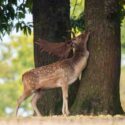
Deer lack upper incisors, so they tear vegetation rather than making a clean bite. Maryland Extension describes browsed stems and twigs as torn or jagged, with damage potentially occurring from ground level to about six feet high.
If bulbs are being excavated, roots are gnawed, or damage remains entirely at ground level, investigate another culprit before changing your planting.
Replacing a deer-damaged plant only works if the substitute can do the same job in the same spot. Gardenia’s Browse-Risk Swap looks at browse risk, garden role, growing conditions, mature size, and seasonal value together.
The key question: “What lower-risk plant can perform the same job in this exact site?”
Use the Gardenia Plant Finder to find deer-resistant plants suited to your garden, browse Deer-Resistant Garden Ideas for inspiration, and use the Garden Design Tool to see how your choices work together.
Not every deer-damaged plant needs to be removed. The right response depends on how much damage occurs, how much the plant matters to you, and whether a convincing alternative exists.
Where deer pressure is severe, physical exclusion is the most dependable option. Repellents may reduce feeding, but results vary with weather, deer pressure, plant growth, and the product used. Follow the label rather than relying on a fixed calendar.
For a broader strategy, explore Gardenia’s complete guide to deer-resistant plants.
Commonly browsed garden plants include hostas, tulips, daylilies, roses, hydrangeas, yews, American arborvitae, azaleas, rhododendrons, fruit trees, and many vegetable crops. Deer preference varies by region, season, population pressure, and food availability.
Yes. Hostas are highly vulnerable to deer browsing. North Carolina Extension notes that deer enjoy their tender foliage, and Rutgers rates Hosta as frequently severely damaged.
Yes. Deer can browse tulip foliage, stems, buds, and flowers. Daffodils and ornamental alliums generally offer lower-browse alternatives for spring color.
Yes. Rutgers rates smooth, bigleaf, panicle, and oakleaf hydrangeas as occasionally severely damaged. Browsing pressure varies considerably from one garden to another.
Yes. Deer may browse rose leaves, shoots, buds, and flowers. Risk varies among rose species and types, so roses should not all be given the same resistance rating.
American arborvitae, Thuja occidentalis, is highly vulnerable and is rated by Rutgers as frequently severely damaged. Other Thuja species can differ, so check the exact species rather than assuming all arborvitae have the same risk.
Deer may feed on almost any vegetable plant, especially tender seedlings and young growth. Which crops are damaged depends on deer numbers, season, location, and what other food is available.
Choose replacements by garden role and growing conditions. Examples include hellebores or Epimedium instead of hostas, daffodils or alliums instead of tulips, and suitable deer-resistant hollies, junipers, or pines instead of vulnerable evergreen screens.
No. Deer-resistant plants are less likely to be browsed, not immune to damage. Hunger, winter weather, drought, high deer populations, and local herd preferences can change what deer are willing to eat.
Updated: September 2026
| Genus | Achillea, Allium, Athyrium, Caryopteris, Epimedium, Helleborus, Hemerocallis, Hosta, Hyacinthus, Hydrangea, Ilex, Iris, Pieris, Pinus, Rosa, Salvia, Syringa, Taxus, Tulipa |
|---|---|
| Tolerance | Deer |
Create a membership account to save your garden designs and to view them on any device.
Becoming a contributing member of Gardenia is easy and can be done in just a few minutes. If you provide us with your name, email address and the payment of a modest $25 annual membership fee, you will become a full member, enabling you to design and save up to 25 of your garden design ideas.
Join now and start creating your dream garden!
Create a membership account to save your garden designs and to view them on any device.
Becoming a contributing member of Gardenia is easy and can be done in just a few minutes. If you provide us with your name, email address and the payment of a modest $25 annual membership fee, you will become a full member, enabling you to design and save up to 25 of your garden design ideas.
Join now and start creating your dream garden!