About 25 percent of the plant species native to North America are at risk of extinction. You can help reverse this trend by planting great native plants in your garden.
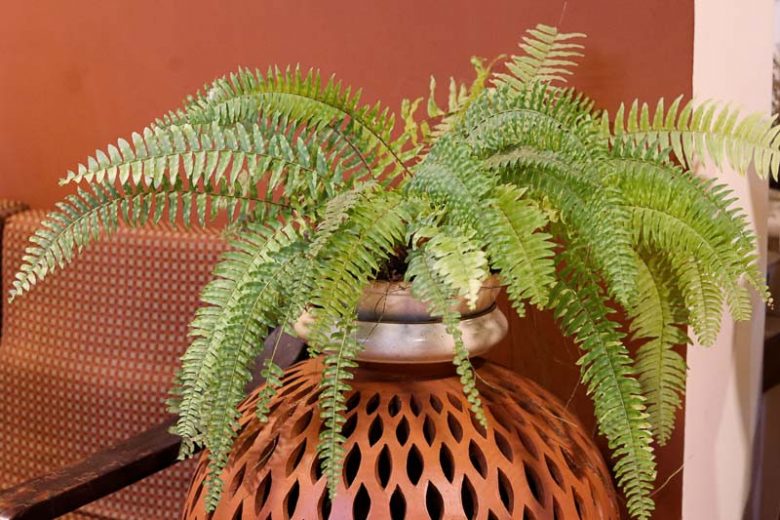


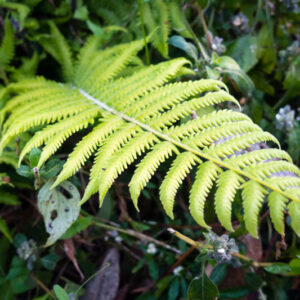
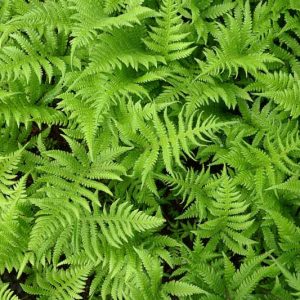
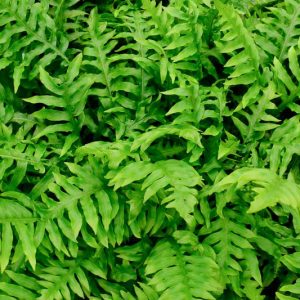
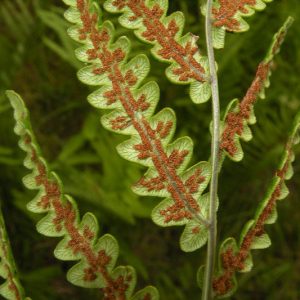
Step into a South Florida hammock or cypress swamp and you will notice something right away – the air feels cooler and the ground is carpeted with ferns. These graceful, ancient plants evolved for life in warm, humid, shady habitats, which makes them perfect partners for home gardens in USDA zones 10a, 10b, and 11a.
Tropical South Florida sits at the southern tip of the Florida Peninsula, framed by the Gulf of Mexico, Atlantic Ocean, and Florida Straits. Historically it was a mosaic of pine rocklands, hardwood hammocks, cypress domes, wet prairies, mangroves, and coastal dunes. Much of that wild landscape has been replaced by neighborhoods and agriculture, but many of the native ferns of South Florida still adapt beautifully to urban yards, courtyards, and shaded patios.
Unfortunately, habitat loss and invasive plant species have pushed many native plants into ever smaller fragments of wild land. By choosing native ferns for South Florida shade gardens, you can cool your landscape, add lush texture, and help rebuild a bit of the real Florida at home.
A plant is considered native if it arrived and evolved here on its own, not through human introduction. Native ferns come with a long list of perks:
Important – never dig ferns from natural areas. Collecting from the wild damages fragile native habitats. Always buy from reputable nurseries, ideally those that propagate from local or regional stock.
To choose the best native ferns for South Florida gardens, think about where each species occurs in the wild. When you recreate those conditions at home, the plants largely take care of themselves.
Spend a day watching where sunlight, shade, and puddles move across your property. Those patterns will tell you exactly which Florida native ferns belong in each corner of your garden.
| Hardiness |
10 - 11 |
|---|---|
| Plant Type | Ferns |
| Native Plants | United States, Southeast, Florida |
It is easy to grab a pot of generic fern at the big box store, but there are big advantages to choosing South Florida native ferns instead.
Use this list as a menu of dependable native ferns for South Florida. Always double check mature size, moisture needs, and aggressiveness before planting, especially in small gardens.
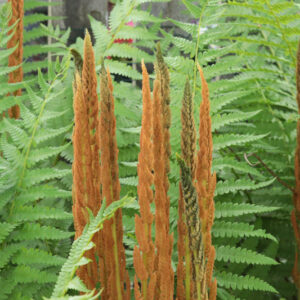
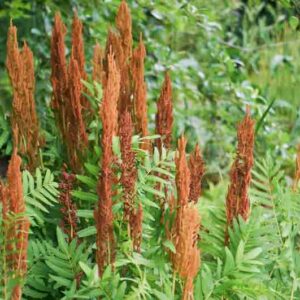
Everglades Inspired Pond Edge – Along the margins of a backyard pond or stormwater basin, mass Osmunda regalis (Royal Fern) and Osmunda cinnamomea (Cinnamon Fern) toward the center, then grade down to Woodwardia areolata (Netted Chain Fern) and Thelypteris palustris (Eastern Marsh Fern) closer to the water. Add a few clumps of Acrostichum danaeifolium (Giant Leather Fern) where you have space for a bold vertical accent.
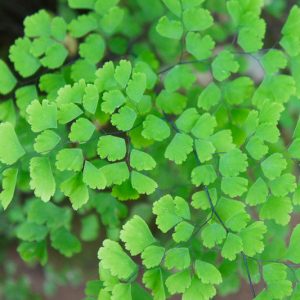
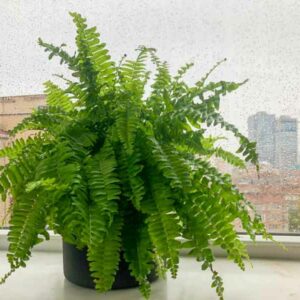
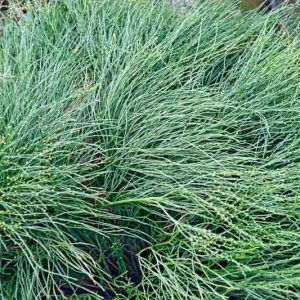
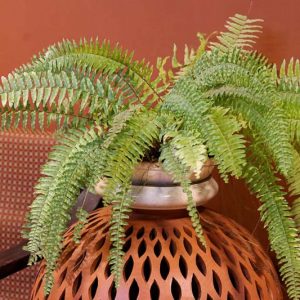
Shaded Entry Courtyard – In a protected, bright shade courtyard, combine arching mounds of Nephrolepis exaltata (Boston Fern) in large containers with pockets of Adiantum capillus-veneris (Southern Maidenhair Fern) tucked into shady corners. Use decorative rocks or low walls to create damp crevices for a few clusters of Psilotum nudum (Whisk Fern) to add an unexpected, sculptural touch.
Woodland Walkway Under Native Trees – Beneath live oaks, slash pines, or dahoon hollies, create a winding path edged with drifts of Boston fern and chain ferns. Reserve slightly wetter pockets for Woodwardia virginica (Virginia Chain Fern) and Thelypteris palustris (Eastern Marsh Fern). Over time the path will feel like a cool, green tunnel even on hot afternoons.
Naturalized Pine Rockland Corner – In a sunny to lightly shaded, rocky corner with lean soil, let Pteridium aquilinum (Bracken Fern) weave through native grasses and wildflowers. The fern will provide soft, feathery contrast to the upright stems of wildflowers while tolerating the drier, more exposed conditions.
Most South Florida native ferns are forgiving once they settle in, but a little extra attention during planting and the first year will pay off for many seasons to come.
Think of native ferns for South Florida shade gardens as the green carpet and understory that ties everything together. Trees, palms, and shrubs create the overhead structure; ferns fill the gaps and soften the edges.
Over time, your yard can evolve from scattered pots and patches of turf into a cohesive, cool, and wildlife friendly landscape rich with Florida native ferns. The more you mimic natural South Florida habitats with layers of native trees, shrubs, and ferns, the easier your garden will be to care for and the more alive it will feel.
A native fern is a species that evolved in Florida and arrived on its own, not brought in by people. For South Florida, that usually means species naturally found in tropical hardwood hammocks, cypress swamps, coastal wetlands, and pine rocklands in USDA zones 10 and 11. Examples include giant leather fern (Acrostichum danaeifolium), Southern maidenhair fern (Adiantum capillus-veneris), Boston fern (Nephrolepis exaltata), various chain ferns (Woodwardia species), royal fern (Osmunda regalis), cinnamon fern (Osmunda cinnamomea), whisk fern (Psilotum nudum), and others documented in natural areas of South Florida.
Native ferns are already adapted to South Florida’s climate, including heat, humidity, intense summer rain, and a pronounced dry season. They generally need less supplemental water and fertilizer once established, are less likely to suffer from local pests and diseases, and are much less likely to become invasive. They also provide habitat and cover for wildlife such as birds, lizards, frogs, and insects, which ornamental non native ferns often do not support as well.
Most native ferns in South Florida prefer partial shade to bright, filtered shade. They typically grow under tree canopies or along shaded water edges. A few species tolerate some direct sun if soil stays consistently moist, such as royal fern and cinnamon fern in wet sites. Prolonged, intense afternoon sun usually scorches fern fronds, especially in dry or exposed locations.
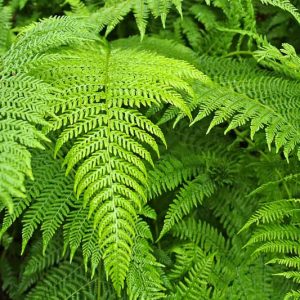
Boston fern (Nephrolepis exaltata) is the classic native groundcover fern in South Florida, forming dense, arching mats in shady, moist areas. Some chain ferns (Woodwardia areolata and Woodwardia virginica) and marsh fern (Thelypteris palustris) also spread into colonies in consistently moist soil. In more naturalistic areas, bracken fern (Pteridium aquilinum) can cover open, sandy or rocky sites, but it may be too vigorous for small, formal beds.
Yes. Many South Florida native ferns adapt well to containers if given suitable soil and moisture. Boston fern and maidenhair fern are popular in pots and hanging baskets in bright shade. Whisk fern can be grown in small pots or mounted as an epiphyte on wood or in crevices. Container grown ferns dry out faster than those in the ground, so they need more frequent watering and occasional feeding with a mild, balanced fertilizer or compost.
For the most part, yes. When planted in the right light and moisture, native ferns are generally low maintenance. Routine care usually involves occasional deep watering during droughts, refreshing mulch, and removing old or browned fronds. Most do not require regular fertilization and rarely need pest or disease sprays. Problems almost always trace back to improper siting, such as too much sun or soil that stays too dry for a wetland species.
Native ferns can spread by rhizomes or spores, but they are part of the natural ecosystem and do not behave like invasive exotics that displace native habitats. Some, such as Boston fern and bracken fern, can expand vigorously in very favorable conditions. In small gardens, it is wise to give these species clear boundaries, edging, or containers. They are usually easy to thin or divide if they outgrow their space.
Native ferns are ideal for underplanting beneath trees and palms, lining shaded paths, softening the edges of ponds and swales, and filling in between native shrubs. They are especially effective in layered plantings that mimic natural South Florida habitats, with trees forming the canopy, shrubs as the midstory, and ferns as the groundlayer. Combining ferns with native wildflowers, sedges, and shade tolerant shrubs creates a cooler, more visually cohesive and wildlife friendly garden.
Updated: December 2025 • Reviewed by Gardenia Editors
Coplay, Shutterstock
| Hardiness |
10 - 11 |
|---|---|
| Plant Type | Ferns |
| Native Plants | United States, Southeast, Florida |
Create a membership account to save your garden designs and to view them on any device.
Becoming a contributing member of Gardenia is easy and can be done in just a few minutes. If you provide us with your name, email address and the payment of a modest $25 annual membership fee, you will become a full member, enabling you to design and save up to 25 of your garden design ideas.
Join now and start creating your dream garden!
Create a membership account to save your garden designs and to view them on any device.
Becoming a contributing member of Gardenia is easy and can be done in just a few minutes. If you provide us with your name, email address and the payment of a modest $25 annual membership fee, you will become a full member, enabling you to design and save up to 25 of your garden design ideas.
Join now and start creating your dream garden!