Create Your Garden

Shade-Loving Native Trees for South Florida

Turn steamy South Florida yards into cool, leafy retreats with shade loving native trees. This article explains key habitats, highlights top-performing species, shares simple design recipes, and walks you through planting and care so you can grow resilient, low maintenance shade that supports birds, butterflies, and neighbors and visitors alike.
Native Plants, Native Trees, Native Shade Trees, Florida Native Plant, Florida Native Trees, Florida Shade Trees

Shade Loving Native Trees for South Florida – Best Picks For Cool, Green Retreats

Hot sun, reflective pavement, and long dry winters can make many South Florida yards feel more like a parking lot than a paradise. The secret to cooling things down is simple – plant more trees. In Miami, Fort Lauderdale, Naples, the Florida Keys, and the rest of Tropical Florida in USDA zones 10a, 10b, and 11a, the best choices are shade loving native trees that already know how to handle our heat, humidity, and sandy or rocky soils.

South Florida sits between the Florida Peninsula region and true Tropical Florida, creating a patchwork of habitats – pine rocklands, coastal hammocks, cypress swamps, marl prairies, mangrove forests, and coral rock ridges. Each of these ecosystems has its own lineup of native trees that thrive in shade or part shade. When you bring those species into your landscape, you get cooler microclimates, better wildlife habitat, and a yard that feels like the real Florida again.

Unfortunately, much of South Florida’s original forest has been cleared for agriculture and development, and invasive plants move in wherever there is a gap. By choosing native shade trees for South Florida gardens, you help rebuild those missing layers and give birds, butterflies, and pollinators a place to live.

South Florida Native Shade Tree Quick Start

  • Know your light – many native trees enjoy bright, filtered light under taller canopies or on the east or north side of buildings. A few tolerate deep shade once established.
  • Match moisture to species – some trees prefer wet swales and pond edges, while others are happiest on higher, well drained pine rockland type soils.
  • Think layers – combine overstory trees, midstory small trees, and native shrubs to create cool, shady rooms in the garden.
  • Start with smaller sizes – young container grown natives transplant more easily, root in faster, and quickly catch up to oversized nursery trees.
  • Water to establish – even drought tolerant native trees need regular deep watering during their first year in the ground.

South Florida Shade Habitats At A Glance

To choose the right shade loving native tree, look at how water moves through your site and how much light reaches the ground. Try to match your planting area to one of these natural habitats.

  • Moist hammocks and bayheads – rich, organic soil that stays evenly moist but not flooded. Great for Cornus foemina (Swamp Dogwood), Ilex cassine (Dahoon Holly), and Magnolia virginiana (Sweet Bay Magnolia).
  • Wet prairies, ponds, and rain gardens – low spots that hold water in the rainy season. Perfect for Dahoon Holly, Sweet Bay Magnolia, and other moisture loving species that provide dappled shade.
  • Pine rocklands and higher coastal sites – fast draining sandy or rocky soil with pockets of organic matter. Ideal for Quercus laurifolia (Laurel Oak), Magnolia grandiflora (Southern Magnolia), and Ilex opaca (American Holly) in part shade.
  • Urban side yards and under existing trees – compacted fill soil, partial shade from buildings, and competition from turf. Look for flexible species like Swamp Dogwood and Strangler Fig that tolerate some disturbance when properly mulched and watered.
  • Coastal and canal edges – salt laden breezes and periodic flooding in brackish areas. Here it is especially important to choose true natives and avoid highly invasive exotics.

Spend a sunny day watching how shade moves across your yard. Areas that look shady in the late afternoon may actually bake in midday sun, while narrow side yards next to tall houses may enjoy full shade for most of the day. Take notes before you buy your trees.

Guide Information

Hardiness 10 - 11
Plant Type Trees
Exposure Partial Sun, Shade
Native Plants United States, Southeast, Florida

Shade-Loving Native Trees for South Florida

Cornus foemina (Swamp Dogwood)
Ficus aurea (Strangler Fig)
Ilex cassine (Dahoon)
Ilex opaca (American Holly)
Magnolia grandiflora (Southern Magnolia)
Magnolia virginiana (Sweet Bay Magnolia)
Quercus laurifolia (Laurel Oak)

Why Choose Shade Loving Native Trees In South Florida

There are plenty of tropical trees available in nurseries, but not all of them play nicely with our natural ecosystems. Native South Florida shade trees offer a long list of benefits that imported ornamentals simply cannot match.

  • Climate smart choices – native trees evolved with South Florida’s long, hot summers, brief cool spells, and seasonal rains. They handle salt laden breezes, high humidity, and occasional drought without constant pampering.
  • Low maintenance shade – once established in the right spot, most native trees need minimal fertilizer and only occasional pruning to maintain structure and clearance.
  • Wildlife support – native oaks, hollies, magnolias, and dogwoods support caterpillars, songbirds, pollinators, and other wildlife that rely on specific host plants.
  • Better storm performance – deep rooted native trees adapted to hurricanes often withstand wind better than shallow rooted exotics when properly pruned and cared for.
  • Non invasive – carefully chosen native trees are far less likely to escape into nearby natural areas and displace rare plants in hammocks, Everglades wetlands, and coastal dunes.

Tip – whenever possible, purchase trees grown from local or regional seed sources. These plants are usually better tuned to your microclimate and help preserve local genetic diversity.

Best Shade Loving Native Trees For South Florida Gardens

Use this list as a menu of dependable South Florida native shade trees. Check mature size, light, and moisture needs, then mix and match to create layered shade around patios, play areas, and wildlife corners.

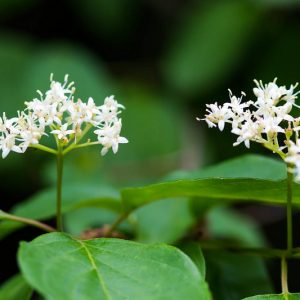
  • Cornus foemina (Swamp Dogwood) – a small to medium sized native tree or large shrub, Swamp Dogwood thrives in moist to wet soils and partial shade. In South Florida it is ideal for rain gardens, pond margins, and the shady edges of swales. Spring flowers feed pollinators, while fall and winter berries are loved by songbirds. Use Swamp Dogwood where you want a light, airy canopy rather than deep, heavy shade.
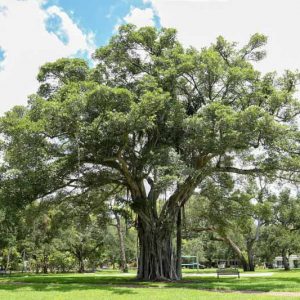
  • Ficus aurea (Strangler Fig) – a classic native fig of hammocks and rocklands, Strangler Fig eventually becomes a large canopy tree with intricate buttress roots. In home landscapes it should be given plenty of room away from foundations and septic systems, but in the right place it provides invaluable cool shade, food for wildlife, and a strong sense of South Florida character. Plant young trees in bright filtered light under taller trees or on the east side of a structure. Birds and other animals relish the abundant figs.
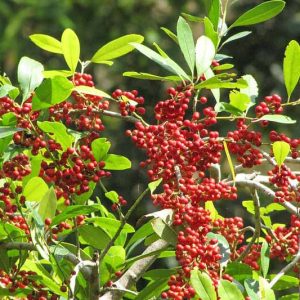
  • Ilex cassine (Dahoon Holly) – Dahoon Holly is one of the best native evergreen shade trees for wet sites. It grows naturally in swamps, wet prairies, and along lake edges. In the garden, it tolerates periodic flooding as well as average moisture with irrigation. Female trees produce showy red berries that attract winter birds. Dahoon Holly is excellent as a narrow canopy or screening tree in partial shade and works beautifully near rain gardens and retention ponds.
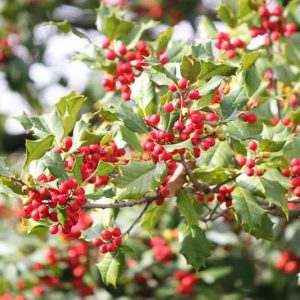
  • Ilex opaca (American Holly) – with its dense evergreen canopy and classic red berries, American Holly is perfect for creating cool shade in slightly higher, well drained spots. It prefers bright filtered light to part shade and appreciates some protection from intense coastal winds. Use American Holly as a specimen tree near patios, front entries, or mixed native hedges. Like other hollies, you will need both male and female plants for good berry set.
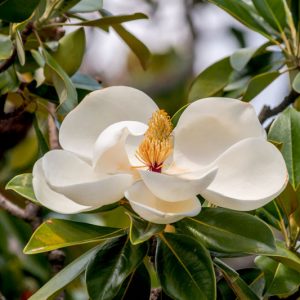
  • Magnolia grandiflora (Southern Magnolia) – although more common in north and central Florida, selected forms of Southern Magnolia perform well in protected South Florida microclimates. This broadleaved evergreen tree casts deep, cool shade and offers huge, fragrant white flowers that attract pollinators. Choose cultivars known for compact growth and good disease resistance, and plant where the tree can enjoy morning sun and afternoon shade or high, bright shade under taller trees.
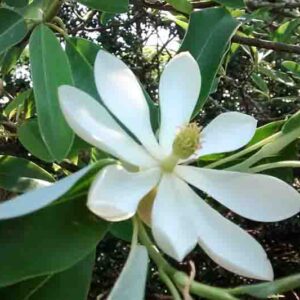
  • Magnolia virginiana (Sweet Bay Magnolia) – one of the best native trees for moist shade in South Florida, Sweet Bay Magnolia is naturally found in swamps, bayheads, and along streams. Semi evergreen in the warmest parts of the state, it produces creamy, lemon scented flowers through much of the warm season. Sweet Bay tolerates light shade and wet soils, making it an ideal choice for the edge of ponds, canals, or rain gardens where you want filtered shade rather than heavy darkness.
  • Quercus laurifolia (Laurel Oak) – Laurel Oak is a fast growing, semi evergreen native oak that provides generous shade in a relatively short time. In South Florida it performs best in moist to average soils and light to moderate shade. Because it is fast growing, proper structural pruning when young is very important to reduce storm damage later. Use Laurel Oak as an upper canopy tree above smaller native understory trees and shrubs.
  • Other native shade helpers – depending on your exact location and soil, you may also be able to grow native species like Simarouba glauca (Paradise Tree), Persea borbonia (Redbay), or Persea palustris (Swamp Bay) as part of your shade canopy. Local native plant nurseries or chapters of the Florida Native Plant Society can help you match species to your specific site.

Easy Design Recipes With Native Shade Trees

Cool Side Yard Walk – In a narrow east or north side yard, plant a line of Dahoon Holly or American Holly along the fence, underplanted with Swamp Dogwood and native shade tolerant shrubs. Mulch with leaf litter and add stepping stones to create a cool, dappled path that feels like a tiny hammock.

Rain Garden Grove – In a low back corner where storm water collects, mound soil slightly to create gentle hummocks and plant groups of Sweet Bay Magnolia and Dahoon Holly. Between the trees, add native wetland perennials and sedges. Over time the trees will provide filtered shade that protects the understory from intense summer sun while helping to slow and clean runoff.

Evergreen Patio Canopy – Near a frequently used patio or lanai, plant an American Holly and a Southern Magnolia where their crowns will eventually arch over the sitting area without interfering with structures. Underneath, use native groundcovers, ferns, and flowering shrubs for a lush, low maintenance living room styled with plants.

Wildlife Hammock Corner – If you have room, dedicate one corner of your yard to a miniature hammock. Combine a young Strangler Fig or Laurel Oak with Swamp Dogwood, Sweet Bay Magnolia, and a mix of native understory shrubs. Allow leaf litter to accumulate, skip pesticides, and enjoy the butterflies, anoles, and songbirds that move in.

Planting And Caring For Native Shade Trees In South Florida

Most South Florida native shade trees are forgiving once established, but success starts with good site preparation and smart planting.

  • Remove invasives first – clear out aggressive exotic shrubs, vines, and problem trees like Brazilian pepper or air potato before planting. This reduces competition and protects nearby natural areas.
  • Test drainage – dig a hole about 12 inches deep and fill it with water. If water drains in 3 to 6 hours, you have average drainage. Faster drainage suggests a pine rockland type site, while slower drainage points to a wetland or rain garden opportunity. Choose species that like your conditions.
  • Loosen a wide area – instead of digging a narrow, deep hole, loosen the soil in a broad saucer at least 2 to 3 times the width of the root ball. This makes it easier for new roots to spread into surrounding soil.
  • Plant at or slightly above grade – set the top of the root ball level with or 1 to 2 inches above the existing soil line. Planting too deep is a common cause of decline, especially on poorly drained sites.
  • Mulch like a forest – spread a 2 to 3 inch layer of shredded leaves, pine straw, or other organic mulch over the loosened area, keeping mulch a few inches away from the trunk. This mimics natural forest litter and helps conserve moisture.
  • Water deeply the first year – give new trees a slow, deep soaking once or twice a week during dry spells in their first growing season. After that, most species can rely on rainfall except in extended drought.
  • Go easy on fertilizer – native trees typically need little to no synthetic fertilizer. If growth is very slow and leaves are pale, a light application of a slow release, low phosphorus fertilizer or a topdressing of compost is usually enough.
  • Prune for strength, not shape – focus early pruning on developing a strong central leader, well spaced branches, and good clearance from structures and walkways. Avoid severe topping or lion tailing, which increase storm damage risk.

Blending Shade Loving Native Trees Into Your Landscape Design

Think of your native shade trees as the framework that everything else in your South Florida yard hangs on. They cool the soil, create comfortable outdoor rooms, and provide the backdrop for flowers, edibles, and lawn areas.

  • Create living ceilings – plant canopy trees on the south and west sides of patios, play areas, and large windows to intercept hot afternoon sun. Use smaller understory trees on the east and north sides for morning light and gentle shade.
  • Layer heights – combine tall canopy trees like Laurel Oak, midstory trees like Sweet Bay Magnolia or Swamp Dogwood, and a lower layer of native shrubs and groundcovers. This layered structure looks more natural and provides better habitat.
  • Protect views and breezes – before planting, stand in your favorite sitting spots and look outward. Place trees where they will frame views and channel breezes rather than blocking them completely.
  • Use trees to heal problem spots – where turf struggles under existing shade, gradually replace grass with mulched beds planted with native shrubs, ferns, and groundcovers. Over time you get a cooler, more resilient landscape that needs far less mowing and irrigation.
  • Combine with rainwater strategies – position thirsty species like Sweet Bay Magnolia and Dahoon Holly downstream of roof downspouts or in gentle swales so they can benefit from storm water. Upland species like Southern Magnolia and American Holly prefer slightly higher ground nearby.

As your trees grow, your yard will slowly shift from scattered plantings and hot pavement to a layered, living canopy. Birds will find the berries, butterflies will find the host plants, and you will find yourself spending more time outside in the cool, dappled shade.

Frequently Asked Questions

What are the best shade-loving native trees for South Florida home landscapes?

Some of the best shade-loving native trees for South Florida (USDA zones 10–11) are Cornus foemina (Swamp Dogwood), Ficus aurea (Strangler Fig), Ilex cassine (Dahoon Holly), Ilex opaca (American Holly), Magnolia grandiflora (Southern Magnolia), Magnolia virginiana (Sweet Bay Magnolia), and Quercus laurifolia (Laurel Oak). Together, these trees provide light to medium shade in wetlands, hammocks, rain gardens, and higher, better drained sites across South Florida.

Which native trees tolerate wet or periodically flooded shade in South Florida?

For shady spots that stay moist or periodically flooded, the most reliable native trees are Ilex cassine (Dahoon Holly) and Magnolia virginiana (Sweet Bay Magnolia). Both species naturally occur in swamps, bayheads, and along pond or canal margins. They tolerate fluctuating water levels, perform well in rain gardens, and still provide a soft, filtered shade rather than deep darkness.

Are there evergreen native trees that provide year-round shade in South Florida?

Yes. Ilex cassine (Dahoon Holly), Ilex opaca (American Holly), and most forms of Magnolia grandiflora (Southern Magnolia) are evergreen or nearly evergreen in South Florida. These trees keep their foliage during the dry winter season, so they maintain shade, privacy, and wildlife cover throughout the year, unlike many deciduous trees that drop most of their leaves.

How much shade can these native trees tolerate, and do they also accept some sun?

Most shade-loving native trees for South Florida grow best in bright, filtered light or part shade, which means a few hours of direct morning sun and shade for the rest of the day. Swamp Dogwood, Dahoon Holly, and Sweet Bay Magnolia handle high, dappled shade extremely well. Laurel Oak and Southern Magnolia tolerate more direct sun once established, but they still appreciate some afternoon shade in hot, reflective urban sites.

How much watering do new native shade trees require in South Florida?

Even drought-tolerant native trees need consistent watering during their first growing season. For the first 6–12 months after planting, water deeply once or twice per week during dry periods, soaking the root zone rather than sprinkling the foliage. After a full year in the ground, most species can rely mainly on rainfall, with supplemental water only during extended droughts. Wetland species like Dahoon Holly and Sweet Bay Magnolia may need less supplemental irrigation if they are planted where water naturally collects.

How should I space shade-loving native trees from houses, driveways, and each other?

Spacing depends on mature size. Large canopy trees such as Strangler Fig and Laurel Oak should be planted at least 25–35 feet away from buildings, septic systems, and major hardscape to avoid root and branch conflicts as they mature. Medium trees like Dahoon Holly, American Holly, Swamp Dogwood, and Sweet Bay Magnolia are usually safe at 12–20 feet from structures. Always check the expected mature spread of the specific cultivar and allow room for air circulation, light penetration, and safe storm-resistant structure.

Are native shade trees safer in hurricanes than exotic trees?

No tree is completely hurricane-proof, but many native South Florida shade trees have evolved with frequent tropical storms and typically perform better when properly sited and pruned. Deep-rooted species such as Laurel Oak, Southern Magnolia, and Sweet Bay Magnolia tend to be more wind-firm than shallow-rooted exotics. Good structural pruning during the early years, removal of weak or crossing branches, and avoidance of topping greatly reduce the risk of major limb failure during hurricanes.

Can I mix native shade trees with palms, tropical ornamentals, and lawn in an existing South Florida yard?

Yes. Shade-loving native trees integrate well into existing South Florida landscapes that already include palms, bougainvillea, hibiscus, gingers, and lawn. A practical approach is to gradually add natives such as Dahoon Holly, American Holly, Swamp Dogwood, Sweet Bay Magnolia, or Southern Magnolia near patios, property lines, and hot, exposed areas. Over time, you can expand mulched tree and shrub beds, reduce high-maintenance turf, and phase out invasive or overly aggressive exotic trees while keeping favorite non-invasive ornamentals.

References

Updated: November 2025 • Reviewed by Gardenia Editors

Recommended Guides

Native Vines for South Florida
Native Ferns for South Florida
Native Grasses for South Florida
Native Aquatic Plants for South Florida
Shade-Loving Native Shrubs for South Florida
Sun-Loving Trees for South Florida
Shade-Loving Native Trees for South Florida
Shade-Loving Native Perennials for South Florida
Sun-Loving Native Perennials for South Florida
Native Groundcovers for South Florida
Sun-Loving Native Shrubs for South Florida
Highly Drought Tolerant plants for your Florida Native Garden
Native Plants that Attract Hummingbirds in Florida
Highly Salt Tolerant plants for your Florida Native Garden
Great Pollinator Plants for Florida
Monarch Nectar Plants for Florida
Invasive Plant Species in Florida
Explore Great Plant Combination Ideas
Tropical South
Guides with
Tropical South Florida
While every effort has been made to describe these plants accurately, please keep in mind that height, bloom time, and color may differ in various climates. The description of these plants has been written based on numerous outside resources.

Guide Information

Hardiness 10 - 11
Plant Type Trees
Exposure Partial Sun, Shade
Native Plants United States, Southeast, Florida
Explore Great Plant Combination Ideas
Tropical South
Guides with
Tropical South Florida

Related Items

Please Login to Proceed

You Have Reached The Free Limit, Please Subscribe to Proceed

Subscribe to Gardenia

To create additional collections, you must be a paid member of Gardenia
  • Add as many plants as you wish
  • Create and save up to 25 garden collections
Become a Member

Plant Added Successfully

You have Reached Your Limit

To add more plants, you must be a paid member of our site Become a Member

Update Your Credit
Card Information

Cancel

Create a New Collection

Sign Up to Our Newsletter

    You have been subscribed successfully

    Join Gardenia.net

    Create a membership account to save your garden designs and to view them on any device.

    Becoming a contributing member of Gardenia is easy and can be done in just a few minutes. If you provide us with your name, email address and the payment of a modest $25 annual membership fee, you will become a full member, enabling you to design and save up to 25 of your garden design ideas.

    Join now and start creating your dream garden!

    Join Gardenia.net

    Create a membership account to save your garden designs and to view them on any device.

    Becoming a contributing member of Gardenia is easy and can be done in just a few minutes. If you provide us with your name, email address and the payment of a modest $25 annual membership fee, you will become a full member, enabling you to design and save up to 25 of your garden design ideas.

    Join now and start creating your dream garden!
    Find your Hardiness Zone

    Find your Heat Zone

    Find your Climate Zone