Wasabi, Japanese Horseradish, Alliaria wasabi, Cochlearia wasabi, Eutrema wasabi, Wasabia japonica, Wasabia wasabi
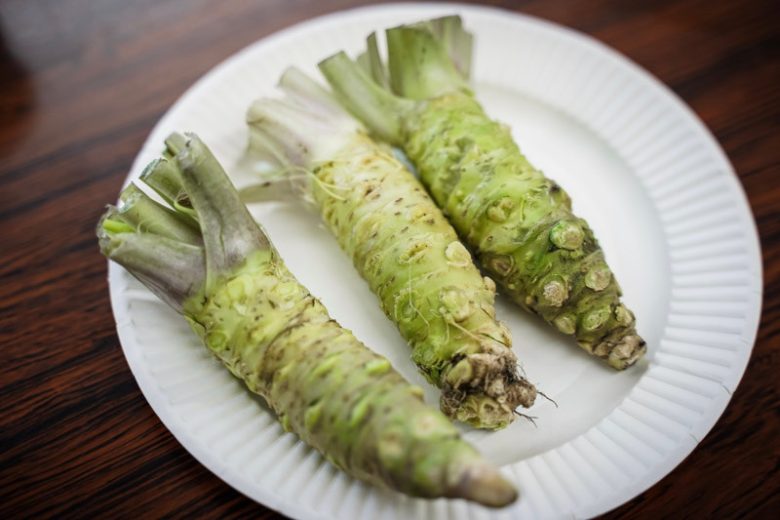
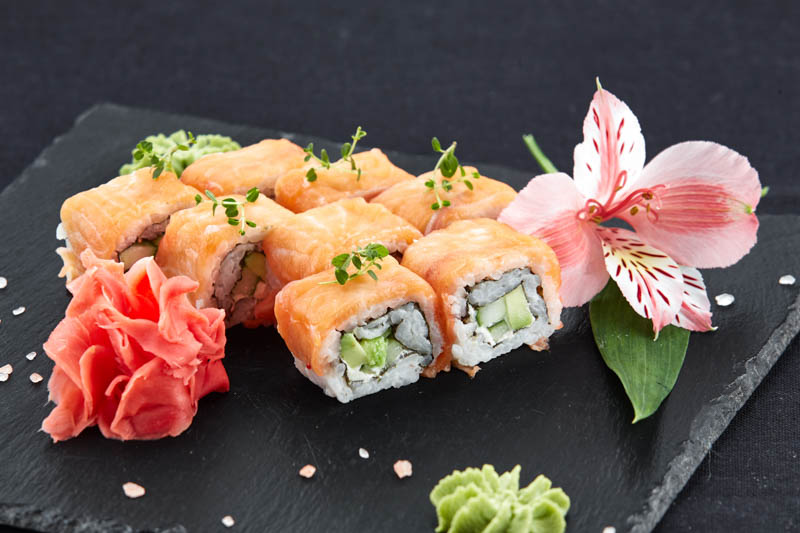
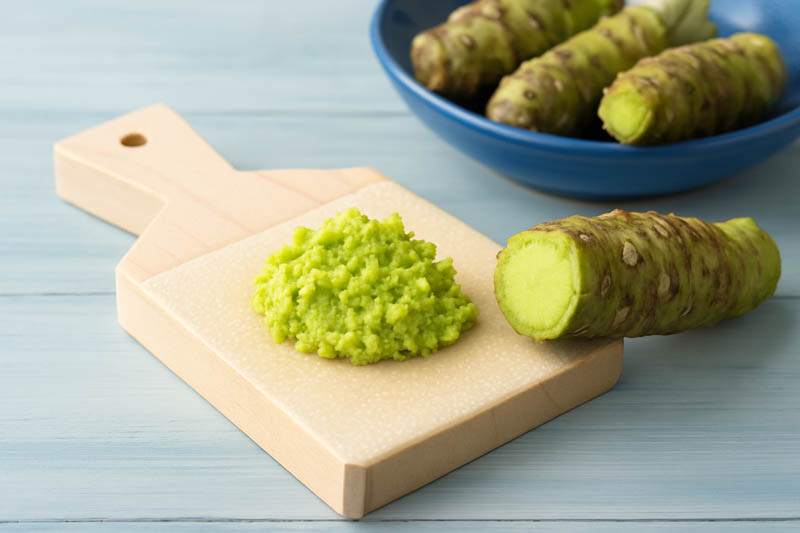
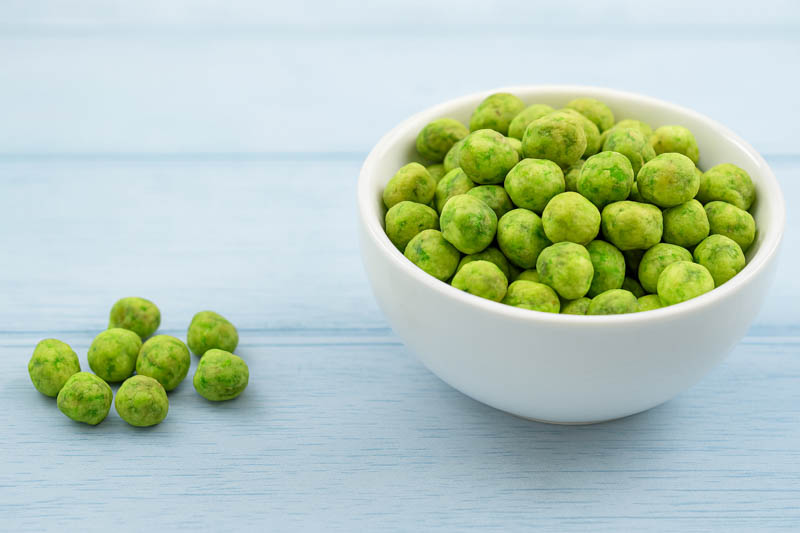
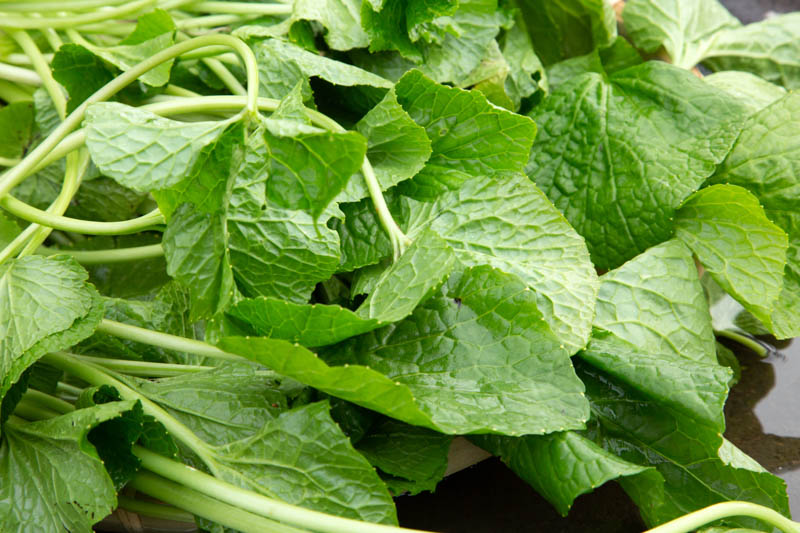


Eutrema japonicum, better known as the wasabi plant, is the source of that unmistakable sharp green kick at sushi bars worldwide. But the authentic root is far rarer and more fascinating than most realize. Beyond the common paste and crunchy snack peas, there’s a whole story of tradition, cultivation, and culinary magic waiting to be discovered.
From cool Japanese mountain streams to windowsill experiments at home, its history and growing challenges intrigue both gardeners and food lovers. If you’ve only tried the store-bought imitation, prepare to be surprised by the depth and authenticity of the real thing.
Wasabi has a legacy that stretches back over a thousand years in Japan. It was first cultivated during the Heian period (794–1185) and has been a luxury food and medicinal plant for samurai, royalty, and temple priests. Traditionally, its root was grated fresh and served alongside raw fish not just for its flavor, but for its antibacterial and preservative qualities—helping suppress foodborne pathogens with sushi and sashimi. Authentic wasabi remains an essential part of Japanese haute cuisine, and regional farms are renowned for their artisanal, centuries-old growing methods.
In the global era, wasabi’s fame has spread far beyond Japan—now appearing in everything from snack foods to cocktails, and symbolizing the adventurous, healthful side of Asian cooking worldwide.
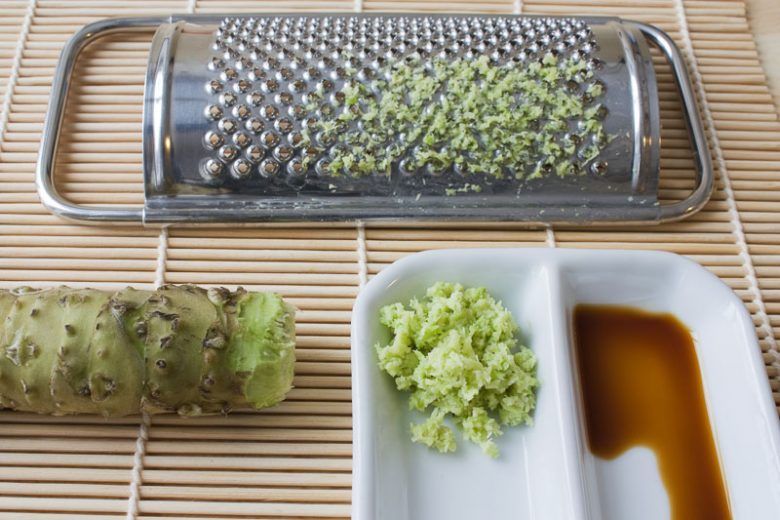
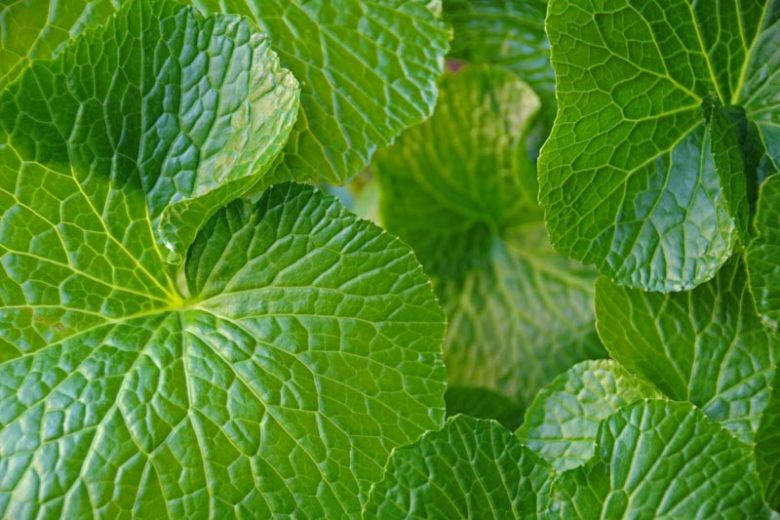
This slow-growing perennial herb from the Brassicaceae family is a close relative of horseradish and mustard. It forms a striking clump of round, heart-shaped leaves on long stalks, but its treasure lies underground: a thick, knobby rhizome often mistaken for a root. When freshly grated, it creates a spicy green paste with a clean, sinus-tingling heat unlike any other spice. The flavor is fleeting—disappearing in minutes—making it a rare prize for chefs.
Beyond fine Japanese dining, its fiery kick is best known through crunchy green-pea snacks coated in hot powder and through commercial pastes—usually imitations made with horseradish, mustard, starch, and green dye rather than the true rhizome.
| Feature | Wasabi (Eutrema japonicum) | Horseradish (Armoracia rusticana) |
|---|---|---|
| Color | Natural pale green | White (often dyed green in wasabi paste) |
| Heat | Clean, sharp, nasal; disappears quickly | Hot, biting, lingers longer |
| Flavor | Herbal, sweet, slightly grassy | Earthy, pungent, more bitter |
| Tradition | Japanese cuisine, sushi, tempura | European/Western dishes, roast meat |
Note: Over 95% of wasabi paste worldwide is made with horseradish, not real wasabi root—so if you taste a floral, quick-fading heat, cherish the moment!
The wasabi plant is native to Japan’s cool, clean mountain valleys, where it grows wild in the gravel beds of fast-moving streams and shaded forest seeps. Outside Japan, it is also grown commercially in British Columbia, Oregon, Taiwan, South Korea, New Zealand, and select greenhouses elsewhere. The best wasabi comes from “sawa” (water) cultivation in stream beds, though “oka” (field) wasabi is also produced in wet, shady soils.
In most home and garden conditions, you can expect wasabi to mature at about 6–12 inches (15–30 cm) tall and wide, with occasional specimens (especially in rich, wild conditions) reaching up to 24 inches (60 cm) tall/wide. Its signature knobby rhizome (root) takes 18–36 months to form. Small white four-petaled flowers bloom in spring. After 2–3 years, the mature rhizome is harvested and new plants are started from offsets or division.
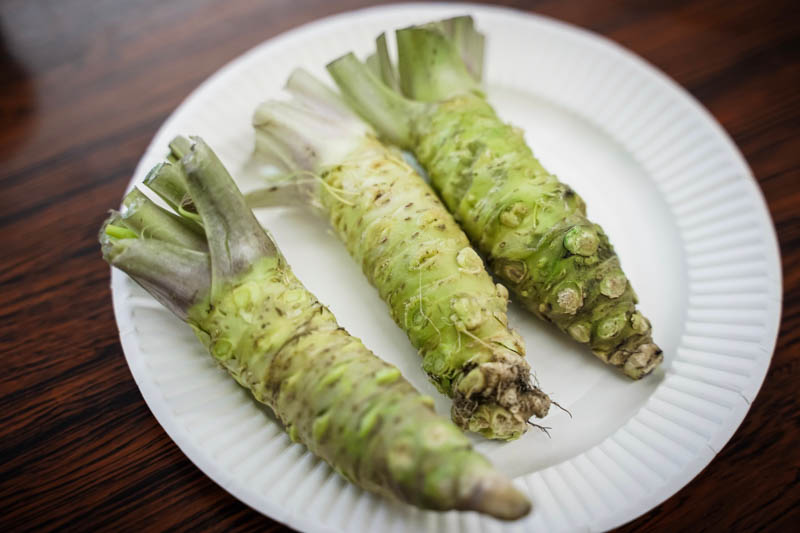
Individual plants can persist for several years, but yield the best rhizomes in their second and third growing seasons. Some specialty cultivators also harvest leaves and stems continually for use in salads and garnishes.
Wasabi grows best in USDA Zones 8–10. It craves constant moisture and shade. Extreme cold, heat, or dryness will kill or stunt most plants.
This prized Japanese herb is non-toxic and safe to eat in all conventional culinary uses. Its rhizome, leaves, and stems are edible and often featured in traditional cuisine. There are no known toxic effects from consuming moderate amounts, though very high intakes of spicy condiments may trigger digestive discomfort in sensitive individuals. The plant is also not considered toxic to dogs, cats, or other pets in small accidental exposures, though its sharp heat naturally discourages animals from eating much of it.
Note: The biggest concern with store-bought pastes isn’t the plant itself but potential allergens in added ingredients like mustard, dyes, or preservatives. Always check labels if you have food sensitivities.
Wasabi is not considered invasive anywhere it is cultivated. The plant is notably finicky—requiring clean, cool, moist, and shaded environments with specific water and soil quality. Because of these very particular requirements, it is highly unlikely to naturalize or spread uncontrollably outside of managed cultivation.
True wasabi paste is artfully made by grating the fresh rhizome on a sharkskin or fine ceramic grater just before serving. Its flavor is clean, sharp, and fleeting—a perfect foil for the rich umami of fresh fish. Most paste served in restaurants is a horseradish blend, so savor real wasabi whenever you get the chance.
Wasabi peas are made by roasting or frying green peas, then coating them with a spicy wasabi-flavored powder or paste. Most snack brands use horseradish and mustard with food coloring for their heat, but some premium brands offer a touch of authentic wasabi powder. Wasabi snacks like nuts, rice crackers, and even potato chips deliver a crunchy jolt perfect for parties or adventurous snacking.
The rhizome (“root”) is the star, grated fresh for paste or slivered atop grilled meats and seafood. Leaves and stems are also edible: use them raw in salads, pickled (wasabi-zuke), or battered and fried as tempura. Some chefs use flowers or stems as a zesty seasoning in dressings, noodle dishes, and raw fish plates.
Note: Most commercial snacks, like wasabi peas, provide only flavor—not substantial health benefits. Seek fresh, authentic wasabi plant for real nutrients!
Bottom line: Enjoy wasabi—whether root, paste, or peas—in moderation as part of meals or snacks. Take care if you have a sensitive stomach, food allergies, or are prone to sinus irritation.
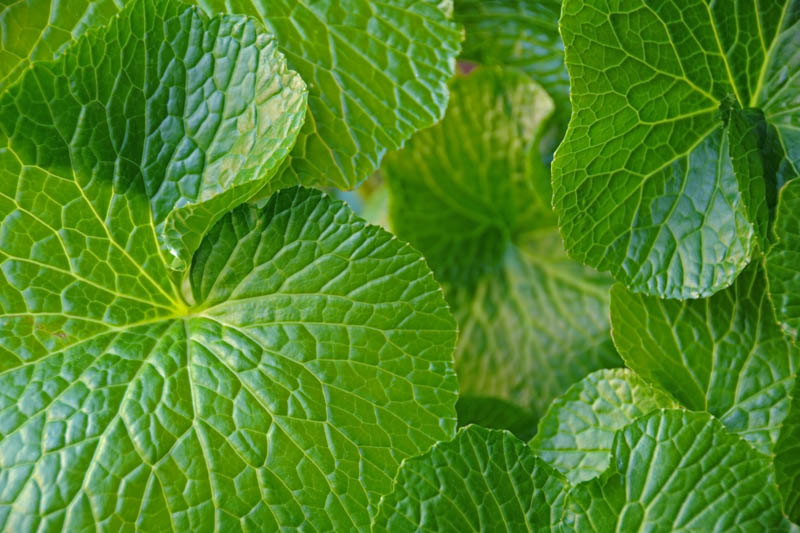
The wasabi plant is notoriously finicky but incredibly rewarding for gardeners who love a challenge. With its love of cool, shady, and moist environments, it brings a taste of Japan’s mountain streams into your garden or greenhouse. Here’s how to cultivate healthy root, flavorful leaves, and perhaps even make your own authentic wasabi paste.
Wasabi, whether enjoyed as fiery peas, fresh paste with sushi, or as a prized root in culinary adventures, is much more than just heat. It’s a living link to history, a botanical marvel, and a gourmet delight that rewards patience and curiosity. Understanding the journey from wasabi plant to plate not only sharpens your palate but connects you to centuries of culinary artistry and agricultural tradition.
So the next time you taste that tingly green condiment, pause and ask: Is this the real thing? If so—savor every second!
True wasabi root requires cool, shady, moist conditions and two to three years to mature. It’s highly perishable and difficult to grow, making it pricey and exclusive.
Usually horseradish, mustard, starch, and food coloring—real wasabi is rare outside Japan or specialty restaurants.
Yes, both are Brassicaceae family cousins, which explains their similar heat and flavor compounds.
Absolutely! Fresh shoots, stems, and leaves are mild and delicious, excellent in salads or as pickles.
No. Wasabi heat is volatile, acting mainly on the nasal passages and quickly fading, unlike chili peppers’ burning capsaicin.
Genuine wasabi is usually grated fresh at the table, with subtle, fleeting heat and complex aroma. Most bright green pastes are imitations.
Wrap fresh rhizomes in a damp towel, place in a sealed container, and refrigerate for up to two weeks. Freeze for longer storage, but expect some loss of texture after thawing.
Yes! Toss roasted or dried peas in a blend of wasabi powder, sugar, and salt—experiment with a little oil or sticky syrup for better coating.
| Hardiness |
8 - 10 |
|---|---|
| Plant Type | Herbs, Perennials |
| Plant Family | Brassicaceae |
| Common names | Wasabi |
| Exposure | Partial Sun, Shade |
| Season of Interest | Spring (Mid, Late), Summer (Early, Mid, Late), Fall |
| Height | 6" - 2' (15cm - 60cm) |
| Spread | 6" - 2' (15cm - 60cm) |
| Spacing | 12" - 18" (30cm - 50cm) |
| Maintenance | Low |
| Water Needs | Average, High |
| Soil Type | Clay, Loam, Sand |
| Soil pH | Acid, Alkaline, Neutral |
| Soil Drainage | Moist but Well-Drained, Moisture Retentive |
| Tolerance | Full Shade, Clay Soil, Wet Soil |
| Garden Uses | Beds And Borders, Patio And Containers |
| Garden Styles | Informal and Cottage |


| Hardiness |
8 - 10 |
|---|---|
| Plant Type | Herbs, Perennials |
| Plant Family | Brassicaceae |
| Common names | Wasabi |
| Exposure | Partial Sun, Shade |
| Season of Interest | Spring (Mid, Late), Summer (Early, Mid, Late), Fall |
| Height | 6" - 2' (15cm - 60cm) |
| Spread | 6" - 2' (15cm - 60cm) |
| Spacing | 12" - 18" (30cm - 50cm) |
| Maintenance | Low |
| Water Needs | Average, High |
| Soil Type | Clay, Loam, Sand |
| Soil pH | Acid, Alkaline, Neutral |
| Soil Drainage | Moist but Well-Drained, Moisture Retentive |
| Tolerance | Full Shade, Clay Soil, Wet Soil |
| Garden Uses | Beds And Borders, Patio And Containers |
| Garden Styles | Informal and Cottage |
How many Eutrema japonicum (Wasabi) do I need for my garden?
| Plant | Quantity | |
|---|---|---|
| Eutrema japonicum (Wasabi) | N/A | Buy Plants |
Create a membership account to save your garden designs and to view them on any device.
Becoming a contributing member of Gardenia is easy and can be done in just a few minutes. If you provide us with your name, email address and the payment of a modest $25 annual membership fee, you will become a full member, enabling you to design and save up to 25 of your garden design ideas.
Join now and start creating your dream garden!
Create a membership account to save your garden designs and to view them on any device.
Becoming a contributing member of Gardenia is easy and can be done in just a few minutes. If you provide us with your name, email address and the payment of a modest $25 annual membership fee, you will become a full member, enabling you to design and save up to 25 of your garden design ideas.
Join now and start creating your dream garden!