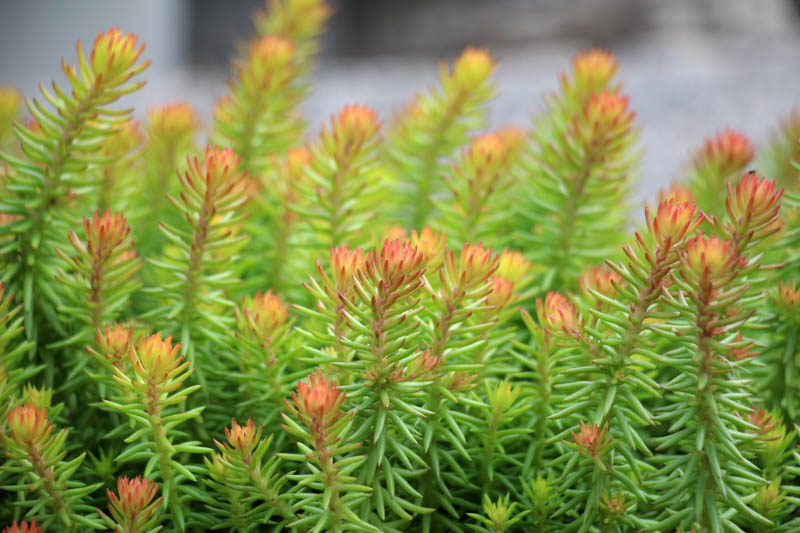
Evergreen Ground Cover Garden Ideas
Imagine a garden that stays beautiful long after the summer flowers have faded. Silvery-blue junipers cascading over a sunny bank, glossy green foliage softening a woodland path, or cushions of evergreen candytuft bursting into white flowers each spring. Beautiful evergreen groundcover garden ideas can turn bare soil, awkward slopes, and overlooked corners into inviting landscapes with lasting color and texture. Explore inspiring evergreen groundcover combinations for sun and shade, from flowering rock gardens and Japanese-inspired pathways to lush woodland plantings, low-maintenance front yards, and elegant foliage carpets. Discover how to combine plants with contrasting shapes, colors, and spreading habits to create a garden that looks attractive throughout the seasons.
Explore Colorful Evergreen Groundcover Gardens for Sun, Rock Gardens, and Slopes
Some of the most beautiful evergreen groundcover gardens come alive in spring. Low cushions of dark-green foliage disappear beneath white, pink, and purple flowers, while spreading conifers provide a contrasting carpet of blue, green, or gold that remains attractive long after blooming finishes.
These combinations are particularly lovely on sunny slopes, beside gravel paths, around natural stones, and along the edges of raised garden beds.
Three beautiful Gardenia garden designs to explore:
- A Romantic Cascading Rock Garden with Colorful Spring Flowers: This spectacular spring planting brings together purple rock cress, golden basket-of-gold, white evergreen candytuft, blue creeping phlox, and red-flowering creeping thyme. The plants soften the edges of rocks and spill across the planting in generous drifts. Evergreen or semi-evergreen foliage helps maintain interest beyond the spring display, although its winter appearance varies by plant and climate.
- A Colorful Garden Path with Creeping Phlox and Candytuft: Bright golden Aurinia saxatilis, purple and pink creeping phlox, and white Iberis sempervirens create a cheerful spring border along a garden walkway. Their contrasting flower colors and low growth habits soften the pathway without needing tall shrubs. The planting is particularly effective where the flowers can spill slightly over a defined stone edge.
- A Pretty Rock Garden with Colorful Alpine Plants: Creeping phlox, rock cress, dianthus, and other compact rock garden plants form a tapestry of spring flowers around evergreen conifers and natural stones. A useful example of combining low evergreen structure with flowering plants that thrive in sunny, freely draining conditions.
Why these gardens look so beautiful: Rather than planting individual flowers in isolated pockets, they use groups of low-growing plants that flow naturally between stones. The contrast between white, lavender, pink, and golden-yellow flowers creates excitement, while the foliage provides a quieter background once the main flowering period ends.
Try an evergreen blue-and-gold foliage garden: For a planting concept with strong year-round structure, combine Juniperus ‘Blue Chip’ with Juniperus ‘Limeglow’. The first forms a low silver-blue carpet, while the second introduces brilliant chartreuse-gold foliage that can develop coppery winter tones. Add groups of Iberis sempervirens (Evergreen Candytuft) for a beautiful spring display.
Where will this combination work best? Choose a sunny, well-drained slope or generously sized rock garden. Creeping junipers eventually spread several feet, so they are more suitable for substantial planting areas than narrow spaces between paving stones.
Design tip: Use broad, irregular drifts rather than a checkerboard of different groundcovers. Let blue or green evergreen foliage provide most of the structure, then introduce flowering plants in smaller, repeated groups. This creates a garden that looks beautiful even when nothing is blooming.
Remember: Evergreen candytuft and creeping phlox may retain much of their foliage in winter, but severe cold, drying winds, and exposed conditions can cause discoloration. Creeping junipers generally provide more dependable woody evergreen structure in suitable climates.
Find more inspiration in Gardenia’s groundcover garden ideas and plant combinations for banks and slopes.
Discover Elegant Evergreen Groundcovers for Woodland Gardens and Shady Pathways
Not every beautiful garden needs masses of flowers. In a sheltered woodland corner, the combination of glossy leaves, dark-green foliage, soft golden grasses, and occasional spring blossoms can be every bit as enchanting as a colorful summer border.
Evergreen and semi-evergreen groundcovers are particularly valuable in shaded gardens because their foliage provides structure during quieter seasons, when flowering plants have disappeared.
Two inspiring published Gardenia garden designs:
- An Elegant Woodland Border with Bergenia, Japanese Forest Grass, and Black Mondo Grass: This beautiful foliage-focused design combines blue-leaved Hosta ‘Halcyon’, flowing golden Hakonechloa ‘Aureola’, bold Bergenia foliage, and nearly black Ophiopogon planiscapus ‘Nigrescens’ beneath a variegated Wedding Cake Tree. The contrasting leaf shapes and colors create a sophisticated woodland atmosphere. Bergenia and black mondo grass can provide evergreen or semi-evergreen interest where hardy, while hostas and Japanese forest grass are deciduous.
- Softening Garden Path Edges with Ajuga reptans: This garden design by landscape designer Arthur Lathouris demonstrates how low-growing bugleweed can soften the edges of a pathway. Ajuga’s dense foliage rosettes create a carpet close to the ground, while blue spring flowers bring seasonal color. Ajuga may remain evergreen or semi-evergreen in suitable climates, but it spreads by runners and can be invasive in some regions.
Why do these gardens work? The strongest visual interest comes from contrasting foliage rather than relying on flowers alone. Broad bergenia leaves and hosta foliage look beautiful beside narrow grass-like leaves, while dark-green or near-black plants make lighter foliage appear more luminous.
Try a peaceful Japanese-inspired evergreen groundcover: Repeat generous groups of Ophiopogon japonicus ‘Nana’ (Dwarf Mondo Grass) beside a sheltered pathway. Its dense, narrow, dark-green foliage creates a neat, flowing carpet that looks particularly attractive against natural stone.
For added contrast, introduce small groups of Bergenia, with broad, leathery leaves that may develop bronze, red, or purple tones in winter. This pairing is best in a sheltered garden with compatible soil moisture and a suitable climate.
Another woodland planting idea: Create a dark-green foliage carpet with dwarf mondo grass beneath compatible shrubs, then weave bold bergenia foliage along the outer edge. The contrast between the fine and broad leaves creates a simple, elegant composition without needing numerous plant varieties.
What about deeply shaded gardens? Choose foliage plants adapted to low light rather than expecting continuous flowering. Evergreen coverage may be more difficult beneath dense tree canopies, especially where established roots compete for water.
Design tip: Keep the planting palette restrained. Repeat one dominant evergreen groundcover, then introduce one or two contrasting foliage plants in irregular groups. This creates a calm, cohesive garden rather than a busy patchwork of unrelated leaves.
A word of caution: Popular groundcovers such as ajuga, Japanese pachysandra, and periwinkle can spread aggressively or be invasive in certain regions. Check local recommendations before using them, especially near natural woodland habitats.
Discover more ideas in Gardenia’s Shade Garden Design Guide, Guide to Beautiful Shade Plants, and Mondo Grass plant profile.
Get Inspired by Low-Maintenance Evergreen Carpets for Front Yards, Slopes, and Garden Edges
A beautifully designed evergreen groundcover planting can be as practical as it is attractive. It can soften a steep bank, provide lasting greenery beneath shrubs, replace exposed soil in a small front yard, or create a neat border beside a pathway.
The secret is giving every plant a clear purpose. Some provide year-round color, others form low, spreading carpets, and a few offer attractive flowers or fruit in addition to their foliage.
Four inspiring evergreen groundcover planting ideas:
- A Silver-Blue Evergreen Slope: Use broad groups of Juniperus horizontalis ‘Wiltonii’ to create a ground-hugging carpet of silvery-blue foliage across a sunny, freely draining bank. Its long branches can spread over the soil and soften the edges of stones or low retaining walls. Add suitable flowering plants in defined pockets for seasonal color.
- A Golden Evergreen Front-Yard Carpet: Combine the luminous foliage of Juniperus ‘Limeglow’ with darker green spreading conifers. This contrast creates a striking low-maintenance effect without relying on flowers. Particularly attractive near stone edging, gravel, or a simple front-yard planting bed.
- A Woodland Garden with Broad and Fine Foliage: Repeat dark-green dwarf mondo grass along a sheltered path, then add bold clumps of bergenia for contrasting leaf shape and seasonal color. This combination is well suited to a Japanese-inspired or contemporary garden in an appropriate climate.
- A Flowering Evergreen Rock Garden Edge: Combine white evergreen candytuft with low-growing creeping phlox and selected compact evergreen plants. The spring flowers create a colorful display, while the foliage continues to soften the stones and border edges afterward. Choose a sunny location with excellent drainage.
What makes an evergreen carpet attractive throughout the year? It’s the combination of foliage color, texture, plant shape, and structure. Blue creeping junipers, golden conifers, glossy broadleaf plants, and narrow mondo grass leaves offer very different visual effects, even when none of them is flowering.
How can you keep a planting low-maintenance? Choose plants that naturally suit your climate, sunlight, soil, and available water. Avoid selecting aggressive groundcovers for very small spaces and allow spreading shrubs enough room to reach their mature dimensions.
Can evergreen groundcovers replace lawn grass? In decorative, low-traffic areas, they can provide an attractive alternative to traditional turf. However, creeping junipers, bearberry, candytuft, and many foliage groundcovers are not suitable for frequent walking or active play.
What about erosion control? Established creeping junipers and other rooted plants can help reduce exposed soil and surface erosion on suitable slopes. Newly planted banks may need temporary protection while roots develop, and serious soil instability requires proper drainage or engineering solutions.
For a garden that supports wildlife: Include evergreen groundcovers that provide flowers, berries, or shelter where appropriate. Bearberry, for example, produces spring flowers and ornamental red fruits, while flowering candytuft and creeping phlox provide seasonal floral resources for visiting insects.
Don’t forget seasonal companions. Small spring bulbs, compact flowering perennials, and carefully chosen ornamental grasses can add variety above an evergreen ground layer. Choose plants with compatible growing conditions and avoid overcrowding low-growing evergreens.
Design tip: Use the evergreen plants as the foundation, with seasonal flowers as accents. A restrained combination of two or three foliage colors often produces a more sophisticated landscape than mixing too many unrelated groundcovers.
For more landscaping inspiration, explore Gardenia’s groundcover garden ideas, plant combinations for banks and slopes, and 66 Drought-Tolerant Groundcovers.