Patio & Container Garden Ideas
Imagine stepping onto a patio overflowing with colorful flowers, relaxing beside elegant planters filled with beautiful foliage, or looking up at hanging baskets cascading with blooms. Container gardens can transform even the smallest outdoor space into something extraordinary. Whether you love romantic cottage gardens, contemporary courtyards, Mediterranean terraces, or peaceful shaded patios, a few carefully chosen pots can create an inviting garden without a single flower bed. Discover inspiring patio and container garden ideas, beautiful plant combinations, and practical design tips to create lush, natural-looking displays that bring color and interest throughout the seasons.
Explore Beautiful Flowering Container Ideas for Sunny Patios, Shaded Courtyards, and Small Gardens
Flowering containers can instantly change the atmosphere of a patio. A generous arrangement of summer flowers makes an entrance welcoming, while a carefully composed planter can become the focal point of a courtyard or seating area. The most beautiful combinations use plants with compatible growing needs and a limited, harmonious color palette.
How do you create a spectacular summer flower container? Combine plants with contrasting flower forms and complementary colors. For a sunny patio, try an upright blue-flowering salvia with mounding calibrachoa and a compatible trailing plant. The different growth habits create depth, movement, and an abundant flowering display without looking overly formal.
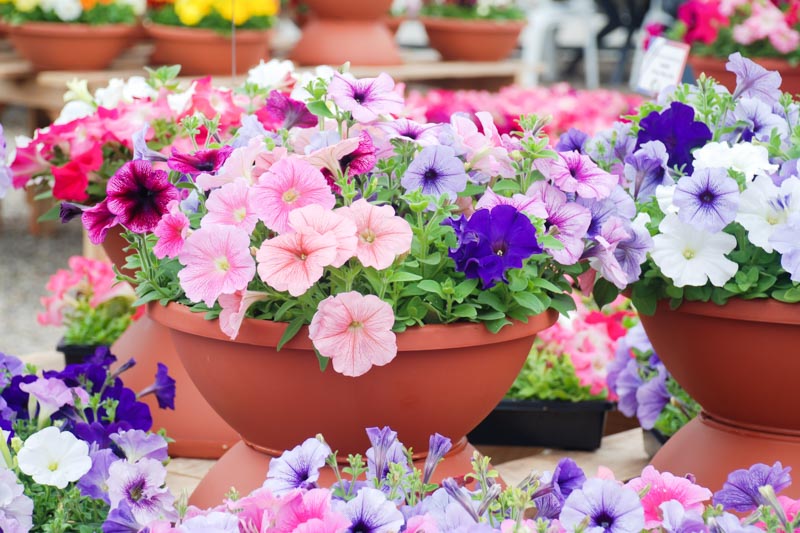
What is a beautiful pink and purple container combination? Combine pink or rose-colored flowers with deep violet-blue accents. Compact petunias, calibrachoa, and suitable salvias can create a rich summer display in full sun. Repeat the same color combination across several containers to give the patio a coordinated appearance.
How do you design a romantic cottage garden container? Choose softly colored flowers with an informal, natural growth habit. Pale pink dianthus, blue campanula, and compatible trailing flowers can create an inviting cottage-style arrangement. Avoid placing every plant at identical intervals. A looser composition feels more natural as the plants mature.
What flowering containers work best in shade? Fuchsias, begonias, and impatiens can bring wonderful color to sheltered patios. Combine pendant fuchsia flowers with contrasting foliage rather than relying solely on flowers. Fuchsia ‘Cecile’ is particularly attractive for a romantic, flower-filled display in appropriate growing conditions.
How can you create a dramatic orange and blue container? Warm orange flowers look beautiful against cool blue and violet shades. Choose compatible compact varieties of calibrachoa, salvia, or other sun-loving annuals. The contrast is particularly effective in terracotta containers on a sunny terrace.
Can dahlias create beautiful patio displays? Absolutely. Compact dahlias bring generous flowers and rich colors to large patio pots. Combine them with appropriately sized flowering or foliage plants, allowing enough root space and airflow. In exposed locations, choose shorter cultivars that are less likely to require staking.
What is the best container arrangement for a small patio? Instead of filling the space with numerous tiny pots, use a few well-proportioned containers of different heights. One generous flowering planter, a smaller complementary pot, and a trailing container can create a more attractive composition while leaving room to move comfortably.
How do you make container flowers look lush rather than sparse? Choose compatible plants with complementary mature shapes and let their growth fill the planter naturally. Use mounding flowers to create volume and trailing varieties to soften the edges. Allow enough root space for healthy growth rather than overcrowding the container immediately.
What colors work best for a sophisticated patio? White and green create a calm, elegant atmosphere. Pink and purple feel romantic, while apricot and lavender-blue offer beautiful contrast. Bold orange, red, and yellow combinations create a lively contemporary effect. Limiting the palette often produces a stronger design than mixing every available flower color.
Gardenia’s flowering container tip: Create one standout planter and repeat its main colors in nearby pots. This gives the patio a coordinated appearance without making every container identical.
Explore Gardenia’s Patio and Container Plant Combinations, Plants That Bloom All Summer, and Beautiful Roses for Patio Containers.
Discover Elegant Evergreen and Foliage Container Ideas for Modern, Woodland, and Mediterranean Patios
Beautiful container gardens don’t need constant flowers. Contrasting foliage shapes, attractive textures, and well-chosen evergreen plants can create a sophisticated display that remains interesting for much longer than a purely seasonal arrangement.
How do you create a beautiful modern patio container? Choose plants with strong forms and a restrained color palette. Blue-gray ornamental grasses, compact evergreen shrubs, and simple green foliage can look striking in contemporary planters. Festuca glauca ‘Elijah Blue’ brings cool blue texture and is especially attractive in sunny, well-drained containers.
What is a beautiful shaded foliage combination? Combine the variegated foliage of Hosta ‘Francee’ with the warm caramel leaves of Heuchera ‘Caramel’. Their contrasting leaf shapes and colors make an elegant arrangement for a sheltered patio. Choose a sufficiently large planter and check that both plants receive suitable light and moisture.
How do you design a woodland-style patio? Use hostas, heucheras, compact ferns, and appropriate grasslike plants in naturalistic combinations. Soft green, silver, lime, and burgundy foliage can create depth without looking busy. Containers in muted earthy tones complement the woodland atmosphere.
What makes a beautiful Mediterranean container garden? Terracotta pots, fragrant herbs, silver foliage, and drought-tolerant plants create a warm, relaxed atmosphere. Rosemary, lavender, thyme, and suitable compact ornamental grasses work well in sunny, freely draining conditions. Avoid combining these plants with moisture-loving species that require frequent watering.
Can succulents create a spectacular patio arrangement? Yes. Combine contrasting rosette forms, fine-textured foliage, and trailing sedums in a broad, shallow container with excellent drainage. Sedum rupestre ‘Angelina’ adds brilliant golden foliage and can trail attractively over the edge. Use species with compatible hardiness and water needs.
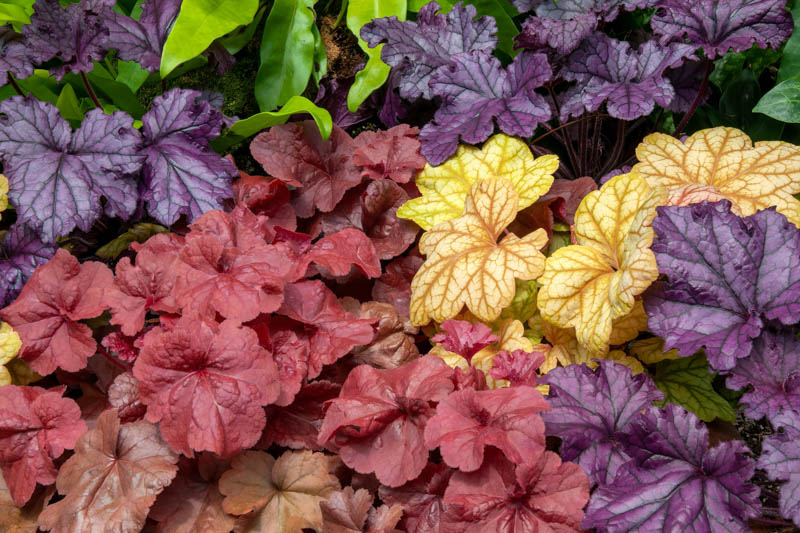
How do you create a colorful foliage container without flowers? Combine rounded coral bell leaves with narrow grasslike foliage and a low trailing plant. Heuchera ‘Electric Lime’ provides luminous chartreuse color, which can contrast beautifully with deeper green or burgundy foliage in a partially shaded setting.
What are the best containers for architectural plants? Large, simple planters allow plants with strong shapes to stand out. Compact evergreen shrubs, Japanese maples, ornamental grasses, and suitable specimen perennials can create elegant focal points. Choose pots substantial enough for the mature root systems and stable enough for exposed locations.
How can foliage containers provide winter interest? Combine reliably hardy evergreen plants with attractive pots and a simple arrangement. Compact conifers and suitable evergreen shrubs may provide structure, while hardy grasses add texture. Remember that roots in containers are more exposed to freezing than roots in garden soil.
Can you combine evergreen shrubs with seasonal flowers? Absolutely. A small evergreen specimen can provide structure while annual flowers add color around its base. Choose companions with compatible growing needs and avoid allowing seasonal plants to crowd the shrub’s root system.
What is the secret to a beautiful foliage display? Contrast. Rounded leaves against narrow blades, glossy foliage beside matte textures, and warm colors against cool greens create interest without excessive decoration. Repeat a few plants naturally rather than using too many unrelated species.
Gardenia’s foliage design advice: Treat leaves as important design elements, not merely backgrounds for flowers. A thoughtfully composed foliage container can be beautiful even when nothing is blooming.
Discover Gardenia’s Small Perennials for Containers, Succulent Container Care, and Hydrangeas for Patio Pots.
Explore Gorgeous Hanging Baskets, Trailing Planters, and Small-Space Patio Design Ideas
Hanging baskets and trailing planters add another dimension to container gardening. Their cascading flowers and foliage soften hard surfaces, bring color closer to eye level, and make small spaces feel wonderfully lush.
How do you create a spectacular hanging flower basket? Choose plants with naturally trailing habits and compatible growing requirements. Calibrachoa, ivy geraniums, and suitable petunias can create generous displays in sunny conditions, while trailing fuchsias are particularly attractive in sheltered, partially shaded positions.
What is a romantic hanging basket combination? Pair the delicate pendant flowers of a trailing fuchsia with a compatible foliage plant that spills gently over the basket. Pink, red, white, and purple flowers create a classic cottage garden effect. Fuchsia ‘Lena’ is a lovely example of a trailing fuchsia with richly colored flowers.
How do you create a colorful sunny hanging basket? Choose two complementary flower colors rather than mixing numerous unrelated shades. Blue-violet calibrachoa and white ivy geraniums can create a fresh summer look when their growing needs and growth habits are compatible. Pelargonium ‘Cascade White’ is an attractive trailing choice.
What plants create beautiful silver cascades? Dichondra ‘Silver Falls’ produces long strands of silvery foliage that spill elegantly over hanging baskets and raised planters. Its soft metallic color complements purple, blue, pink, and white flowers.
How can hanging baskets transform a small balcony? Suspended containers bring flowers into the vertical space without occupying valuable floor area. A few generously planted baskets can create a lush effect, especially when their colors repeat those of nearby planters. Ensure hanging supports are securely fixed and suitable for the weight of fully watered baskets.
What is the thriller, filler, spiller design? This popular approach uses an upright focal plant, rounded plants to fill the container, and trailing varieties to cascade over the edges. It can work beautifully in large mixed planters, but it is not the only attractive container style. A simple, generous planting of one species can be just as striking.
How do you make a mixed planter look natural? Avoid forcing every plant into a perfectly symmetrical pattern. Let trailing plants cascade at slightly different lengths, group compatible flowering plants in relaxed clusters, and choose foliage that connects the different colors.
Can hanging baskets work in shady gardens? Yes. Trailing fuchsias and suitable begonias offer beautiful displays in partial shade. Choose plants according to available light, protect them from excessive heat, and provide consistent moisture during active growth.
What are the best trailing plants for a succulent container? Low-growing sedums can soften container edges, while compact rosette succulents create contrasting structure. A shallow bowl with several compatible species can be especially attractive on a sunny table or terrace.
How do you arrange containers around a seating area? Place larger planters where they can frame the space without obstructing movement. Use smaller containers on tables, steps, or ledges, and hang baskets at heights that allow their flowers to be enjoyed without creating hazards. Fragrant plants can be especially rewarding near seating areas.
What is the biggest mistake in patio container design? Using too many small, unrelated pots. A collection of mismatched containers and competing colors can make even a beautiful patio feel cluttered. A few generous arrangements, repeated plant colors, and complementary container materials usually create a more harmonious result.
Gardenia’s final design tip: Build your patio around a few beautiful plant combinations rather than filling every available space. Mix flowering containers with attractive foliage, introduce trailing plants for softness, and give each arrangement enough room to mature. The result will feel lush, welcoming, and naturally beautiful.
Explore Gardenia’s Hanging Basket Garden Ideas, Hanging Basket Plant Combinations, and Beautiful Fuchsias for Hanging Baskets.