Create Your Garden

Best Indoor Plants for Every Room: A Practical Room-by-Room Guide

Discover the best indoor plants for every room, from dramatic living room foliage and elegant bedroom greenery to beautiful bathroom ferns and compact apartment plants. Compare light requirements, mature sizes, watering needs, and pet safety. Find houseplants that truly suit your space, with practical advice for keeping them healthy.
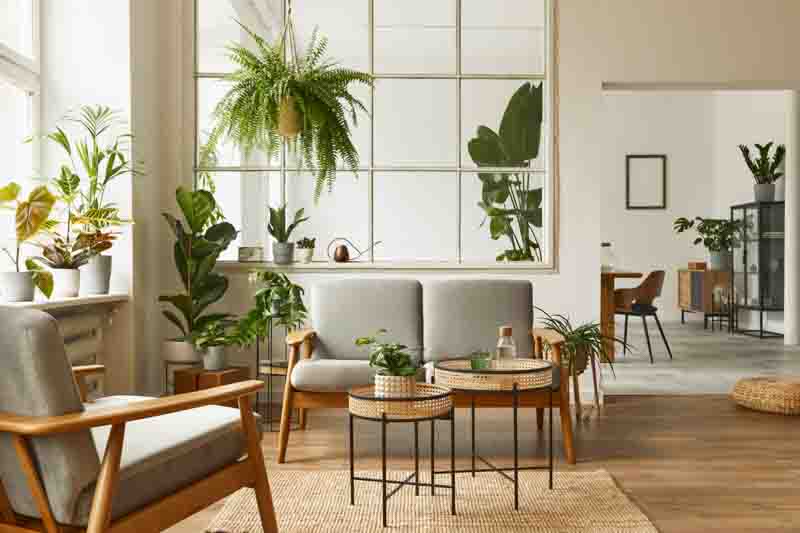
Modern scandinavian interior of living room with design grey sofa, armchair, a lot of plants, coffee table, carpet and personal accessories in cozy home decor

A beautiful Monstera may look perfect beside your sofa, but will it get enough light? Will its enormous leaves eventually crowd the furniture? And what if your cat decides to investigate?

Choosing the best indoor plants for your home is about more than matching foliage to furniture. A sunny living room, a cool bedroom, and a humid bathroom can offer very different growing conditions. Even two windows in the same room may suit completely different plants.

From dramatic tropical foliage to compact apartment greenery, this room-by-room guide helps you choose houseplants that look beautiful and have a realistic chance of thriving. Discover 42 plant recommendations, including pet-friendly options, and learn when even a popular houseplant may be the wrong choice.

What are the best indoor plants for every room?

  • Living room: Monstera, Rubber Plant, Kentia Palm, Bird of Paradise, Corn Plant, Dwarf Umbrella Tree.
  • Bedroom: Parlor Palm, Peperomia, Snake Plant, Spider Plant, Cast Iron Plant, Prayer Plant.
  • Bathroom: Bird’s Nest Fern, Boston Fern, Moth Orchid, Peace Lily, Calathea, Anthurium.
  • Kitchen: Pothos, Spider Plant, Peperomia, Basil, Hoya, Chinese Money Plant.
  • Home office: ZZ Plant, Chinese Evergreen, Heartleaf Philodendron, African Violet, Dragon Tree, Zebra Haworthia.
  • Hallway and small apartment: Cast Iron Plant, Hoya, Chinese Money Plant, Snake Plant, ZZ Plant, Ripple Peperomia.

Remember: Choose according to the light, available space, and care each plant requires, not simply the name of the room.

1How to Choose the Right Houseplant for Your Room

Before choosing a houseplant, observe your room during the day. Light is usually the most important factor determining whether a plant grows vigorously, barely survives, or slowly declines.

  • Bright direct light: Several hours of sunshine reach the leaves. Suitable for many cacti, succulents, and culinary herbs.
  • Bright indirect light: Plenty of daylight without prolonged, intense sunshine. Excellent for Monstera, Rubber Plant, and many tropical species.
  • Medium indirect light: Useful daylight without strong direct sun. Suitable for Parlor Palm, Heartleaf Philodendron, and many Chinese Evergreens.
  • Low light: Limited but usable daylight. Cast Iron Plant, ZZ Plant, and Snake Plant tolerate these conditions, although growth slows considerably.

In the Northern Hemisphere, south-facing windows generally receive the strongest sun, east-facing windows offer gentler morning light, and west-facing windows can receive intense afternoon sunshine. North-facing windows usually provide softer light. Buildings, trees, curtains, and seasons can change these patterns.

Also consider mature size, watering needs, and pets. A young Rubber Plant can become an indoor tree, while compact Peperomias remain suitable for shelves. Moisture-loving ferns require more consistent attention than Snake Plants or ZZ Plants.

Gardenia’s first rule: Low-light tolerant does not mean happy in darkness. Even adaptable houseplants require adequate daylight or suitable grow lighting. A plant several feet from a window may receive dramatically less light than one beside it.

Explore Gardenia’s low-light houseplant guide for additional choices.

2Best Indoor Plants for Living Rooms

The living room is ideal for statement houseplants, especially when generous windows and floor space allow plants to develop naturally. Consider these six favorites:

  • Monstera deliciosa: Its spectacular split leaves bring tropical character to a bright living room. Provide climbing support and room for considerable growth. Avoid cramped corners and homes where pets chew foliage.
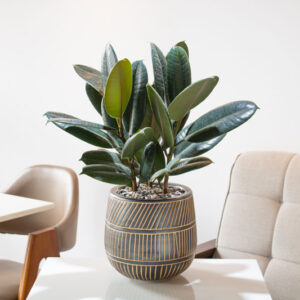
  • Rubber Plant (Ficus elastica): Glossy, substantial leaves create an elegant architectural effect. It needs good light and may reach 6-10 feet (1.8-3 m) indoors without pruning.
  • Kentia Palm (Howea forsteriana): Graceful, arching fronds suit traditional and modern interiors. It grows slowly, tolerates moderate indirect light, and is generally non-toxic to cats and dogs.
  • White Bird of Paradise (Strelitzia nicolai): A striking choice for exceptionally bright rooms with high ceilings. Its enormous leaves and eventual size make it unsuitable for cramped or dim spaces.
  • Corn Plant (Dracaena fragrans): Upright stems topped with arching foliage create height without an overly spreading habit. It adapts to medium or bright indirect light.
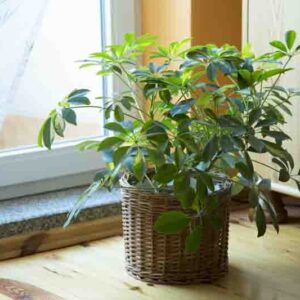
  • Dwarf Umbrella Tree (Schefflera arboricola): Attractive clusters of glossy leaflets give it a lush, bushy appearance. Provide bright indirect light and prune to maintain its shape.

Pet safety: Kentia Palm is the pet-friendly choice in this group. The other five plants are toxic or potentially harmful if chewed.

Living room design tip: One substantial floor plant, a smaller foliage specimen, and a trailing plant often look more attractive than numerous pots competing for space.

Explore these six living room houseplants

Guide Information

Plant Type Houseplants
Genus Aglaonema, Asplenium, Calathea, Dracaena, Epipremnum, Ficus, Hoya, Maranta, Monstera, Peperomia, Phalaenopsis, Philodendron, Pilea, Strelitzia
Monstera deliciosa (Swiss Cheese Plant)
Ficus elastica (Rubber Tree)
Howea forsteriana (Kentia Palm)
Strelitzia nicolai (Giant Bird of Paradise)
Dracaena fragrans ‘Massangeana’ (Corn Plant)
Schefflera arboricola (Dwarf Umbrella Tree)

3Best Indoor Plants for Bedrooms

Bedrooms benefit from manageable greenery that doesn’t overwhelm bedside tables or quiet corners. Several attractive choices are also suitable for pet-friendly households.

  • Parlor Palm (Chamaedorea elegans): Delicate, feathery fronds create a restful appearance. It grows slowly, adapts to medium indirect light, and is non-toxic to cats and dogs.
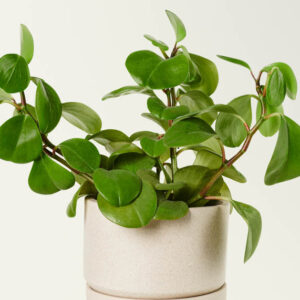
  • Baby Rubber Plant (Peperomia obtusifolia): Thick, rounded leaves and compact growth make it ideal for bedside tables. Provide medium to bright indirect light and allow some drying between waterings.
  • Snake Plant (Dracaena trifasciata): Upright, sword-shaped leaves fit narrow spaces. It tolerates lower light and occasional missed waterings but is toxic to pets.
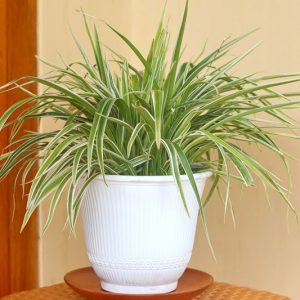
  • Spider Plant (Chlorophytum comosum): Arching foliage and cascading plantlets look lovely on shelves or in hanging baskets. It is easy to grow and generally non-toxic.
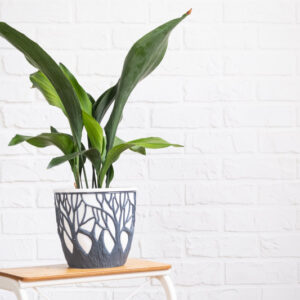
  • Cast Iron Plant (Aspidistra elatior): Dark green, leathery foliage suits a bedroom with limited daylight. It grows slowly and is generally non-toxic to pets.
  • Prayer Plant (Maranta leuconeura): Beautifully patterned leaves often fold upward at night. A pet-friendly choice for medium indirect light, provided humidity and soil moisture remain reasonably consistent.

Do bedroom plants improve sleep? They can make a room feel more inviting, but a few houseplants do not meaningfully increase oxygen or purify the air in a typical ventilated bedroom. Enjoy them for their beauty rather than exaggerated health claims.

Explore these six bedroom houseplants

Chamaedorea elegans (Parlor Palm)
Peperomia obtusifolia (Baby Rubber Plant)
Sansevieria trifasciata var. laurentii (Variegated Snake Plant)
Chlorophytum comosum (Spider Plant)
Aspidistra elatior (Cast Iron Plant)
Maranta leuconeura (Prayer Plant)

4Best Indoor Plants for Bathrooms

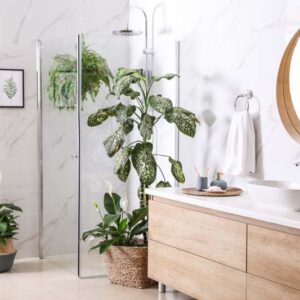
A bright bathroom can be wonderful for humidity-loving tropical plants. However, shower steam cannot compensate for poor light, and bathrooms that dry out quickly may disappoint demanding ferns.

  • Bird’s Nest Fern (Asplenium nidus): Broad, glossy fronds create a sculptural display. It appreciates filtered light, humidity, and consistent moisture. Generally non-toxic to pets.
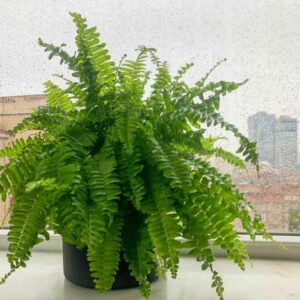
  • Boston Fern (Nephrolepis exaltata): Cascading, finely divided fronds look beautiful in hanging baskets. Best where humidity remains relatively high and the potting mix does not dry excessively.
  • Moth Orchid (Phalaenopsis hybrids): Elegant flowers can remain attractive for weeks or months. A bright windowsill, airy orchid medium, and careful watering encourage success.
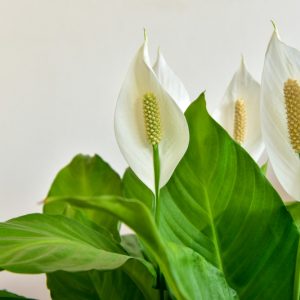
  • Peace Lily (Spathiphyllum spp.): Glossy foliage and white spathes provide year-round interest. It tolerates moderate light but flowers better in brighter conditions. Toxic to pets.
  • Round-Leaved Calathea (Goeppertia orbifolia): Large, silver-striped leaves appreciate humidity and gentle light. Beautiful but less forgiving of dry air or irregular watering.
  • Flamingo Flower (Anthurium andraeanum): Brilliant red, pink, or white spathes add tropical color. Provide bright indirect light and excellent drainage. Toxic if chewed.

Best pet-friendly choices: Bird’s Nest Fern, Boston Fern, Phalaenopsis, and Goeppertia orbifolia are generally considered non-toxic.

Windowless bathroom? Use a suitable grow light or choose another location. Humidity cannot replace light, and ordinary bathroom lights switched on briefly are generally insufficient.

Discover more in Gardenia’s Best Indoor Plants for Bathrooms.

Explore these six bathroom houseplants

Asplenium nidus (Bird’s Nest Fern)
Nephrolepis exaltata (Boston Fern)
Peace Lily (Spathiphyllum)
Calathea orbifolia
Anthurium andraeanum (Flamingo Flower)
Phalaenopsis (Moth Orchids)

5Best Indoor Plants for Kitchens

Kitchens offer opportunities for trailing greenery, compact foliage, and edible herbs, provided plants receive suitable light and remain away from cooking heat.

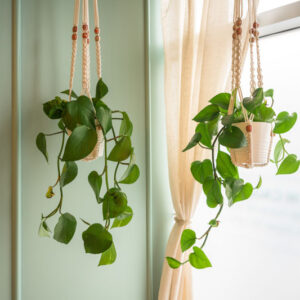
  • Golden Pothos (Epipremnum aureum): Heart-shaped leaves cascade beautifully from shelves. It tolerates medium indirect light and is easy to maintain, but is toxic to pets.
  • Spider Plant (Chlorophytum comosum): Ideal for hanging baskets where its arching leaves won’t obstruct food preparation. A generally non-toxic alternative to Pothos.
  • Baby Rubber Plant (Peperomia obtusifolia): Compact, glossy foliage fits neatly on a countertop near a reasonably bright window.
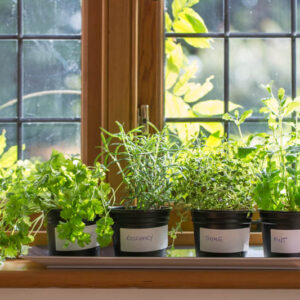
  • Sweet Basil (Ocimum basilicum): Attractive, fragrant, and useful for cooking. Unlike most foliage houseplants, basil requires plenty of sunshine, warmth, and regular watering.
  • Wax Plant (Hoya carnosa): Waxy, trailing foliage makes good use of vertical space. Bright indirect light may also encourage fragrant clusters of star-shaped flowers.
  • Chinese Money Plant (Pilea peperomioides): Its charming round leaves suit sunny-looking shelves with bright indirect light. Rotate periodically to encourage even growth.

Placement tip: Reserve your brightest windowsill for herbs, and keep tropical foliage away from burners, hot exhaust, and cold drafts.

Explore these six kitchen houseplants

Epipremnum aureum (Golden Pothos)
Chlorophytum comosum (Spider Plant)
Peperomia obtusifolia (Baby Rubber Plant)
Ocimum basilicum (Basil)
Hoya carnosa (Wax Plant)
Pilea peperomioides (Chinese Money Plant)

6Best Indoor Plants for Home Offices

The best office plants remain attractive between meetings, weekends, and occasional vacations. Light availability matters more than how often you’re at your desk.

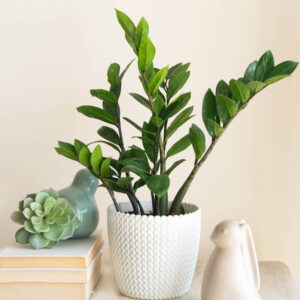
  • ZZ Plant (Zamioculcas zamiifolia): Glossy, upright foliage and water-storing rhizomes make it forgiving of missed waterings. It tolerates lower light but grows better in moderate indirect light.
  • Chinese Evergreen (Aglaonema commutatum and hybrids): Beautiful patterned foliage adds color to office interiors. Green varieties tolerate less light than highly variegated selections.
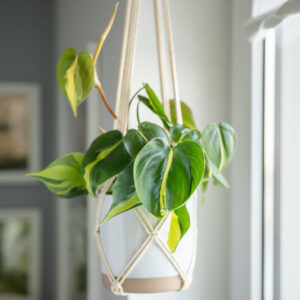
  • Heartleaf Philodendron (Philodendron hederaceum): Trailing, heart-shaped leaves soften bookshelves and cabinets. Adaptable in medium to bright indirect light, but toxic to pets.
  • African Violet (Streptocarpus sect. Saintpaulia): A compact flowering choice for a bright desk. With suitable light and watering, it can bloom repeatedly throughout the year.
  • Madagascar Dragon Tree (Dracaena marginata): Slender stems and narrow, arching leaves create an architectural accent beside a desk. Best with good indirect light.
  • Zebra Haworthia (Haworthiopsis attenuata): A charming, compact succulent with white-banded leaves. Ideal for a bright desktop, but unsuitable for a dim cubicle.

Pet safety: African Violet and Zebra Haworthia are generally considered non-toxic. ZZ Plant, Aglaonema, Philodendron, and Dragon Tree are toxic to cats and dogs if ingested.

For identification help, see Gardenia’s Pothos vs. Philodendron guide.

Explore these six home office houseplants

Zamioculcas zamiifolia (ZZ Plant)
Aglaonema ‘Silver Queen’ (Chinese Evergreen)
Philodendron hederaceum ‘Brasil’
Saintpaulia ionantha (African Violet)
Dracaena marginata (Dragon Tree)
Haworthiopsis attenuata (Zebra Haworthia)

7Best Indoor Plants for Hallways and Small Apartments

Limited space calls for compact, upright, or trailing plants. Hallways often have weaker light, while small apartments may offer bright windows but little floor space.

  • Cast Iron Plant (Aspidistra elatior): Leathery, dark green leaves tolerate lower light and occasional missed waterings. A dependable, generally non-toxic choice for a shaded entrance.
  • Wax Plant (Hoya carnosa): Attractive trailing or climbing stems make excellent use of vertical space. Reserve it for a bright apartment rather than a dark hallway.
  • Chinese Money Plant (Pilea peperomioides): Round leaves and compact growth suit small tables or windowsills with bright indirect light.
  • Snake Plant (Dracaena trifasciata): Upright foliage occupies minimal floor space and tolerates comparatively low light. Avoid overwatering.
  • ZZ Plant (Zamioculcas zamiifolia): Glossy stems suit narrow spaces with some daylight. It is forgiving of occasional drought but can spread wider as it matures.
  • Ripple Peperomia (Peperomia caperata): Deeply textured, often colorful leaves create interest without demanding much space. Best on a shelf with medium to bright indirect light.

Small-space design idea: Combine one upright floor plant, one trailing shelf plant, and one compact tabletop specimen. For dark hallways, prioritize Cast Iron Plant, Snake Plant, or ZZ Plant, but remember that none can thrive in complete darkness.

Explore these six plants for hallways and small apartments

Aspidistra elatior (Cast Iron Plant)
Hoya carnosa (Wax Plant)
Pilea peperomioides (Chinese Money Plant)
Sansevieria trifasciata var. laurentii (Variegated Snake Plant)
Zamioculcas zamiifolia (ZZ Plant)
Peperomia caperata (Emerald Ripple Peperomia)

8Gardenia’s Room-by-Room Houseplant Suitability Guide

Choosing a houseplant becomes easier when you ask two questions: Where will it grow best, and when is it likely to struggle? Use this comparison to narrow your choices before exploring the detailed plant cards above.

Room Best choices Best conditions When to avoid
Living room Monstera, Kentia Palm, Rubber Plant Good daylight, space for growth Dark corners, cramped spaces
Bedroom Parlor Palm, Peperomia, Spider Plant Moderate to bright indirect light Poor light, limited room
Bathroom Bird’s Nest Fern, Orchid, Boston Fern Filtered light, suitable humidity Windowless without grow light
Kitchen Pothos, Spider Plant, Basil Indirect light; direct sun for herbs Cooking heat, insufficient herb light
Office ZZ Plant, Aglaonema, African Violet Adequate light; brighter for blooms Dark cubicles without grow light
Hallway Cast Iron Plant, Snake Plant, ZZ Plant Low to medium usable daylight Complete darkness
Small apartment Hoya, Pilea, Ripple Peperomia Bright shelves, limited floor space Crowding, unsuitable light

Gardenia’s selection method: Match the light first, eliminate plants that will outgrow the space or present a pet-safety concern, then compare maintenance and appearance. A plant that suits your conditions will almost always be more rewarding than one chosen for looks alone.

9Five Mistakes That Make Houseplants Struggle

  • Too little light: A tropical plant cannot thrive in a dark corner simply because it looks beautiful there.
  • Overwatering: Check the potting mix rather than watering every plant on a fixed schedule.
  • Poor drainage: Use containers with drainage holes and avoid leaving roots in standing water.
  • Temperature extremes: Protect plants from heating vents, cold windows, and air-conditioning drafts.
  • Ignoring pests: Inspect foliage regularly for webbing, sticky deposits, spots, and visible insects.

For identification and treatment advice, explore Gardenia’s Houseplant Pest Guide.

10Find the Right Plants for Your Home

A successful indoor garden doesn’t require greenery in every corner. A graceful palm beside a living room window, a compact Peperomia on a dresser, and a flourishing fern in a bright bathroom can be more rewarding than dozens of plants struggling in unsuitable conditions.

Choose according to your home’s light, space, and maintenance needs, and let Gardenia’s plant profiles help you explore the details before making your selection.

Find the Best Houseplants for Your Home

Use the room-by-room recommendations above to narrow your choices, then explore individual plants and growing advice to make a confident decision.

Start with your room’s conditions, then find the plant that truly belongs there.

Frequently Asked Questions About Indoor Plants

What is the best indoor plant for every room?

No single houseplant suits every room. Monstera and Kentia Palm work well in suitably bright living rooms, Parlor Palm and Peperomia suit many bedrooms, and Bird’s Nest Fern can thrive in a bright, humid bathroom. Choose according to light, space, and pet safety.

Which houseplants tolerate low light?

Cast Iron Plant, ZZ Plant, and Snake Plant tolerate comparatively low light, although they grow better with adequate daylight. No conventional houseplant thrives indefinitely in complete darkness without suitable supplemental lighting.

Can plants grow in a windowless bathroom?

Yes, if suitable grow lighting provides sufficient light for sustained growth. Humidity cannot replace light, and ordinary bathroom lighting switched on briefly is generally insufficient.

What are the best pet-friendly houseplants?

Parlor Palm, Kentia Palm, Spider Plant, Boston Fern, Bird’s Nest Fern, Peperomia obtusifolia, Prayer Plant, Pilea peperomioides, and Phalaenopsis orchids are generally considered non-toxic to cats and dogs. Always verify botanical names.

Which indoor plants need the least maintenance?

ZZ Plant, Snake Plant, Cast Iron Plant, and Peperomia obtusifolia are relatively forgiving when provided with appropriate light, drainage, and watering.

Do houseplants really purify indoor air?

Plants can absorb certain pollutants in laboratory experiments, but ordinary numbers of houseplants do not meaningfully purify air in typical ventilated homes. Ventilation and appropriate filtration are more effective.


Updated and reviewed by Gardenia: October 2026

Recommended Guides

How to Grow Citrus Indoors: From Fragrant Blooms to Homegrown Fruit
Grow These 20 Herbs Indoors for Freshness All Year
How to Grow and Care for Indoor Palm Trees
Palm Trees You Can Grow Indoors: Best Varieties for Your Home
Indoor Succulent Plants: Best Varieties for Your Home
How to Care for Succulents Indoors and Outdoors
Indoor Lavender Care: Your Guide to Growing Beautiful Plants
Indoor Vining Plants: The Secret to a Lush Home Interior
Best Indoor Plants for Cleaner Air
32 Popular Indoor Plants Toxic to Cats
32 Popular Indoor Plants Toxic to Dogs
Keeping Your Indoor Plants Pest-Free: Identification and Treatment Solutions
34 Best Indoor Plants for Bathrooms
31 Best Bright-Light Indoor Plants to Transform Your Home
30 Top Low-Light Indoor Plants for Easy Care and Beauty
30 Best Indoor Plants for Adding Color and Life to Your Home
Ficus Tree: Varieties and Indoor Growing Guide
12 Most Loved Orchids for Indoors and Outdoors
Pothos vs. Philodendron: Which Houseplant Is Right for You?
Pet-Safe Houseplants for Cats: 30 Non-Toxic Picks
Pet-Safe Houseplants: Perfect Picks for Dog Owners
While every effort has been made to describe these plants accurately, please keep in mind that height, bloom time, and color may differ in various climates. The description of these plants has been written based on numerous outside resources.

Related Items

Please Login to Proceed

You Have Reached The Free Limit, Please Subscribe to Proceed

Subscribe to Gardenia

To create additional collections, you must be a paid member of Gardenia
  • Add as many plants as you wish
  • Create and save up to 25 garden collections
Become a Member

Plant Added Successfully

Your garden is taking shape. Unlock full planning.

You’ve reached the free limit. Upgrade for $25/year to add as many plants as you wish and save up to 25 garden collections. Unlock Annual Membership

Update Your Credit
Card Information

Cancel

Create a New Collection

Sign Up to Our Newsletter

    You have been subscribed successfully

    Join Gardenia.net

    Create a membership account to save your garden designs and to view them on any device.

    Becoming a contributing member of Gardenia is easy and can be done in just a few minutes. If you provide us with your name, email address and the payment of a modest $25 annual membership fee, you will become a full member, enabling you to design and save up to 25 of your garden design ideas.

    Join now and start creating your dream garden!

    Find your Hardiness Zone

    Find your Heat Zone

    Find your Climate Zone