Want plants that forgive real life? These easy-care indoor and outdoor plants tolerate missed waterings, busy schedules, dry soil, low light, and beginner mistakes. From snake plant and ZZ plant to sedum, daylilies, and ornamental grasses, this guide helps you choose beautiful plants that thrive with minimal care.


Some plants seem to ask for constant attention. They wilt if you miss one watering, sulk if the light changes, and collect pests the moment your back is turned. Then there are the survivors – the plants that quietly keep growing while you travel, forget, overwork, under-water, skip fertilizer, or generally live a full human life.
This guide is for anyone who loves plants but does not want a second job. Whether you are a beginner, a frequent traveler, a busy parent, a renter, an office worker, or someone who has accidentally killed more plants than you care to admit, the right plant choices can make all the difference.
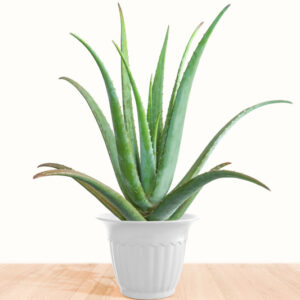
The best plants that survive neglect are not magic. They are adapted to store water, tolerate inconsistent care, grow slowly, handle lower light, or recover after stress. Snake plant, ZZ plant, pothos, jade plant, aloe, spider plant, cast iron plant, peace lily, sedum, rosemary, yarrow, ornamental grasses, daylilies, and many succulents are popular because they forgive ordinary mistakes better than fussy plants.
Important truth about neglect-proof plants
No plant survives total neglect forever. The goal is to choose plants that tolerate imperfect care – missed waterings, low humidity, lean soil, occasional pruning delays, and changing light – without collapsing immediately.
Quick answer: The best plants that survive neglect include:
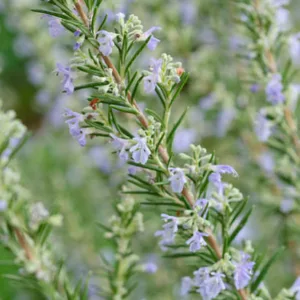
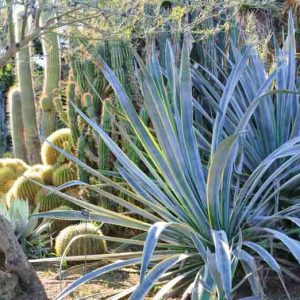
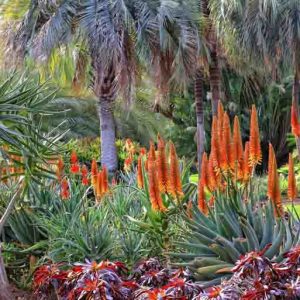
Neglect-tolerant plants usually have one or more built-in survival strategies. Succulents such as jade plant, aloe, agave, and sedum store water in their leaves, stems, or roots. Plants such as ZZ plant store water in thick underground rhizomes. Snake plant has tough, upright, water-conserving leaves. Mediterranean herbs such as rosemary have aromatic, narrow, or resinous foliage that helps reduce water loss.
Many outdoor low-maintenance plants also share useful traits: deep roots, drought tolerance, pest resistance, adaptable soil preferences, long-lived crowns, and a natural ability to regrow after weather stress. They do not need constant feeding, staking, deadheading, dividing, spraying, or babying.
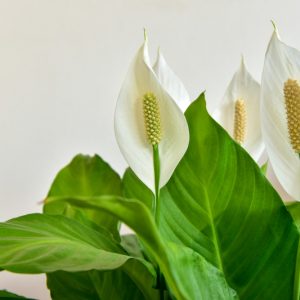
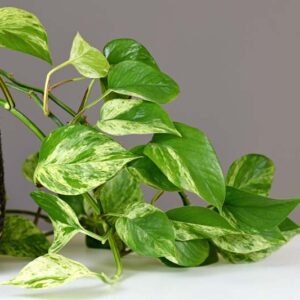
The best plants for neglect are also slow to complain. A thirsty peace lily may flop dramatically, but it often revives after watering. A pothos may pause growth in low light but keep its leaves. A ZZ plant may sit quietly for months with very little water. A sedum in a dry border may look even better when the soil is lean and watering is limited.
Neglect-tolerant does not mean overwatering-tolerant
The fastest way to kill many “easy” plants is kindness with a watering can. Snake plant, ZZ plant, jade plant, aloe, cactus, and most succulents usually prefer drying out between waterings.
Indoor plants face a strange life. They grow in pots, under roofs, in artificial climates, often far from the bright tropical or arid habitats they evolved in. The easiest houseplants are the ones that tolerate these compromises without constant fuss.
| Genus | Achillea, Agave, Aglaonema, Aloe, Crassula, Dracaena, Echinacea, Epipremnum, Hemerocallis, Nepeta, Opuntia, Philodendron, Rosmarinus, Rudbeckia, Salvia, Sedum, Yucca |
|---|

Houseplant shortcut
If you forget to water, choose plants with thick leaves, rhizomes, bulbs, canes, or swollen stems. If you tend to overwater, choose plants that visibly wilt before disaster, such as peace lily or pothos, and use pots with drainage holes.
Outdoor neglect is different from indoor neglect. A garden plant may face drought, heat, wind, poor soil, weeds, deer, frost, humidity, and competition from nearby roots. The best low-maintenance garden plants are tough enough to establish, spread modestly, and return year after year with minimal intervention.
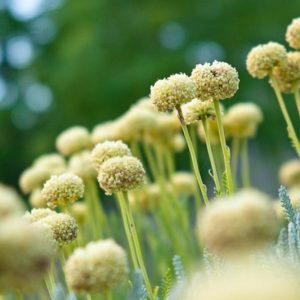
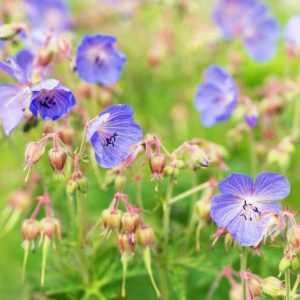
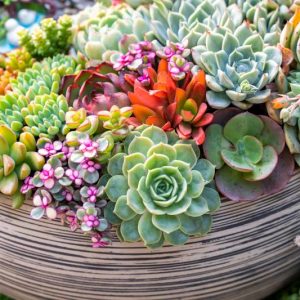
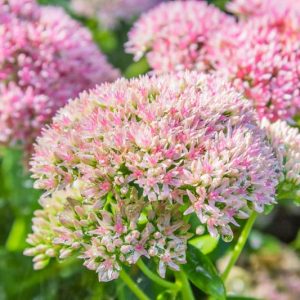
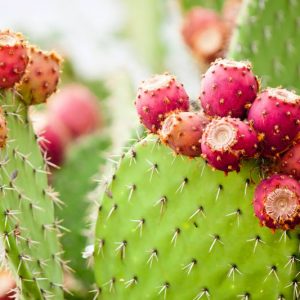
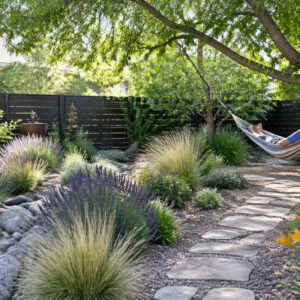
Ornamental grasses such as little bluestem, switchgrass, feather reed grass, fountain grass where appropriate, and regionally suitable native grasses can be excellent for low-maintenance landscapes. They add movement, texture, seedheads, erosion control, and winter structure. Always choose species that suit your climate and are not invasive locally.
Not every neglected plant is neglected in the same way. Some people forget to water. Some have dark rooms. Some have hot patios. Some have poor soil. Some want curb appeal without weekend chores. Matching the plant to the kind of neglect is the key to success.
| Situation | Best Plant Choices | What to Avoid |
|---|---|---|
| You forget to water | Snake plant, ZZ plant, jade plant, aloe, ponytail palm, cactus, sedum, lavender, rosemary | Ferns, calathea, thirsty annuals, moisture-loving tropicals |
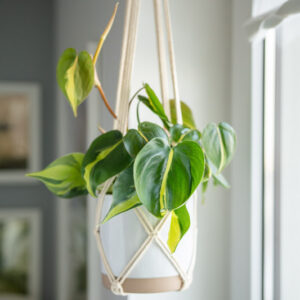
| You have low light indoors | ZZ plant, snake plant, pothos, cast iron plant, Chinese evergreen, heartleaf philodendron | Cactus, most succulents, rosemary, citrus |
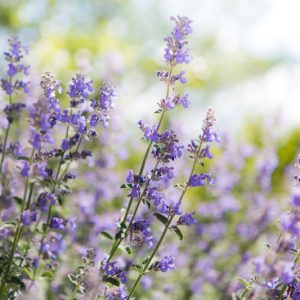
| Your garden soil is dry and lean | Sedum, yarrow, thyme, salvia, catmint, ornamental grasses, yucca | Bog plants, water-loving shrubs, plants that demand rich soil |
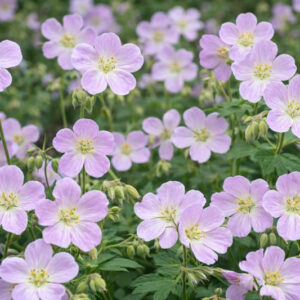
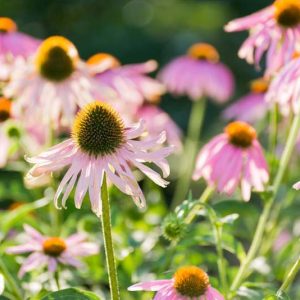
| You want easy curb appeal | Daylily, catmint, coneflower, black-eyed Susan, sedum, ornamental grasses, hardy geranium | High-maintenance roses, delicate annual displays, plants needing staking |
| You travel often | ZZ plant, snake plant, pothos, jade plant, aloe, ponytail palm, sedum, established drought-tolerant perennials | Small pots in hot sun, thirsty hanging baskets, seedlings |
Some plants survive neglect but look tired while doing it. The real winners are plants that still look intentional with minimal care. These are especially useful for front yards, rental properties, offices, vacation homes, and busy households.
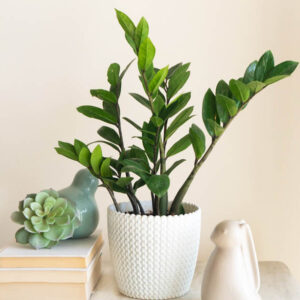
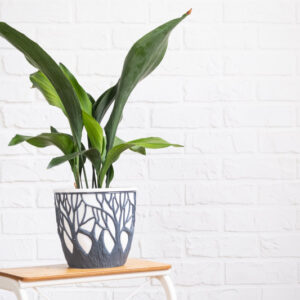
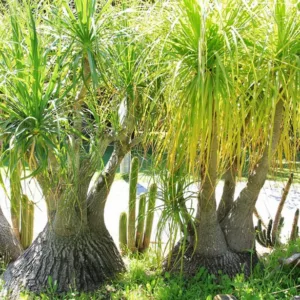
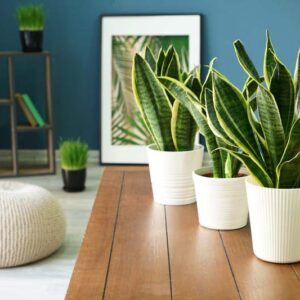
Snake plant keeps a crisp architectural shape indoors. ZZ plant stays glossy and upright. Cast iron plant provides quiet green structure in shade. Jade plant becomes more sculptural with age. Ponytail palm looks playful even when watered rarely.
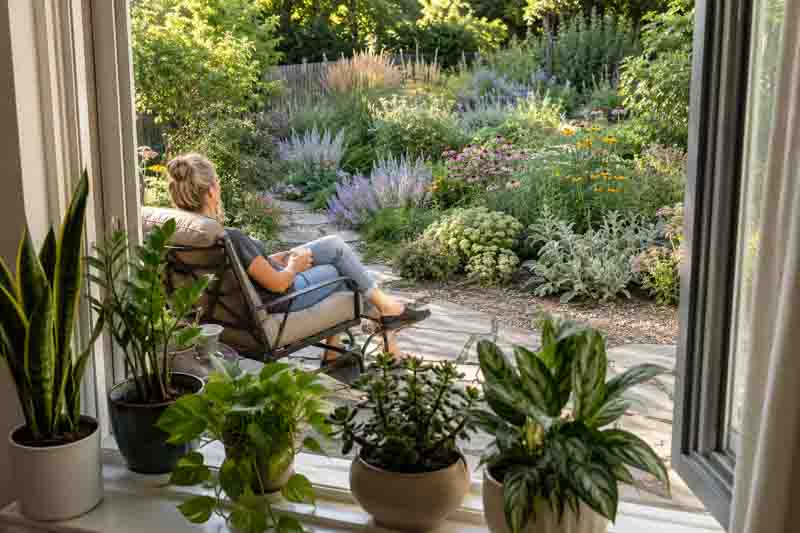
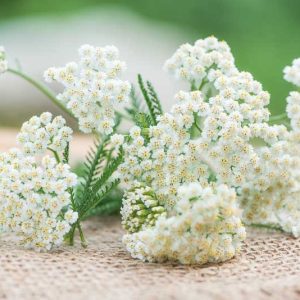
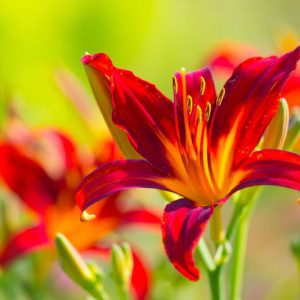
Outdoors, sedum offers flowers and seedheads, ornamental grasses provide movement for months, lavender adds fragrance and silver foliage, catmint softens edges, and daylilies fill space reliably. These plants do not just survive – they help a low-maintenance garden look designed.
Pet safety note
Many easy houseplants, including snake plant, ZZ plant, pothos, philodendron, jade plant, aloe, and peace lily, can be toxic to cats, dogs, or people if chewed. Place plants carefully and check toxicity before bringing them into homes with pets or small children.
The phrase “impossible to kill” is catchy, but misleading. Most neglect-tolerant plants die from the same avoidable mistakes. The first is overwatering. Plants adapted to dry spells often rot when their roots stay wet. Use pots with drainage holes, empty saucers after watering, and let the soil dry appropriately between waterings.
The second mistake is putting sun-loving plants in dark rooms. Cactus, jade plant, aloe, lavender, rosemary, sedum, and most succulents need bright light. They may survive temporarily in low light, but they will stretch, weaken, or decline over time.
The third mistake is choosing the wrong plant for the climate. Some ornamental grasses are excellent in one region but invasive in another. A plant is low-maintenance only when it fits the site.
The fourth mistake is expecting young plants to behave like established plants. Even drought-tolerant perennials need consistent water while roots develop. Neglect works best after establishment, not on day one.
The one-month rule
Most new plants need closer attention for the first few weeks. Once roots are established, tough plants become much more forgiving. Do not judge a plant’s neglect tolerance while it is still settling in.
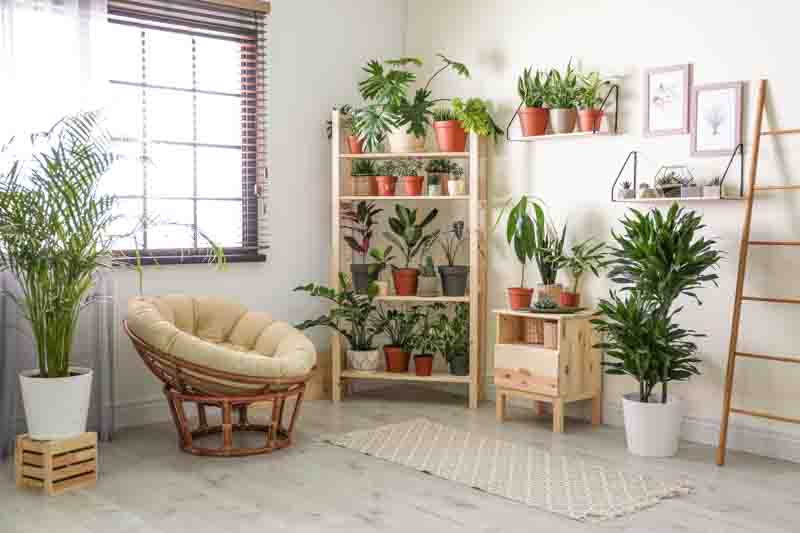
Start with three reliable plants instead of buying ten delicate ones. A snake plant for structure, a pothos for trailing growth, and a ZZ plant for glossy foliage will teach you more than a shelf full of fussy plants. Add aloe or jade if you have bright light. Add cast iron plant or Chinese evergreen if your rooms are dim.
Choose the right potting mix. Succulents and cacti need fast drainage. Tropical foliage plants usually prefer a quality indoor potting mix that holds some moisture but does not stay soggy. Every pot should have drainage unless you are using a nursery pot inside a decorative cachepot.
Water by checking the soil, not by the calendar. Push a finger into the potting mix or use a moisture meter. Heavy pots often still contain water. Lightweight pots are usually dry. This simple habit prevents more plant deaths than any fertilizer routine.
Keep expectations realistic. In low light, plants grow slowly. In winter, many houseplants need less water. In dry heated rooms, leaf tips may brown. Low-maintenance plant care is not about perfect leaves forever – it is about plants that remain healthy with reasonable effort.
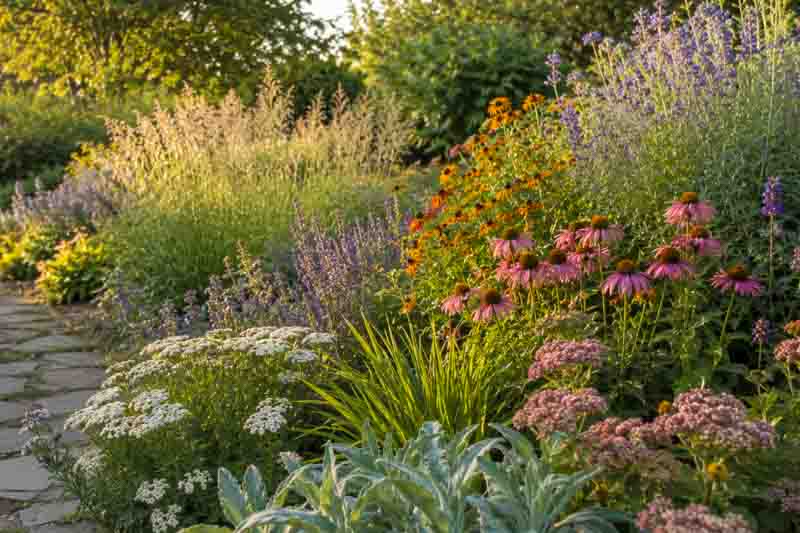
A low-maintenance garden starts with the right structure. Use shrubs, ornamental grasses, groundcovers, and long-lived perennials before relying on annual flowers. Annuals can be beautiful, but they usually need more watering, feeding, deadheading, and replacement.
Group plants by water needs. Put drought-tolerant plants together in sunny, well-drained areas. Put moisture-loving plants only where water naturally collects or where irrigation is easy. Mixing thirsty plants with dry-garden plants creates constant frustration.
Cover bare soil. Mulch reduces weeds, moderates soil temperature, slows evaporation, and makes beds look finished. Gravel mulch can work well around Mediterranean and desert-style plants, while organic mulch suits many shrubs and perennials.
Repeat the same tough plants. A garden full of one-of-each specimens becomes harder to maintain and less visually calm. Repeating sedum, catmint, ornamental grasses, lavender, yarrow, or daylilies creates rhythm and reduces decision fatigue.
Low-maintenance garden formula
Some plants are wonderful but not ideal for neglect. Avoid plants that need constant moisture, perfect humidity, regular deadheading, careful pruning, staking, pest monitoring, or winter protection unless you enjoy those tasks.
Indoors, many ferns, calatheas, maidenhair ferns, orchids, bonsai, and carnivorous plants can be rewarding, but they are usually not the best choices for forgetful beginners. Outdoors, avoid high-maintenance roses, thirsty hanging baskets, delicate annual bedding, plants that need frequent division, and species that are not hardy in your climate.
Also be careful with plants described as “vigorous.” Some low-maintenance plants survive too well and can become invasive, weedy, or difficult to control. Always check local guidance before planting aggressive groundcovers, self-seeding grasses, or spreading vines near natural areas.
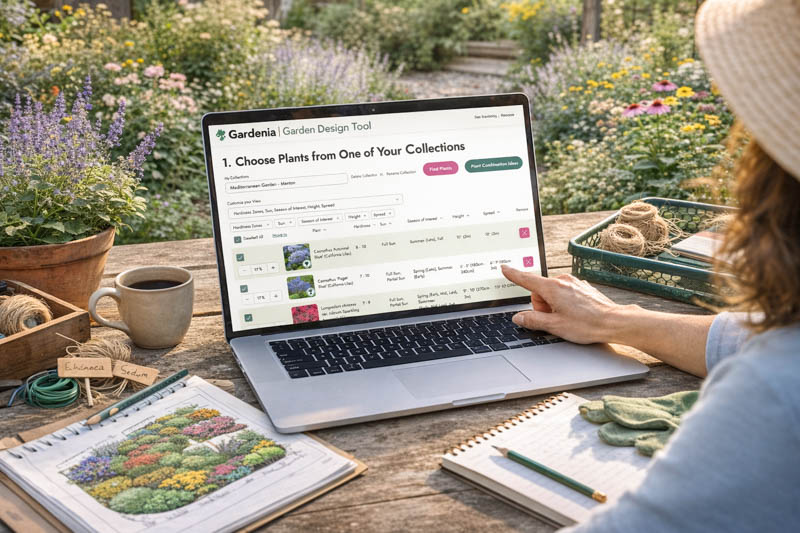
The easiest plant is the one that fits your real conditions. Use the Gardenia Plant Finder to filter plants by hardiness zone, light exposure, soil type, water needs, height, spread, bloom season, flower color, foliage interest, and garden use. This helps you move from a generic “easy plants” list to a plant palette that actually suits your home or garden.
Once you have a shortlist, use the Gardenia Design Tool to arrange plants by size, color, and maintenance needs. Place drought-tolerant plants together, give large plants enough room, repeat reliable performers, and design beds that will still look good even when life gets busy.
Best next step
Choose plants for the neglect pattern you actually have. Forget to water? Pick drought-tolerant plants. Have dim rooms? Pick low-light foliage plants. Hate pruning? Pick slow growers. The right match is what makes a plant feel effortless.
Plants that survive neglect are not just beginner plants. They are smart plants for modern life. They suit busy homes, changing schedules, dry summers, small apartments, rental balconies, offices, vacation properties, and gardeners who want beauty without constant maintenance.
The most reliable choices share a simple pattern: they match the light, soil, water, climate, and space available. Indoors, snake plant, ZZ plant, pothos, cast iron plant, jade plant, aloe, and ponytail palm are dependable starting points. Outdoors, sedum, yarrow, lavender, rosemary, daylily, catmint, coneflower, black-eyed Susan, and ornamental grasses can create a resilient, beautiful, low-maintenance garden.
Choose well, water wisely during establishment, avoid overwatering, and let tough plants do what they do best. A thriving plant collection does not have to be demanding. With the right plants, neglect can become less of a problem – and more of a design strategy.
The best plants that survive neglect include snake plant, ZZ plant, pothos, cast iron plant, jade plant, aloe vera, ponytail palm, spider plant, sedum, yarrow, lavender, rosemary, daylily, catmint, coneflower, black-eyed Susan, and many ornamental grasses. The right choice depends on whether the plant is indoors or outdoors, and whether your main challenge is low light, drought, poor soil, heat, or inconsistent care.
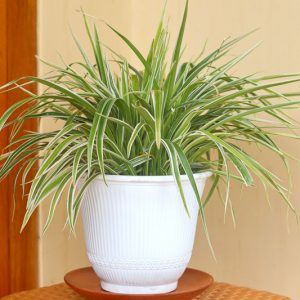
Snake plant and ZZ plant are two of the easiest houseplants to keep alive. Both tolerate missed waterings, average indoor humidity, and lower light better than many common houseplants. Pothos, cast iron plant, heartleaf philodendron, Chinese evergreen, spider plant, and jade plant are also excellent low-maintenance houseplants for beginners.
Plants for forgetful waterers include snake plant, ZZ plant, jade plant, aloe vera, ponytail palm, cactus, sedum, agave, yucca, lavender, rosemary, thyme, and many succulents. These plants store water or tolerate dry soil better than moisture-loving plants. Most still need watering sometimes, but they usually prefer drying out between waterings.
Some low-maintenance plants tolerate low light, but no plant thrives in complete darkness. Good low-light, low-maintenance houseplants include ZZ plant, snake plant, pothos, cast iron plant, Chinese evergreen, and heartleaf philodendron. Cactus, aloe, jade plant, lavender, rosemary, and most succulents need brighter light and are not good choices for dark rooms.
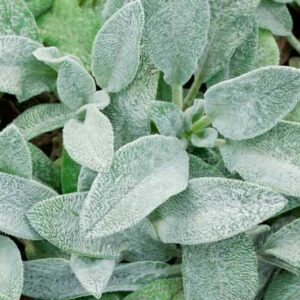
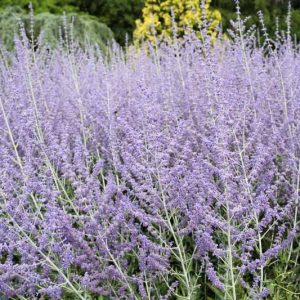
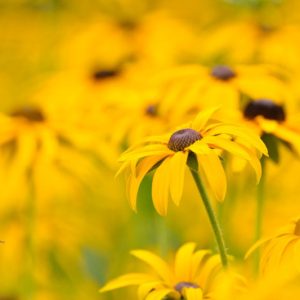
Outdoor plants that need very little care once established include sedum, yarrow, daylily, catmint, lavender, rosemary, Russian sage, coneflower, black-eyed Susan, lamb’s ear, hardy geranium, ornamental grasses, thyme, salvia, yucca, and agave. For best results, choose plants that match your climate, soil, rainfall, and sun exposure.
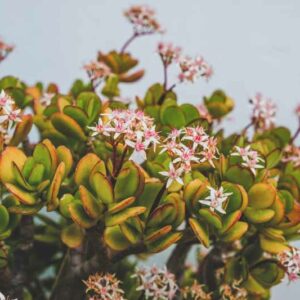
Succulents are excellent plants for neglect if they receive enough light and have fast-draining soil. Jade plant, aloe vera, echeveria, haworthia, sedum, agave, and many cacti tolerate missed waterings well. However, succulents are not good for dark rooms or constantly wet soil. Overwatering is the most common reason succulents fail.
ZZ plant, snake plant, cactus, jade plant, aloe vera, ponytail palm, agave, and many succulents can go longer without water than most houseplants or garden plants. Exact timing depends on light, temperature, pot size, soil, humidity, and plant size. In general, plants in bright, warm conditions dry faster than plants in cool, low-light rooms.
Most neglect-tolerant plants need little fertilizer. Many tough indoor plants grow well with light feeding during spring and summer, while drought-tolerant outdoor plants often prefer lean soil. Too much fertilizer can cause weak, floppy growth and may make plants more vulnerable to pests, drought, or weather stress.
The biggest mistake with easy-care plants is overwatering. Many plants labeled as low-maintenance, including snake plant, ZZ plant, jade plant, aloe, cactus, sedum, lavender, rosemary, and agave, dislike constantly wet roots. Use well-drained soil, pots with drainage holes, and water only when the plant actually needs it.
Updated: May 2026 • Reviewed by Gardenia Editors
| Genus | Achillea, Agave, Aglaonema, Aloe, Crassula, Dracaena, Echinacea, Epipremnum, Hemerocallis, Nepeta, Opuntia, Philodendron, Rosmarinus, Rudbeckia, Salvia, Sedum, Yucca |
|---|
Create a membership account to save your garden designs and to view them on any device.
Becoming a contributing member of Gardenia is easy and can be done in just a few minutes. If you provide us with your name, email address and the payment of a modest $25 annual membership fee, you will become a full member, enabling you to design and save up to 25 of your garden design ideas.
Join now and start creating your dream garden!
Create a membership account to save your garden designs and to view them on any device.
Becoming a contributing member of Gardenia is easy and can be done in just a few minutes. If you provide us with your name, email address and the payment of a modest $25 annual membership fee, you will become a full member, enabling you to design and save up to 25 of your garden design ideas.
Join now and start creating your dream garden!