Narcissus bulb fly is a hidden pest that hollows out daffodil and related bulbs, leaving weak leaves, missing flowers, and soft decayed bulbs. Learn how to identify the bumblebee-like adult, spot larvae inside bulbs, separate pest damage from daffodil blindness, remove infestations, and protect treasured spring displays.


If your daffodils send up thin, grassy leaves but never bloom, or if a once-firm bulb turns soft, hollow, and brown inside, the problem may be more than ordinary daffodil blindness. The narcissus bulb fly is a hidden bulb pest that damages plants from the inside out, often long before anything looks wrong above ground.
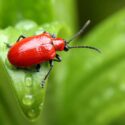
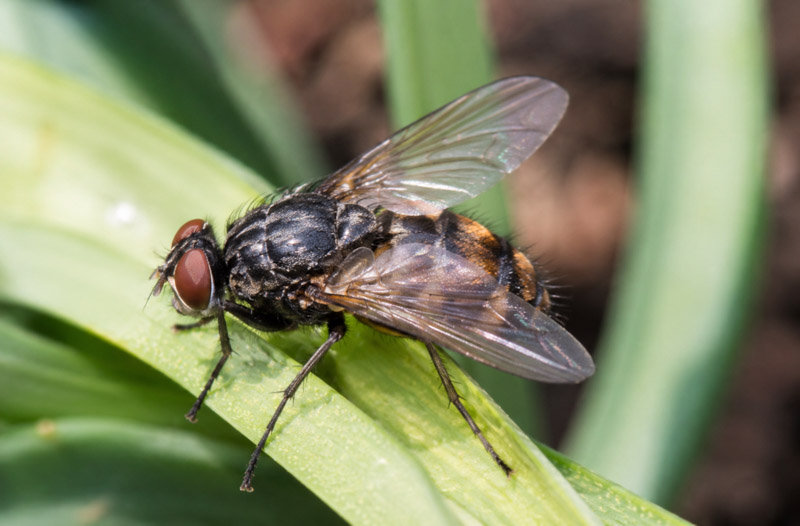
The large narcissus bulb fly, Merodon equestris, is also called the large narcissus fly, greater bulb fly, or large bulb fly. The adult looks surprisingly like a small bumblebee: hairy, rounded, and often marked with yellow, brown, orange, cream, or black. But this insect is not a bee. It is a hoverfly, and the destructive stage is its larva – a plump, creamy-white maggot that feeds inside daffodil and related bulbs.
This pest matters because it targets the part of the plant gardeners cannot easily see. A bulb may look settled in the soil while a larva is quietly eating through the fleshy scales and central growing point. By spring, the result may be weak leaves, missing flowers, a hollow bulb, or a planting that gradually thins out year after year.
Scientific name: Merodon equestris
Common names: Narcissus bulb fly, large narcissus fly, greater bulb fly, large bulb fly.
Main damage: Larvae tunnel into bulbs and feed on the inner scales and developing flower bud, leaving bulbs hollow, soft, brown, and unable to flower.
Key symptoms: Few or no flowers, thin grass-like leaves, stunted shoots, premature yellowing, soft or hollow bulbs, brown internal decay, muddy frass or excrement, and a plump creamy-white maggot inside the bulb.
Common host plants: Mainly Narcissus species and cultivars, including daffodils, jonquils, and related garden narcissus. Other reported or occasional hosts include amaryllis, snowdrops, crinums, nerines, and, less commonly, bulbous plants such as irises and scilla. hyacinths may be mentioned in broader bulb-fly discussions, but narcissus remains the principal garden host.
Most active period: In many temperate regions, adults are most active from mid-May to June, around the time narcissus foliage is dying back. Larvae feed inside bulbs from summer through winter, often from July to March depending on climate.
First action: Mark weak or non-flowering clumps in spring, then lift and inspect suspect bulbs once the foliage has yellowed.
Best control strategy: Prevention, clean planting stock, careful inspection, prompt removal of infested bulbs, and physical protection for valuable bulb collections during adult egg-laying season.
Snippet-ready answer: Narcissus bulb fly is a bumblebee-like hoverfly whose larvae feed inside daffodil and related bulbs. Infested bulbs may produce only grass-like leaves, fail to flower, become soft and hollow, or die. Control depends on early inspection, removing infested bulbs, and preventing egg-laying on healthy plants.
The narcissus bulb fly is a bulb-boring pest, not a leaf-chewing insect. Adult flies live above ground, hovering around flowers and warm sunny spots. The larva, however, lives inside the bulb, where it feeds on stored tissues that the plant needs to grow and flower.
Females lay eggs near the base of foliage, around the bulb neck, or in soil close to host plants. After hatching, the young larva enters the bulb and begins feeding internally. A single larva is often enough to ruin a daffodil bulb because it feeds through the central tissues, including the developing flower bud.
This is why narcissus bulb fly damage can feel so mysterious. Gardeners may see healthy-looking leaves one year, then poor flowering the next. The pest is not obvious on the foliage, and by the time the plant fails to bloom, the larva may already have spent months inside the bulb.
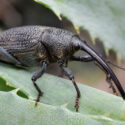
Adult narcissus bulb flies are stout, hairy, and bee-like, usually around 0.4-0.6 inches long. Their coloring is variable, which can make identification tricky. Some look yellowish or ginger, others appear darker brown or black, and many resemble small bumblebees closely enough that gardeners may ignore them.
The adult does not sting and is not the stage that chews the bulb. It may visit flowers for nectar and can look harmless in the garden. The real problem begins when females lay eggs near suitable bulbs.
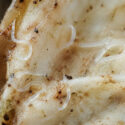
The larva is the key diagnostic stage. When a damaged bulb is cut open, you may find a thick, creamy-white to yellowish maggot inside the hollowed center. It is usually legless, soft-bodied, and found with brown decayed tissue, chewed scales, and muddy frass or excrement. Finding one large maggot inside a hollow narcissus bulb is one of the clearest signs of large narcissus bulb fly.
One fat, creamy-white maggot in a hollow daffodil bulb strongly points to large narcissus bulb fly. Smaller bulb flies are different pests and are more often associated with bulbs that are already damaged or rotting.
The first warning sign is often a daffodil clump that produces leaves but few or no flowers. The leaves may be narrow, weak, or grass-like instead of broad and vigorous. Shoots may be stunted, distorted, or slow to emerge, and foliage may yellow earlier than expected.
Because these symptoms overlap with ordinary daffodil blindness, the bulb must be checked to confirm the problem. A healthy narcissus bulb should feel firm, heavy, and solid. An infested bulb may feel soft, light, spongy, or hollow. When opened, the center may be brown and eaten out, with decayed scales, muddy residue, and a larva inside.
Large bulbs may survive long enough to produce weak foliage, but they often fail to flower because the developing bud has been destroyed. Smaller bulbs may be killed completely. In established plantings, this can lead to a gradual decline: fewer blooms, thinner clumps, and empty spaces where bulbs used to return every spring.
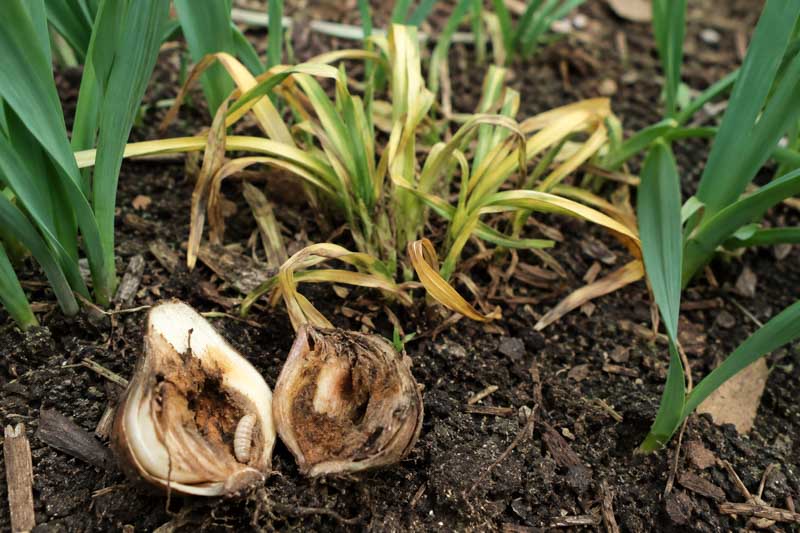
Do not assume every non-flowering daffodil is simply overcrowded. If leaves are sparse, grassy, or weak, lift a few bulbs after dormancy and check for hollow centers, brown tissue, frass, or larvae.
Daffodil blindness means a plant produces leaves but no flowers. It is a symptom, not a single diagnosis. Common causes include overcrowding, too much shade, shallow planting, drought after flowering, immature bulbs, poor nutrition, or cutting back foliage before it has ripened naturally.
Narcissus bulb fly is one possible cause of daffodil blindness, but it is more serious than a culture problem because the bulb itself has been eaten internally. If bulbs are firm and healthy, the fix may be to divide, replant deeper, feed, and improve growing conditions. If bulbs are hollow, brown, soft, or maggot-filled, feeding and replanting will not save them.
The practical test is simple: lift and cut open a sample bulb from a weak clump. Firm bulbs suggest cultural stress. Hollow bulbs with larvae suggest narcissus bulb fly.
The large narcissus bulb fly usually has one generation per year. Adult timing varies by climate, but in many temperate regions adults are most active in spring to early summer, often from mid-May into June, when daffodil foliage is beginning to yellow and bulbs are moving toward dormancy.
This protected life cycle makes established infestations difficult to treat. Once the larva is inside the bulb, ordinary sprays applied to leaves or soil are unlikely to reach it reliably. Management works best when it prevents egg-laying, removes infested bulbs, and stops larvae from completing the next generation.
The principal host is Narcissus, especially daffodils grown in borders, lawns, containers, cutting gardens, and naturalized drifts. Long-established clumps can be especially vulnerable because a problem may go unnoticed until flowering declines.
Other Amaryllidaceae bulbs can also be affected. Reported or possible hosts include snowdrops, crinums, eucharis, haemanthus, ismenes, leucojums, nerines, sprekelias, vallotas, and amaryllis.
Occasional attacks may also be reported on other bulbous plants, including irises and scilla. hyacinths are more often discussed in relation to bulb-fly problems generally, so they should be treated as a possible but not primary concern for large narcissus bulb fly. In the home garden, the highest priority is still clear: watch narcissus first.
The best time to inspect is after the foliage has yellowed and the bulbs are dormant. Mark suspicious clumps in spring while you can still see which plants failed to flower, then return later to lift a few bulbs carefully.
Feel each bulb before cutting it open. Healthy bulbs should be firm and heavy. Infested bulbs may feel soft, light, loose, or partly collapsed. Slice suspect bulbs lengthwise and look for a hollow center, brown inner scales, muddy frass, chewed tissue, and a plump maggot.
Inspection is also important when buying or moving bulbs. Choose firm, clean bulbs from reputable suppliers. Avoid bulbs with soft spots, basal damage, moldy necks, holes, or an unusually light feel. One infested bulb can introduce the pest into a new planting and allow adult flies to emerge later.
Mark problem clumps while they are still visible in spring. Once the leaves die back, it is much harder to remember which daffodils failed to bloom.
Once a larva is feeding inside a bulb, there is usually no practical rescue treatment. The most reliable step is to remove and destroy infested bulbs. Do not leave them in the bed, and do not compost them in a home compost pile, because larvae may continue developing.
Lift weak or non-flowering clumps and inspect the bulbs. Discard any that are soft, hollow, brown inside, or contain larvae. If several bulbs in one clump are affected, check the whole group rather than removing only the worst-looking bulb.
For valuable collections or small container displays, fine insect mesh can help reduce egg-laying during adult flight season. Place it before adults are active and remove it only when the risk has passed. Be careful not to trap emerging flies under the mesh if the bulbs are already infested.
Commercial bulb producers may use carefully controlled hot water treatment for dormant bulbs, but this is not a casual home remedy. Incorrect temperatures can damage bulbs or fail to control the pest. For most gardeners, sanitation, clean stock, and early detection are safer and more dependable.
Deep planting and open, breezy sites may also reduce risk in some regions, while row covers after bloom can help prevent egg-laying on valuable bulbs.
In home gardens, insecticides are usually not the main answer. The larva feeds inside the bulb, protected from contact sprays. Spraying foliage after symptoms appear will not reliably reach the pest, and by then the bulb may already be badly damaged.
Some older or commercial chemical approaches are no longer available, appropriate, or labeled for home use in many regions. Always follow local regulations and product labels. If a product is not specifically labeled for the site, crop, and pest, do not use it.
Because adult narcissus bulb flies resemble bees and may visit flowers, broad insecticide use can also create unnecessary risks for pollinators and beneficial insects. A better integrated pest management approach is to buy clean bulbs, inspect non-flowering clumps, remove infested bulbs promptly, and protect high-value plantings during egg-laying season.
A hollow bulb cannot be saved by spraying. If the larva has destroyed the center, remove the bulb and focus on protecting the rest of the planting.
Prevention is the heart of narcissus bulb fly management. Start with firm, healthy bulbs and plant them properly in well-drained soil. Handle bulbs gently, since wounds and damaged tissue can make bulbs more vulnerable to pests and decay.
Good daffodil culture will not make bulbs immune, but it helps reduce confusion. When plants are well grown, a sudden failure to bloom becomes easier to investigate. With narcissus bulb fly, that early investigation can save the rest of the display.
Narcissus bulb fly is a hidden bulb destroyer, not a cosmetic pest. If daffodils stop blooming and bulbs are hollow, brown, or maggot-filled, remove the infested bulbs, inspect nearby plants, and focus on prevention before the next adult generation emerges.
The narcissus bulb fly, Merodon equestris, is a bee-like hoverfly whose larvae feed inside daffodil and related bulbs, often hollowing out the center and preventing flowering.
Look for daffodils that produce thin grass-like leaves, fail to flower, or decline suddenly. Lift suspect bulbs and check for a hollow brown center, muddy frass, and a plump creamy-white maggot inside.
Badly hollowed bulbs usually cannot recover because the larva destroys the central growing point and stored tissues. Remove and destroy infested bulbs to protect nearby plantings.
Narcissus bulb fly mainly attacks Narcissus, including daffodils and jonquils. It may also affect related bulbs such as amaryllis, snowdrops, crinums, nerines, and occasionally other bulbous plants such as iris and scilla.
Lift suspicious bulbs, open and inspect them, and destroy any that are soft, hollow, brown, or contain larvae. Use clean planting stock, sanitation, inspection, and fine mesh protection for valuable bulbs.
No. Daffodil blindness means daffodils produce leaves but no flowers and can have several causes. Narcissus bulb fly is one possible cause, confirmed by hollow bulbs and larvae inside.
Adult narcissus bulb flies are usually active in spring to early summer, often as daffodil foliage is dying back. Larvae feed inside bulbs through summer, autumn, and winter before pupating.
No. Do not compost infested bulbs in a home compost pile. Dispose of them securely so larvae cannot continue developing and emerge as adult flies.
Updated: June 2026 – Reviewed by Gardenia Editors
Create a membership account to save your garden designs and to view them on any device.
Becoming a contributing member of Gardenia is easy and can be done in just a few minutes. If you provide us with your name, email address and the payment of a modest $25 annual membership fee, you will become a full member, enabling you to design and save up to 25 of your garden design ideas.
Join now and start creating your dream garden!
Create a membership account to save your garden designs and to view them on any device.
Becoming a contributing member of Gardenia is easy and can be done in just a few minutes. If you provide us with your name, email address and the payment of a modest $25 annual membership fee, you will become a full member, enabling you to design and save up to 25 of your garden design ideas.
Join now and start creating your dream garden!