That foamy “spit” on your plants is not saliva - it is the protective shelter of a spittlebug nymph. This guide explains what spittlebugs are, whether they harm plants, when to leave them alone, and how to manage heavy infestations with simple, garden-safe methods.
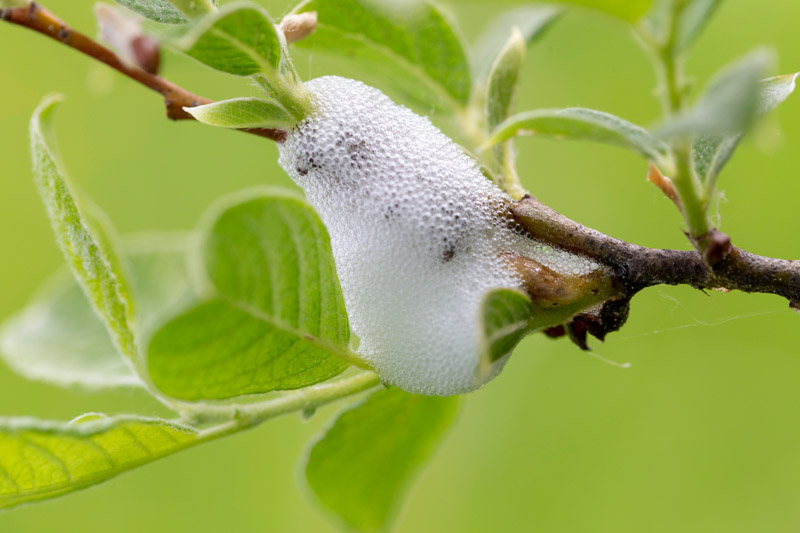
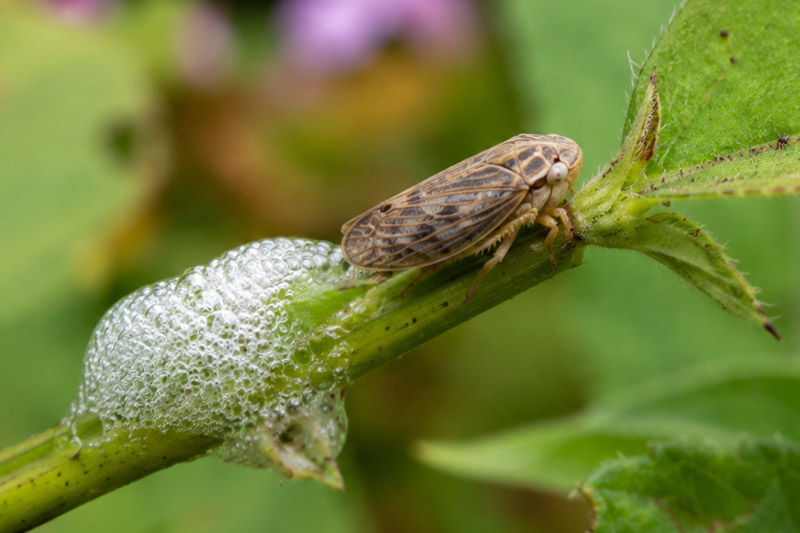


If you have ever found little blobs of white foam clinging to plant stems, herbs, flowers, or shrubs, you have probably met a spittlebug. The foam looks strange, sometimes alarming, and a little too much like someone actually spit on your plant. Fortunately, in most gardens, spittlebugs are more curious than catastrophic.
Spittlebugs are the immature nymphs of insects commonly called froghoppers. They feed on plant sap, hide inside frothy bubbles, and usually cause little lasting harm to healthy ornamentals, herbs, shrubs, and wild plants. Still, heavy populations can stress tender growth, strawberries, young plants, and some woody hosts, so the real skill is knowing when to leave them alone and when to take action.
Symptoms: White frothy foam on stems, leaf joints, flower stalks, herbs, perennials, shrubs, and sometimes young trees.
Common host plants: Strawberries (Fragaria spp.), clover (Trifolium spp.), alfalfa (Medicago sativa), roses (Rosa spp.), chrysanthemums (Chrysanthemum spp.), dahlias (Dahlia spp.), lavender (Lavandula spp.), rosemary (Salvia rosmarinus), fuchsia (Fuchsia spp.), willow (Salix spp.), grasses, and many broadleaf plants.
Favored conditions: Spring to early summer, mild weather, dense growth, weeds, and sheltered plant stems.
Where to look: Tender stems, leaf axils, new shoots, flower stalks, strawberry crowns, herb stems, meadow plants, and weedy garden edges.
First action: Open the foam and confirm a small pale nymph inside before treating.
Organic controls: Hand removal, pruning, weed control, and a strong stream of water to dislodge foam and nymphs.
Prevention: Reduce weeds, avoid overcrowding, inspect plants in spring, and support healthy garden predators.
Snippet-ready answer: Spittlebugs are sap-feeding froghopper nymphs that create white foam on plants for protection. The foam itself is not a disease, and most healthy garden plants tolerate spittlebugs well. If control is needed, wash the foam and insects off with a strong stream of water.
Spittlebugs are immature froghoppers, insects in the superfamily Cercopoidea. They are related to other sap-feeding garden pests such as aphids, scale insects, and whiteflies, but they are much easier to recognize because their nymphs hide inside bubbly white foam.
The most familiar species in many gardens is the meadow spittlebug, Philaenus spumarius, although several spittlebug species can occur on ornamentals, herbs, grasses, shrubs, and trees. Adults are often called froghoppers because they have strong hind legs and can leap quickly when disturbed.
The foam is often called cuckoo spit, especially in the UK, because it appears in spring around the same season cuckoos are traditionally heard. Despite the name, it has nothing to do with birds, people, animal saliva, or plant disease. It is produced by the spittlebug nymph itself.
That white foam is a survival shelter. The nymph feeds on plant sap, processes large amounts of fluid, and mixes excreted liquid with air to create a stable bubble mass around its body. This froth helps protect the soft-bodied insect from drying out, bright light, temperature swings, and predators.
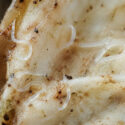
In practical gardener language, the foam is a tiny insect nursery. If you gently part the bubbles with a twig or gloved finger, you will usually find a small pale green, yellowish, cream, or tan nymph tucked inside. It may wiggle, crawl away, or try to rebuild its foam covering.
Spittlebug foam is not a fungal disease, animal saliva, pesticide residue, or plant infection. It is a protective bubble shelter made by a sap-feeding insect nymph.
The easiest sign is not the insect itself but the white frothy foam on plants. Spittlebug nymphs stay hidden inside that foam, so gardeners often notice the bubbles long before they see the bug.
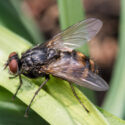
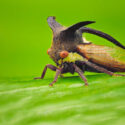
Nymphs are small, soft, wingless, and usually pale green, yellow, cream, or tan. They stay close to stems and feed with piercing-sucking mouthparts. Adults look quite different. Adult froghoppers are small, wedge-shaped, and often brown, tan, gray, blackish, or mottled. They do not make foam and are much harder to notice because they jump away quickly.
Spittlebug foam is most common from spring into early summer, depending on climate and species. Adults are usually seen later in the season, feeding openly but causing little obvious damage in most home gardens.
Most spittlebug infestations look worse than they are. On established perennials, herbs, shrubs, and ornamental plants, the damage is usually minor and cosmetic. The foam may look messy, and some gardeners dislike brushing against wet bubbles, but healthy plants generally recover without intervention.
That said, spittlebugs do feed on sap. Heavy infestations can cause distorted growth, stunting, reduced vigor, or weakened shoots, especially on young plants, strawberries, legumes, and stressed ornamentals. On some trees and conifers, certain spittlebug species may cause more noticeable twig or sap-flow issues when populations are high.
If you see a few foam blobs on healthy ornamentals, herbs, or wild plants, you can usually leave spittlebugs alone. They are part of garden biodiversity and rarely justify pesticide use in home landscapes.
Spittlebugs are not picky. The meadow spittlebug alone has a very wide host range and can occur on hundreds of herbaceous and woody plants. In gardens, spittlebug foam is usually noticed on soft, juicy stems and dense spring growth.
If you are managing a wider pest problem on indoor or outdoor plants, it may help to compare symptoms with other common house plant pest and garden pest issues. Spittlebug foam is distinctive, while pests such as aphids and scale usually cause sticky honeydew, sooty mold, or visible clusters rather than bubble masses.
Spittlebugs usually have one generation per year in many temperate regions. Eggs are laid on plant stems, in plant debris, or in protected plant tissue in late summer or fall, then overwinter until conditions warm in spring.
In spring, the eggs hatch into nymphs. These young spittlebugs begin feeding and quickly produce their signature foam. Over several weeks, they grow through multiple nymph stages while remaining protected inside the bubbles. By summer, they mature into adult froghoppers, leave the foam behind, and move around more freely. Adults mate, lay eggs, and the cycle begins again.
The easiest time to control spittlebugs is while they are still nymphs inside the foam. Once they become jumping adults, they are harder to target and usually not worth chasing.
Spittlebugs do not always need treatment. A few foam patches on healthy plants are usually harmless, while repeated heavy infestations on young or valuable plants deserve closer attention. Use the plant’s health, the number of foam masses, and the type of plant as your guide.
| Situation | Best Response |
|---|---|
| A few foam blobs on healthy ornamentals | Leave them alone or rinse off for appearance. |
| Foam covering young shoots, herbs, or strawberries | Wash off with water and inspect again in a few days. |
| Repeated heavy infestation on valuable plants | Reduce weeds, thin dense growth, remove affected shoots, and repeat water sprays. |
| Possible disease symptoms such as scorch, wilt, or dieback | Check official local guidance, especially in regions monitoring Xylella fastidiosa. |
For most home gardens, spittlebug control should be simple, low-impact, and pesticide-free. The foam protects nymphs from sprays, which is why routine pesticides are often unnecessary and not very effective unless the insect is exposed.
Before doing anything, open a foam mass and look for the nymph. If there is no insect inside, the foam may be old or abandoned. If you find a small pale bug, you have confirmed spittlebugs.
The best first treatment is a firm blast from the hose. Aim at the foam mass and wash it off the stem. This removes the shelter, dislodges the nymph, and exposes it to drying, predators, and weather.
Repeat as needed over several days, especially on valuable plants. For small herbs or delicate stems, use a gentler stream or wipe the foam away by hand.
On small plants, hand removal is fast and effective. Wear gloves, wipe the foam from stems, and remove the nymphs. This is especially useful on container plants, strawberries, roses, and herbs where you do not want unnecessary sprays.
If spittlebugs are concentrated on a few soft shoots, pruning can remove many nymphs at once. This is most useful when a plant is crowded, when shoots are already distorted, or when foam appears repeatedly in the same dense growth.
Weeds, tall grass, and crowded plantings can provide host plants and shelter for spittlebug nymphs. Keeping garden edges tidy, thinning dense growth, and removing weedy hosts near vulnerable crops can reduce future populations.
Broad-spectrum insecticides are rarely justified for spittlebugs in home gardens. They may harm beneficial insects, pollinators, and natural predators while offering limited benefit against nymphs protected inside foam. Use insecticides only when a serious infestation threatens a valuable plant and non-chemical controls have failed. Always follow local extension guidance and the product label.
To get rid of spittlebugs, spray the foam with a strong stream of water, wipe off exposed nymphs, and repeat until new foam stops appearing. Most home garden infestations can be handled without insecticide.
Spittlebugs are mainly outdoor insects and are uncommon on true indoor houseplants. If you see white foam on a container plant brought in from outside, inspect it closely. A spittlebug nymph may have arrived on an outdoor-grown herb, patio plant, or nursery plant.
Indoors, remove the foam by hand or rinse the plant in a sink or shower. Isolate the plant for a few days, inspect the stems and leaf joints, and repeat rinsing if new foam appears. Indoor chemical treatment is usually unnecessary.
Because the foam looks unusual, many gardeners mistake spittlebugs for disease. The difference is easy: spittlebug foam sits like bubbles or froth on stems, while fungal diseases usually appear as powdery coatings, spots, lesions, or fuzzy growth on leaves.
If the white material is bubbly and contains a small insect, it is spittlebug foam. If the white material spreads flat over leaves like dust, compare it with powdery mildew. If leaves are sticky and blackened, check for honeydew-producing pests such as aphids, scale, or whiteflies, which can lead to sooty mold.
Bubbly white foam with a tiny nymph inside means spittlebugs. Flat white dust on leaves suggests powdery mildew. Sticky leaves and black mold point more toward honeydew-producing pests such as aphids, scale, or whiteflies.
Some froghoppers, including spittlebugs, can transmit Xylella fastidiosa in regions where the bacterium is present. This does not mean every spittlebug is dangerous, and the foam itself is not a sign of disease. In areas where Xylella is regulated or under surveillance, follow official local guidance and avoid moving potentially infected plant material.
For most home gardeners, the practical takeaway is balanced: identify spittlebugs accurately, avoid panic, monitor valued plants, and pay attention to official plant health alerts in your region. If a plant shows scorch, wilt, dieback, or unexplained decline, investigate the plant symptoms separately rather than assuming the foam is the cause.
You cannot make a garden completely spittlebug-proof, and you probably do not need to. The goal is to prevent heavy buildup on vulnerable plants while keeping the garden healthy and wildlife-friendly.
Spittlebugs are usually a low-risk garden insect. Treat them when they are numerous on valuable or vulnerable plants, but do not panic over a few foam blobs on healthy perennials, herbs, shrubs, or wild plants.
Spittlebugs are the nymph stage of froghoppers, small sap-feeding insects that hide inside white frothy foam on plant stems.
White foam on plants is usually spittlebug foam, also called cuckoo spit. It protects the soft-bodied nymph from drying out, predators, bright light, and weather.
Most spittlebugs cause little damage to healthy garden plants, but heavy infestations can stunt tender growth, stress young plants, or reduce vigor in crops such as strawberries.
The easiest natural control is to spray the foam with a strong stream of water, wipe off exposed nymphs, and repeat until new foam stops appearing.
Pesticides are rarely needed for spittlebugs in home gardens because the nymphs are protected inside foam and most infestations are minor.
Spittlebug foam is most common in spring and early summer, when nymphs hatch, feed, and develop inside their protective froth.
Spittlebugs are the immature nymphs, while froghoppers are the adults. Adult froghoppers jump readily and do not produce foam.
No. Spittlebugs do not bite, sting, or harm people or pets. Their main impact is cosmetic foam and occasional plant stress when populations are high.
Some froghoppers, including certain spittlebugs, can transmit Xylella fastidiosa in regions where that bacterium is present, but spittlebug foam itself is not a disease symptom. Follow official local guidance in regulated or monitored areas.
Prevent heavy spittlebug problems by removing weeds, inspecting plants in spring, washing off early foam, improving spacing, and avoiding unnecessary pesticide use.
Updated: June 2026 • Reviewed by Gardenia Editors
Create a membership account to save your garden designs and to view them on any device.
Becoming a contributing member of Gardenia is easy and can be done in just a few minutes. If you provide us with your name, email address and the payment of a modest $25 annual membership fee, you will become a full member, enabling you to design and save up to 25 of your garden design ideas.
Join now and start creating your dream garden!
Create a membership account to save your garden designs and to view them on any device.
Becoming a contributing member of Gardenia is easy and can be done in just a few minutes. If you provide us with your name, email address and the payment of a modest $25 annual membership fee, you will become a full member, enabling you to design and save up to 25 of your garden design ideas.
Join now and start creating your dream garden!