

Spotted Lanternfly – A Comprehensive Guide to Identification, Damage, Season, and Control
The spotted lanternfly (Lycorma delicatula) is an invasive planthopper that feeds on plant sap and can seriously stress trees, grapevines, hops, and orchard crops. It is widely considered one of the most damaging invasive insects affecting the eastern United States, largely because it spreads easily on human-made objects and builds large populations quickly.
Quick Facts – Spotted Lanternfly (Lycorma delicatula)
Summary: A highly invasive planthopper that feeds on sap, weakens plants, and coats surfaces with sticky honeydew.
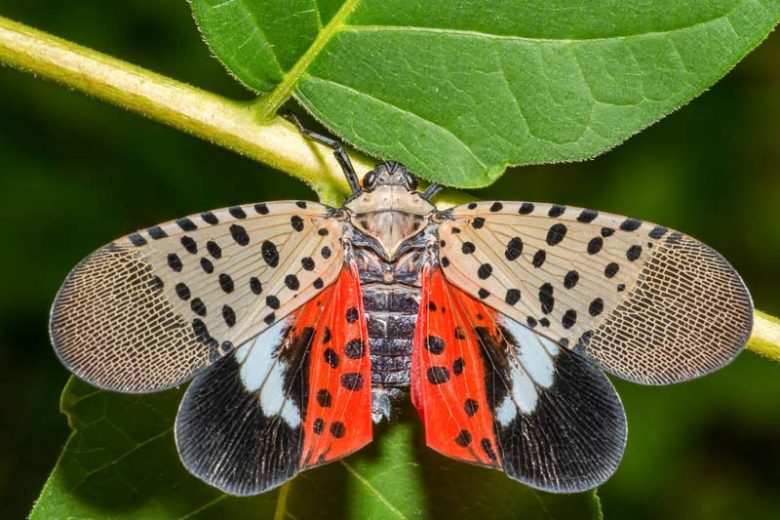
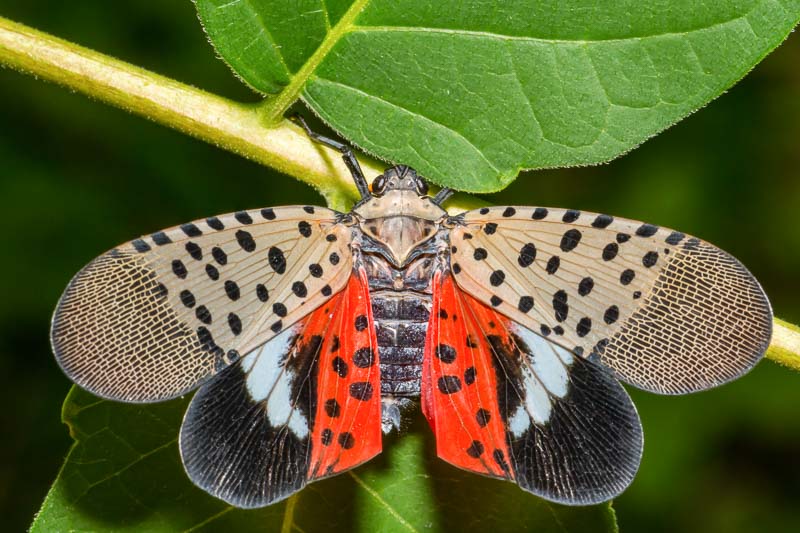
Common ID clue: Adults have gray wings with black spots and bright red hind wings when opened.
Most active: Late summer through fall, when adults cluster and lay egg masses.
Plant risk: High – especially for grapes, hops, and stressed hardwoods.
Best approach: Combine early detection, egg removal, host management, trapping, and targeted control.
| Common Name | Spotted lanternfly (also called lanternfly, spotted lantern fly) |
|---|---|
| Scientific Name | Lycorma delicatula |
| Invasive Status | Invasive in the U.S. – managed via state quarantines and reporting programs |
| Life Stages | Egg mass – 4 nymph stages – adult (one generation per year) |
| Human Safety | Low – does not sting or transmit disease (main impacts are ecological and agricultural) |
- Confirm ID: Check adults (gray spotted wings with red underwings), nymphs (black with white spots, later red).
- Destroy egg masses: Scrape into alcohol/hand sanitizer or bag and discard.
- Prevent spread: Inspect vehicles, outdoor items, and firewood before moving them.
- Report sightings: Use your state agriculture department or extension reporting options.
Chinese Lantern Bugs – Are They the Same Thing?
You may hear spotted lanternflies called “Chinese lantern bugs” or “lantern bugs”. In most U.S. contexts, people are referring to the same insect: spotted lanternfly (Lycorma delicatula). The nickname reflects its Asian origin, but the correct common name in pest guidance is “spotted lanternfly.”
Spotted Lanternfly – Where Did They Come From?
The spotted lanternfly is native to parts of Asia. It was first detected in the United States in Pennsylvania in 2014 and has since spread as a hitchhiker on vehicles and transported goods.
Regions Impacted – Where Is the Spotted Lanternfly Now?
The spotted lanternfly has been reported across many U.S. states, with distribution changing as new detections occur. For the most up-to-date county-level maps, pest agencies commonly reference the StopSLF map and USDA resources.
Practical takeaway: If you live in or travel through a known or emerging lanternfly area, treat your vehicle, trailer, firewood, and outdoor gear as potential pathways for spread – especially during egg-laying season.
Is the Spotted Lanternfly Dangerous?
No – not in the way people usually mean. The spotted lanternfly does not sting and is not known to transmit disease to humans or pets. The major danger is economic and ecological: severe stress to plants, reduced crop yields, and costly management for vineyards, orchards, and hardwood industries.
Lanternfly Season – When to Look for Eggs, Nymphs, and Adults
Lanternfly season is best understood by life stage. While timing varies by region and weather, the pattern is consistent: egg masses overwinter, nymphs appear in spring and early summer, and adults dominate late summer through fall.
- Egg masses: commonly observed from fall through spring; they overwinter and hatch in spring.
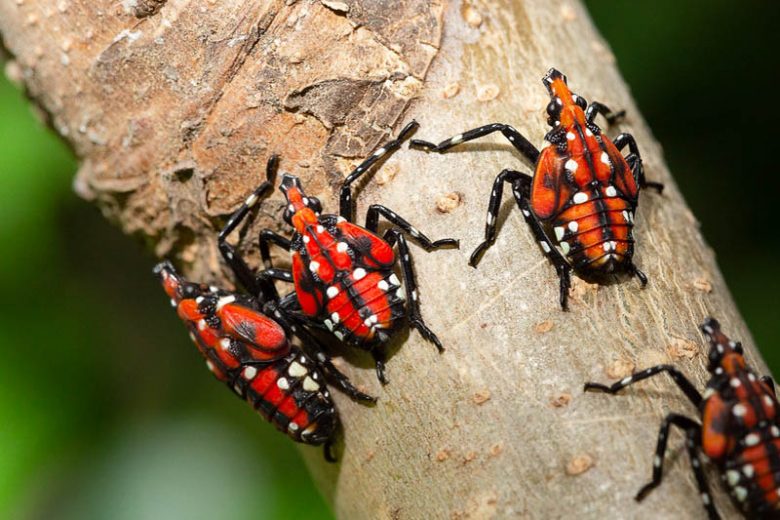
- Nymphs: four immature stages; early nymphs are black with white spots, later nymphs turn red with spots.
- Adults: appear mid to late summer; cluster, feed heavily, and lay egg masses in fall.
Life Cycle – From Egg Mass to Adult
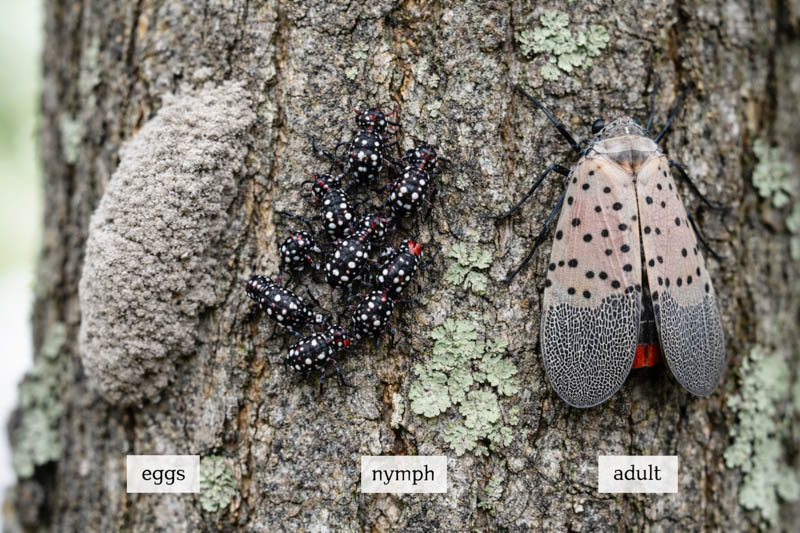
The spotted lanternfly has one generation per year. Adults lay egg masses, eggs overwinter, and nymphs hatch in spring. This annual rhythm is why control works best when timed to the stage you are targeting.
Spotted Lanternfly Eggs – What They Look Like and Why They Matter
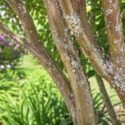
Egg masses often look like a smear of gray or tan putty on a hard surface. They can be found on tree bark, rocks, patio furniture, firewood, vehicles, and many other smooth items. Each egg mass contains an average of 30-50 eggs.
Lanternfly Nymphs – The “Polka-Dot” Stages
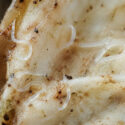
Lanternfly nymphs are active, mobile, and often overlooked because they are small. Early instars are black with white spots. Later instars become red with black and white spots. Nymphs cannot fly, but they hop and climb rapidly, feeding on many plants as they develop.
Adult Lanternflies – The Stage Most People Notice
Adults are about 1 inch long, with gray wings covered in black spots. When they jump or fly, they reveal bright red hind wings that can look surprisingly vivid. Adults commonly gather in groups on trunks and larger stems, especially late summer through fall.
What Trees Do Lanternflies Like? Host Plants and Favorites
The spotted lanternfly feeds on a wide range of plants. Research and extension updates commonly cite 100+ plant species for feeding records (and even more if you include plants used for egg laying).
In practical terms, lanternflies tend to build big populations where they have easy access to preferred hosts, especially tree-of-heaven (Ailanthus altissima), an invasive tree that often acts like a lanternfly magnet.
Commonly Reported Host Plants
- Grapevines (Vitis species)
- Apple trees (Malus species)
- Stone fruit trees, such as peaches and plums (Prunus species)
- Black walnut trees (Juglans nigra)
- Maple trees (Acer species)
- Birch trees (Betula species)
- Poplar trees (Populus species)
- Willow trees (Salix species)
- Tree-of-heaven (Ailanthus altissima)
What Do Lanternflies Do to Trees?
Lanternflies feed with piercing-sucking mouthparts, tapping into plant tissue and removing sap. Over time, heavy feeding can reduce plant vigor, stress growth, and make plants more vulnerable to other problems (drought stress, disease pressure, and winter injury).
But the most obvious nuisance comes from what they leave behind: honeydew, a sticky, sugar-rich waste product. Honeydew can coat leaves, decks, patios, vehicles, and anything under infested plants. It also fuels the growth of sooty mold, a black fungus that reduces photosynthesis and makes plants and surfaces look dirty.
They weaken plants by sap-feeding and create honeydew that leads to sooty mold, which further reduces plant health and creates major nuisance conditions.
Lanternfly Infestation – Signs You’re Dealing with More Than a Few
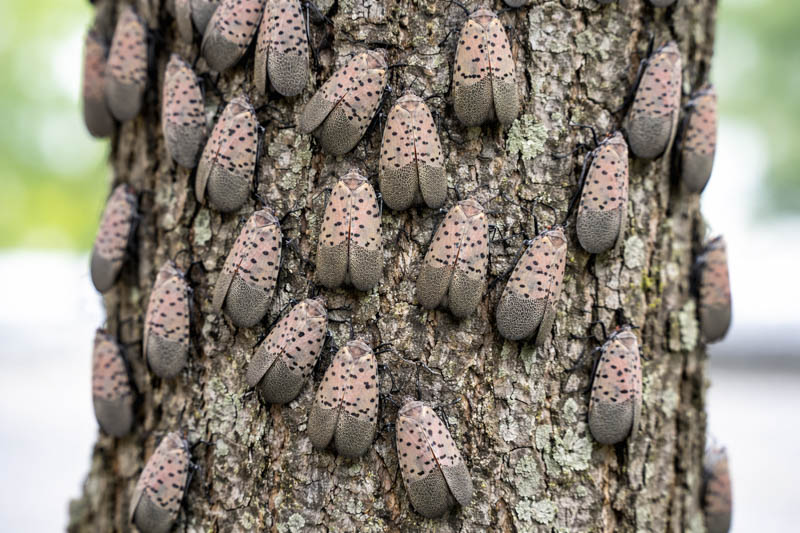
One lanternfly is a warning. Many lanternflies are a management problem. Common infestation clues include:
- Clusters of nymphs or adults on trunks and stems
- Sticky honeydew “rain” under trees
- Black sooty mold on leaves or nearby surfaces
- Increased ants and wasps feeding on honeydew
- Declining plant vigor (especially in stressed trees and vines)
What to Do When You Find a Spotted Lanternfly
If you find a spotted lanternfly, your best next step depends on where you live, local guidance, and the life stage you’re seeing. In many places, agencies still encourage the public to kill lanternflies when found and to report sightings, especially in new areas.
- Confirm the ID (adult vs nymph vs egg mass).
- Kill or remove the insect if recommended by your local agency.
- Check nearby surfaces for egg masses (trees, outdoor furniture, vehicles, firewood).
- Limit spread – do not move infested items without inspecting and cleaning.
- Report sightings if you are outside the core range or in a newly affected area.
Where to Report Spotted Lanternfly
Reporting is most valuable in places where lanternflies are newly detected, expanding, or under quarantine. A good rule is: report through your state Department of Agriculture, local extension, or the official invasive pest reporting channels. USDA and state programs often maintain quarantine and reporting guidance.
Examples of official reporting resources:
- Pennsylvania: state agriculture guidance and quarantine information.
- California (prevention-focused): CDFA “Report a Pest” hotline and forms (useful model for other states too).
What Kills Lanternflies? Prevention and Control That Actually Works
There is no single “magic bullet.” The most reliable lanternfly control is integrated: use multiple methods that match the life stage and your site (home landscape vs vineyard vs woodland edge). State programs commonly emphasize combining physical removal, host management (including tree-of-heaven strategies), and pesticide applications when appropriate.
1) Physical Control – Egg Scraping and Hand Removal
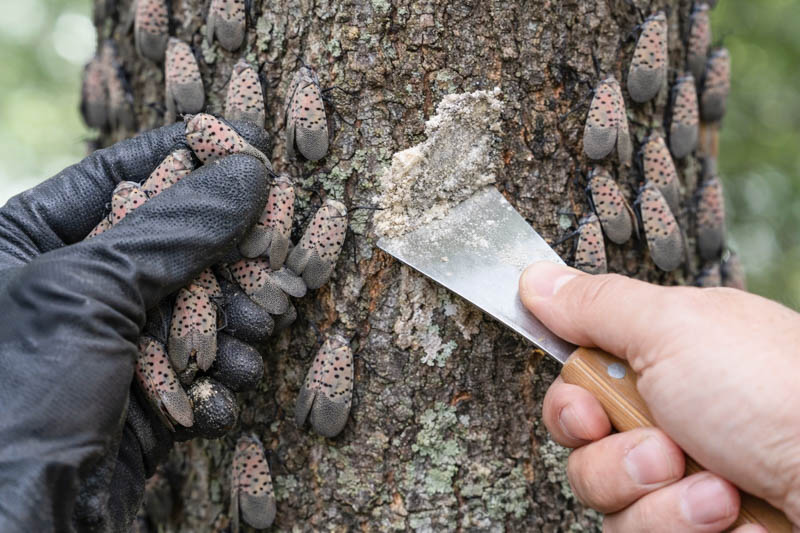
Egg scraping is one of the highest-impact actions for homeowners because each removed egg mass prevents dozens of nymphs. Egg masses can be scraped into a container with alcohol or hand sanitizer, or sealed and discarded.
- Use a plastic card, putty knife, or scraper.
- Scrape firmly to remove the entire mass.
- Dispose safely so eggs cannot survive.
2) Trapping – Sticky Bands and Safer Alternatives
Sticky bands can trap nymphs and adults as they climb. However, sticky traps can also catch birds and beneficial insects, so use wildlife guards or consider alternative trap designs depending on local guidance.
3) Host Plant Management – The Tree-of-Heaven Factor
Tree-of-heaven (Ailanthus altissima) is a major lanternfly host. Many programs recommend reducing or removing tree-of-heaven where feasible, because it can sustain high lanternfly numbers. Some management plans use “trap trees” (retaining a few treated trees to attract lanternflies) while removing others – but this is best handled with local expert guidance, especially where herbicide use is regulated.
4) Insecticides – Targeted and Label-Led
Insecticides can be effective, especially in severe infestations or high-value crops. The key is to follow the label, comply with local regulations, and time applications to the stage you are targeting. USDA and state guidance emphasizes quarantines and integrated management rather than relying on a single chemical approach.
General categories people may hear about:
- Contact insecticides that kill when they hit the insect directly.
- Systemic insecticides that move within the plant and can reduce feeding.
5) Biological Control – Helpful, But Still Developing
Research continues on natural enemies and biological controls. While biological options may become more common over time, most homeowners today will get the best results from scouting, egg removal, host management, and targeted treatments when needed.
How to Prevent Lanternflies from Spreading
Because lanternflies spread mainly through human movement, prevention is straightforward but important:
- Inspect vehicles (especially wheel wells, bumpers, roof racks) during egg season.
- Check outdoor items like grills, patio furniture, planters, and toys.
- Don’t move firewood long distances without inspecting it.
- Clean and scrape egg masses off objects before transport.