Myrtle Oak
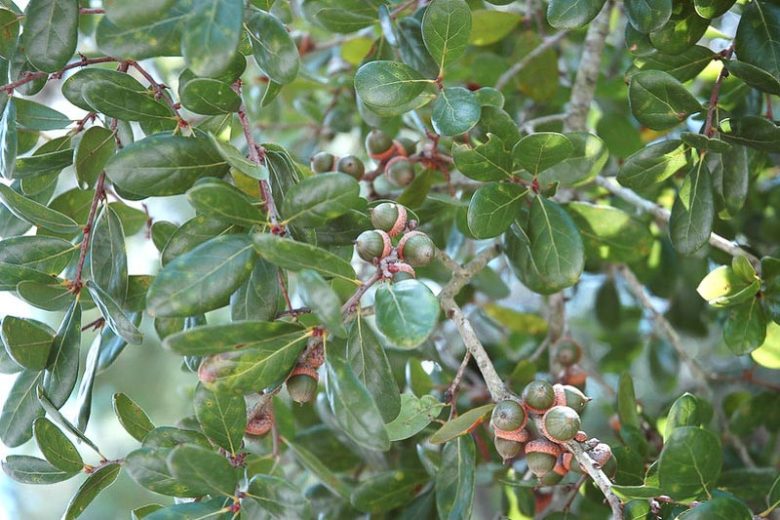
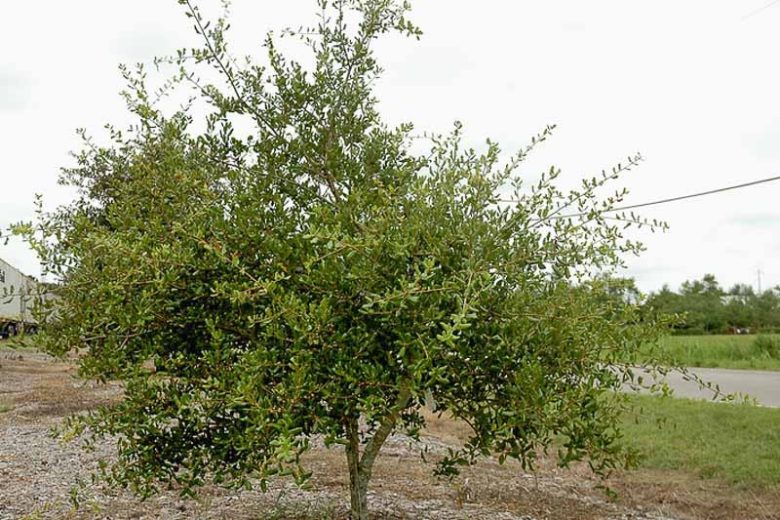


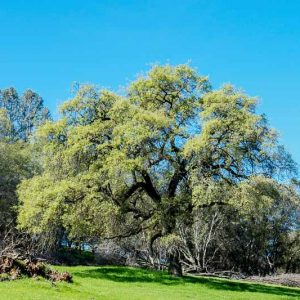
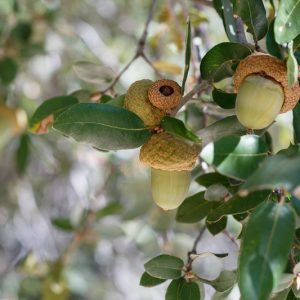
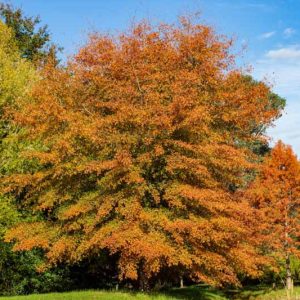
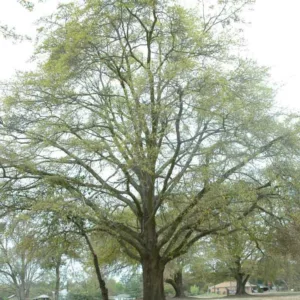
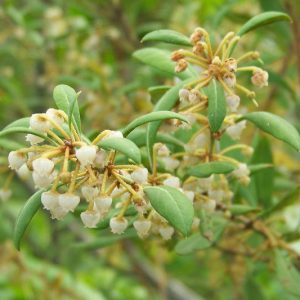
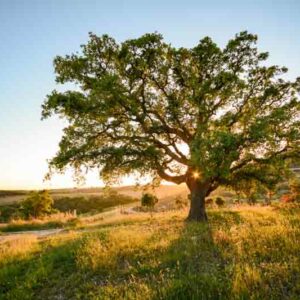
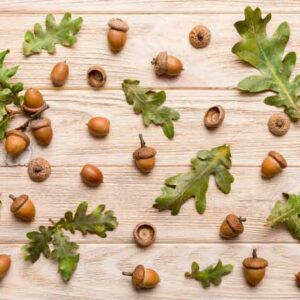
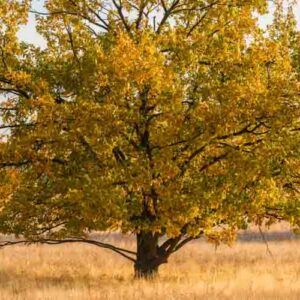
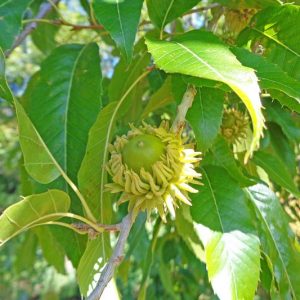
Quercus myrtifolia (Myrtle Oak) is an evergreen shrub or small tree with a short, straight trunk and a dense, spreading, rounded crown. Its leathery, oval to nearly rounded leaves, up to 2 in. long (5 cm), are glossy dark green above and dull to yellow-green beneath, with margins that often curl slightly under. The bark is gray and relatively smooth on young stems, becoming darker and more furrowed with age. Inconspicuous green flowers appear in spring, followed by small ovoid to nearly spherical acorns.
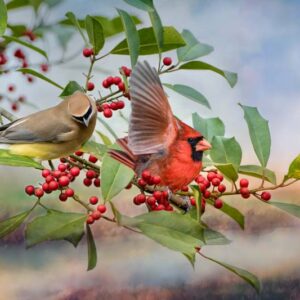
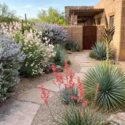
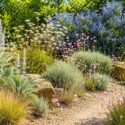
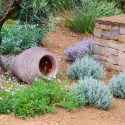
The acorns provide an important food source for birds and small mammals, while the dense, shrubby growth offers cover and shelter. Myrtle Oak often forms persistent thickets and is especially well adapted to dry, sandy habitats. Native to dunes, sandhills, dry ridges, and hammocks of the southeastern United States, it is highly tolerant of drought, poor sandy soils, salt air, and exposed coastal conditions. Its ability to thrive in difficult sites also makes it useful for dune stabilization, naturalistic plantings, and dry, sunny landscapes.
The oak genus includes many beloved trees, such as Live Oak, White Oak, Red Oak, Blue Oak, Bur Oak, and Pin Oak.
Oaks support an exceptionally wide range of butterfly and moth larvae. Species associated with oaks include the Banded Hairstreak (Satyrium calanus), Edward’s Hairstreak (Satyrium edwardsii), Gray Hairstreak (Strymon melinus), White-M Hairstreak (Parrhasius m-album), Horace’s Duskywing (Erynnis horatius), and Juvenal’s Duskywing (Erynnis juvenalis). Its acorns also provide valuable food for wildlife, including birds and mammals.
| Hardiness |
8 - 10 |
|---|---|
| Plant Type | Shrubs, Trees |
| Plant Family | Fagaceae |
| Genus | Quercus |
| Common names | Oak |
| Exposure | Full Sun, Partial Sun |
| Season of Interest | Spring (Early, Mid, Late), Summer (Early, Mid, Late), Fall, Winter |
| Height | 15' - 20' (4.6m - 6.1m) |
| Spread | 8' - 10' (240cm - 3m) |
| Spacing | 96" - 120" (240cm - 3m) |
| Maintenance | Low |
| Water Needs | Low, Average |
| Soil Type | Sand |
| Soil pH | Acid, Neutral |
| Soil Drainage | Moist but Well-Drained, Well-Drained |
| Characteristics | Showy, Evergreen |
| Native Plants | United States, Southeast, Mississippi, North Carolina, South Carolina, Alabama, Florida, Georgia |
| Tolerances | Drought, Salt, Dry Soil |
| Attracts | Birds |
| Garden Styles | Mediterranean Garden, Prairie and Meadow |
| Toxic to Humans | Low severity |
| Toxic to Cats | Not toxic |
| Toxic to Dogs | Not toxic |
| Toxic to Horses | Toxic |


| Hardiness |
8 - 10 |
|---|---|
| Plant Type | Shrubs, Trees |
| Plant Family | Fagaceae |
| Genus | Quercus |
| Common names | Oak |
| Exposure | Full Sun, Partial Sun |
| Season of Interest | Spring (Early, Mid, Late), Summer (Early, Mid, Late), Fall, Winter |
| Height | 15' - 20' (4.6m - 6.1m) |
| Spread | 8' - 10' (240cm - 3m) |
| Spacing | 96" - 120" (240cm - 3m) |
| Maintenance | Low |
| Water Needs | Low, Average |
| Soil Type | Sand |
| Soil pH | Acid, Neutral |
| Soil Drainage | Moist but Well-Drained, Well-Drained |
| Characteristics | Showy, Evergreen |
| Native Plants | United States, Southeast, Mississippi, North Carolina, South Carolina, Alabama, Florida, Georgia |
| Tolerances | Drought, Salt, Dry Soil |
| Attracts | Birds |
| Garden Styles | Mediterranean Garden, Prairie and Meadow |
| Toxic to Humans | Low severity |
| Toxic to Cats | Not toxic |
| Toxic to Dogs | Not toxic |
| Toxic to Horses | Toxic |
How many Quercus myrtifolia (Myrtle Oak) do I need for my garden?
| Plant | Quantity | |
|---|---|---|
| Quercus myrtifolia (Myrtle Oak) | N/A | Buy Plants |
Create a membership account to save your garden designs and to view them on any device.
Becoming a contributing member of Gardenia is easy and can be done in just a few minutes. If you provide us with your name, email address and the payment of a modest $25 annual membership fee, you will become a full member, enabling you to design and save up to 25 of your garden design ideas.
Join now and start creating your dream garden!