Canyon Live Oak, Maul Oak, Golden-Cup Oak
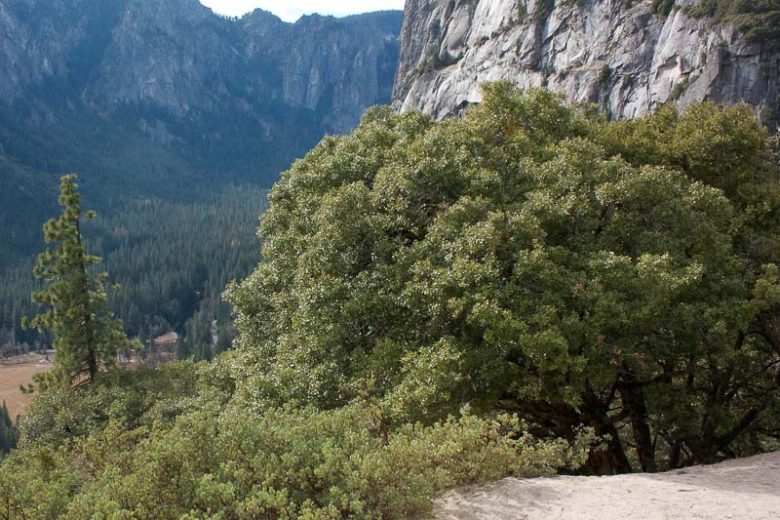


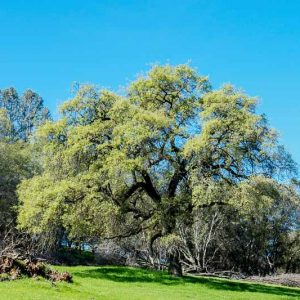
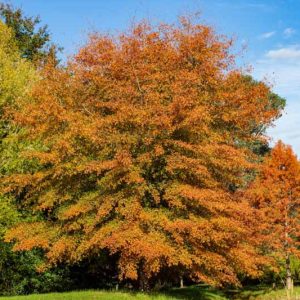
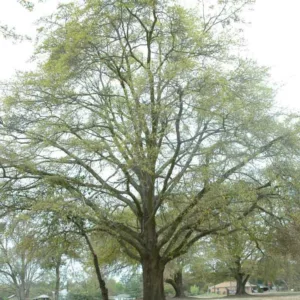
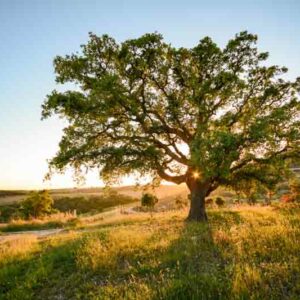
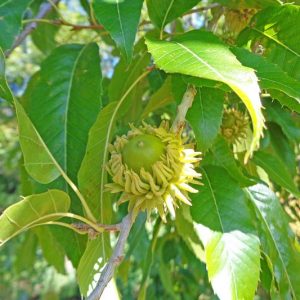
Magnificent and exceptionally long-lived, Quercus chrysolepis (Canyon Live Oak) is a highly variable evergreen oak that may grow as a large shrub or an impressive tree, depending on site conditions. On exposed mountain slopes and ridgetops, it often develops as a dense, spreading shrub or thicket, while in sheltered, moist canyons it can form a substantial tree. Open-grown specimens develop broad, dense crowns that may sweep nearly to the ground, while trees in closed stands tend to carry a narrower crown higher on the trunk.
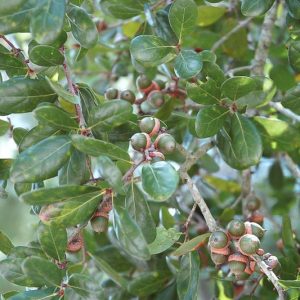
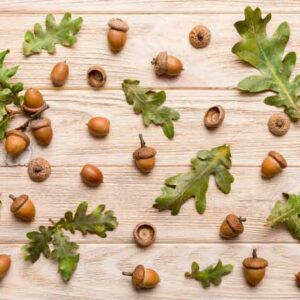
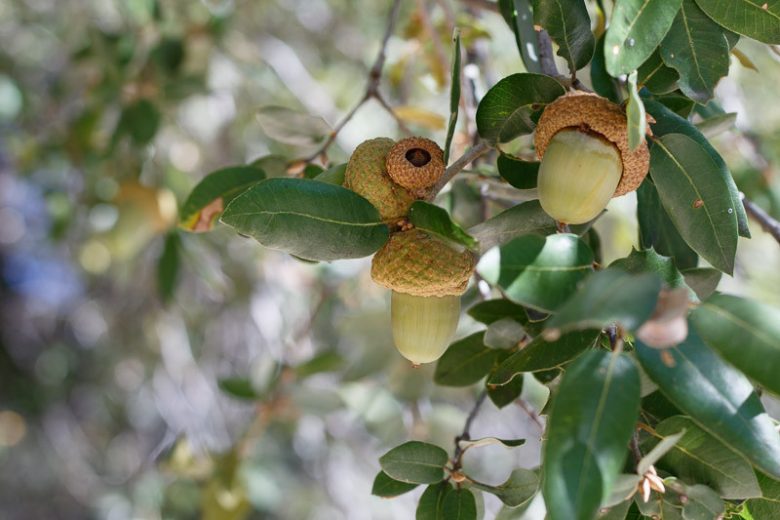
The bark ranges from smooth and flaky on smaller stems to deeply furrowed on older trunks. Thick, leathery, oblong leaves, up to 4 in. long (10 cm), vary from blue-green to glossy dark green. Young trees often bear spiny-edged leaves, while older trees tend to develop smoother margins, although both leaf types may occur on the same plant. Male flowers are borne in catkins, while female flowers occur singly or in sparsely flowered spikes. The light chestnut-brown, ellipsoidal acorns provide an important food source for birds and small mammals.
Canyon Live Oak is remarkably well adapted to dry conditions. Its deep, extensive root system can tap reliable moisture sources during prolonged summer drought, helping mature trees persist on steep, rocky, and exposed sites. This root system also makes the species valuable for stabilizing difficult slopes. With its evergreen foliage, broad crown, and sculptural form, Canyon Live Oak is one of the most distinctive western oaks and can make a striking shade or specimen tree where space allows.
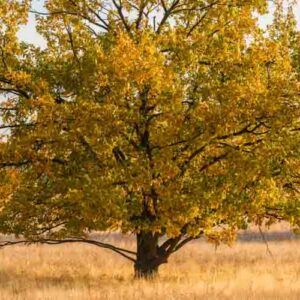
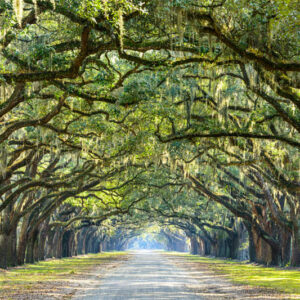
The oak genus includes many beloved trees, such as Live Oak, White Oak, Red Oak, Blue Oak, Bur Oak, and Pin Oak.
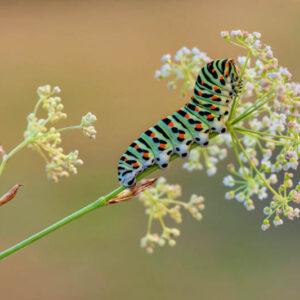
Oaks support an exceptionally wide range of butterfly and moth larvae. Species associated with oaks include the Banded Hairstreak (Satyrium calanus), Edward’s Hairstreak (Satyrium edwardsii), Gray Hairstreak (Strymon melinus), White-M Hairstreak (Parrhasius m-album), Horace’s Duskywing (Erynnis horatius), and Juvenal’s Duskywing (Erynnis juvenalis). Its acorns also provide valuable food for wildlife, including birds and mammals.
| Hardiness |
7 - 9 |
|---|---|
| Climate Zones | 3, 3A, 3B, 4, 5, 6, 7, 8, 9, 10, 11, 14, 15, 16, 17, 18, 19, 20, 21, 22, 23, 24 |
| Plant Type | Shrubs, Trees |
| Plant Family | Fagaceae |
| Genus | Quercus |
| Common names | Oak |
| Exposure | Full Sun, Partial Sun |
| Season of Interest | Spring (Early, Mid, Late), Summer (Early, Mid, Late), Fall, Winter |
| Height | 30' - 80' (9.1m - 24.4m) |
| Spread | 30' - 60' (9.1m - 18.3m) |
| Spacing | 360" - 720" (9.1m - 18.3m) |
| Maintenance | Low |
| Water Needs | Low |
| Soil Type | Clay, Loam, Sand |
| Soil pH | Acid, Neutral |
| Soil Drainage | Well-Drained |
| Characteristics | Showy, Evergreen |
| Native Plants | United States, California, Pacific Northwest, Southwest, Oregon, Arizona, Nevada, New Mexico |
| Tolerances | Drought, Clay Soil, Deer, Salt, Dry Soil |
| Attracts | Birds, Butterflies |
| Garden Uses | Banks And Slopes |
| Garden Styles | Butterfly Garden, City and Courtyard, Coastal Garden, Pollinator Garden, Prairie and Meadow |
| Toxic to Humans | Low severity |
| Toxic to Cats | Not toxic |
| Toxic to Dogs | Not toxic |
| Toxic to Horses | Toxic |


| Hardiness |
7 - 9 |
|---|---|
| Climate Zones | 3, 3A, 3B, 4, 5, 6, 7, 8, 9, 10, 11, 14, 15, 16, 17, 18, 19, 20, 21, 22, 23, 24 |
| Plant Type | Shrubs, Trees |
| Plant Family | Fagaceae |
| Genus | Quercus |
| Common names | Oak |
| Exposure | Full Sun, Partial Sun |
| Season of Interest | Spring (Early, Mid, Late), Summer (Early, Mid, Late), Fall, Winter |
| Height | 30' - 80' (9.1m - 24.4m) |
| Spread | 30' - 60' (9.1m - 18.3m) |
| Spacing | 360" - 720" (9.1m - 18.3m) |
| Maintenance | Low |
| Water Needs | Low |
| Soil Type | Clay, Loam, Sand |
| Soil pH | Acid, Neutral |
| Soil Drainage | Well-Drained |
| Characteristics | Showy, Evergreen |
| Native Plants | United States, California, Pacific Northwest, Southwest, Oregon, Arizona, Nevada, New Mexico |
| Tolerances | Drought, Clay Soil, Deer, Salt, Dry Soil |
| Attracts | Birds, Butterflies |
| Garden Uses | Banks And Slopes |
| Garden Styles | Butterfly Garden, City and Courtyard, Coastal Garden, Pollinator Garden, Prairie and Meadow |
| Toxic to Humans | Low severity |
| Toxic to Cats | Not toxic |
| Toxic to Dogs | Not toxic |
| Toxic to Horses | Toxic |
How many Quercus chrysolepis (Canyon Live Oak) do I need for my garden?
| Plant | Quantity | |
|---|---|---|
| Quercus chrysolepis (Canyon Live Oak) | N/A | Buy Plants |
Create a membership account to save your garden designs and to view them on any device.
Becoming a contributing member of Gardenia is easy and can be done in just a few minutes. If you provide us with your name, email address and the payment of a modest $25 annual membership fee, you will become a full member, enabling you to design and save up to 25 of your garden design ideas.
Join now and start creating your dream garden!