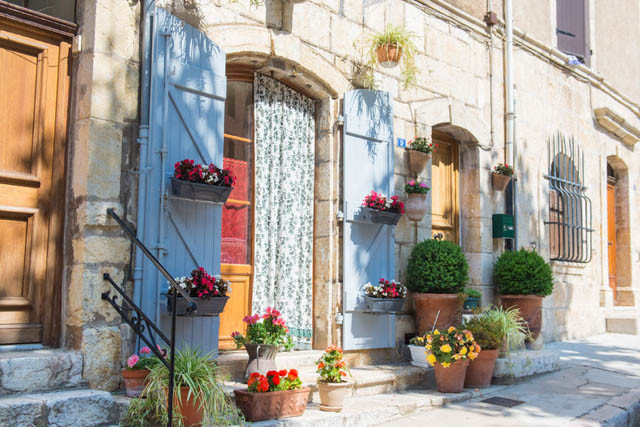
Mediterranean Garden Plants
Mediterranean garden plants combine drought tolerance, fragrance, evergreen structure, and strong architectural form. The best planting schemes mix silver foliage, aromatic herbs, flowering perennials, climbers, sculptural succulents, and distinctive trees that thrive in sunny, well-drained conditions.
Start with your climate, soil, drainage, and available water. Then combine plants with similar needs so the garden looks cohesive and remains easier to maintain.
Start with Iconic Mediterranean Trees
Trees provide the structure and atmosphere that define a Mediterranean-style garden.
Olive trees (Olea europaea) bring silvery foliage, sculptural trunks, and excellent drought tolerance once established, while
Italian Cypress (Cupressus sempervirens) adds strong vertical accents and evergreen structure.
Add Fragrant Herbs & Flowering Plants
Aromatic plants are central to Mediterranean planting, bringing fragrance, flowers, pollinators, and texture.
Lavender adds purple-blue flowers and silver-green foliage;
rosemary contributes evergreen, aromatic foliage; and
salvias offer a wide range of flower colors and forms for sunny, well-drained sites.
Use Climbers for Walls, Pergolas & Shade
Climbers soften walls and structures while adding height, color, and shade.
Bougainvillea provides vivid color in warm climates, while
grapevines can cover pergolas and provide both summer shade and fruit where growing conditions are suitable.
Add Sculptural Drought-Tolerant Plants
Architectural plants provide strong form and contrast against softer herbs and flowering perennials.
Agaves create bold rosettes, while
yuccas add upright foliage and striking silhouettes. Both are best where climate and drainage suit the particular species.
Match Plants to Heat, Drainage & Water
Many Mediterranean plants perform best in full sun and well-drained soil, but their cold tolerance and water needs vary. Group plants with similar irrigation requirements and avoid placing drought-adapted species where soil remains wet for long periods.