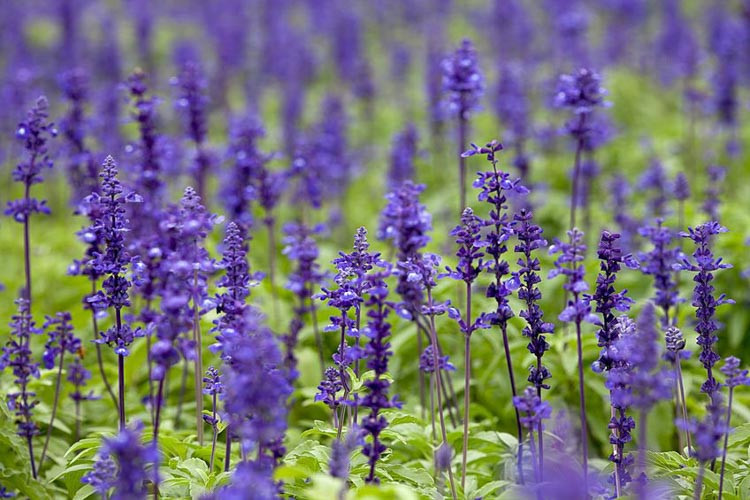
Salvia (Sage)
Salvia, also known as sage, is a diverse genus of flowering plants in the mint family, loved for colorful blooms, aromatic foliage, pollinator value, and easy garden performance. With more than 900 species, salvias offer choices for sunny borders, cottage gardens, containers, xeriscapes, Mediterranean gardens, wildlife plantings, and low-maintenance landscapes.
Gardeners choose salvia because it is beautiful, fragrant, drought-tolerant, and remarkably useful. From vivid blue and purple spikes to red, pink, white, and multicolored flowers, salvia brings long-lasting color and lively pollinator activity from late spring into fall.
Diversity and Colors
Salvia includes annuals, perennials, shrubs, and culinary herbs suited to many garden conditions, from full sun to partial shade and from dry soils to more moisture-tolerant sites. Flowers appear in blue, purple, red, pink, white, and sometimes multicolored forms.
Bloom Season
Salvia typically blooms from late spring through fall, often continuing until the first frost. Its long floral display makes it one of the most reliable plants that bloom all summer.
Fragrance and Foliage
Many salvias have aromatic foliage with scents ranging from minty and herbal to sweet and resinous. This fragrance adds sensory interest and can help make salvia less appealing to deer in many gardens.
Drought-Tolerant Choices
Drought-tolerant salvias such as Autumn Sage, Purple Sage, White Sage, and Russian Sage thrive in dry, sunny conditions. They are excellent for xeriscapes, water-wise landscapes, and Mediterranean garden ideas.
Wildlife Value
Salvia’s nectar-rich flowers attract bees, butterflies, and hummingbirds. Its seeds may also feed birds, making salvia a smart plant for pollinator gardens and biodiversity-friendly landscapes.
How to Grow Salvia
How to grow Salvia: plant in full sun and well-drained soil. Water deeply during the first season to establish roots. Once established, salvias need minimal care, with occasional deadheading and annual pruning to encourage fresh growth and more blooms.
Key Benefits
10 Key Salvia Benefits: salvia offers vibrant flowers, pollinator support, biodiversity value, deer resistance, drought tolerance, low maintenance, culinary uses, fragrant foliage, design versatility, and strong performance in sunny gardens.
Colorful, aromatic, wildlife-friendly, and easy to grow, salvia is one of the best flowering plants for gardeners who want beauty, resilience, and months of pollinator-rich blooms.