Flower Bulbs
Flower bulbs are one of the easiest ways to build color into the garden across the seasons. The best choices depend on when you want flowers, your climate, sun and soil conditions, and whether you are planting borders, containers, naturalized areas, or a cutting garden.
Choose Spring Bulbs for the Biggest Early-Season Display
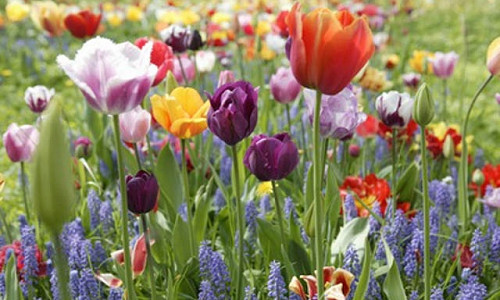
Spring-flowering bulbs offer some of the widest choices in color, height, and bloom time. Daffodils are dependable and often return for years, while tulips provide an extraordinary range of colors and forms. Fragrant hyacinths, early crocuses, and architectural alliums can extend the display from late winter into early summer.
Add Summer Color with Dahlias, Lilies, and Gladiolus
For bold summer flowers, choose bulbs and other bulb-like plants that take over as spring displays fade. Dahlias offer an exceptional range of flower sizes, shapes, and colors, while lilies bring height, elegance, and often fragrance. Gladiolus produces tall flower spikes that work especially well in borders and cutting gardens.
Extend the Bulb Season into Fall
Bulb color does not have to end with summer. Colchicum, often called autumn crocus, produces striking pink, purple, or white flowers in fall. It is especially useful for adding unexpected color when many summer plants are beginning to fade.
Bring the First Flowers to the Late-Winter Garden
For some of the earliest flowers of the year, plant snowdrops and winter aconite. Both can flower while winter weather is still lingering, making them valuable for woodland edges, lawns, and naturalized plantings where they can spread over time.
Plan Bulbs for a Longer Season of Color
Rather than planting one bulb variety in isolation, combine plants with overlapping bloom times. Early crocuses and snowdrops can lead into daffodils, tulips, hyacinths, and alliums, followed by lilies, gladiolus, dahlias, and autumn-flowering Colchicum. Also consider mature height, flower color, naturalizing ability, and whether bulbs will share the bed with perennials or shrubs.