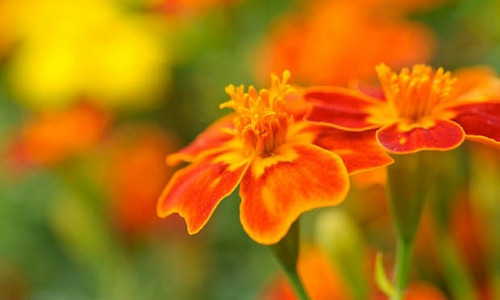
Annuals
Annuals are one of the easiest ways to add fast, colorful impact to a garden because they complete their life cycle in a single growing season. The best choices depend on your sun, climate, available space, container or border use, and the kind of display you want – from long-lasting color and cut flowers to shade planting and pollinator appeal.
Choose Annuals for Sun or Shade
Start with the light conditions. Sun-loving annuals such as cosmos, marigolds, petunias, and zinnias generally flower best with plenty of direct sun. For lower-light areas, impatiens and many begonias are better choices.
Use Annuals for Containers, Edging, and Hanging Baskets
Annuals are especially useful where you want concentrated color in a small space. Petunias and verbena work well in containers and hanging baskets, while geraniums bring bold flowers and textured foliage to pots, window boxes, and sunny beds.
When combining annuals in containers, choose plants with similar light and water needs so one plant does not struggle while another thrives.
Add Height, Movement, and Cut Flowers
Use taller annuals to bring vertical interest and movement to borders. Cosmos produces airy, daisy-like flowers above fine foliage, while Angelonia adds upright flower spikes and long-lasting summer color.
For cutting gardens, zinnias are especially useful because regular harvesting can encourage continued flowering through the season.
Choose Annuals for Color, Pollinators, and Easy Impact
Annuals can fill gaps between longer-lived plants, refresh containers, and provide quick seasonal color while shrubs and perennials mature. Marigolds, verbena, and zinnias can also attract pollinating insects when grown in suitable conditions.
Rather than choosing only by flower color, compare mature height, growth habit, bloom season, water needs, and whether the plant will be grown in a border, container, or cutting garden.
For the strongest display, choose annuals for the site first and flower color second. Match their light and water needs, combine different heights and growth habits, and use them where you want fast color, seasonal flexibility, or gaps filled quickly.