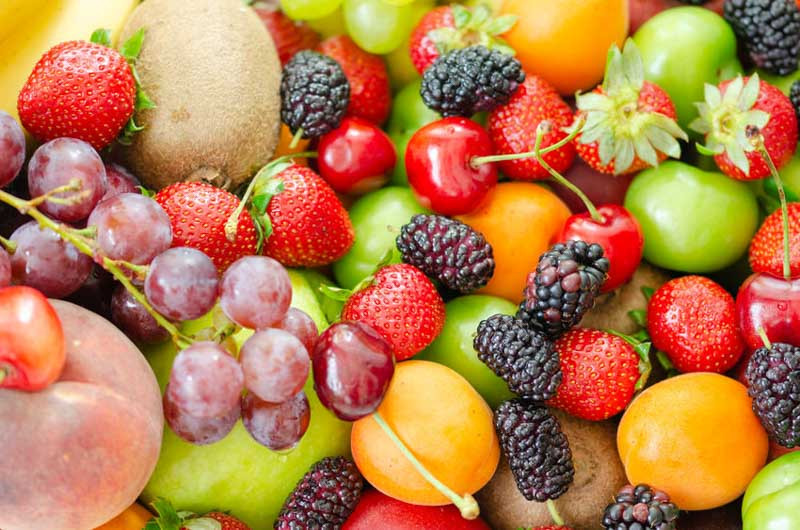
Fruits
Growing your own fruit is one of the most rewarding ways to use garden space, whether you have room for an orchard, a berry patch, a vine, or just a few containers. The best choices depend on your climate, winter chill, sun, soil, available space, pollination needs, and how much pruning and care you want to provide.
Choose Fruit Trees for Your Climate and Space
Temperate fruit trees can provide spring flowers, shade, and generous harvests, but varieties differ greatly in mature size, chill requirements, and pollination needs. Popular choices include apples, pears, cherries, plums, and peaches. Choose cultivars suited to your winters and summers, and check whether a second compatible variety is needed for good fruit set.
Grow Berries in Beds, Borders, and Containers
Berries can produce large harvests in relatively small spaces. Strawberries are compact enough for beds and containers, while blueberries combine edible fruit with attractive flowers and fall foliage. Raspberries and blackberries reward regular pruning and training with abundant summer fruit.
Use Grapes to Combine Fruit and Vertical Interest
Grapevines can turn an arbor, pergola, fence, or trellis into a productive feature while adding shade and seasonal interest. California Grape is one example of a vigorous fruiting vine, particularly valuable in western landscapes. Grapes need enough sun, room for their mature growth, sturdy support, and regular pruning, so plan the structure before planting the vine.
Grow Tropical and Subtropical Fruits in Warm Climates
Where winters are warm enough, tropical fruits can make beautiful as well as productive garden plants. Consider mango, pineapple, avocado, banana, or papaya. These plants vary enormously in size, cold tolerance, water needs, and fruiting requirements, so climate suitability should be checked before anything else.
Plan for Pollination, Harvest, and Long-Term Care
Fruit production depends on more than simply keeping a plant alive. Some fruits are self-fertile, while others crop better—or only reliably—with a compatible pollinator nearby. Many tree fruits also need annual pruning, fruit thinning, or sufficient winter chill. Before planting, check the mature size, expected harvest season, pollination requirements, and maintenance needs so the fruit fits both your garden and your lifestyle.