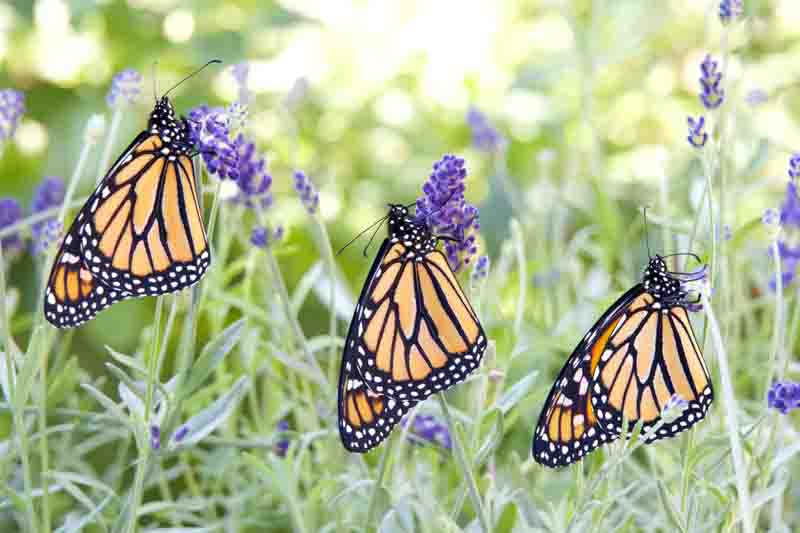
Butterfly Gardens
A butterfly garden can be every bit as beautiful as it is useful. The trick is to combine nectar-rich flowers, caterpillar host plants, long-season color, and a relaxed garden layout so the space feels designed rather than simply planted for wildlife.
Think in layers and seasons. Use taller flowering plants and shrubs for structure, medium-height perennials for color, and lower plants along paths and edges. Then make sure something is blooming from spring through fall. A garden that looks good to you and offers food, shelter, and sunshine to butterflies is the goal.
Build the Garden Around Long-Season Color
Butterfly gardens are most effective when flowers overlap through the season. Start with spring bloomers, add plenty of summer nectar plants, and finish with late-season asters, goldenrods, and other fall flowers. Repeating a few favorites in generous groups creates a stronger visual effect than scattering one plant of everything.
For inspiration, explore Gardenia’s guide to the best flowers for attracting butterflies and the broader advice in how to create a butterfly garden.
Mix Nectar Plants with Host Plants
A good butterfly garden should not be designed around flowers alone. Nectar plants feed adult butterflies, while host plants feed their caterpillars. The most attractive designs weave both together so host plants feel like part of the garden rather than an afterthought.
Learn more about the role of butterfly host plants, and see how to grow milkweed if you want to support monarchs.
Create Sunny, Sheltered Planting Areas
Butterflies are most active in warmth and sun, so place your main butterfly border where it receives good light for much of the day. If the site is windy, use shrubs, fences, or taller perennials to create shelter without making the space feel enclosed.
A curved border, island bed, sunny path edge, or planting around a patio can all work beautifully. Leave a few open spots where butterflies can rest and warm themselves, and keep nectar flowers close enough together that the planting reads as one cohesive garden.
Design for Specific Butterflies
You can make the garden more interesting by choosing plants for butterflies that already occur in your region. A monarch planting, for example, may feature milkweed mixed with long-blooming nectar flowers, while swallowtail gardens can include the host plants used by local species.
Explore the garden needs of the Monarch butterfly, Eastern Tiger Swallowtail, Spicebush Swallowtail, Giant Swallowtail, and Gulf Fritillary.
Add Paths, Containers, and Places to Pause
A butterfly garden does not need to be a large meadow. You can create one along a walkway, in raised beds, around a terrace, or even with containers filled with nectar plants. A bench or chair nearby makes the garden more enjoyable because butterflies are easiest to appreciate when you can sit and watch them.
Keep paths simple and let plants soften the edges. A slightly informal layout usually suits a butterfly garden better than a rigid, highly symmetrical design.
Make the Garden Work for More Pollinators
Many plants that attract butterflies also support bees, hummingbirds, and other beneficial wildlife. If you have room, combine butterfly plants with native flowering shrubs, seed-producing perennials, and water sources to create a more complete habitat.
See Gardenia’s pollinator garden guide and these wildlife-friendly plants for bees, butterflies, and birds. For even more inspiration, discover why butterfly gardens are worth creating and these fascinating butterfly facts.