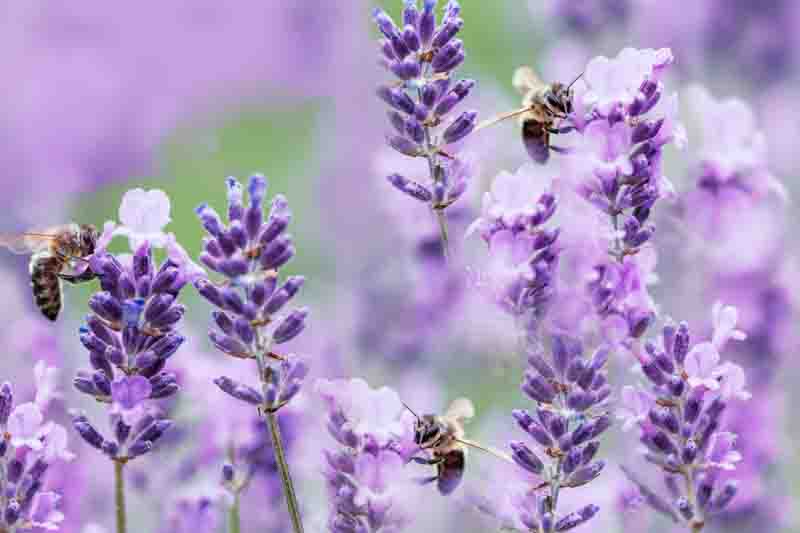
Pollinator Gardens
A pollinator garden can be colorful, polished, and full of life. The best designs combine nectar-rich flowers, pollen plants, butterfly host plants, long-season bloom, and shelter in a layout that looks good from spring through fall. You can create one as a large border, a cottage-style bed, a native planting, or even a sunny strip beside a path or patio.
Think of the garden as both habitat and design. Repeat favorite plants, stagger bloom times, mix heights and flower shapes, and leave enough structure that the planting still feels intentional when fewer flowers are open.
Design for Color from Spring Through Fall
A pollinator border is far more attractive when bloom moves through the garden instead of arriving all at once. Combine early, midseason, and late flowers so there is always something opening as another plant begins to fade.
For more ideas, start with Gardenia’s pollinator garden guide, then explore the best flowers for bees and the best flowers for butterflies.
Plant in Layers for a Fuller Look
Pollinator gardens look more natural when plants rise and fall in loose layers. Use taller flowering perennials or shrubs toward the back, medium-height plants through the middle, and lower flowers along paths and edges.
Mix different flower forms too. Flat-topped blooms, daisy-like flowers, spikes, and tubular blossoms appeal to different pollinators and make the planting visually richer. Penstemon, for example, adds strong vertical lines and tubular flowers that are especially useful in sunny pollinator borders.
Use Repetition to Keep the Garden Looking Intentional
A pollinator garden does not need to look chaotic. Repeating a few dependable plants in groups creates rhythm and helps the eye move through the border. It also gives bees and butterflies larger patches of flowers to feed from.
Leave some quieter foliage between strong blocks of bloom, and use a few plants with good shape or seed heads to hold the design together later in the season. Even familiar garden plants can contribute – learn more about peonies and pollinators.
Plan for Bees, Butterflies, and Hummingbirds
A diverse garden can support several types of pollinators at once. Include flowers suited to bees, nectar plants for butterflies, and tubular blooms that attract hummingbirds.
If butterflies are a priority, add host plants as well as flowers. Gardenia’s guide to butterfly host plants explains how to support caterpillars, while how to create a butterfly garden offers more focused design ideas. You can also learn more about planting for the Monarch butterfly.
Choose Plants That Fit Your Climate
The most beautiful pollinator garden is one that thrives without constant intervention. Match plants to your climate, soil, moisture, and sun, then build the design around those reliable performers.
For USDA Zone 6, explore these best pollinator plants for Zone 6. Gardeners in Zone 7 can draw from these full-sun perennials for Zone 7. In warmer Zone 8 gardens, see these top pollinator plants for Zone 8.
Add Paths, Seating, and Wildlife-Friendly Details
A path through the planting, a bench nearby, or a small seating area makes the garden more enjoyable for people too. Keep hard landscaping simple and let flowers spill gently toward edges so the garden feels generous rather than rigid.
You can extend the idea beyond pollinators by adding flowering shrubs, grasses, seed heads, water, and shelter. These wildlife-friendly plants for bees, butterflies, and birds are a good place to start, and Gardenia’s guide to building a wildlife garden that buzzes with life year-round shows how to make the space useful beyond the main flowering season.
If butterflies are one of your main goals, these reasons to create a butterfly garden offer even more inspiration.