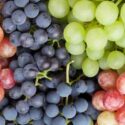
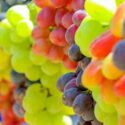
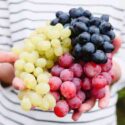
Grapes may be healthy for humans, but they can be deadly for dogs. Even one grape can trigger serious kidney failure. This veterinarian-backed guide explains why grapes are toxic, symptoms to watch for, emergency steps to take, and safe fruit alternatives every dog owner should know to keep their pet safe.
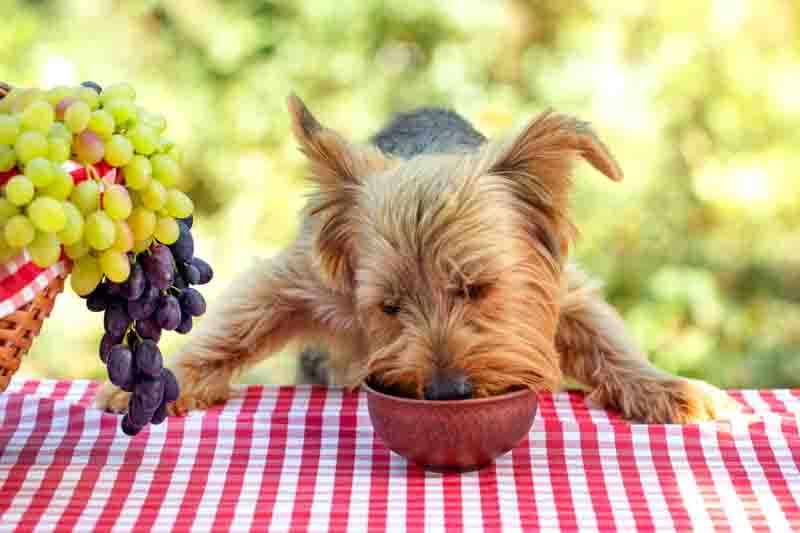


If you are asking, “Can dogs eat grapes?” the answer is simple – no. Dogs should never eat grapes. They are considered toxic to dogs and can lead to vomiting, lethargy, dehydration, and in serious cases, acute kidney injury. That warning also applies to raisins, which are dried grapes and may be even more dangerous because they are more concentrated.
What makes grapes especially tricky is that there is no dependable “safe amount.” Some dogs get very sick after eating only a small number of grapes or raisins, while others may not show symptoms right away. That does not mean the exposure was harmless. If your dog ate grapes, raisins, or a grape-containing food, the safest move is to call your veterinarian or a pet poison helpline immediately.
Below is a practical, vet-informed guide that explains why grapes are dangerous, what signs to watch for, what your veterinarian may do, and which fruits are safer if you want to share a snack. This article is written for worried dog owners who want a direct answer, not guesswork.
Hard no for dogs
Can dogs eat grapes? No. Grapes and raisins are toxic to dogs.
Why are they dangerous? They can cause stomach upset, weakness, dehydration, and acute kidney injury.
Is one grape okay? Do not assume so. Reactions vary, and there is no reliable safe dose for dogs.
What should you do right now? Contact your veterinarian or a pet poison helpline immediately, even if your dog seems normal.
Fast takeaway: With grapes, the safest plan is always prevention and rapid action.
Grapes are not just an “avoid if possible” food. They are considered toxic to dogs. Veterinary toxicologists now suspect that tartaric acid is the toxic component responsible for many grape and raisin poisonings in dogs. Dogs do not process tartaric acid well, and exposure can damage the kidneys. That is why grape ingestion is treated much more seriously than an ordinary stomach upset.
There are still important unknowns in real-world cases, especially around why one dog may become very ill after a small amount while another appears less affected at first. Because the reaction is unpredictable, veterinarians do not recommend home dose calculations or “wait and see” advice. They recommend treating grape and raisin exposure as urgent.
Important: “My dog ate one once and was fine” is not a safety rule. Grape toxicity is unpredictable, and the next exposure may not be mild.
In many cases, the first symptoms show up within the first several hours. A dog may vomit, drool, seem restless, or stop acting interested in food. These early signs can look like a simple stomach upset, but with grape exposure, they need to be taken seriously.
As toxicity progresses, the bigger concern is the kidneys. A dog may become weak, drink more water, act unusually quiet, or develop signs of dehydration. In more serious cases, urine output drops, which can be a sign of acute kidney injury. This is the point where rapid veterinary care becomes critical.
Early treatment can dramatically improve the outlook. If a veterinarian can remove grapes from the stomach before more toxin is absorbed, or start intravenous fluids early, the chances of preventing severe kidney damage are better.
If your dog may have eaten grapes or raisins, watch carefully for these signs – but do not wait for them before calling for help.
Do not induce vomiting unless a veterinarian specifically tells you to do so.
Do not assume a lack of symptoms means the grapes were harmless.
| Form | Verdict | Why |
|---|---|---|
| Fresh grapes | No | Toxic to dogs and associated with acute kidney injury. |
| Seedless grapes | No | Seedless does not make grapes safer for dogs. |
| Raisins | Never | Dried grapes are concentrated and can be especially dangerous. |
| Raisin bread or cookies | No | Even small raisin amounts hidden in baked goods can be a problem. |
| Trail mix with raisins | No | Often contains raisins plus other risky ingredients like chocolate or macadamia nuts. |
| Grape juice, jelly, or grape-flavored foods | Best avoided | Safety is not established, and some products may contain meaningful grape ingredients or lots of sugar. |
This is where owners need clear steps, not vague advice. If your dog ate grapes, raisins, or a food containing them, take the following steps immediately.
This section helps the article feel more practical because it mirrors what happens in real life. Be ready to answer questions like these:
If the exposure was recent, your veterinarian may recommend inducing vomiting in a clinic setting. They may also give activated charcoal in some cases, run bloodwork to check kidney values, and start intravenous fluids to protect the kidneys. Monitoring over the next day or two is common when the exposure is significant or symptoms are present.
The big picture is this – early treatment usually offers a better prognosis than delayed care. That is why the first phone call matters so much.
Good news: Dogs treated promptly after grape exposure often do much better than dogs whose care is delayed until kidney injury is already developing.
If you want to share a fruity treat, there are much better options than grapes. Choose fruits that are commonly considered dog-friendly and still serve them in moderation, because sugar and stomach upset can happen with any sweet snack.
| Fruit | How To Serve | Notes |
|---|---|---|
| Blueberries | A few fresh or frozen berries | Easy, low-mess, and great as a training treat. |
| Apple | Thin slices without seeds or core | Crunchy and refreshing for many dogs. |
| Strawberries | Diced into small pieces | Sweet, so best as an occasional treat. |
| Watermelon | Seedless cubes without rind | Hydrating and popular in warm weather. |
| Banana | Thin slices, just a few | Soft and easy, but a little higher in sugar. |
For dog owners, the safest answer is also the easiest one to remember – grapes are a hard no. They are not a healthy treat for dogs, not a “just one” snack, and not a fruit you should experiment with. The combination of unpredictable reactions and real kidney risk puts grapes firmly on the do-not-feed list.
If you think your dog ate grapes or raisins, call your veterinarian right away. Fast action can make a very real difference.
No. Even one grape can be risky for some dogs. Because grape toxicity is unpredictable, veterinarians recommend treating any exposure as urgent.
They can be. Raisins are dried grapes, so the grape material is more concentrated in a smaller amount, which can make exposure especially dangerous.
Early signs often include vomiting, drooling, nausea, poor appetite, restlessness, or unusual tiredness. Some dogs can look normal at first, so do not wait for symptoms before calling your veterinarian.
Call your veterinarian or a pet poison helpline immediately. A dog can appear normal early on and still be developing toxic effects internally.
These products are best avoided. Their safety is not established for dogs, and some may contain enough grape ingredients to be a concern.
Safer fruit options include blueberries, apple slices without seeds, strawberries, watermelon without rind or seeds, and small banana slices. Any fruit should still be given in moderation.
Updated: April 2026 • Reviewed by Gardenia Editors
| Hardiness |
3 - 10 |
|---|---|
| Plant Type | Climbers, Fruits |
| Plant Family | Vitaceae |
| Genus | Vitis |
| Exposure | Full Sun |
| Maintenance | High |
| Water Needs | Average |
| Soil Type | Chalk, Loam, Sand |
| Soil pH | Alkaline, Neutral |
| Soil Drainage | Well-Drained, Moist but Well-Drained |
| Attracts | Bees, Birds |
| Hardiness |
3 - 10 |
|---|---|
| Plant Type | Climbers, Fruits |
| Plant Family | Vitaceae |
| Genus | Vitis |
| Exposure | Full Sun |
| Maintenance | High |
| Water Needs | Average |
| Soil Type | Chalk, Loam, Sand |
| Soil pH | Alkaline, Neutral |
| Soil Drainage | Well-Drained, Moist but Well-Drained |
| Attracts | Bees, Birds |
Create a membership account to save your garden designs and to view them on any device.
Becoming a contributing member of Gardenia is easy and can be done in just a few minutes. If you provide us with your name, email address and the payment of a modest $25 annual membership fee, you will become a full member, enabling you to design and save up to 25 of your garden design ideas.
Join now and start creating your dream garden!
Create a membership account to save your garden designs and to view them on any device.
Becoming a contributing member of Gardenia is easy and can be done in just a few minutes. If you provide us with your name, email address and the payment of a modest $25 annual membership fee, you will become a full member, enabling you to design and save up to 25 of your garden design ideas.
Join now and start creating your dream garden!