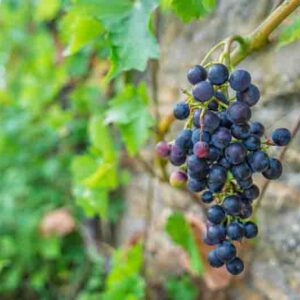
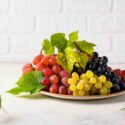
Growing grapes in humid Eastern climates is challenging, but the right varieties make it incredibly rewarding. This expert guide reveals the most reliable, disease-resistant grapes for fresh eating, juice, and wine - helping you grow healthier vines, reduce maintenance, and enjoy consistent harvests year after year.
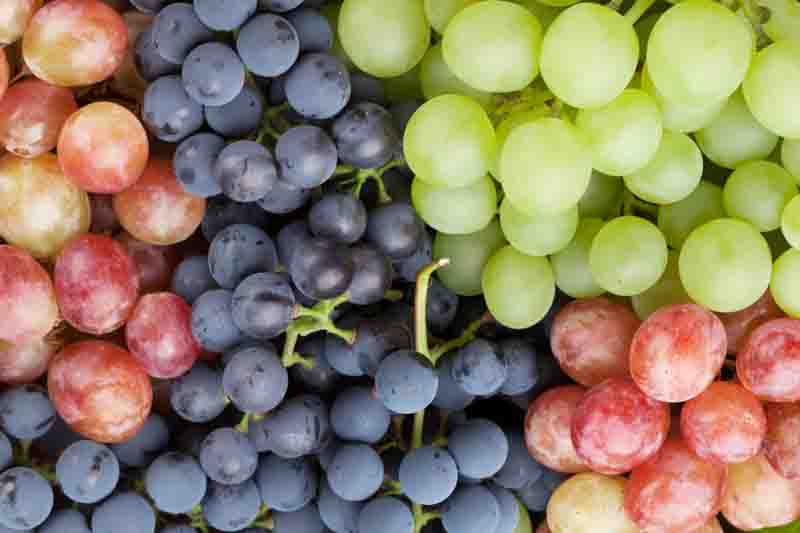


Growing grapes in humid Eastern gardens is not simply a matter of choosing a variety with good flavor and hoping for the best. Across the Eastern United States, grape growing is shaped by persistent atmospheric moisture, regular summer rainfall, warm nights, dense vine canopies, and disease cycles that are far more aggressive than they are in dry western or Mediterranean climates. In practical terms, that means a grape can be excellent in theory and still be a poor recommendation if it struggles with black rot, downy mildew, bunch rot, splitting, or chronic crop loss under wet conditions.
The best grapes for humid Eastern gardens are therefore not just the most famous grapes, the prettiest grapes in catalogs, or the grapes with the best reputations in dry-climate vineyards. They are the cultivars that combine disease resistance, realistic ripening, decent fruit integrity, and genuine usefulness for fresh eating, juice, jelly, wine, or multipurpose home harvests. That is the difference between an article that sounds knowledgeable and one that is actually worth trusting.
Methodology: This guide prioritizes grape cultivars that make sense in humid Eastern gardens based on five filters: disease behavior, ripening window, fruit structure, regional fit, and end use.
That matters because the East is not one climate. A warm coastal site in the Carolinas is not the same as an inland Mid-Atlantic garden, and neither is the same as a shorter-season, humid but colder Northeast site.
Before diving into cultivar lists, the fastest way to choose the right grape is to start with your goal. In humid Eastern gardens, success is rarely about planting everything. It is about choosing the right grape for how you actually plan to use it.
This goal-first approach is critical in humid climates because not all grapes perform equally under disease pressure. Matching the grape to the purpose dramatically increases your chance of long-term success.
This guide begins with a hard truth: not every grape deserves a place in a humid Eastern garden. Some grapes are too disease-prone, some ripen too late for consistent clean harvests, some split too easily after rain, and some only make sense if the grower is prepared for an intensive spray program. That does not make them bad grapes in an absolute sense. It makes them weak recommendations for the specific topic of humid Eastern home growing.
So the first screen is disease pressure. In the East, black rot is one of the most serious grape diseases, and downy mildew and powdery mildew are also constant threats. Any article that treats disease behavior as an afterthought is not grounded in real Eastern grape growing. Grapes that are easier to keep clean deserve more weight than grapes that sound glamorous but become frustrating in practice.
The second screen is regional fit. In the Southeast, especially in hotter and more disease-intense areas, muscadines often make more sense than bunch grapes. North Carolina Extension explicitly notes that muscadines have a high degree of tolerance to pests and diseases in places where bunch grape production is extremely difficult, and coastal bunch grape production also runs into Pierce’s disease limits in warmer regions. That regional distinction is not optional. It is central to good advice.
The third screen is purpose. A fresh-eating grape is not judged by the same criteria as a juice grape or a wine grape.
For the broadest cultivar pool and the Gardenia cultivar URLs you wanted preserved when relevant, start with the main comparison page here: Grapevine comparison database.
The Southeast: In the Deep South and much of the Coastal Plain, humidity is so persistent that muscadines often become the smartest default recommendation, not the backup plan. They are naturally adapted to hot, humid conditions and generally tolerate many pests and diseases better than bunch grapes. In parts of coastal North Carolina and similar warm regions, bunch grapes are also constrained by Pierce’s disease, which sharply limits where they are practical. If you are gardening in the Southeast and want the lowest-risk edible grape strategy, muscadines deserve to lead the conversation.
The Mid-Atlantic: This is the transition zone where both muscadines and bunch grapes can be relevant depending on local heat, winter lows, and site exposure. Disease pressure is still serious, so the safest bunch-grape recommendations lean toward hybrids and American grapes rather than delicate vinifera. Gardeners here can build excellent plantings, but they still need to think in terms of airflow, sanitation, earlier ripening, and realistic disease management.
The Northeast: Humidity remains high enough for disease pressure to matter, but shorter seasons and colder winters become more influential. In this region, earlier-ripening hybrids and cold-climate bunch grapes gain value, while muscadines become less broadly appropriate. Here, disease resistance still matters, but so do winter survival and season length.
Disease resistance is the first filter because without it, everything else becomes secondary. Black rot alone can devastate the crop, and growers in humid climates also face downy mildew, powdery mildew, and bunch rots. Extension guidance repeatedly emphasizes sanitation, pruning, open canopies, resistant cultivars, and timely fungicide use where needed because the disease load is structurally high, not occasional.
Cluster structure matters more than casual advice often admits. Tight clusters trap moisture, dry slowly after rain, and create ideal conditions for rot. Looser clusters usually behave better. This is one reason some technically good grapes still become weak recommendations in humid home gardens.
Ripening season also shapes reliability. Earlier grapes often have a practical advantage because they can avoid the worst late-season disease pressure and fall wet weather. That does not make late grapes impossible, but it does make them riskier and more site-dependent.
Spray tolerance is another real criterion, even if gardeners do not always say it out loud. Some growers are willing to spray and monitor closely. Others want the most forgiving vine possible.
Spray expectations vary dramatically by grape type, and understanding this upfront is one of the most important decisions you can make in a humid Eastern garden.
Muscadines: Generally the lowest-spray option. Many growers can produce reliable crops with minimal intervention, especially compared to bunch grapes. This is why they dominate recommendations in the Southeast.
American and hybrid bunch grapes: Moderate spray expectations. With good airflow, pruning, and sanitation, these grapes can be managed successfully, but they are not maintenance-free. Occasional fungicide use is often required in wet seasons.
Seedless bunch grapes: Often slightly more sensitive. Many seedless varieties prioritize fruit quality over disease resistance, so they benefit from more attentive management.
Wine grapes (especially vinifera types): Highest management level. In humid Eastern climates, these grapes typically require consistent spray programs and careful canopy management to remain productive.
| Cultivar | Hardiness Zones | Type | Best Use | Region Fit | Why It Stands Out |
|---|---|---|---|---|---|
| Concord | 5, 6, 7, 8 | American bunch | Juice, jelly | Mid-Atlantic, Northeast | Classic processing grape, but not a low-disease grape; best treated as useful with management rather than carefree. |
| Concord Seedless | 5, 6, 7, 8 | American bunch | Fresh, juice, jelly | Mid-Atlantic, Northeast | Bridges Concord character and easier eating, useful for mixed-purpose plantings. |
| Niagara | 5, 6, 7, 8 | American bunch | Fresh, juice | Mid-Atlantic, Northeast | Still relevant, but not a blanket disease-resistant recommendation; best for growers who want a traditional white grape and accept management. |
| Reliance | 4, 5, 6, 7, 8 | Hybrid bunch | Fresh eating | Mid-Atlantic, Northeast | Valuable for early ripening and good fresh quality, but should not be oversold as highly disease resistant. |
| Somerset Seedless | 4, 5, 6, 7, 8 | Hybrid bunch | Fresh eating | Mid-Atlantic, Northeast | Very early ripening makes it strategically useful where season and disease pressure collide. |
| Mars Seedless | 5, 6, 7, 8 | Hybrid bunch | Fresh eating | Mid-Atlantic, Northeast | One of the better seedless humid-climate candidates thanks to relatively low disease susceptibility. |
| Jupiter | 5, 6, 7, 8 | Hybrid bunch | Fresh eating | Mid-Atlantic, favored sites | Quality-driven seedless choice, better as a favorable-site grape than a universal humid-climate answer. |
| Lakemont | 5, 6, 7, 8 | Hybrid bunch | Fresh eating | Northeast, favored sites | Refined white seedless option, but not the first recommendation where disease pressure is intense. |
| Neptune | 5, 6, 7, 8 | Hybrid bunch | Fresh eating | Mid-Atlantic, Northeast | Moderately disease resistant, useful when you want a white seedless grape with better humid-climate prospects than more delicate alternatives. |
| Interlaken | 5, 6, 7, 8 | Hybrid bunch | Fresh eating | Northeast, favored sites | Extremely early white seedless, valuable where earlier ripening is the main advantage. |
| Vanessa | 5, 6, 7, 8 | Hybrid bunch | Fresh eating | Mid-Atlantic, favored sites | One of the better red seedless options, but more of a quality expansion choice than a first-plant grape. |
| Edelweiss | 4, 5, 6, 7, 8 | Hybrid bunch | Fresh, juice, sweet wine | Mid-Atlantic, Northeast | One of the strongest utility grapes in the list: early, flexible, and broadly useful. |
| Brianna | 4, 5, 6, 7, 8 | Hybrid bunch | Fresh, juice, white wine | Mid-Atlantic, Northeast | Aromatic and versatile, useful for gardeners who want more than one harvest purpose from a vine. |
| Prairie Star | 3, 4, 5, 6, 7 | Hybrid bunch | White wine | Northeast, inland Mid-Atlantic | Useful for growers who need an earlier, cooler-site white wine grape. |
| Itasca | 4, 5, 6, 7, 8 | Hybrid bunch | White wine | Northeast, inland Mid-Atlantic | Modern cold-climate white that can make sense where lower-acid profile and hardiness matter. |
| La Crescent | 4, 5, 6, 7, 8 | Hybrid bunch | White wine | Northeast, inland Mid-Atlantic | Benchmark aromatic white in colder Eastern vineyards, but better positioned as a wine grape than a general backyard recommendation. |
| Frontenac Gris | 4, 5, 6, 7, 8 | Hybrid bunch | White and rosé wine | Northeast, inland Mid-Atlantic | Hardy and productive for wine-focused growers who want a northern hybrid with broader stylistic range. |
| Frontenac | 3, 4, 5, 6, 7, 8 | Hybrid bunch | Red wine | Northeast, inland Mid-Atlantic | Foundational cold-climate red wine grape, more relevant to serious wine growers than casual fresh-fruit gardeners. |
| Marquette | 4, 5, 6, 7, 8 | Hybrid bunch | Red wine | Northeast, inland Mid-Atlantic | One of the strongest modern northern red wine grapes, but still a more vineyard-style than casual table recommendation. |
| Petite Pearl | 4, 5, 6, 7, 8 | Hybrid bunch | Red wine | Mid-Atlantic, Northeast | Useful where wine growers prioritize disease resistance more strongly. |
| Marechal Foch | 4, 5, 6, 7, 8 | Hybrid bunch | Red wine | Northeast, inland Mid-Atlantic | Very early wine grape, especially useful in cooler or more difficult sites. |
| Regent | 6, 7, 8, 9 | Hybrid bunch | Red wine | Mid-Atlantic, warmer Northeast | Often discussed because of disease resistance and earlier ripening, but still most relevant as a wine grape. |
| Carlos | 7-9 | Muscadine | Fresh, wine, processing | Southeast | A vigorous, self-fertile bronze muscadine valued for heavy yields, dependable fruit set, even ripening, and especially strong wine, juice, jelly, and preserves value. |
| Nesbitt | 7-9 | Muscadine | Fresh | Southeast | Commonly valued as a self-fruitful muscadine with good backyard relevance. |
| Noble | 7-9 | Muscadine | Wine, juice | Southeast | A self-fertile dark muscadine prized for dependable yields, rich purple-black fruit, stable pigment, and exceptional value for red muscadine wine, juice, jelly, and preserves. |
| Summit | 7-9 | Muscadine | Fresh | Southeast | A female muscadine often chosen for fruit quality, but it needs a self-fertile pollinator nearby. |
| Supreme | 7-9 | Muscadine | Fresh eating, preserves | Southeast | Standout large-fruited dark muscadine with premium fresh-market appeal, but it is female and needs a self-fertile pollinator nearby. |
| Tara | 7-9 | Muscadine | Fresh eating, juice, preserves | Southeast | Large bronze muscadine with strong fresh-use value, but it is female and needs a nearby self-fertile pollinator. |
| Triumph | 7-9 | Muscadine | Fresh eating, juice, preserves | Southeast | Large bronze self-fertile muscadine that is especially practical for backyard growers who want fewer pollination complications. |
Carlos, Noble, and Triumph are especially useful anchor cultivars because they are self-fertile and help solve practical planting problems. Carlos is the classic bronze processing muscadine for wine and juice, Noble is one of the strongest dark muscadines for red wine and richly colored juice, and Triumph adds a self-fertile bronze option with stronger fresh-use appeal.
Supreme earns inclusion because it is one of the most recognized large-fruited dark muscadines for fresh eating. Gardenia describes it as a female cultivar with very large berries, sweet flavor, edible skin, and strong fresh-market appeal, which makes it a quality-first muscadine rather than a pure processing vine. That said, the female flower type matters: Supreme needs a nearby self-fertile muscadine for dependable fruit set.
Tara broadens the muscadine section in a different direction. It is a bronze muscadine with large berries and strong backyard and fresh-use value. Like Supreme, it is female rather than self-fertile, so it should be recommended with that caveat built in, not added as an afterthought. Gardenia also notes that Tara works especially well when paired with a self-fertile pollinator such as Carlos or Noble.
Triumph is especially useful editorially because it fills a practical gap. Gardenia lists it as self-fertile, large-berried, bronze, and strongly suited to home-garden reliability. That makes it one of the easiest muscadines to recommend to backyard growers who want high-quality bronze fruit without needing to build their whole planting around pollination logistics.
The term Scuppernong is often used to describe traditional bronze muscadine grapes rather than a single modern cultivar. While historically important in the Southeastern United States, most modern plantings favor improved muscadine varieties such as Carlos, Triumph, and Tara, which offer better productivity, fruit size, and reliability.
That said, Scuppernong-type grapes remain relevant for gardeners interested in heritage varieties or traditional Southern grape growing. They should be viewed as part of the broader muscadine category rather than as a separate recommendation group.
One of the most important practical differences in muscadine grapes is whether a cultivar is self-fertile or female (self-sterile). This is not a minor detail—it directly determines whether your vine will produce fruit reliably.
Self-fertile muscadines such as Carlos, Noble, and Triumph produce both pollen and fruit. They can be planted alone and still set a full crop. For most home gardeners, these are the easiest and most reliable starting point.
Female muscadines such as Supreme, Tara, and Summit produce fruit but require a nearby self-fertile muscadine for pollination. Without that partner, fruit set will be poor or inconsistent.
This distinction is especially important because many of the most attractive large-fruited muscadines, such as Supreme and Tara, are female. Without proper planning, gardeners often blame climate or disease when the real issue is pollination.
Seedless grapes are often the category home gardeners want most, but they are also where simplistic advice does the most damage. Many seedless grapes look attractive on paper but do not hold up especially well under Eastern disease pressure. That is why the best seedless section has to be selective and cautious.
Mars Seedless deserves to sit near the top of the list because Missouri Extension explicitly describes it as having low disease susceptibility. That does not make it invulnerable, but it does make it more defensible than many seedless alternatives for humid-climate gardeners who want a realistic fresh-eating vine.
Reliance still deserves inclusion, but with better wording than before. It is valuable because it ripens relatively early and brings genuine fresh-eating appeal, yet extension guidance also says it is susceptible to common diseases. That means it is a strategic grape, not a carefree grape. Earlier harvest reduces some risk, but it does not erase disease management.
Somerset Seedless, Neptune, Interlaken, Vanessa, and Jupiter are better treated as expansion choices rather than universal first picks. They become more attractive in favorable sites with good airflow, gardeners willing to monitor disease carefully, or cooler humid regions where ripening window matters as much as fungal pressure.
Processing grapes deserve more respect in humid-climate advice because they are often the varieties that make Eastern grape growing feel worthwhile. Fresh-eating perfection is demanding. Juice and jelly grapes can tolerate slightly rougher fruit aesthetics while still delivering huge flavor and practical value.
Concord remains important because it is still the classic American juice and jelly grape, but it should not be described lazily as if it were highly disease resistant. Missouri Extension specifically notes high susceptibility to black rot and phomopsis. So Concord belongs here because it is relevant and useful, not because it is easy. For many gardeners, that distinction is the difference between satisfaction and disappointment.
Niagara also stays relevant, especially for gardeners who want a white-fruited traditional American grape for juice, fresh use, or mixed processing, but it too needs caveats. Missouri Extension lists it as susceptible to common diseases. In other words, Niagara belongs in a comprehensive humid-climate guide, but not in the category of low-intervention winners.
That is why Edelweiss matters so much. It is one of the strongest utility grapes in the broader template you shared, and that logic carries over here. It can serve as a fresh grape, a juice grape, and even a sweet-wine grape, which gives it more real garden value than many single-purpose cultivars.
Concord Seedless also has value because it bridges categories. It offers some of Concord’s flavor profile with easier eating, which makes it relevant for households that want one vine to cover both snacking and preserves.
Wine grapes are where many articles become vague, because they often collapse all Eastern wine growing into a single list. That is not especially helpful. In humid Eastern gardens, wine grapes should be divided into those that are realistic for colder humid regions and those that make sense only for more managed or region-specific situations.
For white wine grapes, La Crescent, Frontenac Gris, Prairie Star, Itasca, and Brianna remain meaningful because they are part of the broader cold-climate and Eastern hybrid conversation. The key is not to oversell them as universally ideal backyard grapes. They are best treated as purpose-driven choices for gardeners who specifically want wine value and are gardening in regions where these hybrids make sense.
For red wine grapes, Frontenac, Marquette, Petite Pearl, Marechal Foch, and Regent form a more credible humid-Eastern wine section than a generic vinifera-heavy list would. These are not casual snack grapes. They are specialized, regionally filtered wine cultivars, and that is exactly how they should be presented.
Best low-risk grapes for the humid Southeast: Carlos, Nesbitt, Noble, Summit with pollinator.
Best seedless bunch grapes for humid Eastern gardens: Mars Seedless, Reliance, Somerset Seedless.
Best traditional grapes for juice and jelly: Concord, Niagara.
Best multipurpose bunch grapes: Edelweiss, Brianna, Concord Seedless.
Best white wine grapes for colder humid Eastern sites: La Crescent, Frontenac Gris, Prairie Star, Itasca.
Best red wine grapes for colder humid Eastern sites: Frontenac, Marquette, Petite Pearl, Marechal Foch, Regent.
A truly authoritative guide does not just tell you what to plant—it also tells you what to avoid. In humid Eastern climates, some grapes consistently underperform unless grown under intensive vineyard-style management.
Highly disease-prone bunch grapes: Many classic varieties may be widely known but struggle with black rot, mildew, and fruit rot under humid conditions.
Tight-clustered varieties: Grapes with very compact clusters are more prone to rot because moisture lingers between berries.
Late-ripening grapes in short or wet seasons: These often fail to ripen cleanly before fall disease pressure or weather damage increases.
Vinifera grapes without protection: Traditional European wine grapes can be grown in parts of the East, but they require significantly higher management and are not ideal for most home gardeners.
If you garden in the humid Southeast, start by asking whether muscadines should be the core of your planting. In many Southern sites, that is the most defensible answer. If you garden in the Mid-Atlantic or Northeast and want bunch grapes, start with the cultivars that give you either earlier ripening, lower disease susceptibility, or broader utility, not just the most famous names. That is why Mars Seedless, Edelweiss, Brianna, and carefully chosen traditional grapes still matter, while Concord and Niagara remain relevant but should be framed with management caveats rather than nostalgia.
The clearest planting strategy is usually not to plant one of everything. It is to build a purposeful collection: a muscadine or two if you are in the Southeast, one defensible seedless bunch grape if fresh eating matters, one classic or multipurpose grape for juice or preserves, and a wine grape only if you have a real wine goal. Done that way, humid Eastern grape growing stops being a frustrating battle against the climate and becomes a much more strategic, rewarding garden project.
The best grapes for humid Eastern gardens depend on region and purpose. In the Southeast, muscadines such as Carlos, Nesbitt, Noble, and Summit are often the strongest low-spray choices. In the Mid-Atlantic and Northeast, stronger bunch-grape options include Mars Seedless, Reliance, Somerset Seedless, Edelweiss, Brianna, and selected wine hybrids.
In much of the humid Southeast, muscadines are often the more practical choice because they are better adapted to hot, humid conditions and generally tolerate pests and diseases better than bunch grapes. They are especially valuable for gardeners who want a lower-intervention planting.
Mars Seedless is one of the most defensible seedless grapes for humid climates because extension guidance describes it as having low disease susceptibility. Reliance and Somerset Seedless also matter, but they should be treated more cautiously and matched to site and management level.
Truly spray-free bunch grapes are often unrealistic in humid climates unless you choose very disease-resistant cultivars and manage the canopy well. In the Southeast, muscadines are often the easiest low-spray grape option.
Most bunch grapes are self-fruitful, so one vine can usually produce fruit on its own. Some muscadine cultivars, however, are female and need a self-fertile muscadine nearby for pollination.
Most bunch grapevines should be planted about 6 to 8 feet apart, with rows at least 8 feet apart. Muscadines usually need more room and are often spaced 10 to 20 feet apart.
This article is based on horticultural guidance from university extension programs and research-based grape production resources focused on humid climates in the Eastern United States.
Penn State Extension – Black Rot on Grapes in Home Gardens
https://extension.psu.edu/black-rot-on-grapes-in-home-gardens
Provides detailed guidance on one of the most important fungal diseases affecting grapes in humid Eastern climates.
University of Missouri Extension – Home Fruit Production: Grape Cultivars and General Care
https://extension.missouri.edu/publications/g6085
Offers cultivar-specific disease susceptibility, ripening, and performance data widely applicable across the Eastern U.S.
North Carolina State Extension – Growing Muscadines
https://content.ces.ncsu.edu/growing-muscadines-in-childcare-center-gardens
Explains why muscadines are especially well adapted to hot, humid Southeastern climates.
North Carolina State Extension – Winegrape Growers Guide: Vineyard Site Selection
https://content.ces.ncsu.edu/north-carolina-winegrape-growers-guide/chapter-4-vineyard-site-selection
Covers climate limitations, disease pressure, and site suitability for grape production in the Southeast.
University of Georgia Extension – Georgia Pest Management Handbook (Home Orchard Section)
https://extension.uga.edu/…/Orchards%20and%20Fruits.pdf
Provides practical pest and disease management expectations for fruit crops, including grapes, in humid Southern climates.
University of Minnesota Extension – Cold Climate Grapes
https://extension.umn.edu/fruit/cold-climate-grapes
Explains breeding goals and disease resistance traits in modern hybrid grapes used across the Eastern U.S.
Penn State Extension – Wine Grape Production Guide
https://extension.psu.edu/wine-grape-production
Details canopy management, disease pressure, and production challenges in humid vineyard systems.
University of Georgia Extension – Celebrating Georgia’s Native Grape
https://site.extension.uga.edu/…/celebrating-georgias-native-grape
Provides background on muscadines, including pollination, adaptation, and regional importance.
Updated: April 2026 • Reviewed against Gardenia cultivar pages and zone-fit data
| Hardiness |
3 - 10 |
|---|---|
| Plant Type | Climbers, Fruits |
| Plant Family | Vitaceae |
| Genus | Vitis |
| Exposure | Full Sun |
| Maintenance | High |
| Water Needs | Average |
| Soil Type | Chalk, Loam, Sand |
| Soil pH | Alkaline, Neutral |
| Soil Drainage | Well-Drained, Moist but Well-Drained |
| Attracts | Bees, Birds |
| Hardiness |
3 - 10 |
|---|---|
| Plant Type | Climbers, Fruits |
| Plant Family | Vitaceae |
| Genus | Vitis |
| Exposure | Full Sun |
| Maintenance | High |
| Water Needs | Average |
| Soil Type | Chalk, Loam, Sand |
| Soil pH | Alkaline, Neutral |
| Soil Drainage | Well-Drained, Moist but Well-Drained |
| Attracts | Bees, Birds |
Create a membership account to save your garden designs and to view them on any device.
Becoming a contributing member of Gardenia is easy and can be done in just a few minutes. If you provide us with your name, email address and the payment of a modest $25 annual membership fee, you will become a full member, enabling you to design and save up to 25 of your garden design ideas.
Join now and start creating your dream garden!
Create a membership account to save your garden designs and to view them on any device.
Becoming a contributing member of Gardenia is easy and can be done in just a few minutes. If you provide us with your name, email address and the payment of a modest $25 annual membership fee, you will become a full member, enabling you to design and save up to 25 of your garden design ideas.
Join now and start creating your dream garden!