Not all table grapes deserve a place in a serious fresh-eating guide. This article breaks down the best grapes for flavor, texture, sweetness, and growing success, with a comparison table, expert insights, and practical variety recommendations that go far beyond generic supermarket categories.



The best grapes for fresh eating are not just the sweetest grapes. They are the grapes that deliver the best total eating experience – crisp or tender texture, pleasant skins, balanced sweetness, distinctive flavor, and reliable ripening. A truly good table grape should make sense both on the vine and at the table. That is why the best variety for one grower is not always the best for another.
A healthy grapevine can be one of the most rewarding edible plants in a garden, producing generous crops for years. But fresh-eating quality depends heavily on cultivar choice. Some grapes are prized for rich muscat character. Some are loved for honeyed sweetness. Some are especially important because they ripen early in cold climates, while others matter because they give warm-climate growers larger berries or a more classic green seedless profile.
Fresh-eating grapes are usually judged by five core qualities: flavor, texture, skin quality, seedlessness, and reliability. These traits matter more than popularity alone. A famous grape that struggles in your climate or disappoints on the palate is not the best grape for your garden.
Flavor is the obvious starting point, but fresh grapes do not all taste alike. Some are mild and clean. Some are honey-sweet. Some bring strawberry-like notes, and some carry the richer floral depth of muscat grapes. Even classic “grapey” flavor has its own place, which is why Concord-type grapes remain important.
Texture matters just as much. Some of the best table grapes feel crisp and refreshing. Others are more tender and delicate. Berry size also affects the experience. Larger berries can feel more luxurious, while smaller berries sometimes compensate with stronger flavor or earlier ripening.
Skin quality is often overlooked, but it shapes whether a grape feels premium or merely acceptable. Thin, tender skins usually make a fresh grape more pleasant to eat, while thicker or more noticeable skins can make a cultivar feel less refined even when the flavor is good.
Seedlessness is why most of the grapes in this article are table favorites. Seedless grapes are easier to eat, easier to share, and better aligned with what most gardeners and families want from a fresh-use vine.
Reliability is the final filter. A grape that ripens on time, survives winter, and handles disease pressure reasonably well is much more valuable than a glamorous cultivar that struggles every year. In humid climates especially, downy mildew, black rot, and even regional threats such as Pierce’s disease can shape what is practical to grow.
| Cultivar | Color | Hardiness (USDA) | Season | Why It Stands Out for Fresh Eating |
|---|---|---|---|---|
| Reliance | Pink-red | 4-8 | Early | Cold-hardy, early ripening, dependable backyard grape |
| Himrod | White-gold | 5-8 | Early-mid | Honeyed flavor and top-tier fresh-eating quality |
| Interlaken | Green-gold | 5-8 | Very early | Very early harvest for short-season gardens |
| Lakemont | White-green | 5-8 | Mid-late | Large clusters and attractive white seedless table appeal |
| Canadice | Red | 4-8 | Early-mid | Cold-hardy red seedless option for cooler regions |
| Einset Seedless | Bright red | 5-8 | Early | Distinctive strawberry-like flavor |
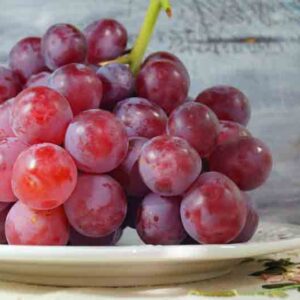
| Vanessa | Rose-red | 5-8 | Mid | Crisp texture and premium red seedless quality |
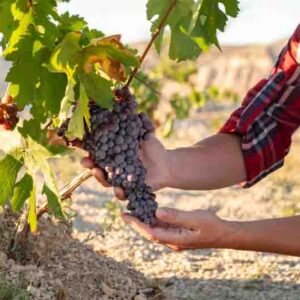
| Mars | Blue-black | 5-8 | Mid | Reliable dark seedless grape with strong garden performance |
| Jupiter | Reddish-blue | 5-8 | Early-mid | Large berries and rich muscat flavor |
| Saturn | Red | 6-9 | Mid | Distinctive shape and novelty appeal for fresh serving |
| Venus | Dark | 5-9 | Mid | Dark seedless grape adapted to warmer regions |
| Neptune | White | 5-8 | Mid-late | White Arkansas seedless grape for fresh use |
| Thompson Seedless | Pale green | 7-9 | Mid-late | Classic sweet green seedless grape for fresh eating and raisins |
| Somerset Seedless | Pink-red | 4-8 | Very early | Very hardy and especially useful where seasons are short |
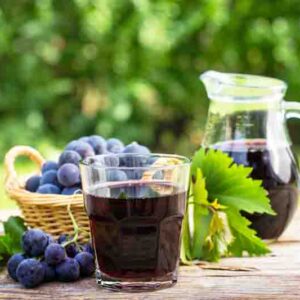
| Concord Seedless | Blue-black | 5-8 | Late summer-early fall | Classic Concord flavor without seeds |
Note: These hardiness ranges are practical home-garden ranges, not guarantees. Site exposure, disease pressure, humidity, pruning, and winter extremes still matter.
Best grapes for fresh eating by priority
Best for premium flavor: Himrod, Vanessa, and Jupiter.
Best for cold climates: Reliance, Somerset Seedless, Canadice, and Interlaken.
Best for classic grocery-style eating: Thompson Seedless.
Best for bold American grape flavor: Concord Seedless.
Best for early harvest: Interlaken, Somerset Seedless, Reliance, and Einset Seedless.
Many grapes sold for fresh eating are good. Far fewer are memorable. That distinction matters because gardeners and readers are not just asking which grapes are popular. They are asking which grapes are worth growing, which ones fit their climate, and which ones taste meaningfully different from one another.
A cold-climate gardener may value Reliance far more than Thompson Seedless because hardiness and early ripening are decisive. A flavor-focused grower may prefer Himrod or Jupiter because those grapes bring more distinction to the table. Someone who wants classic American grape flavor may care less about neutral sweetness and more about the unmistakable profile of Concord Seedless. In other words, there is no single “best” grape without context.
Reliance remains one of the foundational fresh-eating grapes for colder climates because it combines strong hardiness with early ripening and dependable crops. It is valuable not just because it survives winter better than many seedless grapes, but because it still delivers enjoyable fruit. For many gardeners, Reliance is the practical grape that proves seedless table grape growing can succeed outside the warmest grape regions.
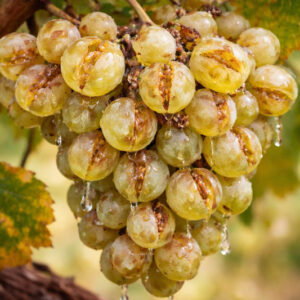
Himrod is one of the most respected white seedless grapes for fresh use because flavor carries this cultivar. It is delicate, honeyed, and genuinely refined rather than merely serviceable. It also matters because it shows that colder-climate fresh grapes do not have to feel like compromises. Himrod is the grape many gardeners mention when they want top-tier flavor from a seedless vine.
Interlaken matters because it ripens very early, which can make all the difference where the season is short. It is the kind of grape that gives gardeners a real chance at dependable maturity when later cultivars become risky. That early timing is its defining strength and the main reason it belongs in serious fresh-eating recommendations for cooler regions.
Lakemont fills a different role from Interlaken. It is more about larger handsome clusters, attractive presentation, and extending the white seedless season later into the year. For gardeners who want a showier white grape with mild sweetness and good table presence, Lakemont makes the category much more flexible.
Canadice is important because it helped make cold-climate red seedless grape growing more realistic. It combines decent hardiness with pleasant fresh flavor and an early-midseason harvest window. It may not attract as much attention as newer introductions, but it remains a practical choice where reliability matters more than novelty.
Einset Seedless stands out because it brings personality. Its strawberry-like flavor separates it from more generic sweet red grapes and makes it one of the most distinctive fresh-eating choices in the group. For growers who want something memorable rather than merely productive, Einset Seedless earns its place quickly.
Vanessa is often the red seedless grape gardeners focus on when they want premium eating quality. It pairs attractive color with excellent texture and a more polished overall experience than many ordinary red grapes. In a fresh-eating article, Vanessa matters because it shows what a quality-first red seedless grape can look like.
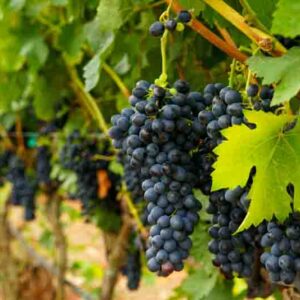
Mars gives gardeners a dark seedless grape with dependable backyard appeal. Its importance is not just color contrast. It is also valued because it is one of the more practical dark grapes for home use, particularly where growers want something reliable rather than fussy. In a mixed planting, Mars adds both visual diversity and steady performance.
Jupiter is one of the most talked-about seedless grapes because it combines larger berries with richer muscat flavor. This is not a bland table grape. It has aroma, character, and enough distinction to feel exciting in both home gardens and comparison articles. For growers who want flavor beyond generic sweetness, Jupiter is one of the clearest recommendations.
Saturn adds novelty to the group with its unusual berry shape, and that visual distinction is a real part of its appeal. It is useful in fresh-eating plantings because it offers something recognizably different at the table. It is not the grape to choose for universal adaptation, but it is absolutely a grape that can make a mixed planting more interesting.
Venus becomes especially relevant in warmer and longer-season regions, where growers have more room to explore the Arkansas-derived seedless group. It broadens the dark-grape category and helps show that warm-climate fresh-eating choices are not limited to Thompson-type grapes. Its value is practical: it gives southern and warm-region gardeners another serious option.
Neptune gives growers a white seedless grape from the Arkansas breeding group and helps extend the category beyond the more familiar northeastern white grapes. It matters because it fills a later white-fruited niche for fresh use in suitable climates. In other words, Neptune is not just another white grape. It is part of the warm-climate expansion of seedless table grape choices.
Thompson Seedless remains the classic green seedless grape, and that status is deserved. It defines the clean, sweet, familiar profile many people picture first when they think of table grapes. Its real value appears in warm, long-season climates where it can ripen well and deliver the qualities gardeners expect from it. In the right setting, it is one of the defining fresh-eating grapes.
Somerset Seedless deserves a central place in any serious fresh-eating article because it solves one of the hardest problems in the category: finding a worthwhile seedless grape for colder regions. Its combination of strong hardiness and very early ripening makes it especially useful where every extra week matters. It is one of the clearest examples of a cultivar whose climate fit defines its value.
Concord Seedless fills a different niche from grapes such as Himrod or Thompson Seedless. Its purpose is not to imitate a neutral supermarket table grape. Its purpose is to preserve classic Concord flavor without the inconvenience of seeds. That makes it important not just for fresh eating, but also for juice, preserves, and for gardeners who choose grapes by flavor identity rather than generic sweetness.
The smartest way to choose among these grapes is to filter by climate first, season second, and flavor third. In cold climates, early ripening and winter hardiness are non-negotiable, which is why Reliance, Somerset Seedless, Canadice, Himrod, and Interlaken matter so much. In moderate or warmer climates, the Arkansas-derived seedless grapes, Thompson Seedless, and later white types become more realistic.
After climate fit, think about the kind of fruit you actually enjoy eating. Gardeners who want elegance should look closely at Himrod or Vanessa. Gardeners who want a stronger flavor experience should consider Jupiter or Concord Seedless. Gardeners who want familiarity may still prefer Thompson Seedless. The point is not to force a universal ranking. The point is to choose a grape that matches your site and your palate.
Some of the best grapes for fresh eating include Himrod, Vanessa, Jupiter, Reliance, Thompson Seedless, and Concord Seedless. The best choice depends on whether you prioritize flavor, texture, climate adaptability, or classic grape taste.
For most people, yes. Seedless grapes are easier and more enjoyable to eat fresh, which is why they dominate the table grape category. Seeded grapes can still be excellent, but they are usually less convenient for casual eating.
Neither color is automatically sweeter. Sweetness depends more on the cultivar and ripeness than on color alone. Some green grapes are extremely sweet, while some red grapes offer more complexity with balanced acidity.
No. Grapes should be harvested fully ripe because they do not become sweeter or more flavorful after picking.
Reliance and Somerset Seedless are among the best grapes for cold climates because they combine seedlessness, early ripening, and stronger hardiness than many warm-region table grapes.
Updated: April 2026 • Reviewed by Gardenia Editors
| Hardiness |
3 - 10 |
|---|---|
| Plant Type | Climbers, Fruits |
| Plant Family | Vitaceae |
| Genus | Vitis |
| Exposure | Full Sun |
| Maintenance | High |
| Water Needs | Average |
| Soil Type | Chalk, Loam, Sand |
| Soil pH | Alkaline, Neutral |
| Soil Drainage | Well-Drained, Moist but Well-Drained |
| Attracts | Bees, Birds |
| Hardiness |
3 - 10 |
|---|---|
| Plant Type | Climbers, Fruits |
| Plant Family | Vitaceae |
| Genus | Vitis |
| Exposure | Full Sun |
| Maintenance | High |
| Water Needs | Average |
| Soil Type | Chalk, Loam, Sand |
| Soil pH | Alkaline, Neutral |
| Soil Drainage | Well-Drained, Moist but Well-Drained |
| Attracts | Bees, Birds |
Create a membership account to save your garden designs and to view them on any device.
Becoming a contributing member of Gardenia is easy and can be done in just a few minutes. If you provide us with your name, email address and the payment of a modest $25 annual membership fee, you will become a full member, enabling you to design and save up to 25 of your garden design ideas.
Join now and start creating your dream garden!
Create a membership account to save your garden designs and to view them on any device.
Becoming a contributing member of Gardenia is easy and can be done in just a few minutes. If you provide us with your name, email address and the payment of a modest $25 annual membership fee, you will become a full member, enabling you to design and save up to 25 of your garden design ideas.
Join now and start creating your dream garden!