Discover how to make rich, flavorful grape juice at home using fresh grapes and simple kitchen tools. This step-by-step guide shows you the easiest juicing methods, flavor tips, storage techniques, and health benefits so you can enjoy pure, natural grape juice without preservatives or added sugars.
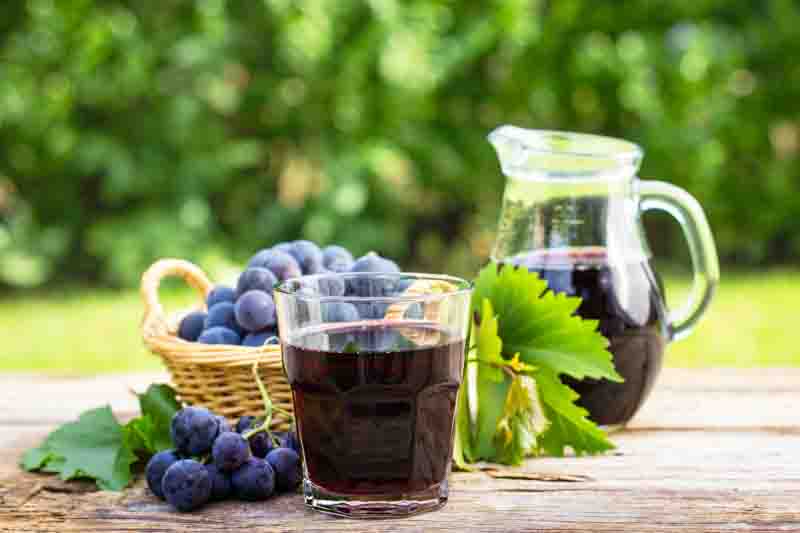


Homemade grape juice is one of the easiest, most rewarding ways to turn fresh grapes into a vibrant drink with pure flavor, natural sweetness, and no unnecessary additives. If you want a simple grape juice recipe that tastes fresher than store-bought juice, this method delivers rich color, bold grape flavor, and full control over sweetness, texture, and ingredients.
Homemade grape juice is a drink made by extracting liquid from fresh grapes through simmering, crushing, and straining. It can be served as-is, sweetened lightly, chilled for drinking, frozen for later use, or preserved for longer storage.
Jump to: Recipe at a Glance | Why Homemade Grape Juice Is Better | Best Grapes for Juice | Ingredients | Equipment | Step-by-Step | How to Make Clear Grape Juice | Storage and Preservation | Health Benefits | Creative Uses | Common Mistakes | FAQ
Recipe type: Homemade fruit juice
Prep time: 10 minutes
Cook time: 15 minutes
Total time: 25 minutes
Yield: About 3 to 5 cups, depending on the grape variety and juiciness
Best grapes: Concord, Niagara, black grapes, sweet red grapes
Flavor: Sweet, fruity, bright, deeply grapey
Grapes come from the Vitis genus, a group of fruiting vines grown for fresh eating, juice, jelly, and wine. Their natural sugars, deep pigments, and antioxidant compounds make them especially well suited for homemade juice.
Fresh grape juice made at home has several advantages over packaged juice. It tastes brighter, smells fresher, and lets you control every ingredient. Many bottled juices are heavily filtered, heat-treated, or sweetened, which can flatten the flavor and make them taste generic. Homemade juice keeps more of the grape’s natural personality.
It is also easier to tailor to your preferences. You can make it sweeter, tarter, thicker, clearer, darker, or lighter depending on the grapes you choose and how you strain the finished juice. That flexibility makes homemade grape juice useful not only as a drink, but also as a base for mocktails, sauces, syrups, popsicles, and desserts.
Nearly any ripe grape can be used, but some grapes create better juice than others. The best homemade grape juice starts with fully ripe fruit that tastes sweet and flavorful before it ever goes into the pot.
Underripe grapes usually make tart, thin juice. Overripe grapes may taste flat or begin fermenting quickly. For the best results, choose grapes that are plump, sweet, and fully colored.
You only need a few ingredients to make fresh grape juice at home, which is one reason this recipe is so practical.
Use about 4 pounds of ripe grapes. Concord grapes create the boldest classic juice flavor, but any sweet grape variety works.
Add 1 cup of water to help the grapes begin releasing juice and to prevent scorching.
Use honey, sugar, or maple syrup only if your grapes are more tart than sweet.
A small squeeze of lemon juice sharpens the flavor and balances the sweetness.
Most kitchens already have the tools needed for this grape juice recipe.
For simmering the grapes and extracting the juice.
To gently crush the grapes after they soften.
For removing the skins and seeds from the juice.
To catch the strained juice.
For safe, fresh storage in the refrigerator or freezer.
Rinse the grapes thoroughly under cool running water. Remove stems, leaves, and any damaged fruit. Clean grapes produce cleaner, better-tasting juice.
Place the grapes in a large pot with 1 cup of water. Heat over medium heat until the grapes soften and begin to burst, usually about 10 minutes.
Use a potato masher or large spoon to crush the softened grapes gently. This helps break the skins and release more of the flavorful liquid trapped inside.
Continue simmering for about 5 more minutes. Avoid boiling hard or cooking too long, since excessive heat can dull the bright grape flavor.
Pour the mixture through a fine mesh strainer or cheesecloth into a bowl. Let gravity do most of the work. If you press too hard, the juice can become cloudy or slightly bitter from the skins and seeds.
Taste the juice. If the grapes were fully ripe, it may need nothing at all. If desired, stir in a little honey, sugar, or lemon juice to fine-tune the sweetness and brightness.
Cool the juice, refrigerate it for at least 1 hour, and serve it cold. It can also be poured over ice or mixed with sparkling water.
If you want a faster method, blend washed grapes with a small amount of water until smooth, then strain the mixture through a fine sieve or cheesecloth. This method works, but it usually creates a thicker, pulpier juice than the stovetop version.
If your grapes are ripe and naturally sweet, you do not need to add any sugar at all. Concord and black grapes especially tend to produce naturally sweet homemade juice. The best way to make sugar-free grape juice is simply to start with sweet grapes and taste before adding anything.
If the juice tastes flat rather than sweet, a small squeeze of lemon juice often improves the flavor more effectively than extra sugar.
If you prefer clear grape juice instead of a more rustic, cloudy version, strain the juice gently and do not press the solids hard. Then chill the juice in the refrigerator for several hours or overnight so the fine sediment can settle to the bottom.
Once the sediment settles, pour the clearer juice carefully into another container without disturbing the bottom layer. This simple step makes the juice look cleaner and more polished.
Fresh grape juice should be refrigerated promptly after cooling. Stored in airtight glass jars or bottles, it usually keeps well for about 5 to 7 days.
For longer storage, freeze the juice in freezer-safe containers, leaving a little room at the top for expansion. Frozen grape juice can hold its quality for several months.
You can also preserve grape juice by proper home canning or pasteurization in sterilized jars. If you preserve it that way, it can stay shelf-stable much longer. For best flavor, always label the jars with the date.
Yield depends on the variety, ripeness, and juicing method, but 4 pounds of grapes usually produce about 3 to 5 cups of juice. Juicier grapes and gentler simmering often give a better final yield than under-ripe fruit.
Fresh grape juice is the liquid extracted directly from grapes. Grape concentrate is grape juice that has had much of its water removed to make it denser and sweeter. Homemade grape juice is fresher and lighter, while concentrate is more intense and usually used in processed foods, sweeteners, or reconstituted juice products.

Homemade grape juice is not only refreshing. It also contains plant compounds and nutrients that make it appealing from a wellness perspective. Because you control the ingredients, you also avoid extra preservatives and unnecessary sweeteners commonly found in some packaged products.
| Nutrient / Compound | Main Benefit | Why It Matters |
|---|---|---|
| Resveratrol | Heart support | Found especially in dark grapes and associated with cardiovascular protection. |
| Vitamin C | Immune support | Helps support normal immune function and tissue repair. |
| Flavonoids | Antioxidant protection | Help neutralize oxidative stress and support overall cellular health. |
| Potassium | Heart and muscle function | Supports fluid balance, normal blood pressure, and muscle activity. |
Fresh grape juice is much more versatile than many people realize. Once you make a batch, it can become the base for drinks, desserts, frozen treats, and fruit-based sauces.
Blend grape juice with yogurt, bananas, or frozen berries for a naturally sweet smoothie.
Pour the juice into molds and freeze for easy homemade fruit pops.
Mix grape juice with sparkling water for a simple grape soda or party drink.
Simmer the juice down into a thicker syrup or use it as the base for jelly.
Combine with citrus, herbs, or ginger for elegant nonalcoholic drinks.
Use it in fruit sauces or reduced glazes for savory dishes and desserts.
Homemade grape juice is easy, but a few mistakes can hurt the final flavor, texture, or shelf life.
You make grape juice at home by simmering ripe grapes with a little water, mashing them gently, straining out the skins and seeds, and chilling the juice before serving.
Yes. You can make grape juice without a juicer by cooking grapes in a pot, crushing them, and straining the juice through cheesecloth or a fine sieve.
Homemade grape juice usually lasts 5 to 7 days in the refrigerator when stored in an airtight container.
No. If the grapes are fully ripe, homemade grape juice often tastes sweet enough without any added sugar.
Yes. Freeze grape juice in airtight freezer-safe containers, leaving a little space for expansion.
Concord grapes are widely considered the best for juice because they produce deep color, strong aroma, and classic grape flavor.
For clearer grape juice, strain it gently, avoid pressing the solids too hard, then chill it so the sediment can settle before pouring the juice into a clean container.
| Hardiness |
3 - 10 |
|---|---|
| Plant Type | Climbers, Fruits |
| Plant Family | Vitaceae |
| Genus | Vitis |
| Exposure | Full Sun |
| Maintenance | High |
| Water Needs | Average |
| Soil Type | Chalk, Loam, Sand |
| Soil pH | Alkaline, Neutral |
| Soil Drainage | Well-Drained, Moist but Well-Drained |
| Attracts | Bees, Birds |
| Hardiness |
3 - 10 |
|---|---|
| Plant Type | Climbers, Fruits |
| Plant Family | Vitaceae |
| Genus | Vitis |
| Exposure | Full Sun |
| Maintenance | High |
| Water Needs | Average |
| Soil Type | Chalk, Loam, Sand |
| Soil pH | Alkaline, Neutral |
| Soil Drainage | Well-Drained, Moist but Well-Drained |
| Attracts | Bees, Birds |
Create a membership account to save your garden designs and to view them on any device.
Becoming a contributing member of Gardenia is easy and can be done in just a few minutes. If you provide us with your name, email address and the payment of a modest $25 annual membership fee, you will become a full member, enabling you to design and save up to 25 of your garden design ideas.
Join now and start creating your dream garden!
Create a membership account to save your garden designs and to view them on any device.
Becoming a contributing member of Gardenia is easy and can be done in just a few minutes. If you provide us with your name, email address and the payment of a modest $25 annual membership fee, you will become a full member, enabling you to design and save up to 25 of your garden design ideas.
Join now and start creating your dream garden!