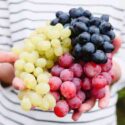
Zone 6 is one of the best climates for growing grapes with real variety and real reliability. This guide covers the top grapes for fresh eating, juice, jelly, and wine, with a professional selection framework, a full comparison table, and practical advice for building a productive, resilient backyard planting.
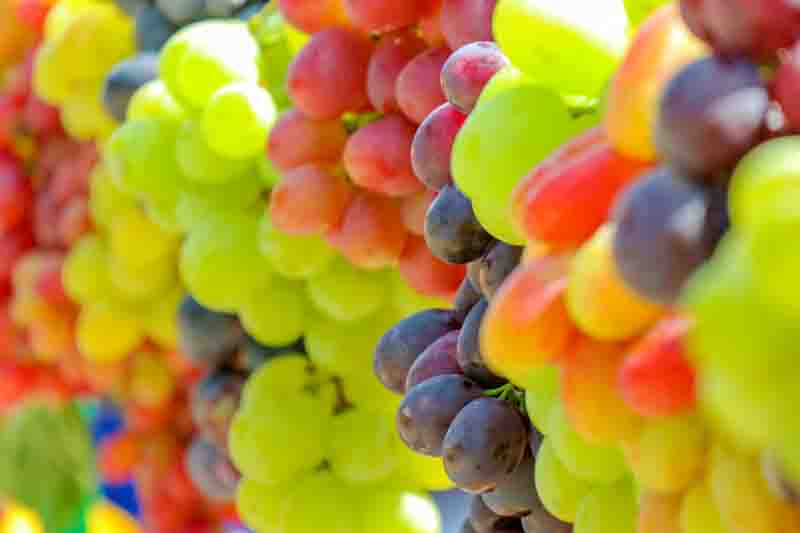


Growing grapes in USDA Zone 6 is where home grape growing becomes far more rewarding. This is the zone where gardeners can move beyond pure cold survival and start choosing varieties for flavor, texture, yield, and purpose. You can grow dependable juice grapes, excellent seedless table grapes, versatile backyard workhorses, and serious cold-climate wine grapes. That wider range is exactly why variety selection matters so much.
The best grapes for Zone 6 are not simply the most famous grapes or the prettiest ones in a catalog. They are the cultivars that combine winter resilience, reliable ripening, manageable disease pressure, and fruit quality that genuinely earns garden space. A grape can be technically hardy and still be a weak recommendation if it ripens too late, struggles in humidity, cracks badly, or disappoints on the plate.
Methodology: This guide prioritizes grapes that are hardy in Zone 6, ripen dependably in realistic home-garden conditions, and offer strong practical value for fresh eating, processing, or wine, based on Gardenia cultivar data and cold-climate growing logic.
That is why this guide does not treat every grape as interchangeable. A top fresh-eating grape is judged differently from a top juice grape, and a serious wine grape is judged differently from a family-friendly backyard vine. That distinction is what makes a recommendation list more authoritative, more useful, and more likely to hold up in real gardens.
This guide is built around cultivars that are genuinely relevant to Zone 6, then narrowed by practical value: winter hardiness, season length, disease behavior, fruit quality, and end use. In other words, this is not a list of every grape that might survive somewhere in Zone 6 under ideal conditions. It is a shortlist of the grapes most worth planting if you want dependable results.
For the broadest cultivar pool, start with your comparison database here: Grapevine comparison database.
This selection logic matters because Zone 6 is broad enough to support experimentation, but not broad enough to reward careless recommendations. A grape that performs beautifully on a sheltered wall in a warm Zone 6b pocket is not automatically a great choice for an open, windy Zone 6a garden. The strongest recommendations are the ones that still make sense when conditions are less than perfect.
Zone 6 grape growing is shaped by four realities: winter cold, a longer but still finite growing season, spring frost risk, and summer disease pressure. A grape worth recommending for this zone has to perform reasonably well under all four.
Winter hardiness is still the first filter. Zone 6 is milder than Zone 5, but not so mild that winter injury becomes irrelevant. Vines still need to come through cold spells with limited damage, especially in exposed locations or after erratic winter weather.
Ripening season is the second filter. Zone 6 supports more early-mid, mid, and some mid-late grapes than colder zones. That wider window is exactly why it can support a broader seedless and wine-grape palette. Even so, earlier ripening still reduces risk and usually improves consistency.
Disease performance is the third filter. Even in Zone 6, black rot, downy mildew, and powdery mildew can sharply reduce fruit quality. Grapes that are easier to keep clean deserve more weight than grapes that are glamorous on paper but frustrating in practice.
Intended use is the fourth filter. A great fresh-eating grape is judged on sweetness, texture, and ease of eating. A strong processing grape is judged on flavor intensity, yield, and dependability. A good wine grape is judged on vineyard performance and genuine winemaking value. Mixing those standards leads to weak recommendations.
One of the biggest mistakes in grape advice is treating all of Zone 6 as if it were identical. It is not. A sheltered Zone 6b site with good air drainage, reflected warmth, and some wind protection can support a wider range of grapes than an exposed Zone 6a site with frost pockets or harsher winter exposure.
If your site is windy, elevated, open, or consistently colder than nearby gardens, choose more conservatively. In practice, that means leaning harder toward grapes with stronger hardiness and earlier ripening rather than building your planting around the most refined late options.
| Cultivar | Hardiness Zones | Seeded or Seedless | Best Use | Season | Why It Stands Out |
|---|---|---|---|---|---|
| Reliance | 4, 5, 6, 7, 8 | Seedless | Fresh eating | Early | One of the strongest all-around seedless grapes for northern gardens |
| Somerset Seedless | 4, 5, 6, 7, 8 | Seedless | Fresh eating | Very early | Very hardy and especially useful for cooler or exposed sites |
| Mars Seedless | 5, 6, 7, 8 | Seedless | Fresh eating | Mid | Dependable seedless grape with practical disease-aware value |
| Jupiter | 5, 6, 7, 8 | Seedless | Fresh eating | Mid | Excellent table quality in favorable Zone 6 sites |
| Lakemont | 5, 6, 7, 8 | Seedless | Fresh eating | Late summer-early fall | Refined white seedless grape with realistic Zone 6 value |
| Neptune | 5, 6, 7, 8 | Seedless | Fresh eating | Late summer-early fall | Large, attractive white seedless grape for favorable sites |
| Interlaken | 5, 6, 7, 8 | Seedless | Fresh eating | Very early | One of the earliest useful white seedless grapes for home gardens |
| Vanessa | 5, 6, 7, 8 | Seedless | Fresh eating | Mid | One of the best red seedless grapes for home gardens |
| Concord | 5, 6, 7, 8 | Seeded | Juice, jelly, jam | Mid | Classic processing grape with unmistakable American flavor |
| Concord Seedless | 5, 6, 7, 8 | Seedless | Fresh use, juice, jelly | Late summer-early fall | Concord character with easier eating and broader home-garden value |
| Niagara | 5, 6, 7, 8 | Seeded | Fresh use, juice | Mid | Important white-fruited backyard and processing grape |
| Edelweiss | 4, 5, 6, 7, 8 | Seeded | Fresh use, juice, sweet wine | Early | Aromatic and versatile grape with broad home-garden value |
| Brianna | 4, 5, 6, 7, 8 | Seeded | White wine, juice, fresh use | Early fall | Aromatic grape with strong dual-purpose value |
| Prairie Star | 3, 4, 5, 6, 7 | Seeded | White wine | Early-mid | Reliable earlier white for cooler or windier sites |
| Itasca | 4, 5, 6, 7, 8 | Seeded | White wine | Early fall | Modern cold-climate white with attractive lower-acid potential |
| La Crescent | 4, 5, 6, 7, 8 | Seeded | White wine | Mid-late | Benchmark aromatic white for northern vineyards |
| Frontenac Gris | 4, 5, 6, 7, 8 | Seeded | White and rosé wine | Mid-late | Hardy and productive white wine option |
| Frontenac | 3, 4, 5, 6, 7, 8 | Seeded | Red wine | Mid-late | Foundational cold-climate red wine grape |
| Marquette | 4, 5, 6, 7, 8 | Seeded | Red wine | Late September | Leading modern red wine grape for cold climates |
| Petite Pearl | 4, 5, 6, 7, 8 | Seeded | Red wine | Late September | Disease-resistant red wine grape with strong northern value |
| Marechal Foch | 4, 5, 6, 7, 8 | Seeded | Red wine | Very early | Very early wine grape for cooler or more difficult sites |
| Regent | 6, 7, 8, 9 | Seeded | Red wine | Early | A strong Zone 6 option for early ripening and disease resistance |
Best Zone 6 grapes by goal
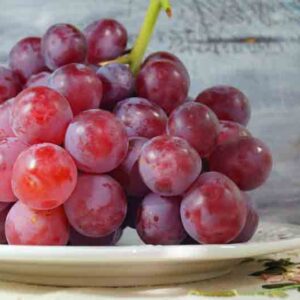
Best seedless table grapes: Reliance, Somerset Seedless, Mars Seedless, Jupiter, Lakemont, Neptune, Interlaken, Vanessa.
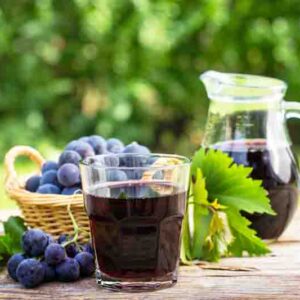
Best for juice and jelly: Concord, Concord Seedless, Niagara, Edelweiss.
Best multipurpose grapes: Edelweiss, Brianna, Niagara, Concord Seedless.
Best white wine grapes: La Crescent, Frontenac Gris, Prairie Star, Itasca, Brianna.
Best red wine grapes: Frontenac, Marquette, Petite Pearl, Marechal Foch, Regent.
Zone 6 is one of the most useful seedless-grape zones because it supports both the cold-climate essentials and a broader range of refined table grapes. That matters because many gardeners want seedless fruit first, yet seedless grapes are also where oversimplified recommendations tend to fail.
Reliance remains one of the safest seedless starting points for Zone 6. It combines seedless fruit, early ripening, and real hardiness. If you want one vine that makes a seedless planting feel practical instead of experimental, this is still one of the best answers.
Somerset Seedless deserves nearly equal status. Its very early ripening and cold tolerance make it especially valuable on tougher Zone 6 sites. In windy gardens or gardens with slightly shorter effective seasons, Somerset Seedless is often the smarter choice.
Mars Seedless is a dependable middle-ground option, while Jupiter is better treated as a quality-first table grape for favorable sites. Jupiter can be excellent, but it is not as universally safe as Reliance or Somerset Seedless.
The broader Zone 6 seedless palette is where the article becomes more useful than a colder-zone template. Lakemont adds a refined white seedless option. Neptune offers attractive clusters and strong fresh-eating appeal. Interlaken stands out for earliness. Vanessa is one of the most useful red seedless choices for home gardeners who still need hardiness.
If your priority is flavor, reliability, and practical use rather than seedlessness, Zone 6 remains extremely strong. This is often where the most durable long-term plantings are built because classic American and northern hybrid grapes are still hard to beat for robustness and output.
Concord remains the standard-bearer for juice, jelly, jam, and classic American grape flavor. A serious Zone 6 article should not downplay Concord just because newer grapes are available. It is still one of the safest and most useful grapes a home grower can plant.
Niagara plays a similarly important role on the white-fruited side. It expands the processing category beyond dark grapes and keeps the planting more versatile. For gardeners who want one traditional white grape that still earns its place, Niagara remains highly relevant.
Concord Seedless matters because it bridges categories. It gives growers Concord-like flavor with easier eating, which makes it more flexible for families that want one vine to cover snacks as well as preserves.
Edelweiss is one of the best small-garden utility grapes in the article. It is early, aromatic, and truly versatile, which gives it more practical value than many varieties with narrower use cases.
One of the biggest advantages of Zone 6 is that you can build a smaller planting around multipurpose grapes without sacrificing too much in any one category. That matters in home gardens, where every vine has to justify itself.
Edelweiss remains one of the strongest multipurpose choices because it works for fresh eating, juice, and sweet wine. Brianna is another strong candidate because it offers aromatic fruit and dual-purpose value for juice, fresh use, and lighter wine styles.
Niagara and Concord Seedless also belong here because they reward growers who want flexibility over specialization. They may not be the absolute best at one task, but they earn their place by doing several things well enough to matter.
Zone 6 is a credible region for cold-climate white wine grapes, especially when growers focus on hybrids with proven northern performance. The best choice depends on whether you value aromatic intensity, earlier ripening, broad versatility, or a more modern acid profile.
La Crescent remains one of the benchmark aromatic white grapes for northern vineyards and serious home growers. If wine quality is the main goal, it belongs near the top of the shortlist.
Frontenac Gris is hardy, productive, and highly relevant for both white and rosé styles. Prairie Star remains strategically important for cooler, windier, or shorter-season sites, even within Zone 6.
Itasca adds a more modern direction with lower-acid potential. Brianna broadens the category further by combining aromatic appeal with home-garden versatility.
Zone 6 also offers a stronger red wine grape category than many home gardeners expect. The key is not forcing classic vinifera into a climate that still has winter risk, but instead using serious northern cultivars and selected hybrids that were bred or proven for this type of environment.
Frontenac remains one of the foundational red wine grapes for cold climates. Marquette remains one of the leading modern red wine grapes for northern vineyards and deserves its reputation.
Petite Pearl earns inclusion because disease resistance matters in humid Zone 6 gardens. Marechal Foch remains relevant because very early ripening still has strategic value on cooler or more exposed sites.
Regent is one of the most useful true Zone 6 additions because it brings early ripening and meaningful disease resistance rather than merely prestige. That makes it a better editorial fit than many vinifera grapes that sound refined but perform less reliably.
If you prioritize fresh eating, build around Reliance or Somerset Seedless, then add Lakemont, Neptune, Interlaken, or Vanessa for variety. If you prioritize juice and jelly, build around Concord, Niagara, or Concord Seedless. If your priority is wine, lean toward La Crescent, Frontenac Gris, Itasca, Frontenac, Marquette, Petite Pearl, and Regent.
The smartest beginner strategy is not to plant one of everything. It is to build a balanced planting with varieties that complement each other – one reliable seedless grape, one dependable processing grape, and one multipurpose or wine grape. That combination is usually more resilient, more useful, and more satisfying than a scattered collection of one-off experiments.
If you want the most dependable Zone 6 seedless grapes, start with Reliance and Somerset Seedless. If you want the strongest traditional backyard grapes for juice and jelly, plant Concord and Niagara. If you want the best multipurpose value, choose Edelweiss or Brianna. If you want the strongest cold-climate wine grapes, build around La Crescent, Frontenac, and Marquette.
That is the clearest way to think about the best grapes for Zone 6. Start with the broad, proven winners. Add specialized cultivars only when they match a real goal or a favorable site. Done that way, Zone 6 is not just a zone where grapes survive. It is a zone where the right grapes can truly excel.
The best seedless grapes for Zone 6 include Reliance, Somerset Seedless, Mars Seedless, Jupiter, Lakemont, Neptune, Interlaken, and Vanessa. Reliance and Somerset Seedless are the safest all-around starting points, while Lakemont, Neptune, Interlaken, and Vanessa expand the seedless palette in favorable Zone 6 gardens.
Yes. Concord is a classic Zone 6 grape and remains one of the best choices for juice, jelly, jam, and general home processing. Concord Seedless can also be useful if you want some of that same flavor with easier fresh eating.
Strong wine grapes for Zone 6 include La Crescent, Frontenac Gris, Prairie Star, Itasca, Brianna, Frontenac, Marquette, Petite Pearl, Marechal Foch, and Regent. These cultivars offer a much safer fit than treating classic vinifera grapes as default choices.
For colder or more exposed Zone 6 sites, Somerset Seedless, Concord, Niagara, Prairie Star, Frontenac, and Marechal Foch are among the safest choices. They combine stronger hardiness or earlier ripening with more dependable performance.
Sometimes, but not always. In humid climates, even hardy grapes can still face black rot, downy mildew, and powdery mildew. Lower-spray success depends on resistant cultivars, good pruning, open canopies, and strong airflow.
Updated: April 2026 • Reviewed against Gardenia cultivar pages and zone-fit data
| Hardiness |
3 - 10 |
|---|---|
| Plant Type | Climbers, Fruits |
| Plant Family | Vitaceae |
| Genus | Vitis |
| Exposure | Full Sun |
| Maintenance | High |
| Water Needs | Average |
| Soil Type | Chalk, Loam, Sand |
| Soil pH | Alkaline, Neutral |
| Soil Drainage | Well-Drained, Moist but Well-Drained |
| Attracts | Bees, Birds |
| Hardiness |
3 - 10 |
|---|---|
| Plant Type | Climbers, Fruits |
| Plant Family | Vitaceae |
| Genus | Vitis |
| Exposure | Full Sun |
| Maintenance | High |
| Water Needs | Average |
| Soil Type | Chalk, Loam, Sand |
| Soil pH | Alkaline, Neutral |
| Soil Drainage | Well-Drained, Moist but Well-Drained |
| Attracts | Bees, Birds |
Create a membership account to save your garden designs and to view them on any device.
Becoming a contributing member of Gardenia is easy and can be done in just a few minutes. If you provide us with your name, email address and the payment of a modest $25 annual membership fee, you will become a full member, enabling you to design and save up to 25 of your garden design ideas.
Join now and start creating your dream garden!
Create a membership account to save your garden designs and to view them on any device.
Becoming a contributing member of Gardenia is easy and can be done in just a few minutes. If you provide us with your name, email address and the payment of a modest $25 annual membership fee, you will become a full member, enabling you to design and save up to 25 of your garden design ideas.
Join now and start creating your dream garden!